

 プレビュー
プレビュー
 プリントを購入
 シェアする
シェアする シェアする
シェアする
 詳細を見る
詳細を見る

 ダウンロード
 似ている作品
 X線調査
X線調査 スライドショー
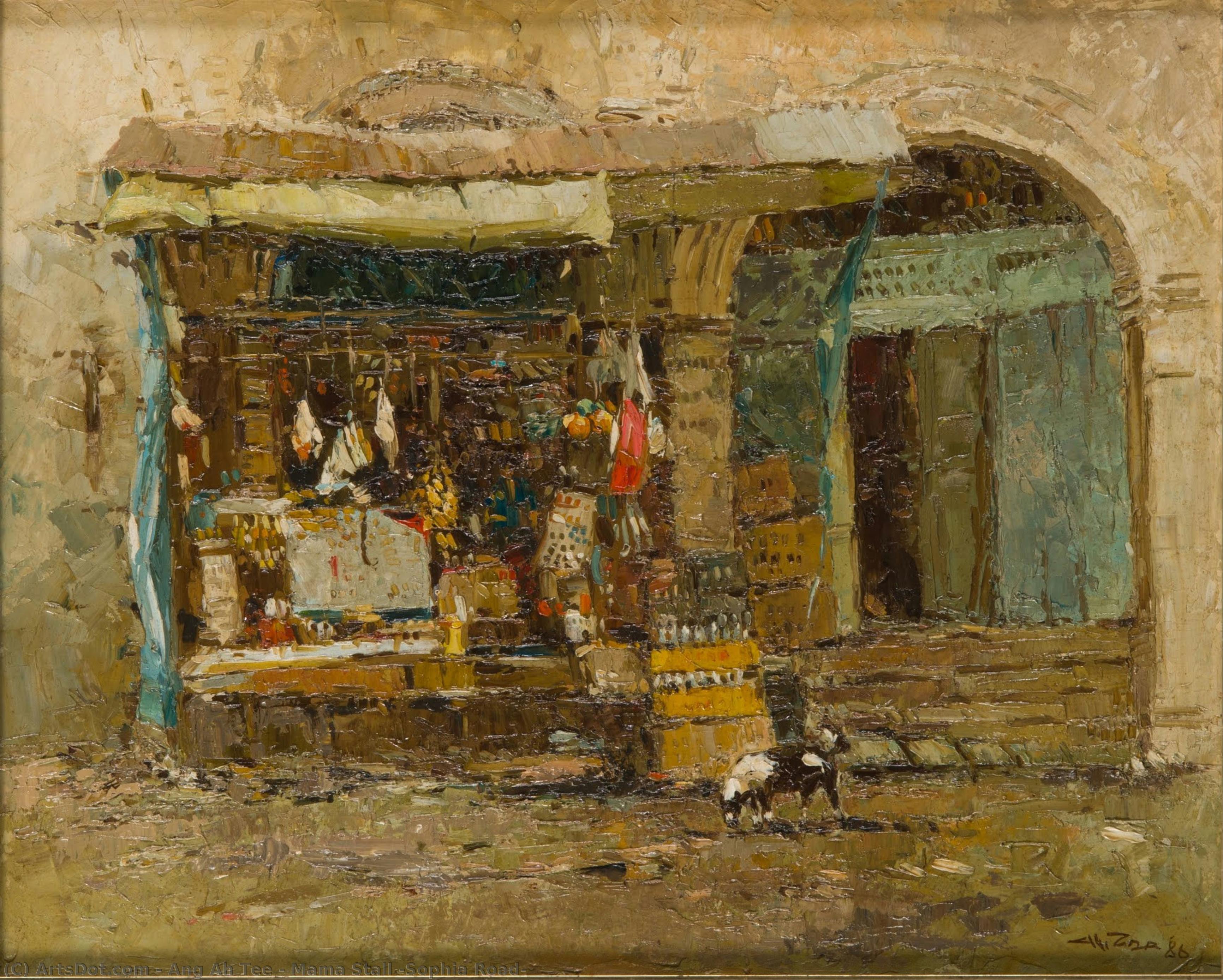
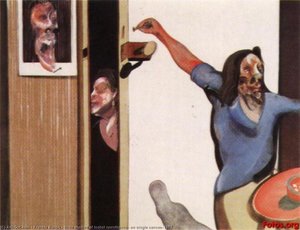
ママ スタール (ソフィア ロード)
 キャンバスにアクリル絵具
- ウォールアート
- Conceptual assemblage
 75.0 x 59.0 cm
 ナショナル・ギャラリー・シンガポール
 詳細を見る
詳細を見る
オンラインプレビューをはるかに凌ぐ、高解像度で鮮明なデジタル画像をご購入いただけます。
各ファイルは、社内の専門家が高度なツールと熟練した手作業によるレタッチを用いて、細心の注意を払って準備されています。すべての画像において、卓越した鮮明度、正確な色彩再現性、そして繊細なディテールを保証いたします。
最終ファイルは、プロフェッショナルな編集・印刷環境ですぐにご利用いただけるよう最適化された状態で、72時間以内にメールにてお届けいたします。これは、一流のデザインスタジオ、出版社、ギャラリーから信頼されているものと同等の品質です。
デジタル画像のご注文に付随する特典
高品質なデジタル画像配信を、確かな品質で。
ArtsDot.com を選ぶことは、単に画像を手に入れることではありません。それは、プロの手によって精密に仕上げられ、満足保証が付いた高品質なデジタルアートワークを受け取ることを意味します。ご注文いただいた際に自動的に付随する内容は、以下の通りです:

メールですぐにお届け
ご注文から72時間以内に、高解像度のデジタル画像ファイルがメールでお手元に届きます。すぐにそのままご利用いただけます。

AI技術で最適化されたデジタルファイル
お客様の作品は、高度なAIツールと専門家による手作業の編集を組み合わせてプロフェッショナルに最適化されており、細部のディテール、鮮明さ、そして正確な色再現性を最大限に引き出しています。

一生涯無料の再送サービス
ファイルを誤って削除したり、紛失してしまったりしましたか?ご安心ください。いつでも無料で再送いたします。

輸入手数料は一切かかりません
関税や手数料、配送料を気にすることなく、お気に入りのアートワークをすぐにお楽しみいただけます。デジタルダウンロードは常に免税です。

色彩再現の保証
プロ仕様のツールとカラーマネジメント技術を用いることで、デジタル画像が元の色を最大限に忠実に再現することを保証いたします。

60日間満足保証
ご購入いただいたデジタル画像にご満足いただけない場合は、60日以内であれば、修正または100%の返金(理由を問う必要はありません)をさせていただきます。

100% 返金保証
ご満足いただけない場合は、デジタルファイルを受け取ってから60日以内であれば、理由を問わず全額返金いたします。

まとめ買い割引
3枚購入で10%OFF - 5枚購入で15%OFF - 10枚以上購入で20%OFF。クリエイティブなプロジェクト、ギャラリー、エージェンシーに最適です。
作品の詳細
アン・アヒーの「ママ・ストール(ソフィアロード)」について
アン・アヒーはシンガポール生まれの画家で、彼の作品は現代美術に大きな影響を与えました。彼は絵画自体を軽蔑し、特に初期の絵画訓練に対する嫌悪感を持っていました。この経験は彼に社会的不平等への深い認識と、疎外されたコミュニティが直面する現実への意識を植え付けました。これらのテーマは彼の芸術的な活動の中心となり、彼の作品は独特の視点と繊細な複雑さを持ち合わせています。彼は特に都市における社会的な問題やアイデンティティの問題に焦点を当てています。 彼の初期の創作活動はロサンゼルスで展開され、そこで彼は他のアーティストたちと協力し、パフォーマンスアートや彫刻など多様な表現方法を用いて社会批判を行いました。彼の作品はしばしば日常的なオブジェクトや素材を使いこなすことで知られています。これらの要素が組み合わさることで、彼の芸術は単なる視覚的な美しさだけでなく、深い意味を持っています。彼は特にアメリカにおける黒人文化と社会構造に影響を受けました。 「ママ・ストール(ソフィアロード)」はシンガポールで撮影された風景画であり、アン・アヒーの作品の特徴をよく表しています。この絵は活気に満ちた色彩と繊細な筆致が印象的です。特に鮮やかな水彩やアクリル絵の具を使用することで、日常的な風景の中に詩的な美しさを表現しています。彼はシンガポールの日常生活や文化を捉えながらも、同時に社会的なメッセージを伝えようとしています。この作品は単なる風景画ではなく、画家自身の経験と感情が込められた芸術作品です。 彼のスタイルはコンセプチュアルアートに分類され、オブジェクトの組み合わせ技法を用いながら、視覚的な表現と概念的な思考を結びつけます。彼は他のアーティストたちから影響を受けましたが特にスタジオZとのコラボレーションは彼の芸術活動において重要な役割を果たしました。このコラボレーションを通じて彼は新たなアイデアや表現方法を獲得し、自身の芸術をさらに発展させました。彼の作品は常に社会的な問題に立ち向かいながらも、同時に美しさと感動を生み出すことを目指しています。これは単なる絵画技術の向上だけでなく、画家としての成長を示すものでもあります。 この絵はシンガポールで撮影され、アン・アヒーが日常的な風景の中に詩的な美しさを表現しようとした結果です。「ママ・ストール(ソフィアロード)」は彼の芸術における多様な要素を反映しており、見る人に感動とインスピレーションを与える力を持っています。この作品はシンガポール文化の豊かな伝統を受け継ぎながらも、同時に現代美術の新たな可能性を示しています。関連作品





作家の略歴
David Hammons: A Sculptor of Urban Echoes
David Hammons, born in Springfield, Illinois, on July 24, 1943, is an American artist whose work has profoundly shaped the landscape of contemporary art. His career, spanning over half a century, is characterized by a unique blend of performance, sculpture, and found object assemblage – a potent combination that confronts issues of race, identity, and social commentary with both startling directness and subtle complexity. Hammons’s journey began not within the hallowed halls of formal art education, but through an early exposure to drawing and a subsequent disdain for the discipline itself, born from witnessing his family's struggles during his childhood. This formative experience instilled in him a deep-seated awareness of social inequality and the often-invisible realities faced by marginalized communities – themes that would become central to his artistic practice.Early Influences and Los Angeles Rebellion
Hammons’s early years in Los Angeles proved pivotal, exposing him to a vibrant and experimental art scene. He attended Chouinard Art Institute (now CalArts) and the Otis Art Institute, absorbing influences from a diverse group of artists who would later become known as the “LA Rebellion.” This collective, including figures like Charles White, Bruce Nauman, and John Baldessari, challenged prevailing artistic conventions with their politically charged work and exploration of personal identity. Hammons’s time within this circle fostered a spirit of collaboration and experimentation, laying the groundwork for his distinctive approach to art-making. Notably, he formed Studio Z (a.k.a. LA Rebellion) alongside Senga Nengudi and others, creating a space for shared artistic vision and pushing boundaries through performance and conceptual practices. The influence of artists like Charles White, with his focus on depicting the Black experience, is particularly evident in Hammons’s early work, though he ultimately forged his own path, utilizing found objects to create powerful visual metaphors.The Language of Symbolism and Urban Detritus
Hammons's artistic language evolved dramatically after relocating to New York City in 1974. He began to systematically collect discarded materials – bottle caps, chicken bones, hair clippings, and other remnants of urban life – transforming these seemingly mundane objects into potent symbols within his sculptures and installations. His work frequently engages with the iconography of African American culture, drawing on imagery from barbershops, street corners, and everyday experiences. The “Bliz-aard Ball Sale” (1983), for example, saw Hammons selling snowballs – a symbol of winter’s harshness and the challenges faced by Black communities – while simultaneously referencing the aspirational dreams of becoming an athlete. Similarly, his *How Ya Like Me Now?* series (1988) utilized images of black figures from popular culture to critique racial stereotypes and explore themes of identity and representation. Hammons's use of found objects isn’t merely decorative; it’s a deliberate strategy for disrupting conventional notions of beauty and value, forcing viewers to confront the overlooked aspects of urban existence.Performance and Body as Medium
A defining characteristic of Hammons’s practice is his incorporation of performance art. He frequently uses his own body as a medium, employing techniques like greasing himself and transferring images onto paper – creating what he calls “body prints.” These works are not simply self-portraits; they are explorations of the Black male form, imbued with layers of meaning related to vulnerability, resilience, and social visibility. His performance piece *Outrageous Grace* (1980) involved him walking through a crowded street while covered in grease, an act that challenged notions of public space and confronted issues of race and class. Hammons’s willingness to expose his own body – often in unconventional ways – demonstrates a radical commitment to confronting uncomfortable truths and disrupting established artistic norms.Legacy and Critical Recognition
David Hammons's impact on contemporary art is undeniable. His work has been exhibited extensively at major museums and galleries worldwide, including the Museum of Modern Art (MoMA) in New York City. He’s consistently resisted traditional gallery exhibitions, preferring to present his work in public spaces – parks, sidewalks, and urban environments – where it can engage with a wider audience. Hammons's art continues to provoke dialogue about race, identity, and social justice, cementing his position as one of the most important and influential artists working today. His ability to transform discarded objects into powerful symbols, coupled with his willingness to confront difficult subjects through performance and sculpture, ensures that David Hammons’s legacy will continue to resonate for generations to come.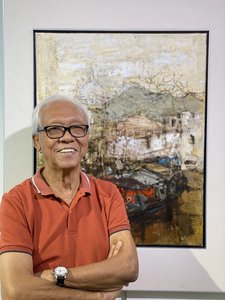
アン・アー・ティー
1943 - , アメリカ合衆国

