

 プレビュー
プレビュー
 プリントを購入
 シェアする
シェアする シェアする
シェアする
 詳細を見る
詳細を見る

 ダウンロード
 似ている作品
 X線調査
X線調査 スライドショー
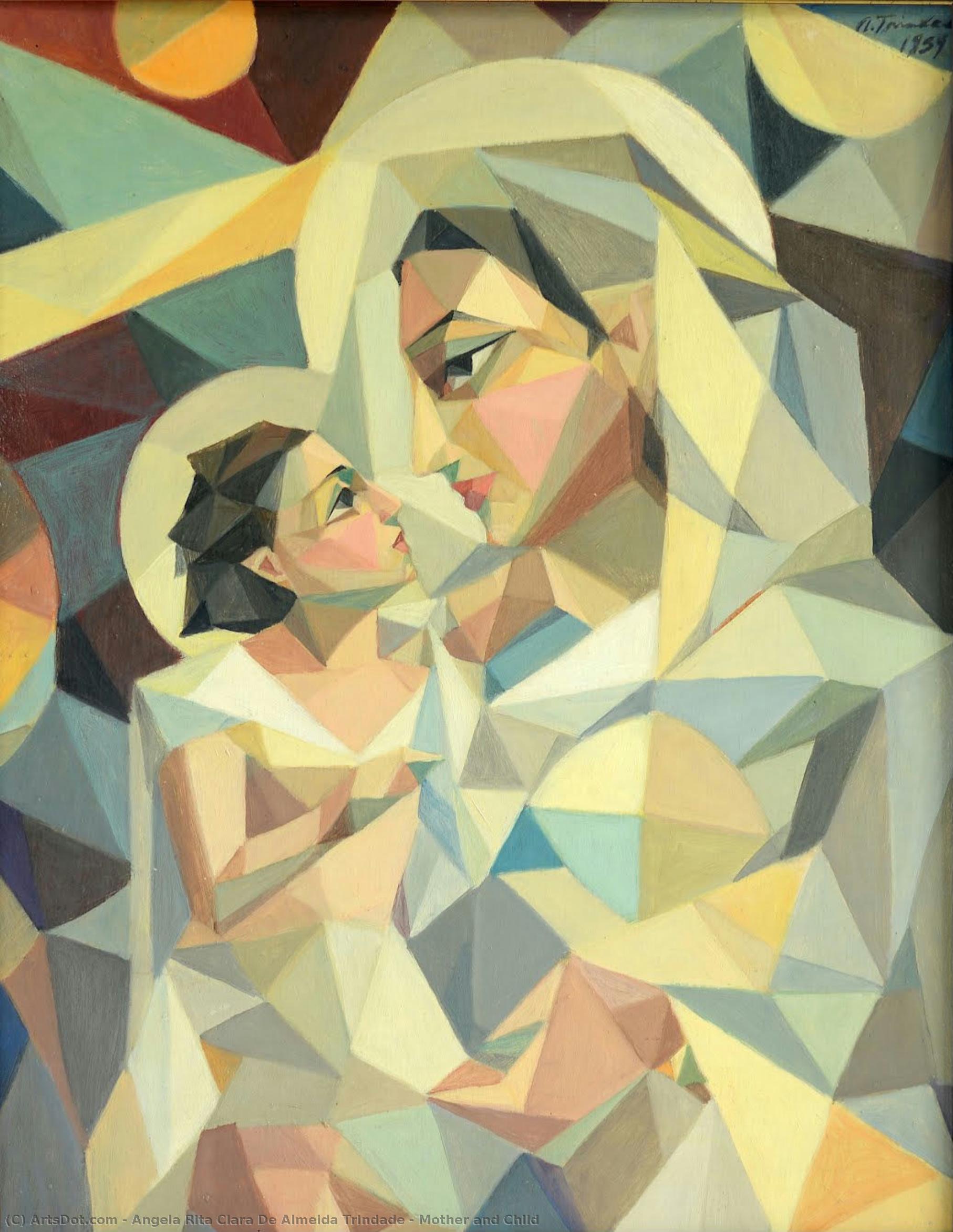
Mother and Child
 Oil On Canvas
- WallArt
- Cubism
 1959
1959- Modern
 76.0 x 63.0 cm
 Museu do Oriente
 詳細を見る
詳細を見る




































作品のオリジナル比率に合わせた、当店の規定サイズからお選びください。

特定のフレームやスペースに合わせて、ご希望のサイズをご入力いただけます。選択されたサイズが元の画像の比率と異なる場合、アートワークをトリミングするか、手描きで要素を追加して絵画を拡張いたします。デジタルモックアップ を制作し、制作開始前にご確認(承認)をいただきます。
画面上のプレビューは、実際のトリミングや拡張を正確に反映しているものではありません。最終的な構図は、モックアップによってのみ正確にご確認いただけます。
カスタムサイズもご利用いただけますが、元の比率を維持するためには、あらかじめ用意されたリストからサイズを選択することをお勧めいたします。
ご注文後、ArtsDot.com チームより詳細な指示をお送りするとともに、仕上がりイメージ(モックアップ)をご提供いたします。


 ガラスオプションは、110cm未満のサイズでのみご利用いただけます。

Mother and Child
複製技法
複製画のサイズ
-


合計金額
$ 288
A Sacred Geometry of Devotion
In the tender embrace of Mother and Child, the viewer is invited into a profound spiritual dialogue that transcends mere religious iconography. Created in 1959 by the pioneering Indian artist Ângela Rita Clara de Almeida Trindade, this masterpiece serves as a breathtaking intersection of Eastern identity and Western modernist technique. The painting depicts a maternal bond through a lens of "Trindadism," a unique stylistic language developed by the artist to harmonize the cultural and spiritual dimensions of her heritage. As one gazes upon the figures, there is an immediate sense of an inculturation process; the characters possess distinct Indian features and skin tones, a deliberate choice by Trindade to bring the essence of Christianity closer to the heart of the Indian people.
The composition is a masterclass in the use of geometric symbolism. Eschewing traditional realism for a more fragmented, Cubist-inspired approach, Trindade utilizes sharp, angular planes and triangular forms to construct the figures. This reliance on the triangle is not merely aesthetic but deeply theological, representing the Holy Trinity and providing a structural rhythm that guides the eye across the canvas. The flattened perspective and tightly cropped composition force an intimate encounter between the mother and child, stripping away worldly distractions to focus entirely on their shared gaze and the weight of their connection.
Technique and the Alchemy of Color
The technical execution of this work reveals a sophisticated command over oil on canvas. Trindade employs a subtle, nuanced palette that breathes life into her geometric abstractions. While the overall impression is one of structured rigidity due to the polygonal shapes, the application of color creates a soft, nurturing atmosphere. Warm tones dominate the piece, evoking the heat and light of her native landscape, yet these are balanced by cooler accents that provide depth and shadow within the fractured planes. The artist layers colors with precision, using variations in shade to suggest volume and form without relying on traditional chiaroscroll techniques.
For the discerning collector or interior designer, this artwork offers a rare opportunity to possess a piece of art history that is both intellectually stimulating and visually soothing. The interplay of light—appearing to descend from the upper left—casts shadows that emphasize the sculptural quality of the figures, making the painting feel as though it possesses its own internal luminosity. It is a work that demands attention through its complexity yet rewards the viewer with a sense of peace.
An Enduring Legacy for Modern Spaces
Beyond its historical significance as a milestone in Indian modernism, Mother and Child possesses an emotional resonance that makes it a timeless addition to any curated collection. It is a piece that speaks to the universal themes of protection, lineage, and the sacredness of life. Whether placed in a contemplative study, a grand gallery, or a contemporary living space, its unique blend of Cubist abstraction and soulful subject matter provides a sophisticated focal point.
Owning a high-quality reproduction of this work allows for the appreciation of Trindade’s revolutionary spirit—a woman who broke barriers as the first female fellow at the Sir J.J. School of Art and redefined how sacred themes could be expressed through a modern, multicultural lens. This painting is not merely an object of beauty; it is a window into a vision where different worlds, faiths, and artistic traditions meet in perfect, geometric harmony.
関連作品

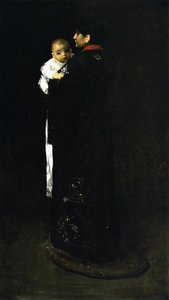
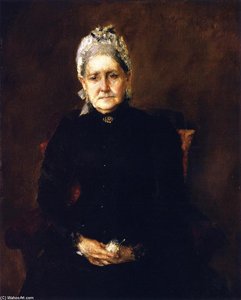
アーティストの略歴
インド美術の先駆者
アンジェラ・リタ・クララ・デ・アルメイダ・トリンダーデは、インドが生んだ先駆的なアーティストであり、西洋的な肖像画とキリスト教的な主題にインド文化の真髄を融合させた作品群によって、美術界に消えることのない足跡を残しました。1909年にボンベイで生まれた彼女は、アントニオ・ザビエル・トリンダーデとフロレンティーナ・ノローニャの娘として育ちました。その芸術的な旅路は、ボンベイの名高いサー・J.J.美術学校から始まり、彼女はその学び舎において、女性として初めてフェローシップを授与されるという快挙を成し遂げたのです。芸術的様式とその貢献
トリンダーデの作品を語る上で欠かせないのが、「トリンダディズム」と称される彼女独自のスタイルです。そこには三角形や三位一体といった象徴的な要素が巧みに組み込まれており、この独創的なアプローチこそが、彼女をインド美術における先駆的な存在たらしめています。キャンバスに描かれた油彩画や繊細な水彩画は、単に卓越した技術を示すだけでなく、西洋とインド、両方の芸術的伝統に対する彼女の深い洞察と理解を映し出しています。代表作とその遺産
トリンダーデの輝かしい業績には、以下のような作品が含まれます:- サー・J.J.美術学校における初の女性フェローシップ授与者としての、彼女の開拓者精神を物語る軌跡。
- インド様式で描かれたキリスト教画、文化的な影響が見事に融合した独自の表現。
- 西洋風の肖像画、多様な芸術様式を自在に操る熟練の技。
ArtsDotでさらに深く探求する
トリンダーデの作品や他の著名なアーティストについてより深く知るには、ArtsDotのアンジェラ・リタ・クララ・デ・アルメイダ・トリンダーデ専用ページをご覧ください。デヴィッド・ブレス、ヒルマ・アフ・クリントをはじめとする膨大なコレクションを通じて、芸術の世界を広げることができます。また、美術史を包括的に俯瞰できるWahoo Art タイムラインの探索もおすすめです。結び
アンジェラ・リタ・クララ・デ・アルメイダ・トリンダーデの驚くべき生涯と芸術への貢献は、今なお私たちにインスピレーションを与え続けています。彼女の遺産は、文化表現の境界を押し広げようとする未来のアーティストたちを導く灯台のような存在です。インドの豊かな芸術的遺産の不可欠な一部として、彼女の作品は美術界における至宝であり続けています。- ArtsDotでトリンダーデの作品を鑑賞する: https://ArtsDot.com/@/angela rita clara de almeida trindade
- Wahoo Art タイムラインを探索する: /en/art/list/
- ArtsDotでインド美術とその歴史についてさらに発見する。
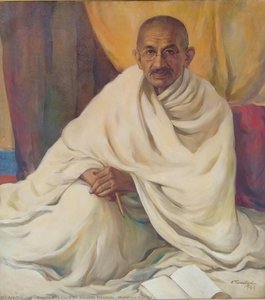
アンジェラ・リタ・クララ・デ・アルメイダ・トリンダーデ
1909 - 1980 , インド
基本情報
- 代表作:
- 母と子
- ヨルダン川での洗礼
- 出生地: インド、ムンバイ
- 国籍: インド人
- 氏名: アンジェラ・リタ・クララ・デ・アルメイダ・トリンダーデ
- 没年月日: 1980年
- 生年月日: 1909年
- 芸術運動または様式: トリンダディズム
関連記事
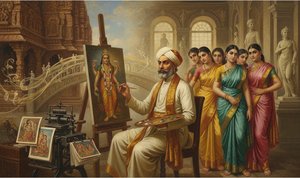
Raja Ravi Varma: Bridging Tradition & Modernity in 19th-Century Indian Art
Explore the life & art of Raja Ravi Varma, a pioneer who fused European techniques with Indian iconography. Discover his iconic paintings, lasting legacy, and influence on modern Indian art at ArtsDot.

幾何学的抽象絵画を定義した傑作10選|アート、アーティスト、インテリア装飾
モンドリアン、マレーヴィチ…幾何学的抽象絵画を代表する傑作10選。各作品の背景や色彩構成、アーティストの情熱に迫ります。美術館品質の複製画はArtsDot.comで。オンラインでアートコレクションをご覧ください。
Beyond Form & Color: Geometric Abstraction's Evolution in 20th/21st Century Art
Explore the evolution of geometric abstraction from Cubism to contemporary art. Discover key artists like Malevich & Mondrian, investment insights, and expert collecting advice at ArtsDot.
Geometric Design in Art: A Historical Survey & Contemporary Appeal for Collectors
Explore the enduring legacy of geometric abstraction! Discover key artists, historical movements & investment insights for discerning art collectors. Expert guidance from ArtsDot.
Beyond Form & Color: Geometric Abstraction's Enduring Legacy in Art History
Explore the captivating world of geometric abstraction! Discover its origins, key artists like Malevich & Mondrian, and why this movement remains highly valued by art collectors today. Expert insights at ArtsDot.

