 プレビュー
プレビュー
 プリントを購入
 シェアする
シェアする シェアする
シェアする
 詳細を見る
詳細を見る

 ダウンロード
 似ている作品
 X線調査
X線調査 スライドショー
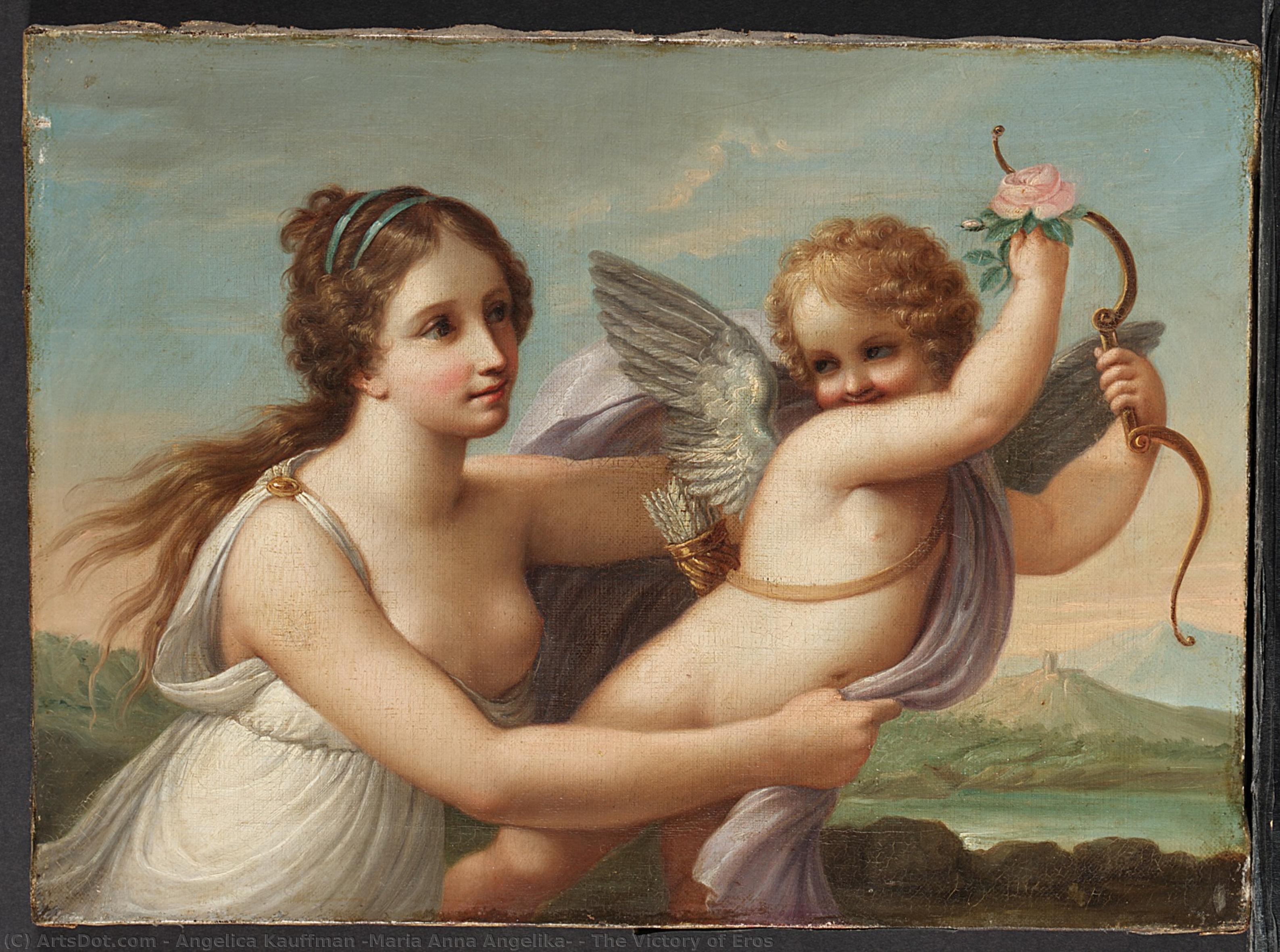
エロスの勝利
 キャンバスにアクリル絵具
- ウォールアート
- Neoclassical Style
 1750
1750 48.0 x 60.0 cm
 メトロポリタン美術館
 詳細を見る
詳細を見る




P118B $10

P118H $10

P118W $10

P438Z $10

P508JH $12

P508YH $12

P805H $10

P805Z $10

P919BZ $10

P919G $10

P919XJ $10

P959ZH $10

P968JZ $12

W106C $8

W218G $10

W218JH $8

W218Y $10

W307PJ $10

W316G $10

W316PJ $8

W316Y $10

W398PJ $8

W4111J $10

W500HY $15

W500JH $15

W692G $12

W849H $8

W940BG $15

W953PJ $8




作品のオリジナル比率に合わせた、当店の規定サイズからお選びください。

特定のフレームやスペースに合わせて、ご希望のサイズをご入力いただけます。選択されたサイズが元の画像の比率と異なる場合、アートワークをトリミングするか、手描きで要素を追加して絵画を拡張いたします。デジタルモックアップ を制作し、制作開始前にご確認(承認)をいただきます。
画面上のプレビューは、実際のトリミングや拡張を正確に反映しているものではありません。最終的な構図は、モックアップによってのみ正確にご確認いただけます。
カスタムサイズもご利用いただけますが、元の比率を維持するためには、あらかじめ用意されたリストからサイズを選択することをお勧めいたします。
ご注文後、ArtsDot.com チームより詳細な指示をお送りするとともに、仕上がりイメージ(モックアップ)をご提供いたします。


 ガラスオプションは、110cm未満のサイズでのみご利用いただけます。

エロスの勝利
複製技法
複製画のサイズ
-


合計金額
$ 263
アンジェリカ・カウフマンの「愛の勝利」について
イタリアで活躍したアンジェリカ・カウフマンは、ネオクラスシズムの代表的な画家の一人として知られています。彼女の作品は洗練された美しさとともに、当時の社会情勢や哲学思想を反映しており、見る人に深い感動を与えます。「愛の勝利」はまさにその特徴を備えた傑作です。この絵画は、ギリシャ神話のエロスと女性が描かれたもので、エロスは弓矢を持ちながら女性によって支えられています。女性は女神またはニンフのような姿をしており、天使を抱きしめ、エロスと共に弓矢を持っています。この場面は愛と純粋さを象徴しており、天使は無垢さの代表であり、女性は保護と慈愛を表しています。絵画にはいくつかの要素が組み込まれており、それぞれ独自の意味を持っています。背景には二羽の鳥が描かれ、左側と右側に配置されています。これらの鳥はエロスと女性を守護する役割を担っていると考えられています。空は絵画の背景となり、奥行きと立体感を効果的に表現しています。また、絵画の下部に植物が配置されており、自然の要素を取り入れています。この植物は生命力と成長を表しており、絵画全体の調和に貢献しています。 カウフマンの絵画技法は非常に特徴的です。彼女は油彩技法を用い、細密な描写と豊かな色彩表現を実現しました。特にエロスと女性の衣装の色使いは印象的で、エロスのドレスは白い色を基調とし、女性のドレスは豪華な金色の装飾が施されています。これらの色は愛と富を表しており、絵画全体の雰囲気を高めています。カウフマンは古典的な主題を取り上げながらも、当時の社会における女性の役割や地位を意識していました。「愛の勝利」は単なる美しい絵画作品ではありません。それはギリシャ神話のエロスという象徴的な存在を通して、愛と美しさの価値を伝えようとしているのです。カウフマンの作品は、その芸術性と歴史的意義から今なお多くの人々を魅了し続けています。この絵画が持つ感動は見る人に深い共感と感動を与え、美術愛好家やコレクターだけでなく、インテリアデザイナーにもインスピレーションを与えるでしょう。 さらに、「愛の勝利」の背景にある歴史的な情景について掘り下げてみましょう。カウフマンが生涯を過ごしたロンドンとローマは、当時のヨーロッパ社会において芸術文化の中心地でした。彼女は王室や貴族との関係を持ちながら、多くの作品を発表し、ネオクラスシズムという美術様式を確立しました。「愛の勝利」はカウフマンが追求した理想的な美しさを表現しており、その時代背景を知ることで絵画の価値がより一層深まります。この絵画は単なる芸術作品としてだけでなく、歴史と文化が融合した貴重な遺産なのです。カウフマンの「愛の勝利」は美術史における重要な一ページであり、その美しい色彩と繊細な描写は見る人に感動と驚きを与え続けるでしょう。関連作品
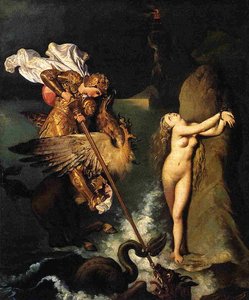
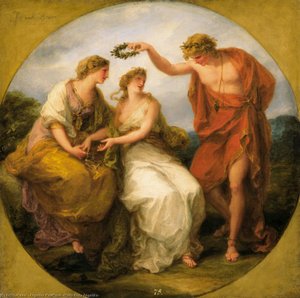
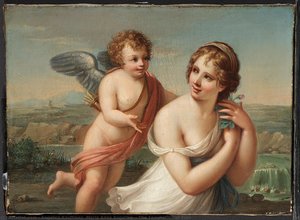
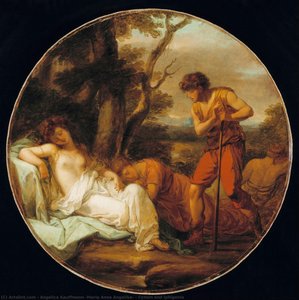
アーティストの略歴
A Luminary of the Enlightenment: The Life and Art of Angelica Kauffman
Angelica Kauffman, born Maria Anna Angelika in Chur, Switzerland on October 30, 1741, was a prodigious talent who rose to become one of the most celebrated artists of her time. Her journey defied societal expectations for women in the 18th century, establishing her as a respected figure within the male-dominated art world and a key player in the Neoclassical movement. Kauffman’s father, Johann Georg Kauffmann, was a modest but skilled itinerant painter who recognized his daughter's exceptional abilities early on. He provided her with initial training, fostering a passion that would quickly outstrip his own expertise. By the age of thirteen, Angelica was already receiving commissions for portraits and religious paintings, demonstrating an astonishing level of skill and maturity. Her early work reveals influences from Rococo painters like François Boucher, characterized by delicate brushwork, pastel palettes, and charming depictions of mythological scenes. However, her ambition extended beyond mere imitation; she sought a more rigorous academic foundation, traveling extensively throughout Italy to study the Old Masters – Raphael, Titian, and Correggio – absorbing their techniques and compositional principles. This period proved pivotal in shaping her distinctive style, moving away from the frivolousness of Rococo towards a greater emphasis on historical accuracy, classical form, and emotional depth.Rome, Royal Patronage, and the Birth of Neoclassicism
In 1754, Kauffman arrived in Rome, a city teeming with artistic energy and intellectual ferment. She quickly integrated into the vibrant community of artists, becoming acquainted with prominent figures like Johann Joachim Winckelmann, whose writings on classical art profoundly influenced her aesthetic sensibilities. Rome became her base for over fifteen years, during which she established an international reputation attracting commissions from nobility across Europe. Her talent caught the attention of Lady Wentworth, a wealthy English aristocrat who became her devoted patron and friend. Through Lady Wentworth’s connections, Kauffman gained access to influential circles in England, receiving prestigious commissions including portraits of prominent figures like Sir Joshua Reynolds and David Garrick. However, it was her historical paintings that truly distinguished her. Works such as *Hector Taking Leave of Andromache* (1758) showcased her mastery of dramatic composition, elegant figure painting, and a growing interest in classical themes – hallmarks of the emerging Neoclassical style. In 1763, she became one of only two female founding members of the Royal Academy of Arts in London, a testament to her exceptional skill and standing within the art world. This achievement was groundbreaking, challenging prevailing prejudices against women artists and paving the way for future generations. Her time in England, though successful, proved somewhat fraught with professional rivalry; some male artists resented her popularity and perceived her success as a threat.A Return to Italy and Continued Innovation
In 1766, Kauffman returned to Rome, where she continued to flourish as a sought-after artist. She married Antonio Zucchi, a Venetian painter who shared her passion for classical art and became a collaborative partner. This period saw a further refinement of her Neoclassical style, characterized by balanced compositions, clear narratives, and an emphasis on moral virtue. Her portraits from this era are particularly noteworthy, capturing not only the physical likenesses of her sitters but also their inner character and social standing. She skillfully blended portraiture with allegorical elements, imbuing her works with layers of meaning and symbolism. Kauffman’s studio became a hub for artists and intellectuals, attracting visitors from across Europe eager to witness her talent firsthand. She received commissions from prominent patrons including Pope Clement XIV and Catherine the Great, solidifying her reputation as one of the leading artists of the age. Her work for Catherine the Great included designing a series of paintings for the Hermitage Museum, showcasing scenes from classical literature and mythology. She also explored new mediums, creating designs for tapestries, furniture, and decorative arts, demonstrating her versatility and artistic range.Legacy and Historical Significance
Angelica Kauffman died in Rome on November 5, 1807, leaving behind a vast body of work that continues to captivate audiences today. Her influence extended beyond her own paintings; she played a crucial role in popularizing Neoclassical art and challenging conventional notions about the role of women in society. She proved that women could achieve artistic excellence on par with their male counterparts, inspiring generations of female artists to pursue their passions despite societal obstacles. Her success within the Royal Academy, though not without its challenges, opened doors for other women seeking recognition and professional opportunities. Kauffman’s paintings are characterized by a unique blend of elegance, intelligence, and emotional depth. She skillfully combined classical form with Rococo charm, creating works that were both visually appealing and intellectually stimulating. Her portraits offer valuable insights into the social and cultural life of 18th-century Europe, capturing the personalities and aspirations of her sitters. Her historical paintings are particularly significant for their emphasis on moral virtue and classical themes, reflecting the Enlightenment ideals of reason, order, and civic responsibility. Today, Kauffman is recognized as a pivotal figure in the history of art, a luminary whose talent and determination helped to shape the aesthetic landscape of the 18th century and beyond.Key Achievements & Artistic Style
- Founding Member of the Royal Academy of Arts (1763): A landmark achievement for women in art.
- International Reputation: Commissions from nobility across Europe, including England, Italy, and Russia.
- Mastery of Historical Painting: Dramatic compositions, elegant figure painting, and classical themes.
- Versatility as an Artist: Exploration of various mediums including portraiture, tapestry design, and decorative arts.
- Neoclassical Style: Balanced compositions, clear narratives, emphasis on moral virtue, and a refined aesthetic sensibility.
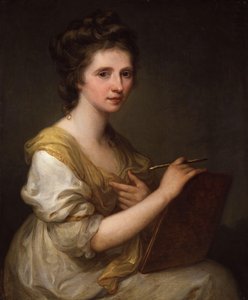
基本情報
- Artistic Movement Or Style: Neoclassicism
- Artists Or Movements Influenced By This Artist:
- Neoclassical portraiture
- Female artists
- Artists Who Influenced This Artist:
- Correggio
- Raphael
- Mengs
- Date Of Birth: 1741
- Date Of Death: 1807
- Full Name: Angelica Kauffman
- Nationality: Swiss
- Notable Artworks:
- Portrait of Lady Sarah Bunbury Sacconi
- Venus at the Toilet of Love
- The Departure of Telemachus for Pylos
- Place Of Birth: Chur, Switzerland
関連記事
Angelica Kauffmann: Neoclassical Visionary & Shaping Artistic Identity
Explore the life & art of Angelica Kauffmann, a pioneering Neoclassical painter. Discover her influence on the Royal Academy, portraiture techniques, and legacy as a champion for women artists in 18th-century Europe.
The Enduring Motif of Love in Art History: A Cross-Cultural Exploration of Representation and Emotion
Explore the rich history of love in art! Discover iconic masterpieces, artistic techniques & cultural symbolism from antiquity to modern times. Expert analysis for collectors.
Antonio Zucchi: A Venetian Master of Rococo & Neoclassical Charm
Explore the captivating world of Antonio Zucchi, a Venetian master of Rococo and Neoclassical art. Discover his collaborations with Robert Adam & Angelica Kauffmann, stunning frescoes, and enduring legacy. Learn about collecting Zucchi's works today.
Romantic Masterpieces: 10 Artworks to Stir Your Soul |
Fall in love with art! Explore 10 iconic romantic paintings – from Renaissance classics to Impressionist masterpieces. Discover the stories behind artists like Monet & Klimt, and find museum-quality reproductions for your home at .
Eternal Love: Top 10 Wedding Art Gifts & Their Meaning |
Find the perfect wedding gift! Explore 10 meaningful art gifts – from Monet to Klimt – symbolizing love & lasting commitment. Discover museum-quality reproductions and curated decor ideas at .