

 プリントを購入
 シェアする
シェアする シェアする
シェアする
 詳細を見る
詳細を見る

 ダウンロード
 似ている作品
 スライドショー
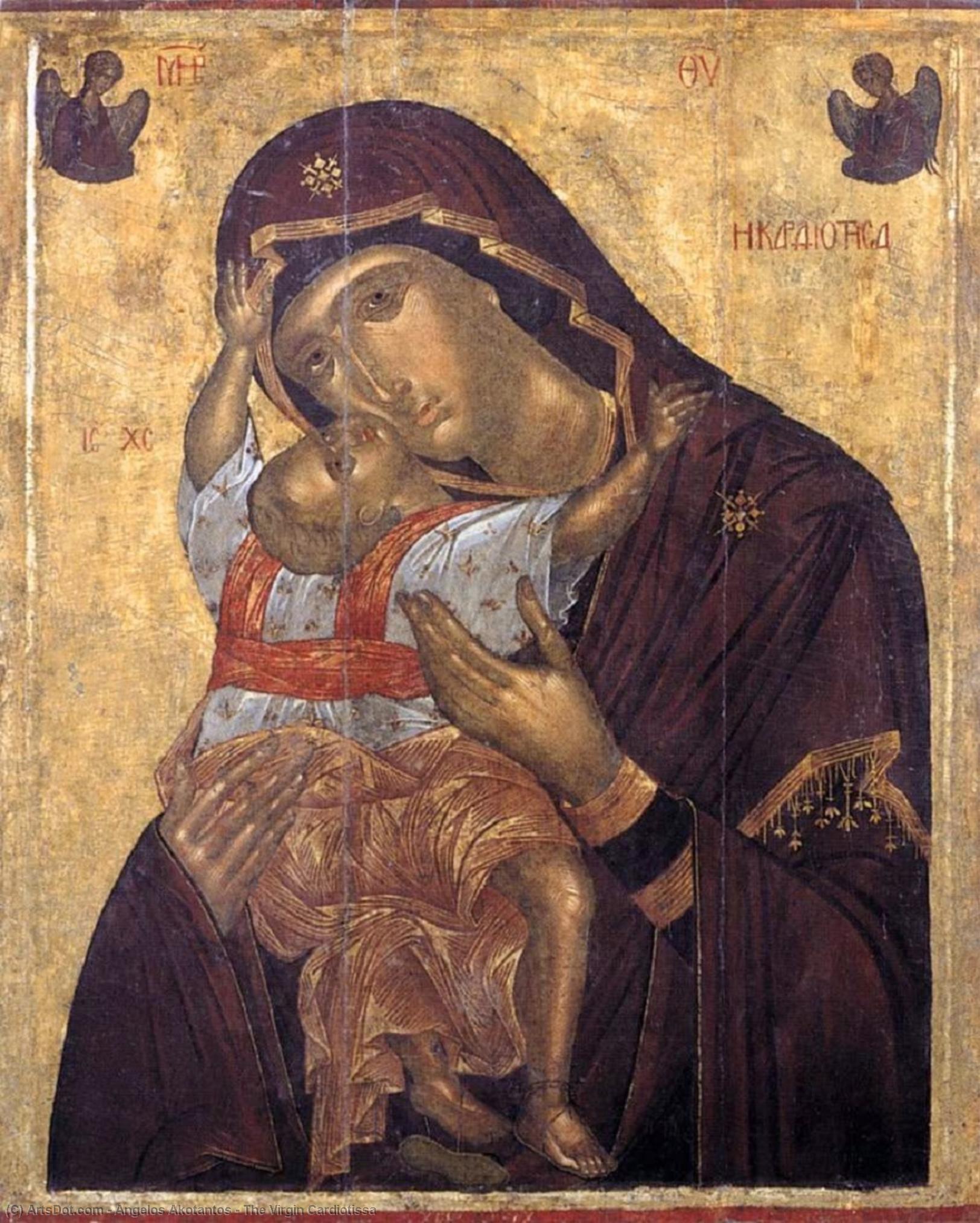
The Virgin Cardiotissa
 Gold Leaf
- Sculpture
- Crete Byzantine School
 1400
1400 121.0 x 96.0 cm
 ビザンティン・キリスト教美術館
 詳細を見る
詳細を見る




































作品のオリジナル比率に合わせた、当店の規定サイズからお選びください。

特定のフレームやスペースに合わせて、ご希望のサイズをご入力いただけます。選択されたサイズが元の画像の比率と異なる場合、アートワークをトリミングするか、手描きで要素を追加して絵画を拡張いたします。デジタルモックアップ を制作し、制作開始前にご確認(承認)をいただきます。
画面上のプレビューは、実際のトリミングや拡張を正確に反映しているものではありません。最終的な構図は、モックアップによってのみ正確にご確認いただけます。
カスタムサイズもご利用いただけますが、元の比率を維持するためには、あらかじめ用意されたリストからサイズを選択することをお勧めいたします。
ご注文後、ArtsDot.com チームより詳細な指示をお送りするとともに、仕上がりイメージ(モックアップ)をご提供いたします。


 ガラスオプションは、110cm未満のサイズでのみご利用いただけます。

The Virgin Cardiotissa
複製技法
複製画のサイズ
-


合計金額
$ 263
作品解説
A Pioneer of Cretan Icon Painting: Angelos Akotantos and “The Virgin Cardiotissa”
Angelos Akotantos (1390-1450) stands as a pivotal figure in the artistic landscape of Crete during its turbulent transition from Byzantine dominion to Venetian rule. His legacy resides primarily in his mastery of hagiography – the art of depicting saints and religious figures – specifically Cretan icon painting, establishing it as a distinct school that would endure for centuries.
Born in Crete around 1390, Akotantos’s life unfolded amidst the uncertainties of a crumbling empire. He honed his craft in Heraklion (Candia), a city strategically positioned under Venetian influence, fostering an environment where artistic innovation thrived alongside established traditions. Information about his personal life is scarce, gleaned largely from his will dated 1436, meticulously preserved in the State Archives of Venice – a testament to his enduring reputation within scholarly circles.
Stylistic Fusion: Byzantine Roots and Venetian Echoes
Akotantos’s artistic style represents an extraordinary convergence of Byzantine techniques with emerging Venetian influences. This unique blend reflects Crete's position as a crossroads of cultures during the fifteenth century, where artistic sensibilities intersected across geographical boundaries. He achieved renown for his meticulous attention to detail, utilizing vibrant hues—particularly gold leaf—to imbue his canvases with luminosity and grandeur.
Unlike many contemporary artists who sought refuge in Constantinople after its fall in 1453, Akotantos remained on Crete, bolstering the island’s burgeoning artistic community. The Venetian archives provide invaluable insight into his life and work, documenting his prolific output of icons – approximately fifteen extant examples bear his signature “cheir Angelou” (“by the hand of Angelos”), signifying both authorship and a commitment to upholding Byzantine artistic standards.
“The Virgin Cardiotissa”: Symbolism and Artistic Innovation
“The Virgin Cardiotissa,” painted around 1400, exemplifies Akotantos’s distinctive approach. The image depicts the Virgin Mary cradling her infant Jesus, a motif deeply rooted in Byzantine iconography symbolizing compassion and divine mercy—the “Heart of God.” Intricate drapery folds and subtle shading contribute to a palpable sense of serenity, while the generous application of gold leaf elevates the composition, reflecting Venetian artistic sensibilities.
Beyond the central figures, Akotantos incorporates secondary characters – two attendants positioned at the upper left corner and another figure on the right—adding depth and narrative complexity. A bird perched atop the Virgin’s robe serves as a visual emblem of hope and spiritual ascension. These elements coalesce into a harmonious artistic whole, demonstrating Akotantos's mastery of composition and his ability to convey profound religious emotion.
The painting’s enduring appeal lies not only in its technical brilliance but also in its embodiment of Cretan artistic identity during a period of significant cultural transformation. “The Virgin Cardiotissa” stands as a cornerstone of the Cretan School, securing Akotantos's place among the most influential icon painters of his era and ensuring that his masterpiece continues to inspire admiration for generations to come.
関連作品
アーティストの略歴
Angelos Akotantos: A Pioneer of Cretan Icon Painting
Life and Origins
- Born in Crete, Greece around 1390, Angelos Akotantos emerged as a significant figure during a period of transition for Byzantine art.
- He lived and worked primarily in Heraklion (then known as Candia), which was under the rule of the Republic of Venice at the time.
- Information about his life is largely derived from his will, dated 1436, preserved in the State Archives of Venice.
- He died around 1450, leaving behind a legacy that would shape the future of Cretan painting.
Artistic Development and Style
- Akotantos was a highly skilled hagiographer – an icon painter specializing in religious imagery.
- His style represents a fascinating blend of traditional Byzantine techniques with emerging Venetian influences, reflecting Crete’s unique cultural position.
- He is renowned for his meticulous attention to detail, vibrant use of color (particularly gold), and expressive figures.
- A defining characteristic of his work is the practice of signing his icons with the phrase “χειρ αγγέλου” (“by hand of Angelos”), a groundbreaking act for the time.
Major Works and Themes
- Approximately 50 works are attributed to Akotantos, with around 30 being securely signed.
- Common themes in his iconography include depictions of the Virgin Mary (such as *The Virgin Cardiotissa*), saints – notably Saint Phanourios often shown slaying a dragon similar to Saint George – and scenes from the lives of Christ and other biblical figures.
- His icons were highly sought after, supplying churches and monasteries not only in Crete but also on islands like Patmos and Rhodes.
- Examples include *Icon of the Mother of God and Infant Christ*, *St George on Horseback, Slaying The Dragon* and *The Congregation of the Archangels*.
Historical Significance and Influence
- Akotantos is considered a key figure in the transition of Byzantine art from Constantinople to Crete following the city’s fall in 1453.
- He effectively established what became known as the Cretan School of icon painting, which flourished for centuries afterward.
- His innovative approach to signing his work set a precedent for other artists and contributed to a growing sense of artistic individuality.
- He influenced subsequent generations of Cretan painters, including Nikolaos Tzafouris, who further developed the stylistic characteristics established by Akotantos.
- His work represents a vital link between the Byzantine tradition and the evolving artistic landscape of Renaissance Europe.
Legacy
- Angelos Akotantos’s icons continue to be revered for their beauty, spiritual depth, and historical importance.
- His contributions helped preserve Byzantine artistic traditions during a period of significant upheaval.
- He remains a celebrated figure in Greek art history, embodying the creative spirit of Venetian Crete.
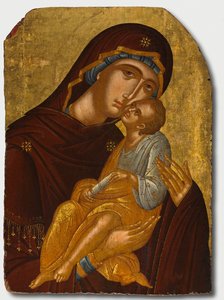
Angelos Akotantos
1390 - 1450 , Greece
基本情報
- Birth Date: 1390
- Birth Place: Crete, Greece
- Death Date: 1450
- Movement: Byzantine-Cretan School
- Name: Angelos Akotantos
- Nationality: Greek
- Notable Works:
- Icon of the Mother of God and Infant Christ
- St George on Horseback, Slaying The Dragon
- The Virgin Cardiotissa
- The Congregation of the Archangels
- Saint Anne With The Virgin
関連記事
ジョット・ディ・ボンドーネ:至高の25選 - ルネサンスの夜明けを彩る傑作たち | ArtsDot
ジョット・ディ・ボンドーネの至高の25選。ルネサンス美術を牽引した巨匠の傑作と、その感動的な物語を紐解きます。高品質な絵画複製やインテリアアートで、名画の世界をあなたの空間に。ArtsDot.com でコレクションをご覧ください。
エル・グレコの傑作25選:魂を揺さぶる宗教画と芸術の深淵 | ArtsDot
エル・グレコの傑作25選:魂を揺さぶる宗教画の世界へ。スペイン絵画の巨匠、マニエリスム様式と Toledo の光彩を紐解きます。ArtsDot.com で名画のアートプリントや複製画をお楽しみください。コレクションはこちら →
ミュンヘン・アルテ・ピナコテークの至宝25選:名画と芸術の物語 | ArtsDot
ミュンヘン・アルテ・ピナコテークの至宝25選。ドゥーラー、ラファエロ、レンブラントの名画を紐解き、ルネサンス美術とバロック美術の輝きをご堪能ください。ArtsDotで高品質なアートプリントや複製画を見つけ、お部屋に芸術の彩りを。今すぐコレクションをご覧ください。
ナショナル・ギャラリーの至宝25選:名画が語る芸術と歴史 | ArtsDot
ワシントン美術館の至宝25選。セザンヌ、マティス、ピカソ…名画に秘められた物語と色彩を紐解きます。ArtsDotで高品質な絵画複製やインテリアアートを見つけ、お部屋に芸術の輝きを。今すぐコレクションをご覧ください!

プラド美術館の至宝25選:名画が語るスペイン美術史 | ArtsDot
プラド美術館の至宝25選🎨 ベルラスケス、ゴヤの名画を紐解き、スペイン美術史を旅する。油絵、バロック、印象派…ArtsDotで高品質な複製画とインテリアアートを見つけよう。名画の世界をあなたの空間に✨ Explore the full collection online!

