

 プレビュー
プレビュー
 プリントを購入
 シェアする
シェアする シェアする
シェアする
 詳細を見る
詳細を見る

 ダウンロード
 似ている作品
 X線調査
X線調査 スライドショー
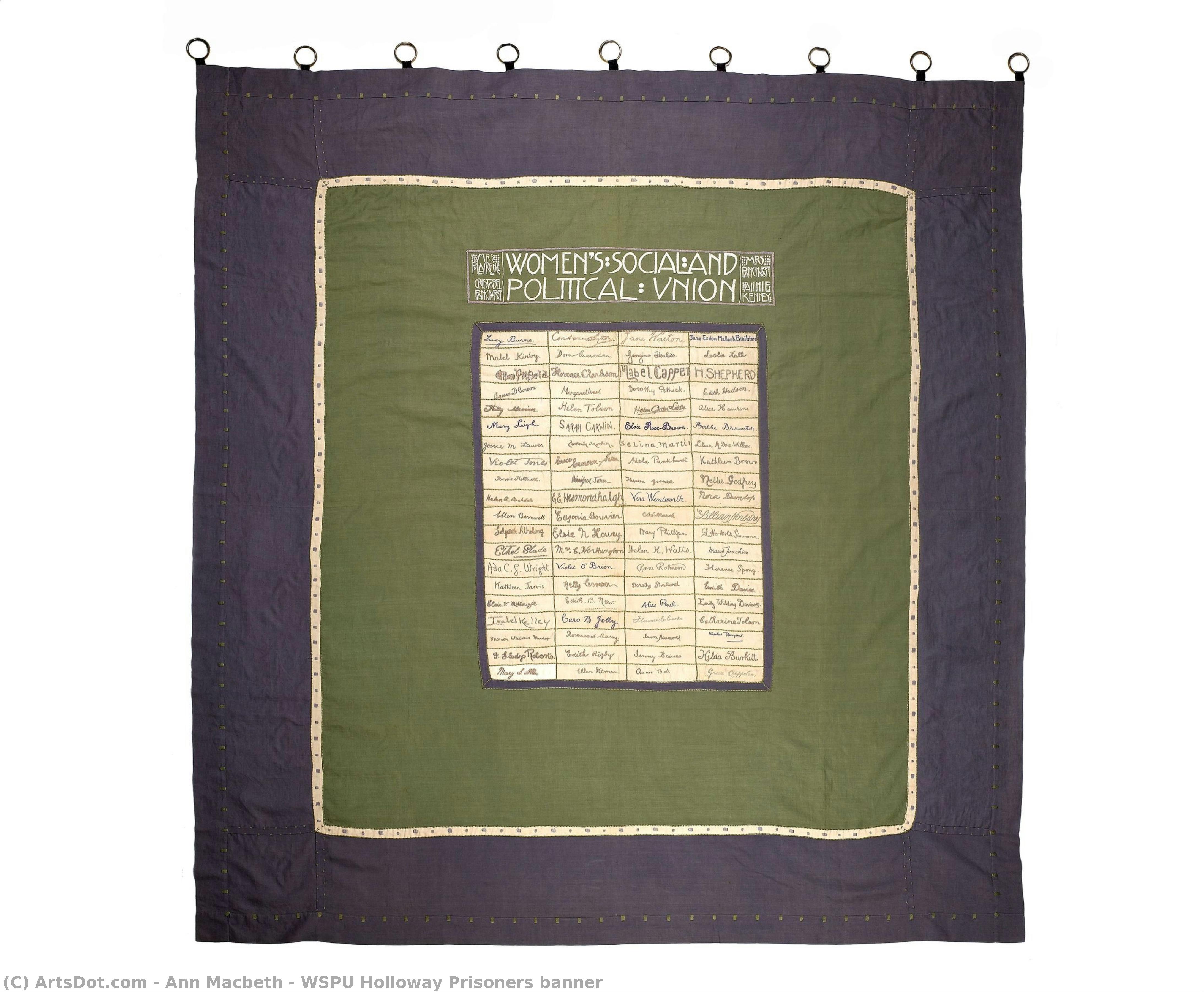
WSPU Holloway Prisoners banner


 詳細を見る
詳細を見る




P118B $10

P118H $10

P118W $10

P438Z $10

P508JH $12

P508YH $12

P805H $10

P805Z $10

P919BZ $10

P919G $10

P919XJ $10

P959ZH $10

P968JZ $12

W106C $8

W218G $10

W218JH $8

W218Y $10

W307PJ $10

W316G $10

W316PJ $8

W316Y $10

W398PJ $8

W4111J $10

W500HY $15

W500JH $15

W692G $12

W849H $8

W940BG $15

W953PJ $8




作品のオリジナル比率に合わせた、当店の規定サイズからお選びください。

特定のフレームやスペースに合わせて、ご希望のサイズをご入力いただけます。選択されたサイズが元の画像の比率と異なる場合、アートワークをトリミングするか、手描きで要素を追加して絵画を拡張いたします。デジタルモックアップ を制作し、制作開始前にご確認(承認)をいただきます。
画面上のプレビューは、実際のトリミングや拡張を正確に反映しているものではありません。最終的な構図は、モックアップによってのみ正確にご確認いただけます。
カスタムサイズもご利用いただけますが、元の比率を維持するためには、あらかじめ用意されたリストからサイズを選択することをお勧めいたします。
ご注文後、ArtsDot.com チームより詳細な指示をお送りするとともに、仕上がりイメージ(モックアップ)をご提供いたします。


 ガラスオプションは、110cm未満のサイズでのみご利用いただけます。

WSPU Holloway Prisoners banner
複製技法
複製画のサイズ
-


合計金額
$ 263
The WSPU Holloway Banner: A Stitch in Time – Ann Macbeth’s Embroidered Testament
The WSPU Holloway Banner stands as a poignant emblem of the British suffragette movement's unwavering determination during its formative years. Created by Scottish artist Ann Macbeth in 1910, this remarkable textile artwork transcends mere decoration; it embodies the spirit of resistance and solidarity that characterized the struggle for women’s voting rights.
Macbeth’s artistic vision was deeply rooted in her involvement with the suffragette cause. Recognizing the power of visual advocacy, she skillfully employed her embroidery skills to craft a banner brimming with symbolic imagery—a deliberate act of defiance against societal constraints and a heartfelt expression of hope for emancipation. The banner's creation coincided with a period of intense activism, marked by hunger strikes and public demonstrations aimed at compelling Parliament to acknowledge women’s demands.
- Composition: The banner comprises eighty rectangular pieces of linen meticulously sewn together, forming a cohesive whole bordered by panels of vibrant green and purple. This careful construction reflects the meticulousness inherent in Victorian craft traditions.
- Embroidery Technique: Each linen piece is adorned with intricate embroidery using purple cotton thread. The signatures of eighty suffragette hunger strikers—women who bravely endured imprisonment for their convictions—are painstakingly stitched onto the fabric, creating a powerful visual record of the movement’s sacrifices.
- Stylistic Influence: Macbeth's design draws inspiration from Art Nouveau principles, evident in the flowing lines and organic motifs that dominate the banner’s aesthetic. This stylistic choice aligns with the broader artistic currents of the era, reflecting a fascination with natural forms and decorative elegance.
The banner’s significance extends beyond its artistic merit; it serves as a tangible reminder of the courage and resilience displayed by women advocating for equality. Its presence at the ‘From Prison to Citizenship’ procession in June 1910 underscored the collective commitment to achieving suffrage—a pivotal moment in British history.
Today, reproductions of this banner offer an opportunity to appreciate Macbeth's artistic legacy and connect with a formative chapter in feminist activism. Its enduring appeal lies not only in its exquisite craftsmanship but also in its profound symbolic representation of perseverance and the unwavering pursuit of justice—a testament to Ann Macbeth’s contribution to both art history and the fight for women’s rights.
Provenance: Originally donated by Ann Macbeth to a WSPU bazaar held at St Andrew Hall, Charing Cross, Glasgow in April 1910. Subsequently purchased by Emmeline Pethick-Lawrence.関連作品
アーティストの略歴
The Weaver of Glasgow’s Artistic Vision
Born on September 25th, 1875, in the Bolton suburb of Halliwell, Ann Macbeth emerged as a luminous figure within the transformative landscape of the early twentieth century. Her life and artistry were inextricably linked to the Glasgow Movement, a period of profound aesthetic reimagining that sought to break free from the heavy constraints of Victorian tradition. As a student at the Glasgow School of Art, she moved within an elite circle of visionaries, forging deep professional and creative bonds with luminaries such as Charles Rennie Mackintosh and Margaret Macdonald. These connections were more than mere associations; they were part of a shared mission to infuse everyday objects and textiles with the organic elegance of the Art Nouveau movement, elevating craft to the status of high art.
Macbeth’s creative spirit was never confined to the studio; it was deeply entwared with the social upheavals of her era. A fervent participant in the suffragette movement, she recognized that the needle and thread could serve as potent instruments of political advocacy. Her work for the Women's Social and Political Union (WSPU) stands as a breathtaking intersection of artistry and activism. One of her most poignant achievements is the WSPU Holloway Prisoners banner, created in 1910. This masterpiece is not merely a textile; it is a historical testament composed of eighty rectangular pieces of linen, meticulously stitched together to form a cohesive symbol of resistance. The banner features vibrant green and purple borders—the signature colors of the movement—and bears the painstakingly embroidered signatures of eighty hunger strikers who endured imprisonment for their cause. Through this work, Macbeth transformed embroidery into a visual language of solidarity and defiance.
Artistry, Technique, and Legacy
The technical mastery of Ann Macbeth lay in her ability to harmonize intricate detail with the flowing, rhythmic lines characteristic of Art Nouveau. Her designs often drew inspiration from the natural world and the exquisite collections of the Victoria & Albert Museum, translating organic motifs into sophisticated patterns for embroidery and textile design. Her approach was marked by a meticulous attention to color palettes and a profound respect for the inherent qualities of her materials. Whether working with fine cotton threads or heavy linens, she possessed an innate ability to imbue her surfaces with movement and life.
Beyond her physical creations, Macbeth’s influence extended through her role as a dedicated teacher and author. She championed the importance of craftsmanship, ensuring that the principles of the Arts and Crafts movement—the dignity of labor and the beauty of handmade objects—would be passed down to future generations of designers. Her legacy is defined by several key contributions:
- Elevation of Textile Arts: She played a crucial role in transitioning embroidery from a domestic pastime to an expressive, fine-art medium.
- Visual Advocacy: Her ability to merge political messaging with high-level design provided the suffragette movement with iconic, enduring imagery.
- The Glasgow School Identity: As a prominent member of the "Glasgow Girls," she helped define the unique aesthetic of the Glasgow Movement through her integration of organic forms and decorative elegance.
Today, Ann Macbeth is remembered not just as a designer, but as a weaver of history. Her work remains a vital bridge between the decorative arts and social progress, reminding us that true art often emerges from the most profound human struggles for justice and identity.
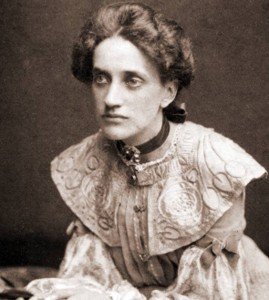
Ann Macbeth
1875 - 1948 , United Kingdom
基本情報
- Artistic Movement Or Style: Glasgow Movement & Art Nouveau
- Artists Or Movements Influenced By This Artist: ['Art Nouveau']
- Artists Who Influenced This Artist:
- Charles Rennie Mackintosh
- Margaret Macdonald
- Date Of Birth: September 25, 1875
- Date Of Death: March 23, 1948
- Full Name: Annie Macbeth
- Nationality: British
- Notable Artworks: ['WSPU Holloway Prisoners banner']
- Place Of Birth: Bolton, United Kingdom
関連記事
アール・ヌーヴォーを彩る至宝:10の傑作が語る芸術と装飾の世界
アール・ヌーヴォーの魅力を再発見!ムンロ、ドレ、ガウディ…10の傑作が織りなす曲線美の世界。芸術と装飾が融合した至高のアートをArtsDotで堪能し、お部屋に新たな彩りを。コレクションをオンラインで探索しましょう。
The Flowing Line & Flourishing Form: Exploring Art Nouveau's Aesthetic Legacy
Explore the captivating world of Art Nouveau! Discover its origins, key artists like Horta & Mucha, regional styles, innovative techniques, and lasting influence on architecture & design. A comprehensive guide for art enthusiasts.
Alphonse Mucha: A Comprehensive Exploration of Art Nouveau's Master of Decorative Symbolism
Explore the life & art of Alphonse Mucha, master of Art Nouveau! Discover his iconic posters, stunning illustrations, and the monumental Slav Epic. A comprehensive guide for collectors & enthusiasts.
Raphael Kirchner: A Poetic Vision of Belle Époque Society Through Art Nouveau Lithography
Explore the captivating world of Raphael Kirchner, a master of Art Nouveau illustration during the Belle Époque. Discover his iconic 'Kirchner Girls,' pioneering pin-up art & lasting influence.
Edmund Dulac: A Master of Golden Age Illustration – Exploring Myth, Symbolism & Art Nouveau Legacy
Explore the captivating world of Edmund Dulac, a master of Golden Age illustration! Discover his enchanting fairy tales, Art Nouveau style, and lasting influence on art & design. Learn about *The Rubaiyat* and more.

