

 プレビュー
プレビュー
 プリントを購入
 シェアする
シェアする シェアする
シェアする
 詳細を見る
詳細を見る

 ダウンロード
 似ている作品
 X線調査
X線調査 スライドショー
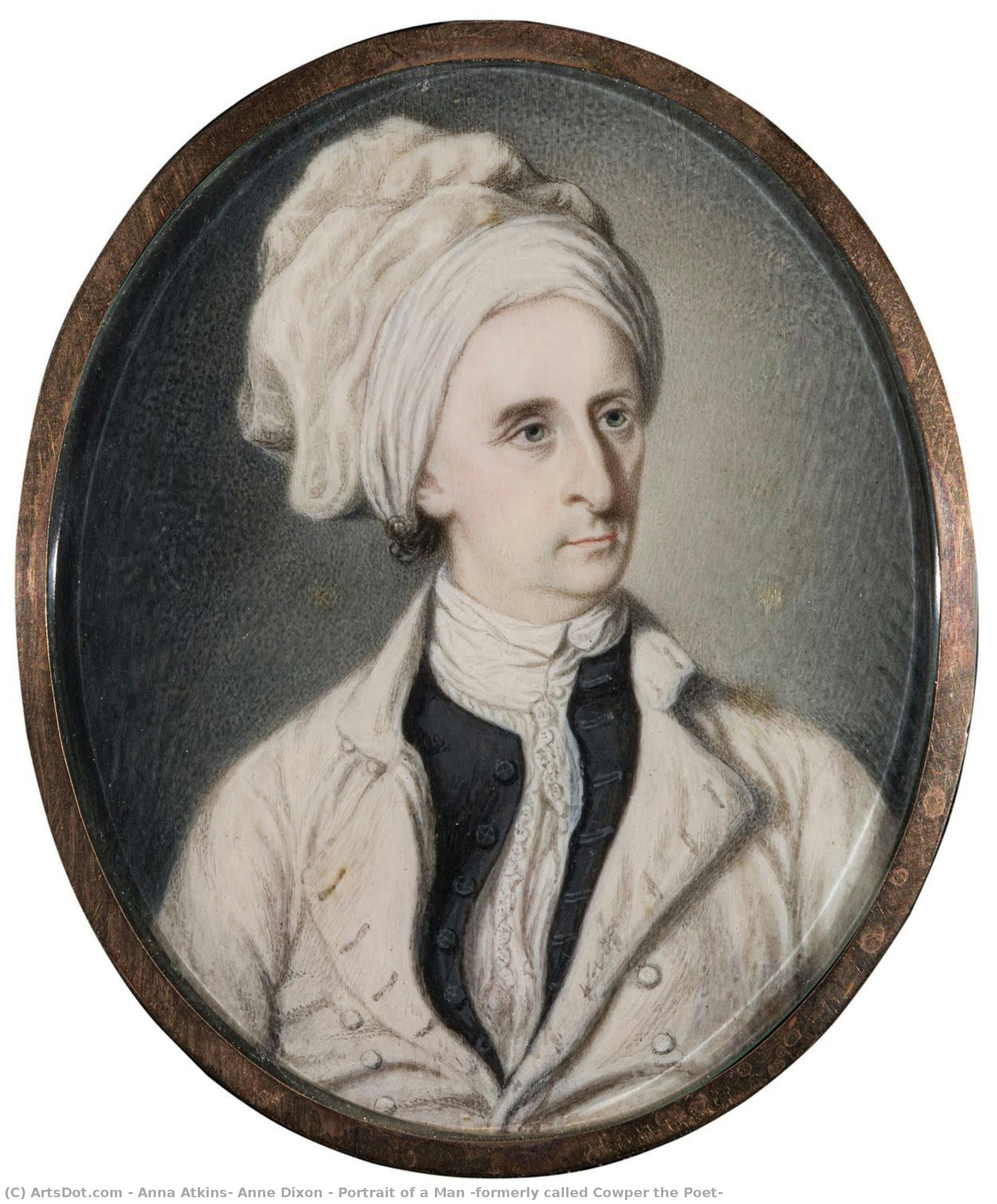
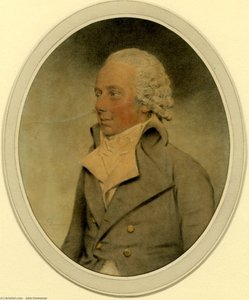
Portrait of a Man (formerly called Cowper the Poet)


 詳細を見る
詳細を見る




P118B $10

P118H $10

P118W $10

P438Z $10

P508JH $12

P508YH $12

P805H $10

P805Z $10

P919BZ $10

P919G $10

P919XJ $10

P959ZH $10

P968JZ $12

W106C $8

W218G $10

W218JH $8

W218Y $10

W307PJ $10

W316G $10

W316PJ $8

W316Y $10

W398PJ $8

W4111J $10

W500HY $15

W500JH $15

W692G $12

W849H $8

W940BG $15

W953PJ $8




作品のオリジナル比率に合わせた、当店の規定サイズからお選びください。

特定のフレームやスペースに合わせて、ご希望のサイズをご入力いただけます。選択されたサイズが元の画像の比率と異なる場合、アートワークをトリミングするか、手描きで要素を追加して絵画を拡張いたします。デジタルモックアップ を制作し、制作開始前にご確認(承認)をいただきます。
画面上のプレビューは、実際のトリミングや拡張を正確に反映しているものではありません。最終的な構図は、モックアップによってのみ正確にご確認いただけます。
カスタムサイズもご利用いただけますが、元の比率を維持するためには、あらかじめ用意されたリストからサイズを選択することをお勧めいたします。
ご注文後、ArtsDot.com チームより詳細な指示をお送りするとともに、仕上がりイメージ(モックアップ)をご提供いたします。


 ガラスオプションは、110cm未満のサイズでのみご利用いただけます。

Portrait of a Man (formerly called Cowper the Poet)
複製技法
複製画のサイズ
-


合計金額
$ 263
Portrait of a Man (formerly called Cowper the Poet) – A Window Into Victorian Mourning
The watercolor portrait by Anna Atkins and Anne Dixon, titled “Portrait of a Man,” transcends mere visual representation; it’s a tangible echo of an era defined by profound grief and meticulous remembrance. Executed in 1760, this artwork embodies the stylistic conventions of its time—a formal elegance rooted in observation and imbued with subtle emotional resonance—making it particularly captivating for discerning collectors and those drawn to historical interiors. The painting’s composition centers on a dignified male figure positioned slightly off-center within an oval frame, prioritizing intimacy and focused contemplation. Delicate lines delineate the contours of his face, beard, and mustache, capturing the nuances of texture and form with remarkable precision. The artist skillfully employs watercolor technique—layering washes of muted tones—to achieve a soft, translucent surface that subtly conveys the solemnity of the subject matter. Backgrounds are deliberately indistinct, directing the viewer’s gaze squarely toward the central figure and reinforcing the portrait's contemplative mood. Color palettes lean heavily on whites, grays, and blacks, punctuated by delicate hints of pink and brown—a restrained palette characteristic of aristocratic portraits intended to convey respectability and understated beauty. The artist’s meticulous attention to detail extends beyond mere likeness; it encompasses a conscious effort to represent the textures of the man's wig (appearing somewhat fluffy), shirt fabric (smooth), and waistcoat (textured)—elements that speak volumes about social status and sartorial sensibilities. The artwork’s historical context is inextricably linked to the burgeoning Victorian fascination with mourning rituals. Following Prince Albert’s untimely death in 1861, Queen Victoria adopted a deeply symbolic approach to grieving—a practice reflected in her cherished locket containing Albert's hair and her poignant ring bearing his micro-portrait. This tradition of commemorating loved ones through tangible reminders – like Atkins’ portrait – underscores themes of remembrance and enduring affection. Beyond its aesthetic qualities, “Portrait of a Man” offers a glimpse into the psychological landscape of Victorian society. The subject’s gaze—direct yet measured—suggests intelligence and seriousness, inviting viewers to contemplate the complexities of human emotion within a framework of aristocratic decorum. It stands as a testament to Atkins' skill in capturing not only physical appearance but also the spirit of an age preoccupied with honoring memory and preserving legacies.- Artist: Anna Atkins, Anne Dixon
- Year: 1760
- Medium: Watercolor on Paper
Further Exploration – Contextualizing Victorian Mourning Rituals
The fascination with hair jewelry during the Victorian era stemmed from a profound desire to maintain connections with deceased loved ones—a practice that extended beyond sentimental gestures into formalized rituals of remembrance. Atkins’ portrait exemplifies this cultural preoccupation, mirroring the broader societal impulse to honor memory through tangible symbols of affection and devotion. Examining similar artworks from the period reveals a shared commitment to preserving legacies and expressing grief in aesthetically refined ways.Technical Considerations – Watercolor's Delicate Illusion
Atkins’ masterful use of watercolor technique—characterized by layering washes of color—creates an ethereal surface that captures subtle nuances of light and texture. This method allows for a remarkable degree of tonal variation, conveying depth and dimension while maintaining an overall sense of softness and translucency. The artist's careful rendering of fabric folds contributes to the painting’s realism and enhances its visual impact.Symbolic Resonance – Dignity and Remembrance
The formal pose and attire of the subject—reflecting aristocratic standards—communicate a profound respect for tradition and an unwavering commitment to honoring memory. The direct gaze embodies intelligence and seriousness, inviting viewers to contemplate the enduring power of human emotion within a context of dignified decorum.関連作品
アーティストの略歴
写真による植物学の先駆者:アンナ・アトキンスの生涯と遺産
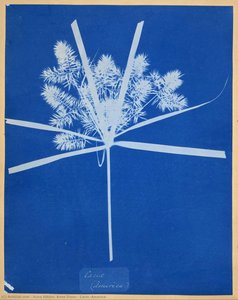
1799年、ケント州トンブリッジにアンナ・チルドレンとして生まれたアンナ・アトキンスは、植物学と写真術の両分野において、時代を遥かに先取りした貢献を果たした人物です。彼女の人生は、科学的探究心と芸術的革新が芽吹き始めた時代の潮流の中で展開されましたが、同時に女性への機会が極めて限定されていた世界を歩んでいました。幼い頃に母を亡くした彼女は、尊敬を集める化学者、鉱物学者、そして動物学者であった父、ジョン・ジョージ・チルドレンと非常に深い絆で結ばれていました。この父娘の繋がりは、彼女の知的な軌道を決定づける極めて重要な役割を果たしました。父は当時の女性としては異例なほど包括的な科学教育を彼女に施し、後に画期的な業績へと開花することになる旺盛な好奇心を育んだのです。その基盤は単なる学問的なものではなく、極めて実践的なものでした。彼女は父の研究に直接携わり、特にラマルクの著書『貝類の属(Genera of Shells)』の翻訳版に添えられた、精緻な貝殻のエングレービング(彫版)制作に従事しました。こうした初期の芸術的試みは、単なる図解の枠を超え、後の写真を用いた探究の核となる、細部を見逃さない鋭い観察眼を彼女に授けることとなったのです。サイアノタイプによる印象:科学的記録における革命
1839年は、アトキンス個人にとってのみならず、誕生したばかりの写真術という分野そのものにとっても大きな転換点となりました。彼女はロンドン植物学会の会員に選出されましたが、これは科学界における彼女の評価の高まりを示す、当時としては極めて稀な名誉でした。それと時を同じくして、彼女はサー・ジョン・ハーシェルによって発明された、サイアノタイプ(日光写真)という革命的な写真技法に心を奪われました。従来の技法とは異なり、サイアノタイプは光に反応する鉄塩を用いて鮮やかな青色のプリントを生み出す、設計図のような、比較的シンプルで扱いやすい手法でした。アトキンスはこの技術を単に採用しただけではありません。彼女はそれを、かつて誰も見たことがないような科学的記録のための道具へと昇華させたのです。彼女はイギリスの藻類をカタログ化するという野心的なプロジェクトに着手しました。伝統的な手描きの図譜では、これら繊細な標本の複雑なディテールを捉えきれないことに気づいていたからです。その結果として誕生した『イギリスの藻類の図譜:サイアノタイプによる印象(Photographs of British Algae: Cyanotype Impressions)』(1842-1853年)は、単なる美しい画像の集まりではありませんでした。それは、写真によって図解された史上初の書籍という、歴史的な金字塔となったのです。芸術的ヴィジョンと科学的厳密さの融合
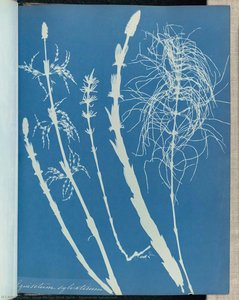
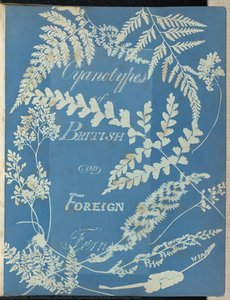
アトキンスの作品が持つ意義は、歴史的な「世界初」という事実を遥かに超えたところにあります。彼女は単に植物標本を「複製」したのではなく、それらを美的な対象として提示しました。サイアタイプ用の紙の上に藻類を慎重に配置することで、科学的な正確さと視覚的な魅力の両立を果たした構図を作り上げたのです。その幻想的な青の階調と繊細な形態は、見る者に畏敬の念を抱かせ、科学的記録を一つの芸術形式へと変貌させました。この芸術的ヴィジョンと科学的厳密さの融合は、当時の常識を覆し、芸術と科学の関係性についての既成概念に挑戦するものでした。彼女の後の活動は藻類にとどまらず、シダ植物やその他の植物群へと広がっていきました。『イギリスおよび外国の植物とシダのサイアノタイプ(Cyanotypes of British and Foreign Plants and Ferns)』(1854年)に見られるように、彼女はサイアタイプ技法を極め、植物記録への献身をさらに深めていきました。また、アン・ディクソンといった人物との交流は彼女の芸術的探究を広げ、花や羽、レースといった要素を、より複雑で重層的な構図へと取り入れていくこととなりました。再発見された遺産
先駆的な貢献にもかかわらず、アンナ・アトキンスの作品は19世紀後半、その多くが歴史の表舞台から姿を消してしまいました。彼女のアルバムは1889年、歴史学者のウィリアム・ラング・ジュニアによって大英博物館で再発見されましたが、その時点でも、制作者としての彼女の役割は完全には認識されていませんでした。彼女の真の価値が十分に評価されるようになったのは、より近年の研究によるものです。今日、アトキンスは先見の明を持った芸術家であり科学者として称えられています。彼女は、後に続く写真術や植物図譜の発展の多くを予見した、真の革新者でした。彼女の作品は今もなお、芸術家や科学者たちにインスピレーションを与え続け、観察すること、実験すること、そして自然界が持つ不変の美しさを私たちに思い出させてくれます。J.ポール・ゲッティ美術館などの機関には、『イギリスおよび外国のシダのサイアノタイプ』、『コンワラリア・ムルティフローラ』、『ジャマイカのアディアントム・テネルム』といった彼女の作品が収蔵されており、それらは彼女の技術と献身の証となっています。彼女の遺産は、革新というものが、予期せぬ交差点から生まれるものであることを力強く物語っています。それはまさに、芸術、科学、そして一人の女性の揺るぎない好奇心が交差した場所から生まれたものなのです。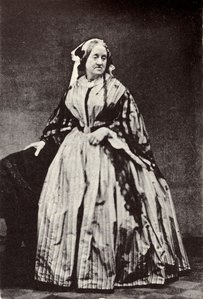
アンナ・アトキンス
1799 - 1871 , イギリス
基本情報
- Artistic Movement Or Style: ボタニカルアート、写真
- Artists Or Movements Influenced By This Artist:
- 初期写真
- 植物細密画
- Artists Who Influenced This Artist:
- ジョン・ハーシェル
- ジャン=バティスト・ラマルク
- Date Of Birth: 1799年3月16日
- Date Of Death: 1871年
- Full Name: アンナ・アトキンス (アン・ディクソン)
- Nationality: イギリス
- Notable Artworks:
- イギリスのシダのサイアノタイプ
- コンワラリア・マルチフローラ
- アディアンツム・テネルム、ジャマイカ
- Place Of Birth: イギリス、トンブリッジ
関連記事

Watercolor Wonders: 10 Masterpieces That Redefined Art History | ArtsDot
Journey through 10 legendary watercolor masterpieces by Sargent, Turner & Homer! Explore iconic landscapes, portraits & floral art that redefined history. Find museum-quality reproductions and curated decor ideas at ArtsDot.com.

Ephemeral Visions: Exploring the Artistic Legacy & Contemporary Practice of Watercolor Painting
Explore the captivating world of watercolor painting! Discover its rich history, essential techniques, influential artists & collecting tips. A comprehensive guide for art enthusiasts from ArtsDot.

Ephemeral Visions: Exploring the History & Emotional Resonance of Watercolor Painting
Explore the captivating history of watercolor painting, from ancient techniques to modern masters like Kandinsky & Blake. Discover essential artists, collecting tips & the emotional power of this luminous medium. Expert insights for art enthusiasts.
Ephemeral Visions: Exploring the Artistic Legacy & Nuances of Watercolor Painting
Explore the captivating world of watercolor painting! Discover its rich history, essential techniques, influential artists & collecting tips from art experts. A comprehensive guide for enthusiasts.
水彩の永続的な魅力:歴史、技法、そして現代の実践
水彩画の歴史、技法、現代の実践を深く探求。巨匠たちの名画から初心者向けテクニックまで解説。ArtsDot.comでは高品質な複製画やカスタムポートレートをご提供します。アートコンサルテーションも受付中。

