

 プレビュー
プレビュー
 シェアする
シェアする シェアする
シェアする
 詳細を見る
詳細を見る

 ダウンロード
 似ている作品
 X線調査
X線調査 スライドショー
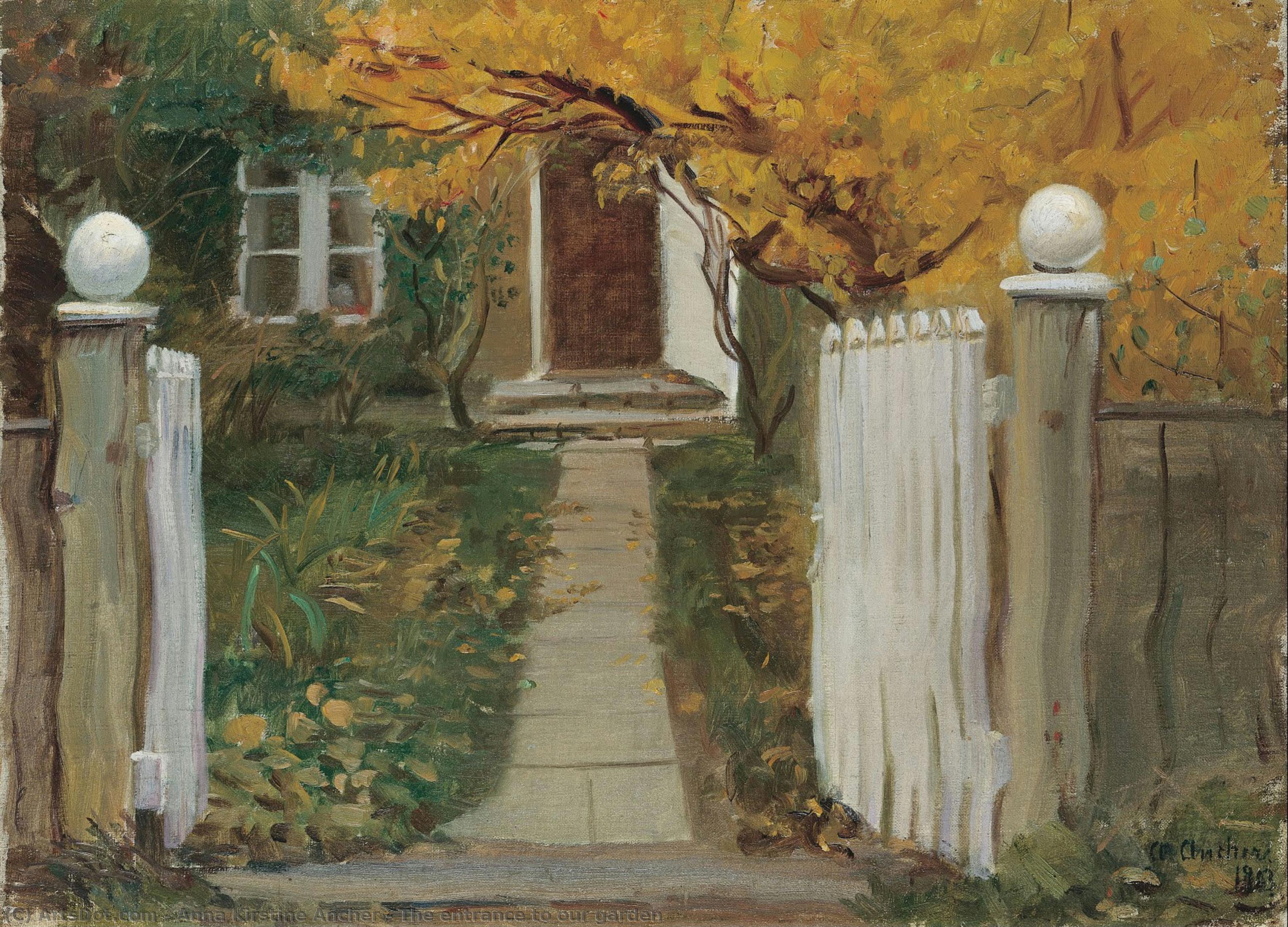
The entrance to our garden
 Acrylic On Canvas
- WallArt
- Impressionism
 50.0 x 36.0 cm
 スカーゲンス・ミュージアム
 詳細を見る
詳細を見る
ジークレー/アートプリント
迅速な制作と多彩な仕上げオプションを備えた、ミュージアムクオリティのジークレーまたはキャンバスプリント。 ( 手描きの絵画を購入 画像を購入)




P118B $10

P118H $10

P118W $10

P438Z $10

P508JH $12

P508YH $12

P805H $10

P805Z $10

P919BZ $10

P919G $10

P919XJ $10

P959ZH $10

P968JZ $12

W106C $8

W218G $10

W218JH $8

W218Y $10

W307PJ $10

W316G $10

W316PJ $8

W316Y $10

W398PJ $8

W4111J $10

W500HY $15

W500JH $15

W692G $12

W849H $8

W940BG $15

W953PJ $8




作品のオリジナル比率に合わせた、当店の規定サイズからお選びください。

特定のフレームやスペースに合わせて、ご自身でサイズを指定することも可能です。選択されたサイズが元の画像の比率と一致しない場合、作品をトリミングするか、鏡面反射または単色での塗りつぶしによって画像を拡張いたします。制作を開始する前に、ご確認用のデジタルモックアップをお送りいたします。
画面上のプレビューには、実際のトリミングや拡張は反映されませんのでご注意ください。最終的な構図を正確に確認できるのは、モックアップのみとなります。
カスタムサイズも承っておりますが、元の比率を維持するためには、あらかじめ用意されたリストからサイズを選択することをお勧めいたします。


 ガラスオプションは、110cm未満のサイズでのみご利用いただけます。

The entrance to our garden
ジークレー/アートプリント
複製画のサイズ
-


合計金額
$ 62
A Window Into Skagen’s Soul: Exploring Anna Kirstine Ancher's “The Entrance to Our Garden”
Anna Kirstine Brøndum Ancher, universally recognized as Anna Ancher, stands as a cornerstone of Danish Impressionism and arguably the most celebrated figure within the Skagen Painter collective. Born in 1859 amidst the windswept shores of Skagen – a remote fishing village nestled at Jutland’s northernmost tip – her artistic journey was inextricably intertwined with the very landscape that would become synonymous with her distinctive aesthetic. Unlike many contemporaries drawn to Skagen's dramatic Nordic light, Ancher possessed an unparalleled connection to her birthplace; she *lived* there, breathed its air, and absorbed its ceaseless rhythms of change. This profound immersion fueled a creative spirit that transcended mere observation, resulting in paintings imbued with an authenticity and emotional resonance rarely achieved by artists distanced from their formative surroundings. Her father, Erik Andersen Brøndum, proprietor of the prestigious Brøndums Hotel – a haven for artistic pilgrims seeking to capture Skagen’s ethereal beauty – undoubtedly nurtured her early passion for art through constant exposure to stimulating intellectual discourse and creative camaraderie. From her earliest years, Ancher was surrounded by an environment brimming with artistic inspiration, shaping her lifelong dedication to portraying the subtleties of everyday life with remarkable sensitivity and precision.Style and Technique: Impressionistic Luminosity
“The Entrance to Our Garden,” completed around 1900, exemplifies Ancher’s signature Impressionist style—a deliberate rejection of academic conventions in favor of capturing fleeting moments of light and color. Departing from traditional realism, Ancher employed loose brushstrokes and vibrant hues to convey the atmosphere of a tranquil Skagen garden at dusk. The painting utilizes broken color – layering translucent glazes over underlying pigments – creating an illusion of shimmering luminescence that perfectly encapsulates the diffused glow of twilight filtering through the foliage. Careful attention is paid to tonal variations, subtly modulating light and shadow to sculpt form and imbue the scene with depth. Unlike many Impressionists who favored expansive landscapes, Ancher focused on intimate interiors—a deliberate choice reflecting her belief in portraying human experience within its immediate context. This technique prioritizes capturing not just what *is* seen but also how it *feels*, prioritizing emotional impact over photographic accuracy.Historical Context: The Skagen Painter Colony
“The Entrance to Our Garden” resides firmly within the vibrant milieu of the Skagen Painter colony—a group of Danish artists who established a permanent residence in Skagen during the late 19th and early 20th centuries. Drawn by the region’s unparalleled light conditions, these painters sought to liberate themselves from artistic constraints imposed by Parisian academies, embracing instead a more spontaneous and expressive approach. Ancher was among the most prolific members of this influential collective, alongside Edvard Munch, Karl Nordström Johannsen, Lauritz Tuxen, and Johannes Larsen. The Skagen Painters championed a humanist vision—celebrating rural life, familial bonds, and the beauty of the natural world—reflecting the broader cultural currents of their time. Their work served as a powerful counterpoint to prevailing artistic trends, establishing Impressionism as a dominant force in Danish art and cementing Skagen’s reputation as an epicenter of artistic innovation.Symbolism: Domestic Tranquility and Artistic Reflection
Beyond its masterful technique, “The Entrance to Our Garden” resonates with subtle symbolic layers. The depiction of a simple garden gate—a motif frequently revisited by Ancher—represents not merely physical space but also the boundaries between inner contemplation and outward engagement. The soft pastel hues – predominantly greens, whites, and yellows – evoke feelings of serenity and peace, mirroring Ancher’s own desire to capture the essence of domestic tranquility. Furthermore, the inclusion of two white globes atop the fence symbolizes illumination—both literal and metaphorical—representing Ancher's unwavering commitment to artistic exploration and her profound appreciation for Skagen’s radiant light. The painting serves as a testament to Ancher’s ability to transform ordinary scenes into expressions of enduring beauty and emotional depth.Emotional Impact: Capturing Essence Through Light
Ultimately, “The Entrance to Our Garden” succeeds in conveying a palpable sense of warmth and nostalgia—a feeling deeply rooted in Ancher's own recollections of Skagen life. The luminous quality of the painting captures not just visual splendor but also the intangible spirit of place—the quiet contentment derived from observing familiar surroundings bathed in golden light. It invites viewers to pause, contemplate, and reconnect with the simple pleasures of existence, mirroring Ancher’s artistic ethos: to distill complex emotions into evocative images that transcend time and circumstance. This artwork remains a poignant reminder of Ancher's enduring legacy as one of Denmark’s most beloved Impressionist painters—a testament to her unwavering dedication to portraying human experience with sensitivity, artistry, and an unparalleled understanding of light’s transformative power.関連作品
アーティストの略歴
スカーエンの光に包まれた生涯
アンナ・キルスティーネ・ブロンダム・アンヘル、人々が「アンナ・アンヘル」の名で永遠に記憶する彼女は、デンマーク美術史において唯一無二の、そして深く愛される地位を占めています。1859年、デンマークのユトランド半島最先端に位置する辺境の漁村スカーエンに生まれた彼女は、自らの芸術的ビジョンと分かちがたく結びつく風景や共同体そのものでした。同じ「スカーエン派」の画家たちの多くが、北欧の劇的な光に惹かれて訪れた外来の訪問者であったのに対し、アンナは単なる観察者ではありませんでした。彼女自身がスカーエンの魂であり、吹き抜ける力強い風と刻々と変化する空の下で生まれ育ったのです。この深い結びつきは、遠くから眺めるだけの画家には到底到達し得ない、真実味と親密さを彼女の作品に吹き込みました。父エーリク・アンデルセン・ブロンダムが経営していた名高いブロンダム・ホテルは、この地のありのままの美しさを捉えようとする芸術家たちの休息の地であり、そこでの絶え間ない交流が、彼女の幼い芸術的感性を育む糧となりました。幼少期から創造的なエネルギーと刺激的な思想の交換に囲まれて過ごした日々が、後に絵画に捧げる人生の礎となったのです。形成期と芸術的発展
アンナの才能は早くから開花し、家族の支援を受けて正式な修行へと進みました。コペンハーゲンのヴィルヘルム・キーン絵画学校で過ごした3年間、彼女はデッサン技術を磨き、繊察な観察眼と色彩への繊細な理解を特徴とする独自のスタイルを確立していきました。しかし、彼女の芸術的視野を真に広げたのは、パリでの修行時代でした。ピエール・ピヴィ・ド・シャヴァンヌのアトリエで、後にクリエールとして知られるマリー・トリープケと共に学んだ経験は、新たな技法と視点をもたらすかけがえのないものとなりました。こうした外の世界からの刺激を受けながらも、彼女の根底には常に北欧のルーツが息づいていました。1880年、彼女の人生における決定的な瞬間が訪れます。もう一人の著名なスカーエン派の画家であるミカエル・アンヘルとの結婚です。二人の結びつきは単なる夫婦の絆に留まらず、芸術的なパートナーシップでもあり、生涯を通じて互いにインスピレーションを与え、支え合う関係を築きました。女性が家庭的な役割に限定されがちであった当時の社会的な期待に抗いながらも、アンナは結婚後や娘ヘルガの誕生を経てもなお、精力的に描き続け、自らの芸術に対する驚くべき献身を示しました。日常の風景と光の本質を捉えて
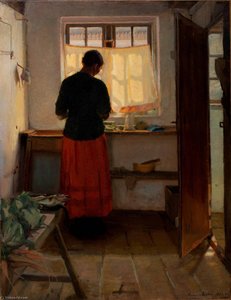
アンナ・アンヘルの芸術的焦点は、スカーエンの人々――漁師、その妻たち、そして子供たち――の日常を、親密な家庭空間の中で描き出すことにありました。彼女は壮大な歴史物語や神話的な場面には関心を寄せませんでした。むしろ、存在のありふれた瞬間にこそ、美と意義を見出したのです。彼女の作品を特徴づけるのは、光と色彩に対する驚異的な感受性です。窓から差し込む陽光が、室内の空気を温かく、誘い込むような輝きで照らし出す、その刹会的な効果を見事に捉えています。『青いアネ』(1882年)のような作品には色彩の相互作用を操る卓越した技量が表れ、『台所の少女』(1883-1886年)では家庭生活の切実な一端を垣間見ることができます。彼女は、色調や質感の微細なニュアンスを通じて、空気感や感情を伝える類まれな能力を持っていました。後年の『クレマチスのある室内』(1913年)などの作品では、光と影の交錯を探求する技術がさらに進化しており、視覚的な魅力と情緒的な響きを兼ね備えた情景を生み出しています。彼女は単に目に見えるものを描写したのではなく、その瞬間にそこに身を置くことが「いかに感じられるか」を伝えていたのです。遺産と永続する影響
アンナ・アンヘルのデンマーク美術への貢献は、個々の絵画の枠を遥かに超えています。先駆的な女性芸術家として、彼女は従来の規範に挑戦し、次世代の女性画家たちの道を切り拓きました。彼女の仕事は、現実をより真実かつ真正に表現しようとしたデンマーク・インプレッショニズム(印象主義)や、より広範な北欧モダニズムの進展において極めて重要な役割を果たしました。今日、彼女の作品はコペンハーゲンのヒルシュスプルング・コレクション、ヘルガ・アンチャー基金、そしてスカーゲン美術館といった権威あるコレクションに収蔵されており、その不朽の芸術的価値を証明しています。スカーデンにあるアンヘル夫妻の旧宅は「アンチャーズ・ハウス」として美術館に保存され、訪れる人々が時代を遡り、彼らの芸術のインスピレーション源となった世界を体験できる貴重な機会を提供しています。それは二人の人生と作品への生きた賛辞であり、アンナ・アンヘルの遺志が、これからも長きにわたって観る者を魅了し続けることを約束しています。日常の簡素さの中に深い美を見出す力と、光と色彩を操る熟練した技法は、彼女をデンマークで最も愛され、重要な芸術家の一人として確固たるものにしています。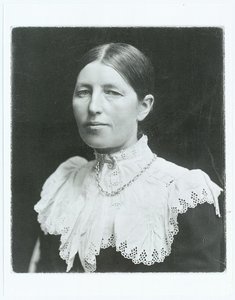
アンナ・アンカー
1859 - 1935
基本情報
- Artistic Movement Or Style: 印象派、北欧美術
- Artists Who Influenced This Artist:
- ピエール・ピュヴィ・ド・シャヴァンヌ
- マリー・トリエプケ・クリエール
- Date Of Birth: 1859年8月18日
- Date Of Death: 1935年4月15日
- Full Name: アンナ・キルスティーネ・アンシャー
- Nationality: デンマーク
- Notable Artworks:
- 青いアネ
- 台所の少女
- 魚を売る少女
- クレマチスの室内画
- 羊の毛刈り
- ガチョウの羽抜き
- Place Of Birth: デンマーク、スカーゲーン
関連記事
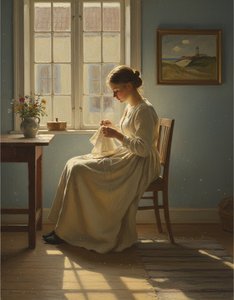
Anna Ancher: Capturing Light & Domesticity in the Skagen Tradition
Discover Anna Ancher (1859-1935), a leading figure of the Skagen Painters. Explore her captivating depictions of domestic life, masterful use of light, and lasting legacy in Danish Impressionism. Learn more at ArtsDot.
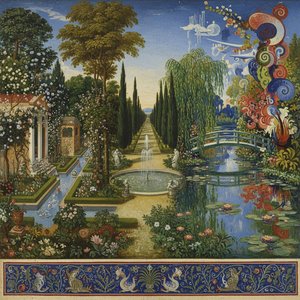
Cultivating Paradise: A Historical & Artistic Exploration of Gardens in Painting
Explore the rich history of gardens in painting! Discover masterpieces from Renaissance to Impressionism & beyond. Learn about symbolism, artists like Monet & Klimt, and find your perfect artwork at ArtsDot.

Evocations of Place: A Historical Journey Through Landscape Art
Explore the rich history of landscape art with ArtsDot. Discover renowned artists, movements like Impressionism & Romanticism, and expert guidance for collecting timeless pieces. Find your perfect serene escape today!

Evocations of Place: A Historical Journey Through Landscape Art
Explore the rich history of landscape art with ArtsDot. Discover renowned artists, movements like Impressionism & tonalism, and expert guidance for collecting timeless pieces. Find your perfect serene escape today!

ポール・セザンヌ:至高の25選 - 傑作と革新の軌跡 | ArtsDot
ポール・セザンヌの至高の25選。ポスト印象派を代表する画家、セザンヌの傑作と革新的な技法を紐解きます。ArtsDotで高品質な複製画やインテリアアートを見つけ、芸術の世界をご自宅に。今すぐコレクションをご覧ください。

