

 プレビュー
プレビュー
 シェアする
シェアする シェアする
シェアする
 詳細を見る
詳細を見る

 ダウンロード
 似ている作品
 X線調査
X線調査 スライドショー
 統計情報
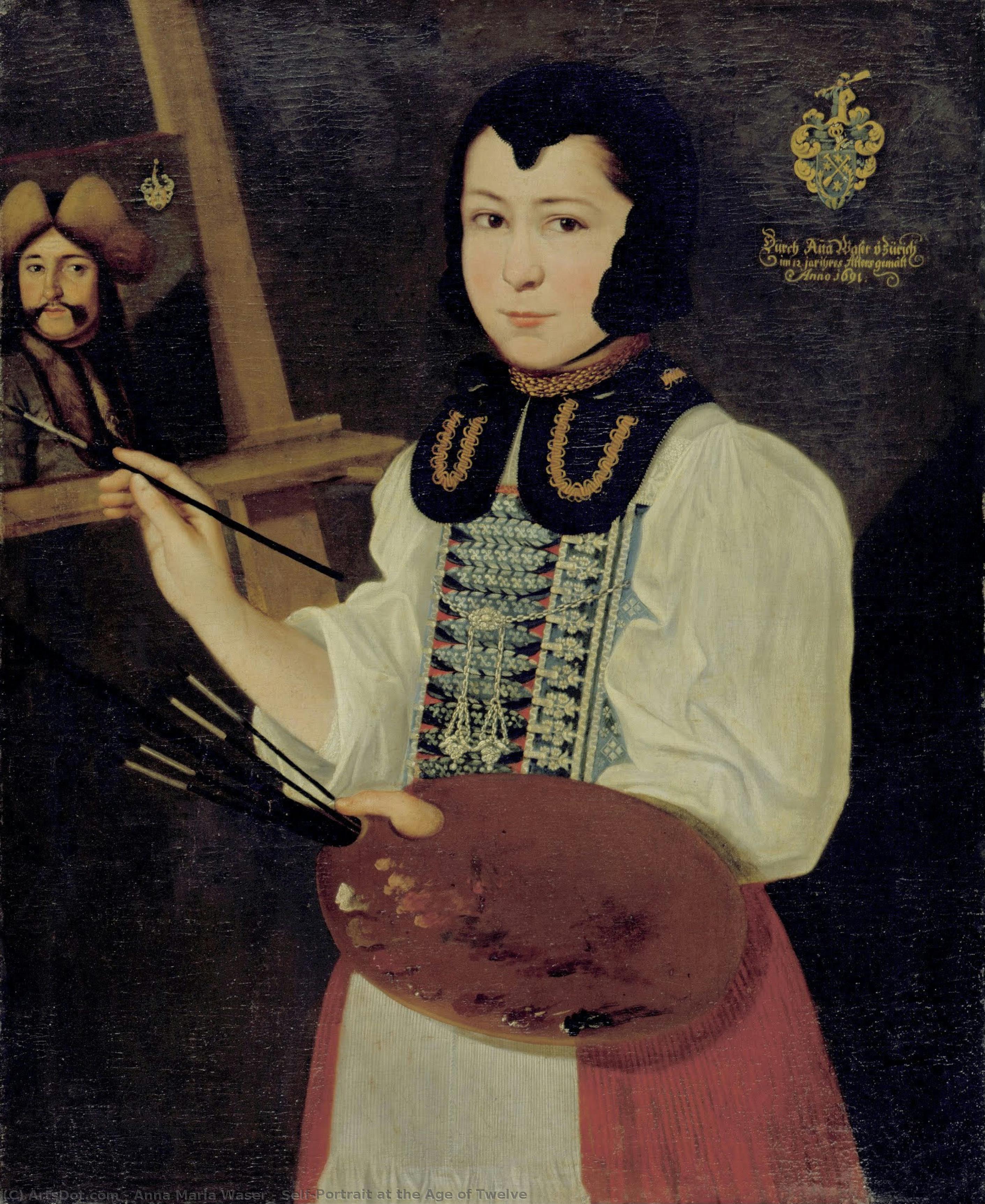
統計情報Self-Portrait at the Age of Twelve
 Oil On Canvas
- WallArt
- Baroque Painting
 1691
1691 83.0 x 68.0 cm
 Kunsthaus Zürich
 詳細を見る
詳細を見る
オンラインプレビューをはるかに凌ぐ、高解像度で鮮明なデジタル画像をご購入いただけます。
各ファイルは、社内の専門家が高度なツールと熟練した手作業によるレタッチを用いて、細心の注意を払って準備されています。すべての画像において、卓越した鮮明度、正確な色彩再現性、そして繊細なディテールを保証いたします。
最終ファイルは、プロフェッショナルな編集・印刷環境ですぐにご利用いただけるよう最適化された状態で、72時間以内にメールにてお届けいたします。これは、一流のデザインスタジオ、出版社、ギャラリーから信頼されているものと同等の品質です。
デジタルアート
個人での鑑賞、印刷、クリエイティブなプロジェクト用に、高解像度ファイルをダウンロードできます。 ( プリント版に切り替え 手描きの絵画を購入)
デジタル画像のご注文に付随する特典
高品質なデジタル画像配信を、確かな品質で。
ArtsDot.com を選ぶことは、単に画像を手に入れることではありません。それは、プロの手によって精密に仕上げられ、満足保証が付いた高品質なデジタルアートワークを受け取ることを意味します。ご注文いただいた際に自動的に付随する内容は、以下の通りです:

メールですぐにお届け
ご注文から72時間以内に、高解像度のデジタル画像ファイルがメールでお手元に届きます。すぐにそのままご利用いただけます。

AI技術で最適化されたデジタルファイル
お客様の作品は、高度なAIツールと専門家による手作業の編集を組み合わせてプロフェッショナルに最適化されており、細部のディテール、鮮明さ、そして正確な色再現性を最大限に引き出しています。

一生涯無料の再送サービス
ファイルを誤って削除したり、紛失してしまったりしましたか?ご安心ください。いつでも無料で再送いたします。

輸入手数料は一切かかりません
関税や手数料、配送料を気にすることなく、お気に入りのアートワークをすぐにお楽しみいただけます。デジタルダウンロードは常に免税です。

色彩再現の保証
プロ仕様のツールとカラーマネジメント技術を用いることで、デジタル画像が元の色を最大限に忠実に再現することを保証いたします。

100日間満足保証
ご購入いただいたデジタル画像にご満足いただけない場合は、100日以内であれば、理由を問わず修正または100%の返金対応をさせていただきます。

100% 返金保証
ご満足いただけない場合は、デジタルファイルを受け取ってから100日以内であれば、理由を問わず全額返金いたします。

まとめ買い割引
3枚購入で10%OFF - 5枚購入で15%OFF - 10枚以上購入で20%OFF。クリエイティブなプロジェクト、ギャラリー、エージェンシーに最適です。
A Window Into Youth: Anna Maria Waser’s “Self-Portrait at the Age of Twelve”
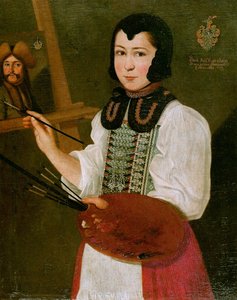
Anna Maria Waser's "Self-Portrait at the Age of Twelve," painted in 1691, isn’t merely a depiction of a young girl; it’s a remarkably poignant and surprisingly mature glimpse into the burgeoning talent of a pioneering Swiss artist. This captivating work, now residing within the Kunsthaus Zürich’s collection, transcends its youthful subject matter to reveal a profound understanding of light, composition, and the very essence of self-representation – qualities that would define Waser's distinguished career.
The painting immediately draws the eye with its intimate scale. Measuring just 83 x 68 centimeters, it feels remarkably personal, as if offering an invitation into a private moment. The young girl, identified as Anna Maria herself, stands before a simple wooden table, upon which rests a palette and brushes – tools of her nascent craft. Her gaze is direct, unwavering, holding the viewer captive with an intensity that belies her age. She’s not posing for the camera; she's engaged in the act of creation itself, radiating a quiet confidence and focused determination.
Waser’s technique is characterized by a remarkable attention to detail and a masterful manipulation of light. The soft, diffused illumination suggests an afternoon sun filtering through a window, casting gentle shadows that subtly define her features and the textures of her clothing. Notice how she renders the brush in her hand – not with stark realism, but with a delicate suggestion of form and movement, hinting at the creative process unfolding before us. The use of oil paints allows for subtle gradations of tone, creating a sense of depth and volume that elevates the portrait beyond a simple likeness.
A Pioneer in a Male-Dominated World
Understanding the historical context is crucial to appreciating Waser’s achievement. In 17th and 18th century Switzerland, the world of art was overwhelmingly dominated by men. Women were largely excluded from formal training and professional opportunities. Anna Maria's journey as a female artist – particularly one who trained alongside male peers – represents a significant challenge to societal norms and a testament to her unwavering dedication. Her appointment as court painter to Count Wilhelm Moritz von Solms-Braunfels in 1699 was a remarkable breakthrough, demonstrating the recognition of her considerable skill.
Her time at Joseph Werner’s workshop in Bern, where she studied alongside male apprentices, provided an invaluable education. While often overlooked in historical accounts, this experience undoubtedly shaped her artistic development, allowing her to hone her skills and develop a unique perspective. The fact that she was the *only* female student within the workshop is itself a powerful statement about the barriers she faced and the determination required to pursue her passion.
Symbolism of Youth and Self-Discovery
The “Self-Portrait at the Age of Twelve” isn’t simply a record of a young girl; it's an exploration of identity and self-discovery. The act of painting, of capturing one’s own image on canvas, is inherently a process of introspection. Waser’s choice to depict herself in this moment – engaged in the creative act – suggests a nascent understanding of her own potential and a desire to define herself through art.
The inclusion of the table with the palette and brushes further reinforces this symbolism. These are not merely tools for creating a portrait; they represent the very instruments of self-expression, the means by which she is forging her artistic identity. The arrow pointing towards the painting itself could be interpreted as an invitation to contemplate the process of creation – the journey from observation to representation.
A Timeless Masterpiece
“Self-Portrait at the Age of Twelve” endures not just for its technical brilliance, but also for its emotional resonance. It’s a remarkably intimate and honest portrayal of a young girl on the cusp of artistic maturity – a testament to the power of observation, the beauty of simplicity, and the enduring legacy of a pioneering Swiss artist. Reproductions of this work offer a captivating window into a pivotal moment in art history, inviting us to contemplate the origins of talent and the transformative potential of self-expression.
関連作品

作家の略歴
Anna Maria Waser: A Pioneering Swiss Painter
Early Life and Training
- Born: October 16, 1678, in Zurich, Switzerland.
- Anna Maria Waser came from a family that valued education and the arts, fostering her early interest in painting despite societal norms.
- Her initial artistic training began with Johannes Sulzer in Winterthur, laying the foundation for her future development.
- At the age of fourteen, she moved to Bern to study under the guidance of Joseph Werner, a leading Swiss painter.
Artistic Development and Career
- Waser’s time in Werner's workshop was unique, as she was the only female student among her male peers. This provided invaluable opportunities for honing her skills.
- She quickly demonstrated exceptional talent, evident in early works like her Self-Portrait at the Age of Twelve (1691), showcasing confidence and mastery.
- In 1699, a significant milestone was reached when she was appointed as court painter to Count Wilhelm Moritz von Solms-Braunfels, marking growing international recognition.
- Her career path wasn’t without interruption; family obligations occasionally called her back to Zurich, impacting the consistency of her artistic output.
Notable Works and Style
- Self-Portrait at the Age of Twelve (1691): A remarkable early work demonstrating precocious skill and self-assurance.
- Waser’s style is characterized by its attention to detail, realism, and a human touch in her portraits. She excelled in miniature painting as well.
- Her works often featured portraits of prominent individuals, reflecting her position within aristocratic circles.
Influences and Artistic Context
- Waser’s artistic development was influenced by both Johannes Sulzer and Joseph Werner, who provided her with foundational training in painting techniques.
- She worked within the Baroque tradition, a style prevalent during the 17th and early 18th centuries, characterized by drama, rich colors, and detailed ornamentation.
- The social context of the time presented challenges for female artists; Waser’s success was particularly noteworthy given these constraints.
Legacy and Historical Significance
- Anna Maria Waser's career broke societal conventions, paving the way for future generations of female artists in Switzerland.
- Her work continues to be appreciated for its technical skill, authenticity, and insightful portrayal of her subjects.
- Her paintings are featured in prominent collections such as the Kunsthaus Zürich, ensuring her place in Swiss art history.
- Died: September 20, 1714.
anna maria waser
1678 - 1714 , Switzerland
プロフィール概要
- Birth Date: 1678-10-16
- Birth Place: Zurich, Switzerland
- Death Date: 1714-09-20
- Influenced By: Johannes Sulzer, Joseph Werner
- Movement: Baroque
- Name: Anna Maria Waser
- Nationality: Swiss
- Notable Works: Self-Portrait at the Age of Twelve (1691)