 プレビュー
プレビュー
 プリントを購入
 シェアする
シェアする シェアする
シェアする
 詳細を見る
詳細を見る

 ダウンロード
 似ている作品
 X線調査
X線調査 スライドショー
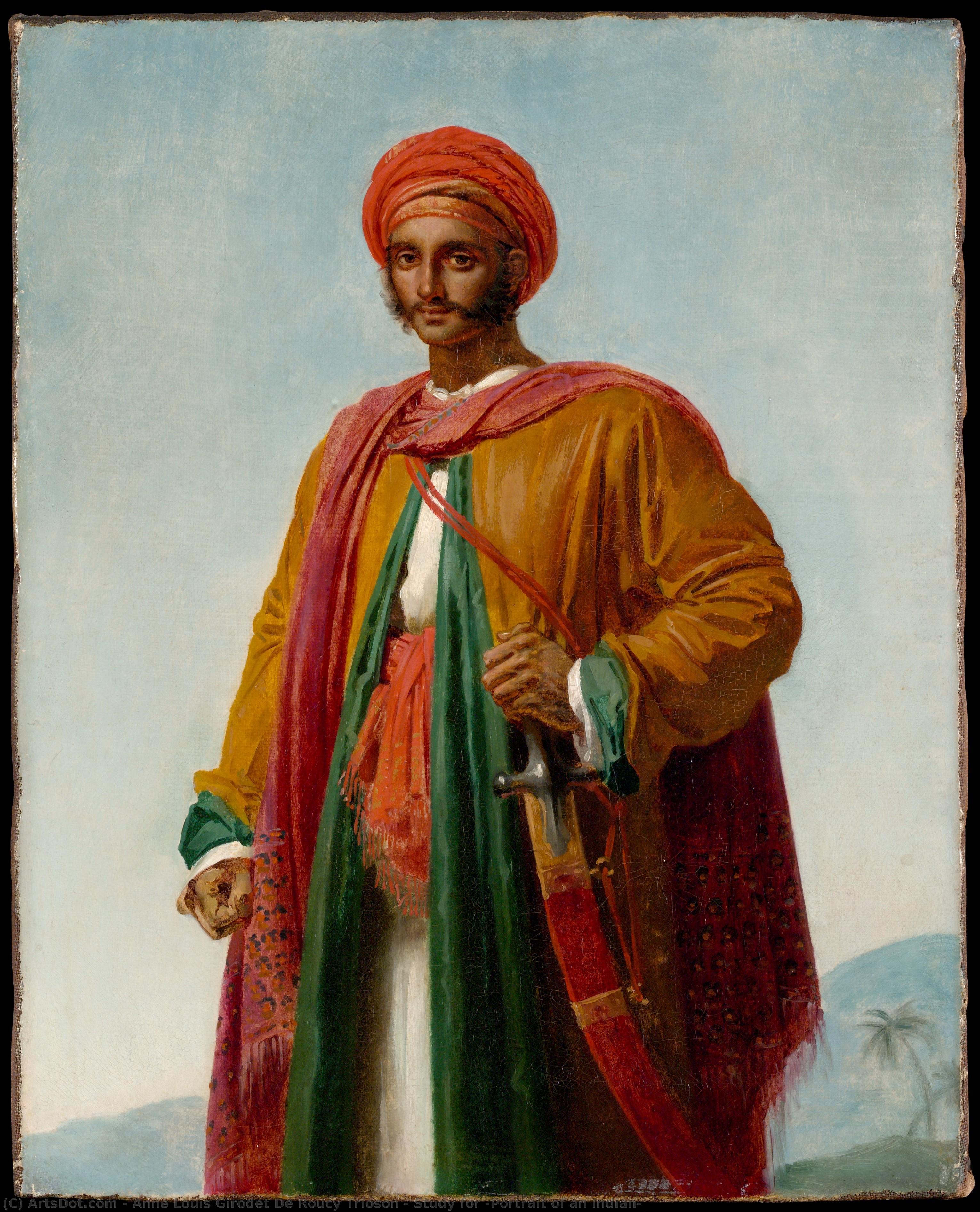
Study for "Portrait of an Indian"
 Acrylic On Canvas
- WallArt
- Romanticism
 1807
1807 41.0 x 33.0 cm
 メトロポリタン美術館
 詳細を見る
詳細を見る




P118B $10

P118H $10

P118W $10

P438Z $10

P508JH $12

P508YH $12

P805H $10

P805Z $10

P919BZ $10

P919G $10

P919XJ $10

P959ZH $10

P968JZ $12

W106C $8

W218G $10

W218JH $8

W218Y $10

W307PJ $10

W316G $10

W316PJ $8

W316Y $10

W398PJ $8

W4111J $10

W500HY $15

W500JH $15

W692G $12

W849H $8

W940BG $15

W953PJ $8




作品のオリジナル比率に合わせた、当店の規定サイズからお選びください。

特定のフレームやスペースに合わせて、ご希望のサイズをご入力いただけます。選択されたサイズが元の画像の比率と異なる場合、アートワークをトリミングするか、手描きで要素を追加して絵画を拡張いたします。デジタルモックアップ を制作し、制作開始前にご確認(承認)をいただきます。
画面上のプレビューは、実際のトリミングや拡張を正確に反映しているものではありません。最終的な構図は、モックアップによってのみ正確にご確認いただけます。
カスタムサイズもご利用いただけますが、元の比率を維持するためには、あらかじめ用意されたリストからサイズを選択することをお勧めいたします。
ご注文後、ArtsDot.com チームより詳細な指示をお送りするとともに、仕上がりイメージ(モックアップ)をご提供いたします。


 ガラスオプションは、110cm未満のサイズでのみご利用いただけます。

Study for "Portrait of an Indian"
複製技法
複製画のサイズ
-


合計金額
$ 263
作品解説
A Glimpse into the Exotic: Unveiling Girodet’s “Study for ‘Portrait of an Indian’”
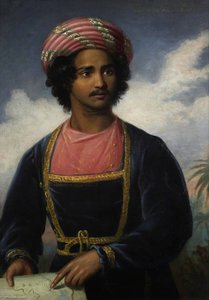
Anne-Louis Girodet de Roussy-Trioson's "Study for 'Portrait of an Indian'," painted in 1807, is more than just a preparatory sketch; it’s a captivating window into the burgeoning Romantic sensibility and the artist’s unique approach to exotic subject matter. This meticulously rendered oil on canvas offers a tantalizing preview of what would become a celebrated portrait, now housed within the Musée Girodet at Montargis, France. The painting immediately draws the eye with its dramatic composition – a powerfully built man, adorned in the rich fabrics and elaborate turban characteristic of Ottoman attire, stands poised against a backdrop of imposing mountains. Yet, a subtle incongruity hints at a deliberate artistic choice: the costume, while undeniably evocative of the East, is not actually Indian, revealing a fascinating detail about Girodet’s process and his engagement with historical accuracy.
- Subject & Setting: The central figure embodies strength and authority, his gaze direct and commanding. The mountainous landscape, rendered in broad, expressive strokes, provides both a sense of scale and an underlying feeling of mystery – a common element within Romantic art.
- Technique: Girodet’s mastery is evident in the delicate handling of paint, particularly in capturing the texture of the fabrics and the sheen of the turban. The use of light and shadow creates depth and volume, bringing the subject to life with remarkable immediacy.
Bridging Neoclassicism and Romanticism: Girodet’s Artistic Journey
Girodet's artistic trajectory is a compelling narrative of transformation. Initially trained in architecture and military service, he found his true calling within the studio of Jacques-Louis David, absorbing the rigorous principles of Neoclassicism. However, Girodet quickly distinguished himself through an embrace of emotional intensity and imaginative storytelling – hallmarks of the emerging Romantic movement. This shift is powerfully demonstrated in “Study for ‘Portrait of an Indian’,” where the carefully controlled lines and precise details of Neoclassical training are subtly interwoven with a heightened sense of drama and exoticism.
His early life, marked by loss and shaped by his adoptive father's influence, profoundly impacted his artistic vision. The connection to Benoît-François Trioson is deeply embedded in Girodet’s identity, reflected in the adoption of “Trioson” as part of his name – a testament to a familial bond that fueled his creative spirit. This personal history undoubtedly contributed to his willingness to explore unconventional subjects and push the boundaries of artistic convention.
Symbolism and Historical Context: A Layered Interpretation
The deliberate choice of an Ottoman costume, rather than an Indian one, is a key element of the painting’s layered meaning. Girodet was deeply influenced by literary trends of the time, particularly the fascination with the Orient and its exotic allure. The *Portrait of an Indian* that ultimately emerged from this study was intended to evoke a sense of grandeur and power, aligning with Napoleon's ambitions for empire. However, Girodet’s artistic license—presenting an Ottoman figure as “Indian”—suggests a critical engagement with colonial narratives and the romanticized depiction of distant lands. It invites us to question the authenticity of representation and consider the artist’s role in shaping perceptions.
Furthermore, the painting reflects the broader intellectual currents of the late 18th and early 19th centuries, a period marked by intense debate about the nature of beauty, truth, and artistic expression. Girodet's work stands as a pivotal example of this dynamic interplay between tradition and innovation.
A Timeless Masterpiece: Reproduction and Artistic Legacy
“Study for ‘Portrait of an Indian’” remains a powerful testament to Anne-Louis Girodet de Roussy-Trioson's artistic genius. Reproductions capture the painting's dramatic intensity and meticulous detail, offering art lovers a chance to experience its captivating beauty firsthand. Whether displayed in a grand salon or a contemporary interior space, this evocative work continues to inspire and intrigue, serving as a reminder of the enduring power of Romanticism and the artist’s ability to transport us to distant lands and bygone eras.
関連作品
アーティストの略歴
新古典主義とロマン主義の架け橋、アヌ=ルイ・ジロデ
アヌ=ルイ・ジロデ・ド・ルーシー=トリオソン(Anne-Louis Girodet de Roussy-Trioson)という名前は、彼の師であるジャック=ルイ・ダヴィッドほど広く知られていないかもしれない。しかしながら、彼は新古典主義からロマン主義への移行期において極めて重要な位置を占めている画家である。1767年にフランスのモンタルジスで生まれたジロデの芸術的旅は、厳格なアカデミックな訓練と芽生えつつある感情表現の両方を包含するものであった。この繊細なバランスが彼の独自のスタイルを確立し、フランス美術における重要な人物としての地位を確固たるものにしたのである。幼少期に両親を亡くした彼は、後に彼の生涯を通して影響を与え続ける医師であるベノワ=フランソワ・トリオソンという保護者のもとで育った。この家族との繋がりが、画家が1806年に「トリオソン」を名前に加えることとなり、芸術的アイデンティティとともに深い個人的絆を示したのである。当初は建築に興味を持っていたジロデは、すぐに絵画に魅了され、ダヴィッドのスタジオに入り、明晰さ、正確さ、道徳的な重厚さを重視する新古典主義の美学に没頭した。この基礎は極めて重要であり、彼の作品が厳格な古典的原則から逸脱し始めても、彼の中に形式と構成の習熟を植え付けたのである。22歳の若さでヨセフとその兄弟たちの物語を描いた作品でローマ大賞を受賞したことは将来への希望を示唆しており、その後のイタリアでの数年間(1789-1793年)は、*ヒポクラテスがアルタクサクセスの贈り物を受け入れない*や*眠れるエンデュミオン*といった傑作を生み出す上で重要な期間となった。新古典主義の厳格さからロマン主義への感受性
ジロデの芸術的進化は過去からの突発的な決別ではなく、確立された新古典主義の枠組みに新しい感覚を徐々に注入するものであった。彼はダヴィッド学派の特徴である明晰さと正確さを維持しながらも、彼の作品はますます感情的な強度を高め、それまで慣例とされていたテーマを探求していった。この変化は特に*洪水の場面*(The Deluge)に見られ、巨大なキャンバスに劇的なアクションと生の感情が描かれていることからも明らかである。また、悲劇的な美しさを痛切に表現した*アタラが墓前で*も、ロマン主義のパトスと異国趣味への関心を反映している。しかし、ジロデの芸術的ビジョンを最も完全に体現していたのは、8年間の歳月を費やして制作された野心的なプロジェクトである*ピグマリオンとガラテア*であったかもしれない。現在ルーブル美術館に所蔵されているこの作品は、細部への入念な注意だけでなく、神話のテーマを心理的な複雑さと官能性をもって探求する意欲を示している。彼の才能は神話や文学の主題だけに留まらず、ボナパルト家のメンバーの肖像画も求められ、そこで彼は新古典主義の形式と個々の性格をとらえる試行錯誤を巧みにバランスさせたのである。*カイロの反乱*を描いた作品は、ダイナミックなアクションと感情的な深みを表現する彼の能力をさらに示している。エロティックなニュアンスと文学的インスピレーションの先駆者
ジロデを同時代の人々と区別したのは、絵画に官能的な要素を取り入れることを厭わなかったことである。これは単なるセンセーショナリズムではなく、むしろ情熱、欲望、人間の経験の複雑さへのロマン主義の関心を反映したものであった。彼の文学への傾倒もまた、彼の芸術に大きな影響を与えた。彼は物語を単純に描写するのではなく、その感情的な核心をとらえようとし、しばしば劇的な表現と心理的探求を可能にする主題を選んだ。ショーセーブリアン(Chateaubriand)の影響は特に顕著であり、作家の作品からインスピレーションを得た肖像画や場面に見ることができる。この文学的な傾向は、歴史や神話の物語にのみ焦点を当てた画家とは異なり、彼の創造物に別の知的深さを加えたのである。ジロデの*オシアンとフランス将軍たち*は、マクファーソンのオシアン詩から取り入れられたイメージと戦没英雄たちの肖像画を融合させたユニークで感動的な構成であり、その時代の精神を捉えていることを証明している。遺産と永続する影響
同時代の人々であるダヴィッドほど政治的に著名ではなかったにもかかわらず、アヌ=ルイ・ジロデは美術の世界に消えない足跡を残した。彼の初期ロマン主義運動への貢献は否定できないものであり、新古典主義の合理的な秩序とロマン主義の感情的な強度との間の橋を架けたのである。彼は絵画アカデミーとフランス研究所の両方の尊敬されるメンバーであり、レジオン・ドヌール勲章を含む栄誉も受けており、彼の芸術的才能と社会的地位が認められた証となっている。彼の作品は、その技術的な卓越性、劇的な力強さ、心理的な洞察力のために今も高く評価されている。彼の作品はモンタルジスのジロデ美術館やパリのルーブル美術館など、名門博物館で見ることができ、彼の遺産は次世代へと受け継がれている。ジロデが慣習に挑戦し、新しい芸術的領域を探求する意欲は彼を魅力的な人物にし、フランス絵画の進歩を形作った真の先駆者としているのである。伝統と実験の思慮深い統合から革新が生まれることを示している。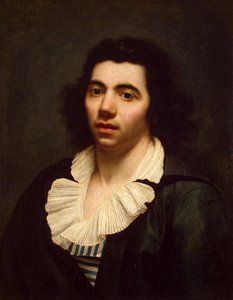
アンヌ=ルイ・ジロデ
1767 - 1824 , フランス
基本情報
- Artistic Movement Or Style: 新古典主義とロマン主義
- Artists Who Influenced This Artist: ['ジャック=ルイ・ダヴィッド']
- Date Of Birth: 1767年
- Date Of Death: 1824年
- Full Name: アンヌ=ルイ・ジロデ・ド・ルーシー=トリオソン
- Nationality: フランス人
- Notable Artworks (List Of Titles):
- 大洪水の場面
- アタラのお墓
- ピグマリオンとガラテ
- カイロの反乱
- Place Of Birth (City And Country): モンタルギス、フランス
関連記事

The Enduring Legacy of Oil on Canvas: Technique, History & Aesthetic Impact
Explore the rich history & techniques of oil painting – from Renaissance masters to Impressionism. Discover pigments, layering methods, and why this timeless medium endures. Expert insights for artists & art enthusiasts.
The Eloquent Line: Exploring the Artistic Significance of Sketches Across Movements and Media
Explore the profound artistic significance of sketches throughout history. From Renaissance masters to modern innovators like Van Gogh & Guston, discover how these foundational works reveal technique, emotion, and vision. Learn more at ArtsDot.

The Enduring Power of Painting: A Historical & Contemporary Exploration of Form and Emotion
Explore the rich history & enduring techniques of oil painting with ArtsDot. Discover masterpieces, learn about art collecting, and find authentic handmade reproductions crafted by skilled artists.

Oil on Canvas: A Historical & Technical Exploration of a Timeless Artistic Medium
Explore the rich history & enduring techniques of oil painting on canvas. Discover the science behind its longevity, conservation practices, and contemporary relevance. Expert insights for art enthusiasts.
Raja Ravi Varma: Bridging Tradition & Modernity in 19th-Century Indian Art
Explore the life & art of Raja Ravi Varma, a pioneer who fused European techniques with Indian iconography. Discover his iconic paintings, lasting legacy, and influence on modern Indian art at ArtsDot.