

 プレビュー
プレビュー
 シェアする
シェアする シェアする
シェアする
 詳細を見る
詳細を見る

 ダウンロード
 似ている作品
 X線調査
X線調査 スライドショー
 Stats
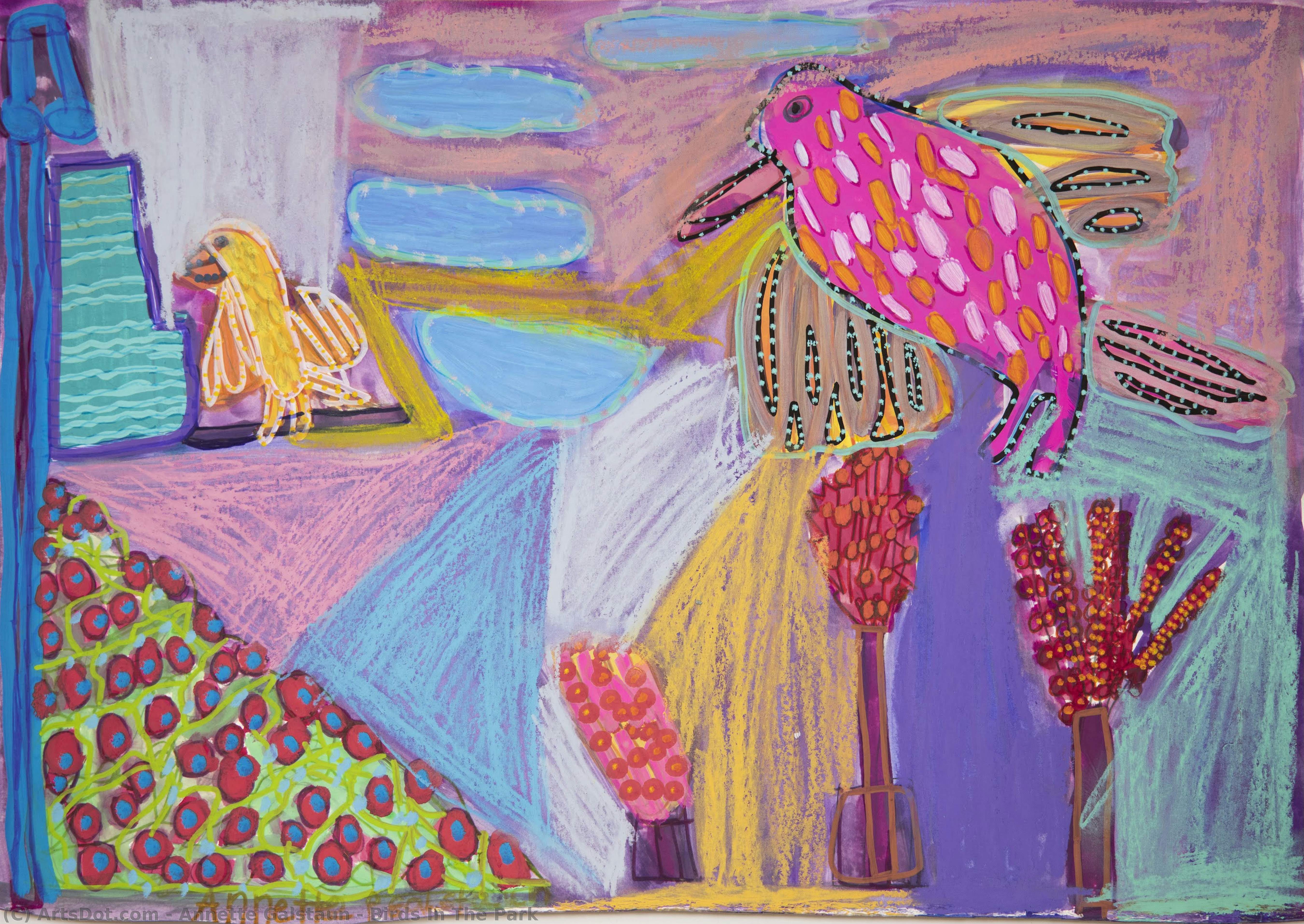
StatsBirds In The Park
 Painting
- Contemporary Realism
 2019
2019- Contemporary
 50.0 x 35.0 cm
 Studio A
 詳細を見る
詳細を見る
ジークレー/アートプリント
迅速な制作と多彩な仕上げオプションを備えた、ミュージアムクオリティのジークレーまたはキャンバスプリント。 ( 手描きの絵画を購入 Switch to Digital Image)




P118B $10

P118H $10

P118W $10

P438Z $10

P508JH $12

P508YH $12

P805H $10

P805Z $10

P919BZ $10

P919G $10

P919XJ $10

P959ZH $10

P968JZ $12

W106C $8

W218G $10

W218JH $8

W218Y $10

W307PJ $10

W316G $10

W316PJ $8

W316Y $10

W398PJ $8

W4111J $10

W500HY $15

W500JH $15

W692G $12

W849H $8

W940BG $15

W953PJ $8




作品のオリジナル比率に合わせた、当店の規定サイズからお選びください。

特定のフレームやスペースに合わせて、ご自身でサイズを指定することも可能です。選択されたサイズが元の画像の比率と一致しない場合、作品をトリミングするか、鏡面反射または単色での塗りつぶしによって画像を拡張いたします。制作を開始する前に、ご確認用のデジタルモックアップをお送りいたします。
画面上のプレビューには、実際のトリミングや拡張は反映されませんのでご注意ください。最終的な構図を正確に確認できるのは、モックアップのみとなります。
カスタムサイズも承っておりますが、元の比率を維持するためには、あらかじめ用意されたリストからサイズを選択することをお勧めいたします。


 ガラスオプションは、110cm未満のサイズでのみご利用いただけます。

Birds In The Park
ジークレー/アートプリント
複製画のサイズ
-


合計金額
$ 62
A Symphony of Flight and Color
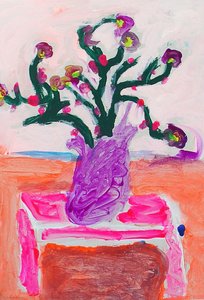
In the vibrant tapestry of contemporary impressionism, Annette Galstaun’s "Birds In The Park" emerges as a breathtaking celebration of life in motion. This captivating piece invites the viewer into a sun-drenched sanctuary where the boundaries between nature and observer dissolve. At first glance, the eye is drawn to the dynamic interplay of movement; a single bird takes center stage, captured in a moment of purposeful flight toward a companion, acting as a focal point that anchors the entire composition. The surrounding landscape is populated by a diverse assembly of avian figures, scattered with a rhythmic grace that suggests both the spontaneity of nature and a carefully orchestrated visual dance. Through her masterful use of color, Galstaun transforms a simple park scene into an energetic spectacle of light and vitality.
The technique employed in this work is nothing short of mesmerizing, utilizing a palette that breathes with life. The artist employs bold, saturated hues to create a sense of depth and atmosphere, where the foreground elements feel immediate and tactile, while the distant figures melt into a soft, luminous haze. This layering of color creates a multidimensional experience, pulling the viewer deeper into the lush greenery of the park. The brushwork, though controlled, retains an expressive quality that mimics the fluttering of wings and the rustle of leaves. For the discerning collector or interior designer, this painting offers a profound sense of movement, making it an ideal centerpiece for spaces that require a burst of organic energy and a sophisticated touch of whimsy.
Beyond its aesthetic brilliance, "Birds In The Park" carries a subtle, poignant symbolism regarding our connection to the natural world. The presence of a solitary human figure within the scene serves as a quiet reminder of our role as witnesses to the beauty of the earth. This figure does not dominate the landscape but rather exists in harmony with it, embodying a sense of peaceful observation and mindfulness. It is a meditation on presence—the act of slowing down to notice the small, magnificent miracles occurring in our everyday environments. The painting evokes an emotional response of joy and tranquility, offering a restorative escape from the frenetic pace of modern life.
For those looking to elevate their interior decor, this reproduction serves as more than just a visual ornament; it is an invitation to wonder. Whether placed in a bright, contemporary living room or a serene study, the artwork brings with it the warmth of a summer afternoon and the enduring spirit of the wild. It stands as a testament to Galstaun's ability to capture the ephemeral beauty of a single moment, preserving it forever in a kaleidoscope of color and light.
関連作品
アーティストの略歴
Jean-Michel Basquiat: A Voice of the Streets and a Revolutionary Artist
Born in Brooklyn, New York City, on December 22, 1960, Jean-Michel Basquiat emerged from the vibrant, chaotic crucible of the Lower East Side during the late 1970s and early 1980s. His life was tragically cut short at the age of 27 in August 1988 due to a heroin overdose, but within those brief years, he left an indelible mark on the art world – a legacy defined by raw emotion, social critique, and a unique visual language that continues to resonate today.
Basquiat’s early life was shaped by his Haitian-American heritage. His father, Gerard Basquiat, was a Dominican immigrant who worked as a licensed practical nurse, while his mother, Laurinda Banks, was an African American schoolteacher. This complex background instilled in him a deep awareness of racial identity and social injustice – themes that would become central to his artistic explorations. Initially involved with the graffiti duo SAMO alongside Al Diaz, Basquiat began tagging subway cars with cryptic epigrams under the pseudonym “SAMO,” quickly gaining notoriety for their provocative and often politically charged messages. This early street art experience provided a crucial foundation for his later work, imbuing it with an immediacy and directness that distinguished him from many of his contemporaries.
The Rise of Neo-Expressionism and Basquiat’s Unique Style
By the early 1980s, Basquiat transitioned from graffiti to painting, quickly establishing himself as a leading figure in the burgeoning neo-expressionist movement. This style, characterized by its bold colors, expressive brushstrokes, and often raw emotionality, represented a reaction against the perceived coldness of minimalism and conceptual art. Unlike many of his peers who embraced slick commercialism, Basquiat’s work retained an intensely personal and confrontational quality.
His canvases became a collage of references – historical figures, anatomical studies, musical lyrics, poetry fragments, and symbols drawn from African tribal art and Haitian folklore. He frequently incorporated text into his paintings, layering words and phrases alongside images to create complex narratives that explored themes of race, power, poverty, and identity. His distinctive style was instantly recognizable: a chaotic blend of meticulous detail and spontaneous scribbles, often utilizing found objects like cardboard, aluminum foil, and Xerox copies within the composition. His use of crowns – a recurring motif – symbolized royalty, authority, and the assertion of black identity in a society riddled with systemic inequality.
Themes of Race, Power, and Social Commentary
Basquiat’s art was deeply rooted in social commentary. He confronted issues of racism, police brutality, and economic disparity with unflinching honesty. Works like *Irony of Negro Policeman* (1981) and *Defacement* (1982), depicting a black policeman wearing a crown and holding a skull, directly challenged the established power structures and exposed the hypocrisy inherent in American society. His paintings weren’t simply aesthetically pleasing; they were urgent calls to action, demanding recognition of marginalized voices and challenging viewers to confront uncomfortable truths.
Furthermore, Basquiat explored themes of cultural appropriation and the commodification of art. He was acutely aware of how his work was being interpreted and marketed within the commercial art world, often using irony and self-deprecation to critique the system itself. His collaboration with Andy Warhol, a symbol of mainstream art success, highlighted this tension – a pairing that simultaneously celebrated and questioned the dynamics of the art market.
Legacy and Historical Significance
Despite his tragically short life, Jean-Michel Basquiat’s impact on contemporary art is undeniable. His work continues to be exhibited in major museums around the world, and his paintings command staggering prices at auction. He is remembered not only for his artistic brilliance but also for his courage in speaking out against injustice and challenging conventional notions of beauty and value.
Basquiat’s legacy extends beyond the art world; he became a symbol of black creativity and cultural pride, inspiring generations of artists to use their voices to address social issues. His work remains a powerful reminder of the importance of confronting uncomfortable truths and advocating for a more just and equitable society. His influence can be seen in countless contemporary artists who continue to grapple with themes of identity, power, and representation – solidifying his place as one of the most important and influential figures of the late 20th century.

annette galstaun
1980 - , Australia
基本情報
- Artistic Movement Or Style: Neo-expressionism
- Artists Or Movements Influenced By This Artist:
- Graffiti art
- Hip-hop culture
- Artists Who Influenced This Artist:
- Andy Warhol
- Keith Haring
- Date Of Birth: December 22, 1960
- Date Of Death: August 12, 1988
- Full Name: Jean-Michel Basquiat
- Nationality: American
- Notable Artworks:
- Irony of Negro Policeman
- Skull of Doom
- Untitled
- Boy and Dog in a Johnnypump
- Defacement
- Hollywood Africans
- Place Of Birth: New York City, U.S.
関連記事

Gordon Parks: A Poetic Lens on American Life – Photography, Social Justice & Storytelling
Explore the profound work of Gordon Parks, a groundbreaking photographer who documented American life with unparalleled empathy and artistry. Discover his iconic images & lasting impact on social justice through Life magazine & beyond.
Feathered Visions: A Historical & Artistic Exploration of Birds in Painting
Explore the rich history of birds in painting! Discover symbolism, artistic movements & master artists like Audubon. High-quality reproductions available at ArtsDot.
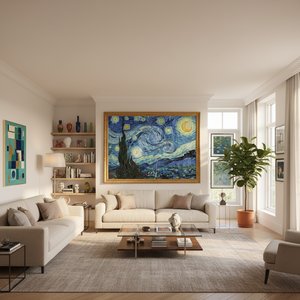
Top 10 Masterpieces for Your Living Room: Iconic Paintings & Art Decor Ideas |
Transform your living room with iconic art! Explore our guide to the Top 10 most famous paintings – from Van Gogh's Starry Night to Mona Lisa. Discover artist stories, techniques & find museum-quality reproductions for timeless decor. Explore the full collection on

Sir Alfred Munnings' Masterpieces: 25 Paintings That Define Equine Art | ArtsDot
Explore 25 iconic Sir Alfred Munnings paintings! Discover the beauty of British Impressionism, equine art & rural England. Find museum-quality reproductions and elevate your home decor with ArtsDot. Explore the full collection online.
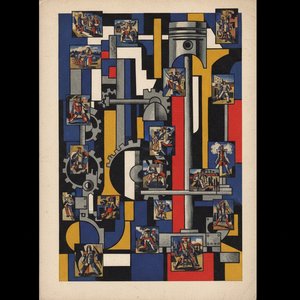
フェルナン・レジェ傑作25選:機械美と色彩の革新 | ArtsDot
フェルナン・レジェの傑作25選。機械美と色彩が織りなすキュビズムの世界を紐解きます。ArtsDotで、フランス絵画の巨匠レジェの作品を高精細プリントで。インテリアアートやギフトにも最適です。全コレクションはこちら: ArtsDot.com