

 プレビュー
プレビュー
 シェアする
シェアする シェアする
シェアする
 詳細を見る
詳細を見る

 ダウンロード
 似ている作品
 X線調査
X線調査 スライドショー
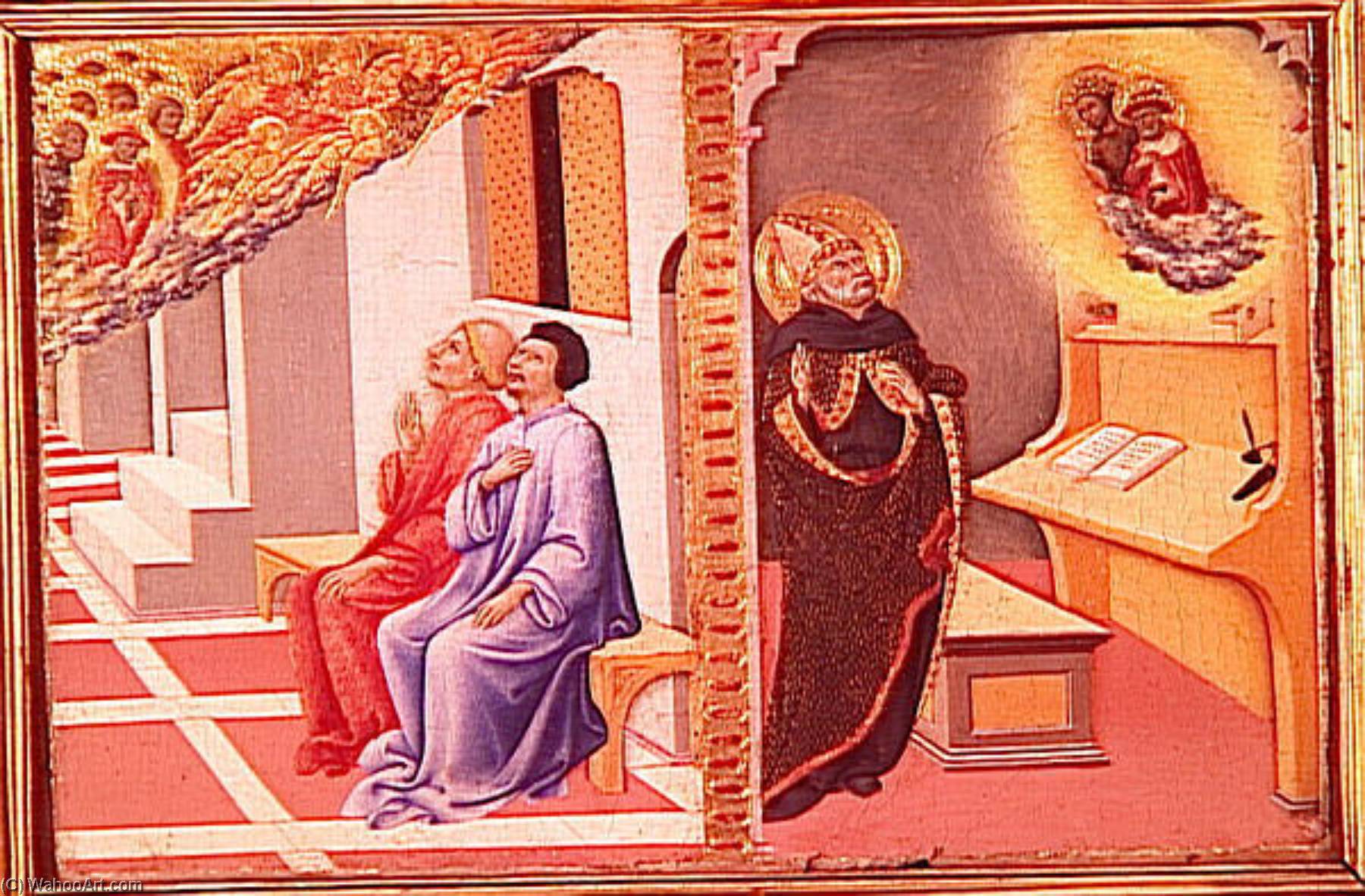
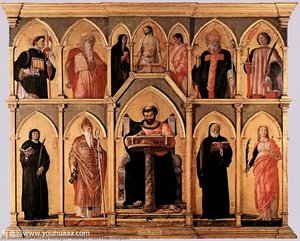
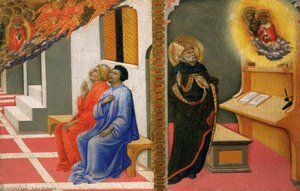
SAINT JEROME APPARAIT AU CIEL A SULPICE SEVERE, PUIS AUX COTES DE SAINT JEAN BAPTISTE, A SAINT AUGUSTIN

 詳細を見る
詳細を見る
ジークレー/アートプリント
迅速な制作と多彩な仕上げオプションを備えた、ミュージアムクオリティのジークレーまたはキャンバスプリント。 ( 手描きの絵画を購入 画像を購入)




































作品のオリジナル比率に合わせた、当店の規定サイズからお選びください。

特定のフレームやスペースに合わせて、ご自身でサイズを指定することも可能です。選択されたサイズが元の画像の比率と一致しない場合、作品をトリミングするか、鏡面反射または単色での塗りつぶしによって画像を拡張いたします。制作を開始する前に、ご確認用のデジタルモックアップをお送りいたします。
画面上のプレビューには、実際のトリミングや拡張は反映されませんのでご注意ください。最終的な構図を正確に確認できるのは、モックアップのみとなります。
カスタムサイズも承っておりますが、元の比率を維持するためには、あらかじめ用意されたリストからサイズを選択することをお勧めいたします。


 ガラスオプションは、110cm未満のサイズでのみご利用いただけます。

SAINT JEROME APPARAIT AU CIEL A SULPICE SEVERE, PUIS AUX COTES DE SAINT JEAN BAPTISTE, A SAINT AUGUSTIN
ジークレー/アートプリント
複製画のサイズ
-


合計金額
$ 62
関連作品
アーティストの略歴
A Sienese Master Forged in Color
Sano di Pietro, born Ansano di Pietro di Mencio around 1406 and passing away in Siena in 1481, remains a captivating figure within the rich tapestry of early Renaissance art. He wasn’t a flamboyant innovator or a revolutionary; rather, he was a master craftsman who honed his skills within the established traditions of the Sienese school, ultimately becoming renowned for his breathtaking use of color and elegant drapery – qualities that imbued his works with an almost dreamlike quality.
Sano’s early life remains somewhat shrouded in mystery. He entered the register of painters in 1428, a testament to his burgeoning talent, and quickly established himself as a respected artist within Siena's vibrant artistic community. Unlike many of his contemporaries who sought patronage from powerful families or the Church, Sano operated primarily through a workshop system, overseeing a team of assistants and pupils who helped him fulfill commissions. This approach allowed him to produce a remarkably large body of work – over 270 pieces survive today, a testament to his prolific output.
The Legacy of Sassetta and the Sienese School
Sano’s artistic development was deeply rooted in the traditions established by earlier masters, particularly Sassetta. The Sienese school, which flourished during the 15th century, represented a distinct aesthetic compared to its Florentine counterpart. While Florence emphasized realism and naturalism, Siena embraced a more imaginative and opulent style. This manifested itself most strikingly in the use of color – vibrant hues were deployed with unprecedented boldness, often exceeding what was seen elsewhere in Europe. The Sienese painters weren’t simply depicting reality; they were striving to capture an idealized, almost ethereal vision.
Sano inherited this passion for color and embraced the hallmarks of the Sienese style: lavish drapery that seemed to flow with impossible grace, intricate patterns woven into fabrics, and a general sense of luxurious abundance. His works are characterized by a remarkable attention to detail, creating an immersive experience for the viewer. The paintings aren’t merely static images; they possess a palpable energy and movement.
A Palette of Dreams: Key Works and Techniques
Sano's most celebrated works often feature religious subjects, particularly scenes depicting Saint Jerome – a favorite theme among Sienese artists. His “Saint Jerome in his Study” (circa 1430-1435) exemplifies this perfectly. The painting is dominated by rich reds and golds, creating an atmosphere of opulence and contemplation. The drapery is incredibly complex, cascading around the saint in a swirling vortex of fabric. The use of light and shadow further enhances the sense of depth and drama.
Another significant work is his “The Dream of Saint Jerome,” created around 1476. In this painting, Jerome experiences a vision of the Virgin Mary and John the Baptist, rendered in equally vibrant colors. The scene unfolds within a richly decorated chamber, filled with symbolic objects and details that invite interpretation. Sano’s mastery of perspective is evident in the way he creates a sense of depth and space.
Furthermore, Sano's “Ecce Agnus Dei” (1455-60), depicting Saint John the Baptist entering the wilderness, showcases his ability to balance color with narrative. The red robes of the saint contrast dramatically against the blue sky, drawing the viewer’s eye to this central figure. The composition is dynamic and engaging, capturing a pivotal moment in the saint's life.
A Forgotten Master?
Despite his prolific output and undeniable skill, Sano di Pietro has often been overshadowed by other artists of the period. Some critics have suggested that the uniformity of his workshop’s production contributes to this perception – many paintings share a similar style and palette. However, closer examination reveals subtle variations in technique and subject matter, demonstrating Sano's individual artistic voice. He wasn’t striving for groundbreaking innovation; rather, he was meticulously executing commissions with exceptional skill and a deep understanding of the Sienese aesthetic.
Sano di Pietro’s legacy lies not in revolutionary ideas but in his unwavering dedication to mastering the traditions of his time. He remains a testament to the power of color, drapery, and meticulous craftsmanship – a painter who captured the essence of the Sienese dream within each brushstroke.
ansano di pietro di mencio
1406 - 1481
基本情報
- Artistic Movement Or Style: Sienese School
- Artists Or Movements Influenced By This Artist: ['Vecchietta']
- Artists Who Influenced This Artist: ['Sassetta']
- Date Of Birth: 1406
- Date Of Death: 1481
- Full Name: Ansano di Pietro di Mencio
- Nationality: Italian
- Notable Artworks:
- Saint Jerome's Works
- La Mort de Saint Jerome
- Place Of Birth: Siena, Italy

