 プレビュー
プレビュー
 プリントを購入
 シェアする
シェアする シェアする
シェアする
 詳細を見る
詳細を見る

 ダウンロード
 似ている作品
 X線調査
X線調査 スライドショー
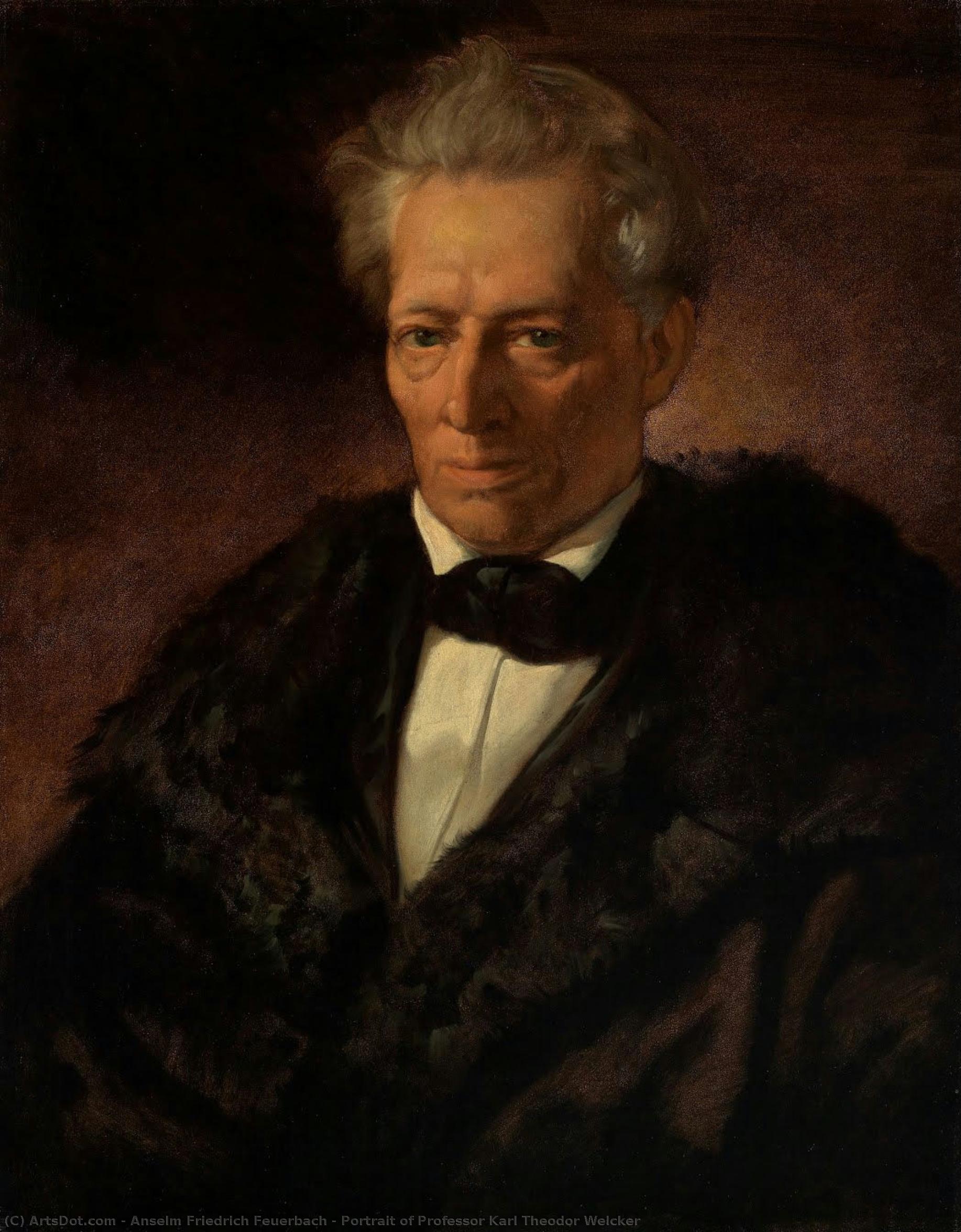
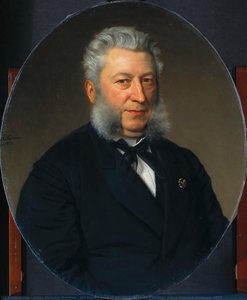
Portrait of Professor Karl Theodor Welcker


 詳細を見る
詳細を見る




P118B $10

P118H $10

P118W $10

P438Z $10

P508JH $12

P508YH $12

P805H $10

P805Z $10

P919BZ $10

P919G $10

P919XJ $10

P959ZH $10

P968JZ $12

W106C $8

W218G $10

W218JH $8

W218Y $10

W307PJ $10

W316G $10

W316PJ $8

W316Y $10

W398PJ $8

W4111J $10

W500HY $15

W500JH $15

W692G $12

W849H $8

W940BG $15

W953PJ $8




作品のオリジナル比率に合わせた、当店の規定サイズからお選びください。

特定のフレームやスペースに合わせて、ご希望のサイズをご入力いただけます。選択されたサイズが元の画像の比率と異なる場合、アートワークをトリミングするか、手描きで要素を追加して絵画を拡張いたします。デジタルモックアップ を制作し、制作開始前にご確認(承認)をいただきます。
画面上のプレビューは、実際のトリミングや拡張を正確に反映しているものではありません。最終的な構図は、モックアップによってのみ正確にご確認いただけます。
カスタムサイズもご利用いただけますが、元の比率を維持するためには、あらかじめ用意されたリストからサイズを選択することをお勧めいたします。
ご注文後、ArtsDot.com チームより詳細な指示をお送りするとともに、仕上がりイメージ(モックアップ)をご提供いたします。


 ガラスオプションは、110cm未満のサイズでのみご利用いただけます。

Portrait of Professor Karl Theodor Welcker
複製技法
複製画のサイズ
-


合計金額
$ 263
Anselm Feuerbach’s Portrait of Professor Karl Theodor Welcker: A Study in Stern Resolve
Anselm Friedrich Feuerbach's 1853 portrait of Professor Karl Theodor Welcker is more than a simple likeness; it’s a carefully constructed tableau reflecting the intellectual and societal currents of mid-19th century Germany. Painted during a period of burgeoning scientific inquiry and philosophical debate, the work captures the stern resolve of its subject – a prominent philologist and classical scholar – within a framework that speaks to the artistic influences shaping Feuerbach's own career. The portrait’s power resides not just in its technical execution but also in its ability to evoke a sense of authority and contemplative seriousness.
- The Subject: Karl Theodor Welcker (1798-1852) was a towering figure in German scholarship, renowned for his work on Greek grammar and philology. His meticulous approach to language reflected the broader Enlightenment ideals of rationalism and systematic knowledge that were gaining traction across Europe.
- Feuerbach’s Training: Born in Speyer in 1829, Feuerbach's artistic development was profoundly shaped by his family’s intellectual pedigree – his father an archaeologist and grandfather a legal scholar. This instilled within him a rigorous approach to observation and a deep appreciation for classical learning, principles he would later translate into his own work. His early training at the Speyer gymnasium and subsequent studies in Düsseldorf under masters like Schirmer and Schadow provided him with a solid foundation in traditional academic painting techniques.
A Palette of Restraint: Style and Technique
Feuerbach’s style, as evidenced here, leans heavily towards the Düsseldorf School tradition – characterized by its emphasis on tonal modeling, precise draughtsmanship, and a restrained palette. The portrait is rendered with meticulous detail, particularly in the rendering of Welcker's face and clothing. Note the subtle gradations of light and shadow that create a sense of volume and texture, contributing to the figure’s solidity and presence. The dark background, likely purple in hue, serves not merely as a backdrop but actively focuses attention on the subject, amplifying his perceived importance and gravitas. The artist skillfully employs glazing techniques – applying thin layers of translucent paint over dried underlayers – to achieve depth and luminosity within the portrait.
- Composition: The central positioning of Welcker within the frame reinforces his authority, while the direct gaze engages the viewer in a silent dialogue.
- Color Palette: Dominated by dark browns, grays, and blacks, the palette reflects the seriousness of the subject and the artistic conventions of the time.
Symbolism and Historical Context
The portrait speaks to the intellectual climate of 1853 Germany, a nation grappling with questions of national identity, scientific advancement, and the legacy of classical antiquity. Welcker’s profession – philology – was at the forefront of these debates, as scholars sought to reconstruct the roots of language and culture. The stern expression on Welcker's face suggests not merely intellectual seriousness but also a dedication to rigorous scholarship and perhaps even a touch of moral judgment. Feuerbach’s decision to portray Welcker in formal attire – a suit and tie – further emphasizes his status as a respected member of society, reflecting the growing importance of professional life during this period.
Emotional Impact and Artistic Legacy
“Portrait of Professor Karl Theodor Welcker” is a powerful example of Feuerbach’s ability to capture not just physical likeness but also the essence of his subject. The portrait's enduring appeal lies in its ability to evoke a sense of respect, admiration, and perhaps even a touch of melancholy – reflecting the weight of intellectual responsibility and the passage of time. This work represents a significant moment in Feuerbach’s artistic development, showcasing his mastery of traditional techniques and his commitment to portraying figures of importance within their historical context. A hand-painted reproduction offers an unparalleled opportunity to experience the full impact of this compelling portrait.
関連作品



アーティストの略歴
初期の生涯と形成
1829年、ドイツのシュパイエルに生まれたアンゼルム・フリードリヒ・フェイヤーバッハは、その芸術的感性を深く形作る、極めて知的な家系に生を受けました。父ヨゼフ・アンセルム・フェイヤーバッハは尊敬を集める考古学者であり、祖父パウル・ヨハン・アンセルム・リッター・フォン・フェイヤーバッハは高名な法学者としてその名を馳せていました。このような環境は、古典的な学問への深い敬意と、厳格な思考を育む土壌となり、それらは後に画家の作品の代名詞となる特質となりました。フェイヤーバッハの正式な芸術教育は、地元のシュパイエル・ギムナジウムから始まり、その後デュッセルドルフへと渡り、ヨハン・ヴィルヘルム・シマー、ヴィルヘルム・フォン・シャドウ、カール・ゾーンといった巨匠たちの指導のもと、名高いデュッセルドルフ美術アカデミーで研鑽を積みました。この初期の経験が伝統的な技法の基礎を築きましたが、彼の飽くなき探求心はすぐにさらなる遠方へと彼を駆り立てました。アントワープにてグスタフ・ヴァッパーズに学び、その後1852年から1854年にかけてパリでの重要な滞在を実現させ、トーマス・クローチュールのスタジオに身を投じました。古典的な厳格さとロマン主義的な表現力――この独自のスタイルを育む種が芽吹いたのは、まさにパリでの経験であったのです。様式の融合:ロマン主義を吹き込まれた新古典主義
フェイヤーバッハはドイツ新古典主義の旗手として位置づけられていますが、彼を単なるその枠組みの中に閉じ込めてしまうのは、あまりに単純すぎる分類と言えるでしょう。彼の芸術的な旅路は絶え間ない「統合」のプロセスであり、多様な源泉からインスピレーションを引き出しながら、唯一無二の道を切り拓いていきました。当初はデュッセルドルフ派が重視する古典的な形態に影響を受けていましたが、アントワープやパリでの滞在を通じて、イタリア・ルネサンスの魅力やフランス・ロマン主義の感情的な強烈さへと、次第に惹きつけられていったのです。こうした影響の合流は、細部まで緻密に描き込まれた彫像のような人物像を特徴とし、しばしば古典神話や歴史的物語に彩られた場面の中に配置される作品群を生み出しました。彼は単に過去を模倣したのではなく、古代のテーマに新たな命を吹き込み、そこに現代的な感性を注ぎ込もうとしたのです。フェイヤーバッハが目指したのは、巨匠たちの精密な技術的習熟と、自身の時代に共鳴し、普遍的な人間の感情を探求する主題との調和でした。彼の描く人物像は理想化された美しさを湛えていますが、決して冷淡で遠い存在ではありません。むしろ、そこには内面的な生命感と心理的な深みが宿っているのです。象徴的な作品と芸術的達成
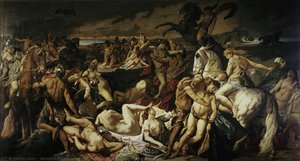
そのキャリアを通じて、フェイヤーバッハは19世紀ドイツで最も重要な画家の一人としての地位を不動のものにする一連の傑作を残しました。1852年のパリ時代に制作された泉辺のハフィズは、彼の発展途上のスタイルと異国情緒的な主題への情熱を示す初期の傑作です。この絵画は詩的な瞑想の瞬間を捉えており、色彩と構図を通じて雰囲気を作り出し、感情を呼び起こすフェイヤーバッハの卓越した手腕を証明しています。カールスルーエ州立美術館に収蔵されている眠れるバッカス少年を伴うシレノスは、古典神話の優美な描写を体現しており、一方でアマゾネスの戦いは、壮大なスケールでダイナミックな動きと劇的な場面を描き出す彼の技術を露わにしています。また、肖像画における才能はカール・テオドール・ヴェルカー教授の肖像などの作品に顕著であり、被写体の外見的な類似性だけでなく、その知的な品格までも驚くほどの精密さで捉えています。そしておそらく、彼の最も名高い業績は、二つのバージョンが存在するプラトンの饗宴でしょう。プラトンの哲学対話篇の一場面を描いたこれらの絵画は、抽象的な概念を視覚的な形へと翻訳するフェイヤーバッハの能力の証であり、緻密に描き込まれた古典的な設定の中で、理想化された美と知的な対話に焦点を当てています。他にも、モデルであるナンナ・リシの情緒豊かな肖察などは、表情の微細なニュアンスを通じて個性と感情を捉える彼の熟練した技量を示しています。遺産と歴史的意義
アンゼルム・フェイヤーバッハは、19世紀ドイツ派における主要な古典主義画家として、正当に評価されています。彼は古典的な伝統と、当時進化しつつあった芸術的潮流との間の決定的な溝を埋め、技術的な熟練と理想化された形態へのこだわりによって、次世代のドイツ人芸術家たちに影響を与えました。生前、その卓越した技量は称賛を集めた一方で、彼のスタイルをあまりにアカデミックで、あるいは現実から乖離していると捉える人々からの批判にも直面しました。しかし、死後、学者や芸術愛好家たちが彼の作品の持つ深みと複雑さを再発見するにつれ、その名声は着実に高まっていきました。彼の永続的な影響力は、絵画の美しさや職人技的な完成度だけでなく、古典的な枠組みの中で「美」「感情」「知性」という時代を超越したテーマを探求し続けた点にあります。フェイヤーバッハの作品は今日においても観る者を魅了し続け、19世紀ドイツ美術における重要な人物として、そしてロマン主義的な感性を吹き込まれた新古典主義絵画の巨匠としての地位を確固たるものにしています。
アンゼルム・フリードリヒ・フォイアバッハ
1829 - 1880 , ドイツ
基本情報
- Artistic Movement Or Style: 新古典主義、ロマン主義
- Artists Or Movements Influenced By This Artist: ['ドイツの芸術家']
- Artists Who Influenced This Artist:
- シルマー
- シャドウ
- クチュール
- Date Of Birth: 1829年9月12日
- Date Of Death: 1880年1月4日
- Full Name: アンセルム・フリードリヒ・フォイアバッハ
- Nationality: ドイツ
- Notable Artworks:
- 泉辺のハーフィズ
- バッカスを伴うシレノス
- アマゾンたちの戦い
- プラトンの饗宴
- Place Of Birth: ドイツ、シュパイアー
関連記事
Anselm Feuerbach: Romantic Idealism & the Search for Spiritual Harmony in 19th-Century Painting
Explore the life & work of Anselm Feuerbach, a leading German Neoclassical painter. Discover his Romantic idealism, mythological scenes, and stunning portraits. Learn about his influences & lasting legacy with ArtsDot.

Giclée Prints: Archival Quality & Aesthetic Nuances for the Discerning Collector
Explore the world of giclée prints with ArtsDot. Learn about archival quality, aesthetic nuances & investment potential. Expert guidance for discerning art collectors seeking museum-quality reproductions and lasting value.

Echoes of Time: Exploring the Enduring Appeal & Historical Context of Vintage Art Prints
Explore the captivating world of vintage art prints! Discover their history, collecting tips & enduring appeal. Expert insights on chromolithography and building a legacy collection with ArtsDot.

The Enduring Legacy of Fine Art Prints: Technique, History & Aesthetic Impact
Explore the rich history & techniques of fine art prints. Discover investment potential, assess authenticity, and learn how to preserve your collection with expert guidance. Trusted insights for discerning collectors.
19th Century Masterpieces: 10 Paintings That Defined an Era | ArtsDot
Journey through 19th century art with ArtsDot! Explore 10 iconic paintings – from Monet & Renoir to Courbet – and discover the stories behind Romanticism, Realism & Impressionism. Find museum-quality reproductions for your home decor. Explore the full collection online!