

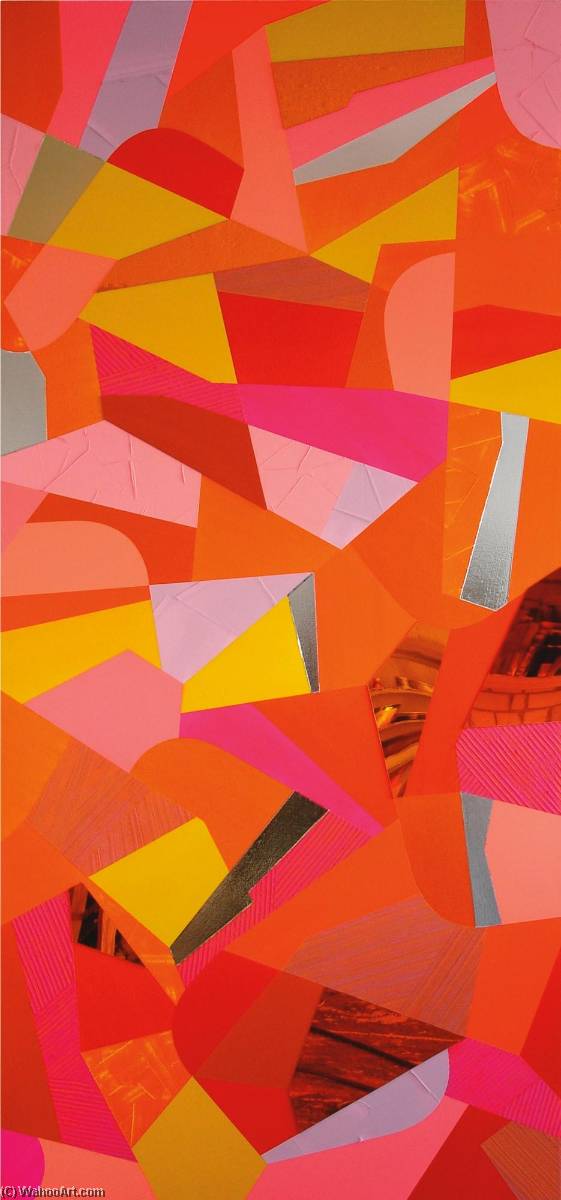
 プレビュー
プレビュー
 シェアする
シェアする シェアする
シェアする
 詳細を見る
詳細を見る

 ダウンロード
 似ている作品
 X線調査
X線調査 スライドショー
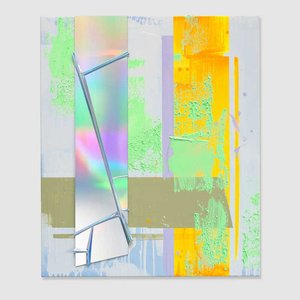
Untitled (for Otto Freundlich)
 詳細を見る
詳細を見る
ジークレー/アートプリント
迅速な制作と多彩な仕上げオプションを備えた、ミュージアムクオリティのジークレーまたはキャンバスプリント。 ( 手描きの絵画を購入 画像を購入)




































作品のオリジナル比率に合わせた、当店の規定サイズからお選びください。

特定のフレームやスペースに合わせて、ご自身でサイズを指定することも可能です。選択されたサイズが元の画像の比率と一致しない場合、作品をトリミングするか、鏡面反射または単色での塗りつぶしによって画像を拡張いたします。制作を開始する前に、ご確認用のデジタルモックアップをお送りいたします。
画面上のプレビューには、実際のトリミングや拡張は反映されませんのでご注意ください。最終的な構図を正確に確認できるのは、モックアップのみとなります。
カスタムサイズも承っておりますが、元の比率を維持するためには、あらかじめ用意されたリストからサイズを選択することをお勧めいたします。


 ガラスオプションは、110cm未満のサイズでのみご利用いただけます。

Untitled (for Otto Freundlich)
ジークレー/アートプリント
複製画のサイズ
-


合計金額
$ 62
関連作品
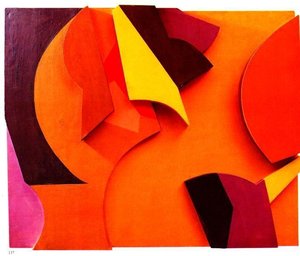
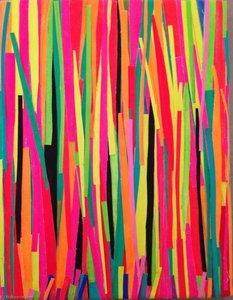


アーティストの略歴
Anselm Reyle: A Dialogue Between Found Objects and Abstract Form
Born in Tübingen, Germany, in 1970, Anselm Reyle’s artistic journey is a fascinating exploration of the unexpected – a deliberate collision between the commonplace and the profound. Initially drawn to landscape design and music, Reyle’s focus shifted decisively towards painting and sculpture, fueled by an inherent curiosity about materials and their potential for transformation. His work isn't simply about creating beautiful objects; it’s a sustained interrogation of our relationship with visual culture, challenging established aesthetic norms through a process of appropriation, recontextualization, and playful disruption.
Reyle’s early studies at the State Academy of Fine Arts in Stuttgart and Karlsruhe laid the groundwork for his distinctive approach. He quickly moved beyond traditional academic training, gravitating towards a more experimental practice that embraced chance encounters and unconventional materials. This shift culminated in 1997 with his relocation to Berlin, where he established a studio cooperative – a collaborative environment that profoundly shaped his artistic development. Working alongside figures like John Bock, Dieter Detzner, Berta Fischer, and Michel Majerus, Reyle benefited from a dynamic exchange of ideas and techniques, fostering a spirit of experimentation and pushing the boundaries of their collective practice.
The Language of Found Objects
A defining characteristic of Reyle’s oeuvre is his masterful manipulation of “found objects” – discarded materials stripped of their original purpose and imbued with new meaning. These aren't simply decorative elements; they are integral to the conceptual framework of his work, acting as visual metaphors and prompting viewers to reconsider familiar objects within a broader context. From colored foils salvaged from shop window displays to automotive lacquer and seemingly useless urban detritus, Reyle meticulously selects materials that carry latent associations – fragments of consumer culture, echoes of industrial production, and traces of everyday life.
The process of transforming these found objects is equally crucial. Reyle doesn’t merely attach them to a canvas or sculpt them into recognizable forms; he actively alters their appearance through layering, masking, and strategic juxtaposition. This deliberate manipulation creates a tension between the object's original identity and its new context, inviting viewers to engage in a process of deciphering and interpretation. As Reyle himself has noted, “coincidence plays an important role as well as the requirement to work with the unexpected.” This intuitive approach allows his art to evolve organically, driven by serendipitous discoveries and a willingness to embrace the unpredictable.
Series and Structures: Stripes and Foil
Reyle’s artistic practice is often structured around recurring series – motifs that he revisits and reinterprets across different materials and contexts. The “stripe paintings” stand as perhaps his most iconic achievement, a deliberate subversion of the formalist vocabulary established by Clement Greenberg in mid-20th century abstraction. These works, characterized by their uniform vertical stripes, challenge viewers to confront the seemingly simple yet profoundly complex relationship between form and color. Reyle’s use of disruptive elements – folds in foil, blotches of paint – introduces an element of controlled chaos, disrupting the established order and inviting a more nuanced reading of the composition.
Another significant series is his “foil paintings,” shimmering works created by meticulously arranging and installing colored foils within perspex boxes. These pieces are not merely decorative; they evoke a tactile sensation despite their inherent lack of physicality, creating a captivating paradox between visual perception and imagined touch. The interplay of light and color within the transparent boxes generates an ethereal atmosphere, transforming the mundane material of foil into something both familiar and strangely alien.
Influence and Legacy
Reyle’s work has garnered significant attention within the contemporary art world, with exhibitions held at prestigious institutions such as the Modern Institute in Glasgow, Galerie Almine Rech in Paris, and Kunsthalle Zurich. His pieces are now part of numerous private and public collections worldwide, including those of Centre Pompidou, Fondation Louis Vuitton, and the Saatchi Gallery. His influence extends beyond individual artworks; Reyle’s approach to material experimentation and conceptual engagement has resonated with a generation of artists seeking to challenge traditional notions of art-making.
Reyle's work is not simply about aesthetics; it’s a critical commentary on the visual landscape of contemporary society, prompting viewers to question the values and assumptions that shape our perceptions. By embracing the unexpected and transforming discarded materials into objects of beauty and contemplation, Anselm Reyle has established himself as a significant voice in the dialogue between abstraction, found objects, and the ever-evolving nature of art.
Anselm Reyle
1970 - , Germany
基本情報
- Artistic Movement Or Style: Abstract painting/sculpture
- Artists Or Movements Influenced By This Artist:
- Hans Arp
- Henry Moore
- Artists Who Influenced This Artist:
- Helmut Dorner
- Clement Greenberg
- Date Of Birth: 1970
- Full Name: Anselm Reyle
- Nationality: German
- Notable Artworks:
- Untitled (for Otto Freundlich)
- African sculptures
- stripe paintings
- foil paintings
- Place Of Birth: Tübingen, Germany