

 プレビュー
プレビュー
 シェアする
シェアする シェアする
シェアする
 詳細を見る
詳細を見る

 ダウンロード
 似ている作品
 X線調査
X線調査 スライドショー
 統計情報
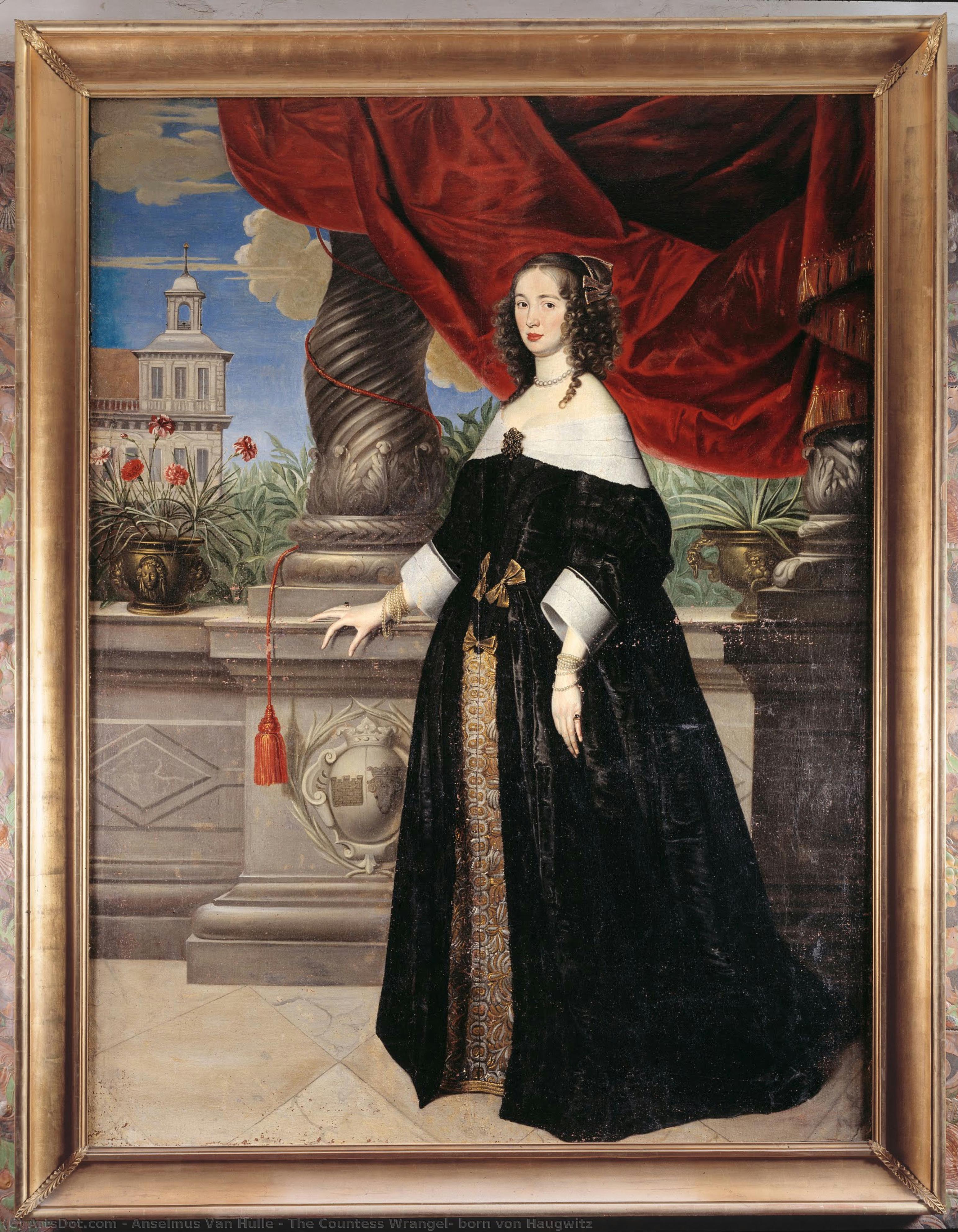
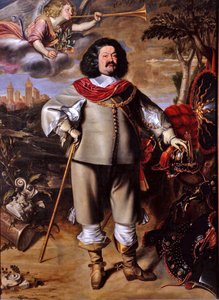
統計情報The Countess Wrangel, born von Haugwitz


 詳細を見る
詳細を見る
オンラインプレビューをはるかに凌ぐ、高解像度で鮮明なデジタル画像をご購入いただけます。
各ファイルは、社内の専門家が高度なツールと熟練した手作業によるレタッチを用いて、細心の注意を払って準備されています。すべての画像において、卓越した鮮明度、正確な色彩再現性、そして繊細なディテールを保証いたします。
最終ファイルは、プロフェッショナルな編集・印刷環境ですぐにご利用いただけるよう最適化された状態で、72時間以内にメールにてお届けいたします。これは、一流のデザインスタジオ、出版社、ギャラリーから信頼されているものと同等の品質です。
デジタルアート
個人での鑑賞、印刷、クリエイティブなプロジェクト用に、高解像度ファイルをダウンロードできます。 ( プリント版に切り替え 手描きの絵画を購入)
デジタル画像のご注文に付随する特典
高品質なデジタル画像配信を、確かな品質で。
ArtsDot.com を選ぶことは、単に画像を手に入れることではありません。それは、プロの手によって精密に仕上げられ、満足保証が付いた高品質なデジタルアートワークを受け取ることを意味します。ご注文いただいた際に自動的に付随する内容は、以下の通りです:

メールですぐにお届け
ご注文から72時間以内に、高解像度のデジタル画像ファイルがメールでお手元に届きます。すぐにそのままご利用いただけます。

AI技術で最適化されたデジタルファイル
お客様の作品は、高度なAIツールと専門家による手作業の編集を組み合わせてプロフェッショナルに最適化されており、細部のディテール、鮮明さ、そして正確な色再現性を最大限に引き出しています。

一生涯無料の再送サービス
ファイルを誤って削除したり、紛失してしまったりしましたか?ご安心ください。いつでも無料で再送いたします。

輸入手数料は一切かかりません
関税や手数料、配送料を気にすることなく、お気に入りのアートワークをすぐにお楽しみいただけます。デジタルダウンロードは常に免税です。

色彩再現の保証
プロ仕様のツールとカラーマネジメント技術を用いることで、デジタル画像が元の色を最大限に忠実に再現することを保証いたします。

100日間満足保証
ご購入いただいたデジタル画像にご満足いただけない場合は、100日以内であれば、理由を問わず修正または100%の返金対応をさせていただきます。

100% 返金保証
ご満足いただけない場合は、デジタルファイルを受け取ってから100日以内であれば、理由を問わず全額返金いたします。

まとめ買い割引
3枚購入で10%OFF - 5枚購入で15%OFF - 10枚以上購入で20%OFF。クリエイティブなプロジェクト、ギャラリー、エージェンシーに最適です。
A Vision of Baroque Elegance
In the quiet majesty of seventeenth-century portraiture, few works capture the intersection of aristocratic poise and painterly mastery as gracefully as Anselmus van Hulle’s The Countess Wrangel, born von Haugwitz. Created in 1649, this exquisite portrait serves as a window into an era defined by grandeur, where every fold of fabric and every subtle shadow whispered tales of status and refinement. The subject, a woman of undeniable distinction, is presented with a dignified presence that commands the viewer's attention. Dressed in the somber yet sophisticated black attire characteristic of high-ranking nobility, she wears a crisp white collar that provides a striking luminous contrast against the dark textures of her gown. The delicate ruffles of her undergarment peek through, adding a layer of intricate detail that speaks to the tactile luxury of the period.
The composition is masterfully orchestrated to evoke a sense of timelessness and architectural stability. Behind the Countess, the presence of stately columns and a distant building suggests an environment of permanence and power, grounding her individual identity within a larger historical and social framework. A rich, crimson curtain sweeps into the frame, its deep hue injecting a warmth and theatricality that is quintessential to the Baroque aesthetic. This interplay of light and shadow—the chiaroscuro effect—not only sculpts the Countess’s features with lifelike precision but also creates a dramatic stage upon which her persona is performed for posterity.
Technique and the Art of Presence
Van Hulle’s technical prowess is evident in his ability to manipulate light to create depth and texture. The artist employs a sophisticated approach to rendering different materials, from the heavy, light-absorbing quality of the black silk to the ethereal, translucent nature of the lace. His brushwork, while precise enough to capture the fine strands of her elegantly styled hair, retains a fluid vitality that prevents the portrait from feeling static. This balance between meticulous detail and painterly movement is what allows the piece to breathe, making the Countess feel less like a historical figure and more like a living, breathing presence within the room.
For the discerning collector or interior designer, this painting offers much more than mere decoration; it provides an emotional anchor for a space. The portrait carries an aura of quiet strength and sophisticated nostalgia, making it an ideal centerpiece for a library, a formal dining hall, or a curated gallery wall. When reimagined as a high-quality hand-painted reproduction, the artwork retains its ability to transform a contemporary setting into one of classical splendor. It invites conversation, prompting reflections on lineage, history, and the enduring allure of the human spirit captured in oil.
To possess such a work is to embrace the legacy of the Baroque masters. Whether placed in a modern minimalist interior to provide a bold, historical contrast or integrated into a traditional setting to enhance its existing grandeur, The Countess Wrangel remains a profound testament to the power of portraiture to transcend time and captivate the soul.
関連作品



作家の略歴
Guido Cagnacci: A Baroque Enigma
Born in the small, unassuming village of Santarcangelo in 1601, Guido Cagnacci’s life and artistic journey remain shrouded in a captivating blend of eccentricity and intrigue. He wasn't a figure celebrated by grand historical narratives; instead, his story is largely pieced together from legal records – accounts of elopements, scandalous liaisons, and accusations that paint a portrait of an artist profoundly out of sync with the conventions of his time. Cagnacci’s art, predominantly religious in subject matter, quickly gained notoriety for its strikingly unconventional approach, particularly its unabashed and often unsettling eroticism—a daring departure from the prevailing piety of the seventeenth century. His life, mirroring his work, was a testament to a spirit that defied easy categorization, making him one of the most fascinating, if somewhat elusive, figures of Italian Baroque painting.
Cagnacci’s early artistic training remains somewhat uncertain, though it's believed he began his studies in Romagna. He spent formative years in Bologna and Rome, absorbing the influences of masters like the Carracci and Guercino. However, rather than adhering rigidly to established styles, Cagnacci forged a distinctly individual path. His career unfolded across Italy – from the principal cities of Romagna like Rimini and Faenza, to Venice, and finally Vienna—a testament to his restless spirit and the demand for his unique vision. He wasn’t simply a painter; he was a chameleon, adapting his style and subject matter to suit each patron and location, yet always retaining a core of sensual intensity.
The Sensual Revolution
Cagnacci's artistic signature lies in his masterful manipulation of the human form. He elevated the female nude—a relatively rare occurrence in religious painting—to an almost operatic level of beauty and sensuality. His figures are not idealized; they possess a palpable physicality, a vulnerability and a quiet dignity that draws the viewer into their world. This wasn’t mere decoration; it was a deliberate challenge to the prevailing artistic norms. Critics of his time accused him of vulgarity, suggesting his paintings were overly suggestive and lacking in spiritual depth. Yet, beneath the surface of this perceived transgression lay a profound understanding of human emotion and a remarkable ability to capture the fleeting beauty of the flesh.
His use of color is equally distinctive. Cagnacci employed rich, vibrant hues—deep reds, blues, and greens—to create dramatic contrasts and heighten the emotional impact of his scenes. He utilized *chiaroscuro* – the interplay of light and shadow – with a particular sensitivity, sculpting forms and creating a sense of depth and atmosphere. This technique, influenced by Caravaggio but developed with Cagnacci’s own unique flair, further emphasized the physicality of his figures and contributed to the overall sensual quality of his work.
Influences and Development
While Cagnacci's style is undeniably original, it’s clear that he was deeply influenced by the artistic currents of his time. The works of Guido Reni, with their languid grace and emphasis on beauty, are particularly evident in Cagnacci’s later paintings. However, unlike Reni, who often presented a more restrained sensuality, Cagnacci embraced it fully, imbuing his figures with an almost palpable eroticism. The Venetian masters—Tintoretto and Veronese—also exerted a significant influence on his use of color and composition. The dramatic lighting and dynamic movement found in their paintings can be seen echoed in Cagnacci’s own work.
As Cagnacci matured, his style evolved. Early works are characterized by a more restrained palette and a focus on narrative detail. However, from the late 1630s onwards, his paintings became increasingly bold and sensual, reflecting a growing confidence in his artistic vision. The “Repentant Magdalene,” painted around 1660-63, exemplifies this shift—a powerful image of vulnerability and spiritual longing rendered with breathtaking beauty and emotional intensity.
Legacy and Rediscovery
Despite his undeniable talent and innovative approach, Cagnacci’s work was largely forgotten for centuries. His scandalous personal life likely contributed to the neglect of his artistic achievements, as his reputation preceded him. It wasn't until the mid-20th century that art historians began to recognize the significance of his oeuvre, initiating a slow but steady process of rediscovery. Cesare Gnudi’s insightful analysis in 1952 brought Cagnacci back into critical discourse, paving the way for renewed appreciation of his unique artistic vision.
Today, Guido Cagnacci is recognized as one of the most important and enigmatic figures of Italian Baroque painting. His work stands apart from the more conventional styles of his time, offering a glimpse into a world where beauty, sensuality, and spirituality coexisted in a complex and often unsettling manner. His legacy lies not only in his stunningly beautiful paintings but also in his defiant spirit—a testament to an artist who dared to challenge the norms and forge his own unique path.
anselmus van hulle
1601 - 1674 , Belgium
プロフィール概要
- Artistic Movement Or Style: Bolognese School
- Artists Or Movements Influenced By This Artist:
- Baroque
- Venetian School
- Artists Who Influenced This Artist:
- Guido Reni
- Carracci
- Date Of Birth: 1601
- Date Of Death: 1663
- Full Name: Guido Cagnacci
- Nationality: Italian
- Notable Artworks:
- Repentant Magdalene
- Various religious paintings
- Place Of Birth: Santarcangelo, Romagna