

 プレビュー
プレビュー
 シェアする
シェアする シェアする
シェアする
 詳細を見る
詳細を見る

 ダウンロード
 似ている作品
 X線調査
X線調査 スライドショー
 Stats
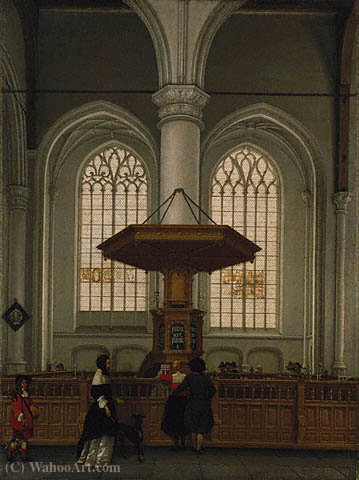
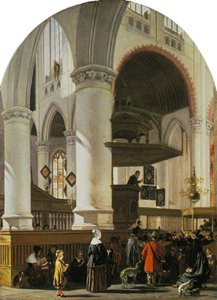
StatsInterior of the Laurenskerk at Rotterdam
 詳細を見る
詳細を見る
オンラインプレビューをはるかに凌ぐ、高解像度で鮮明なデジタル画像をご購入いただけます。
各ファイルは、社内の専門家が高度なツールと熟練した手作業によるレタッチを用いて、細心の注意を払って準備されています。すべての画像において、卓越した鮮明度、正確な色彩再現性、そして繊細なディテールを保証いたします。
最終ファイルは、プロフェッショナルな編集・印刷環境ですぐにご利用いただけるよう最適化された状態で、72時間以内にメールにてお届けいたします。これは、一流のデザインスタジオ、出版社、ギャラリーから信頼されているものと同等の品質です。
デジタルアート
個人での鑑賞、印刷、クリエイティブなプロジェクト用に、高解像度ファイルをダウンロードできます。 ( Switch to Print 手描きの絵画を購入)
デジタル画像のご注文に付随する特典
高品質なデジタル画像配信を、確かな品質で。
ArtsDot.com を選ぶことは、単に画像を手に入れることではありません。それは、プロの手によって精密に仕上げられ、満足保証が付いた高品質なデジタルアートワークを受け取ることを意味します。ご注文いただいた際に自動的に付随する内容は、以下の通りです:

メールですぐにお届け
ご注文から72時間以内に、高解像度のデジタル画像ファイルがメールでお手元に届きます。すぐにそのままご利用いただけます。

AI技術で最適化されたデジタルファイル
お客様の作品は、高度なAIツールと専門家による手作業の編集を組み合わせてプロフェッショナルに最適化されており、細部のディテール、鮮明さ、そして正確な色再現性を最大限に引き出しています。

一生涯無料の再送サービス
ファイルを誤って削除したり、紛失してしまったりしましたか?ご安心ください。いつでも無料で再送いたします。

輸入手数料は一切かかりません
関税や手数料、配送料を気にすることなく、お気に入りのアートワークをすぐにお楽しみいただけます。デジタルダウンロードは常に免税です。

色彩再現の保証
プロ仕様のツールとカラーマネジメント技術を用いることで、デジタル画像が元の色を最大限に忠実に再現することを保証いたします。

100日間満足保証
ご購入いただいたデジタル画像にご満足いただけない場合は、100日以内であれば、理由を問わず修正または100%の返金対応をさせていただきます。

100% 返金保証
ご満足いただけない場合は、デジタルファイルを受け取ってから100日以内であれば、理由を問わず全額返金いたします。

まとめ買い割引
3枚購入で10%OFF - 5枚購入で15%OFF - 10枚以上購入で20%OFF。クリエイティブなプロジェクト、ギャラリー、エージェンシーに最適です。
関連作品

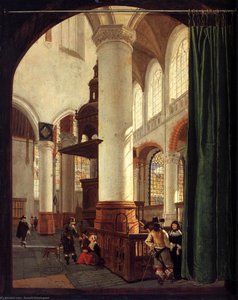
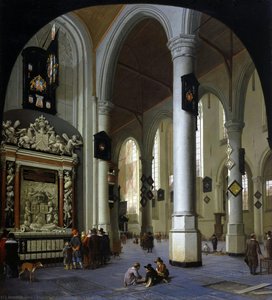
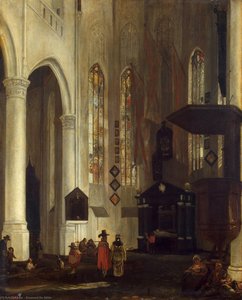
作家の略歴
The Architect of Light: The Life and Legacy of Anthonie de Lorme
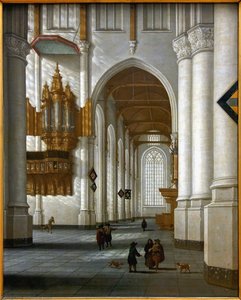
In the golden age of the Dutch Baroque, few artists possessed the ability to transform cold stone and silent architecture into breathing, spiritual landscapes as effectively as Anthonie de Lorme. Born in the historic city of Tournai, in what was then the Spanish Netherlands, around 1610, de Lorme’s journey eventually led him to the heart of the Dutch Republic. His life was inextricably linked to the vibrant, industrious atmosphere of Rotterdam, where he established himself as a master of a very specific and demanding niche: the interior view of the church. While many of his contemporaries sought fame through sweeping historical epics or intimate portraits, de Lerne found his calling in the quiet grandeur of sacred spaces, capturing the intersection of divine light and human architecture.
The development of de Lorme’s style was a meticulous process of observation and technical mastery. Though historical records regarding his formal training remain somewhat enigmatic—with debates lingering over whether he studied under the perspective specialist Jan van der Vucht or the renowned Bartholomeus van Bassen—his canvases reveal a profound command of spatial depth. His work is characterized by an extraordinary attention to architectural detail, where every column, vaulted ceiling, and altar seemed to possess a tangible weight. This precision was often enhanced through unique professional collaborations; de Lorme frequently worked alongside talented staffage painters, such as Ludolf de Jongh and Anthonie Palamedesz. These artists would breathe life into his silent halls by adding the human element—figures engaged in prayer, conversation, or quiet contemplation—creating a seamless harmony between the monumental scale of the buildings and the intimate scale of human existence.
Mastery of Chiaroscuro and the Baroque Aesthetic
To step into a painting by Anthonie de Lorme is to experience the dramatic tension of the Baroque era. He was a virtuoso of chiaroscuro, utilizing the stark, theatrical contrast between deep shadows and brilliant highlights to guide the viewer's eye through the vastness of his church interiors. This technique did more than just create depth; it imbued the very air within his painted cathedrals with a sense of holiness. Light in de Lorme’s work is never merely a physical phenomenon; it is a symbolic force, streaming through high clerestory windows to illuminate the dust motes and the polished surfaces of marble, suggesting the presence of the divine within the earthly realm.
His influence, likely shaped by the monumental legacies of Rembrandt and Rubens, allowed him to achieve a luminous quality in his oil paintings. He possessed a rare ability to render different textures—the cold smoothness of stone, the soft weave of fabric, and the reflective sheen of metal—with such nuance that the surfaces seemed to react to the shifting light. This dedication to realism served a higher purpose: by presenting these religious spaces with unparalleled accuracy, he allowed his audience to feel as though they were standing within the hallowed halls of the Saint Lawrence Church in Rotterdam themselves. Indeed, his depictions were so precise that they later served as vital references for restorers seeking to understand the original splendor of these historic structures.
Historical Significance and Artistic Contribution
The historical importance of Anthonie de Lorme extends far beyond the aesthetic beauty of his canvases. He stands as a crucial figure in the documentation of 17th-century Dutch religious life and architecture. Through his eyes, we witness the solemnity and the structural magnificence of an era defined by both intense religious fervor and burgeoning civic pride. His work provides a visual record of churches that have since undergone centuries of change, preserving the architectural soul of Rotterdam and Tournai for posterity.
Ultimately, de Lorme’s contribution to art lies in his ability to marry the mathematical rigor of perspective with the emotional depth of the Baroque spirit. He did not merely paint buildings; he painted the atmosphere of devotion. His legacy is found in every carefully rendered shadow and every beam of light that pierces through his compositions, reminding us that even within the most massive structures, there is a space for the intimate, the human, and the divine. His life's work remains a testament to the power of detail, proving that by looking closely at the world around us, we can uncover its deepest spiritual resonances.
anthonie de lorme
1610 - 1673 , Belgium
プロフィール概要
- Artistic Movement Or Style: Baroque
- Date Of Birth: Tournai, Belgium (1610)
- Date Of Death: 1673
- Full Name: Anthony de Lorme
- Nationality: Dutch
- Notable Artworks: ['The Interior of the Church of St. Laurens in Rotterdam']
- Place Of Birth: Tournai