

 プレビュー
プレビュー
 シェアする
シェアする シェアする
シェアする
 詳細を見る
詳細を見る

 ダウンロード
 似ている作品
 X線調査
X線調査 スライドショー
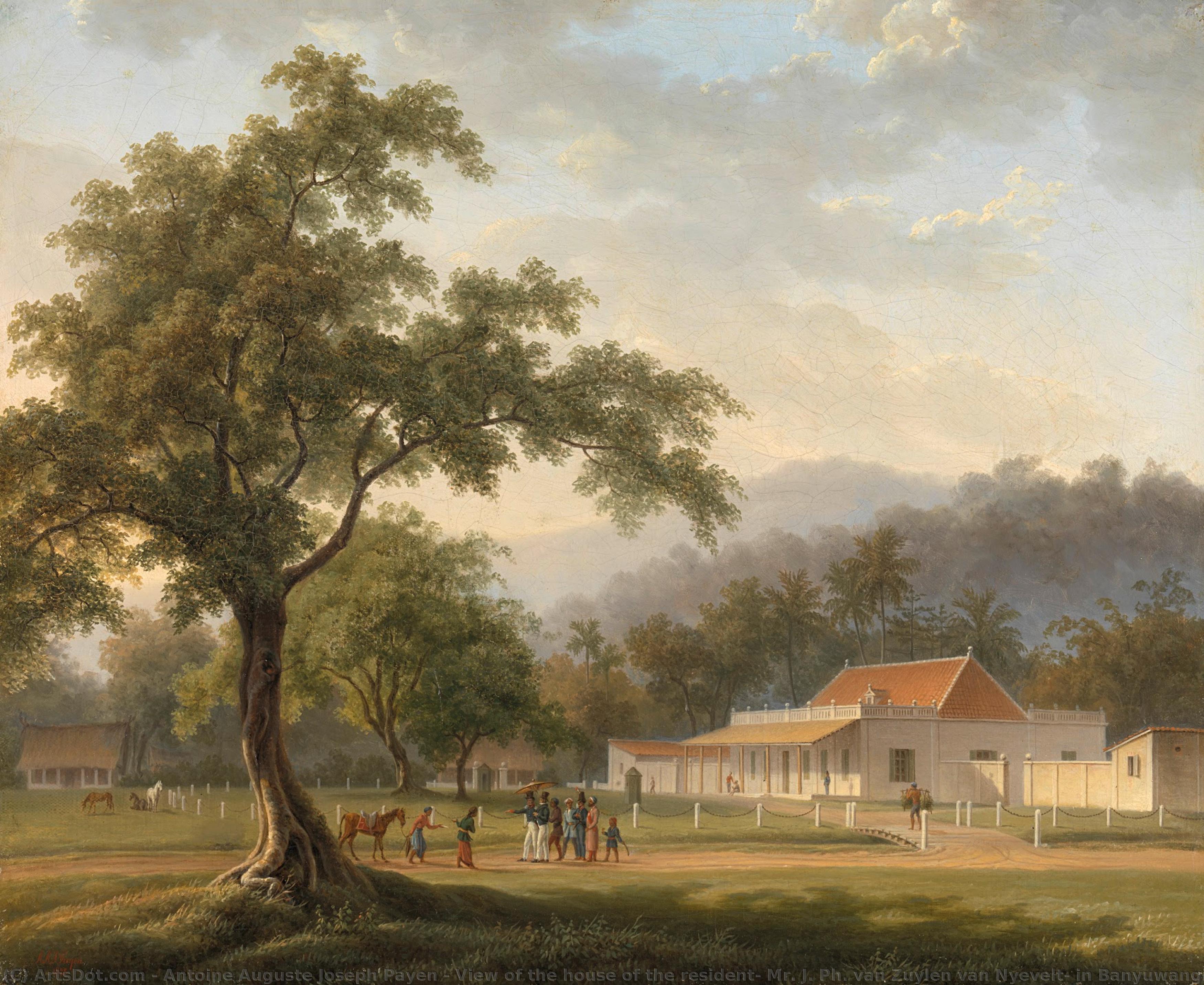
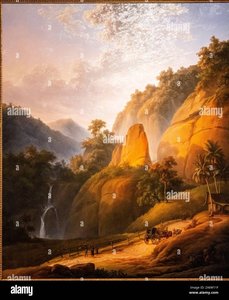
View of the house of the resident, Mr. J. Ph. van Zuylen van Nyevelt, in Banyuwangi (East Java), Antoine Auguste Joseph Payen, 1828
 Romanticism/Early Realism
 1828
1828 65.0 x 10.0 cm
 詳細を見る
詳細を見る
ジークレー/アートプリント
迅速な制作と多彩な仕上げオプションを備えた、ミュージアムクオリティのジークレーまたはキャンバスプリント。 ( 手描きの絵画を購入 画像を購入)




































作品のオリジナル比率に合わせた、当店の規定サイズからお選びください。

特定のフレームやスペースに合わせて、ご自身でサイズを指定することも可能です。選択されたサイズが元の画像の比率と一致しない場合、作品をトリミングするか、鏡面反射または単色での塗りつぶしによって画像を拡張いたします。制作を開始する前に、ご確認用のデジタルモックアップをお送りいたします。
画面上のプレビューには、実際のトリミングや拡張は反映されませんのでご注意ください。最終的な構図を正確に確認できるのは、モックアップのみとなります。
カスタムサイズも承っておりますが、元の比率を維持するためには、あらかじめ用意されたリストからサイズを選択することをお勧めいたします。


 ガラスオプションは、110cm未満のサイズでのみご利用いただけます。

View of the house of the resident, Mr. J. Ph. van Zuylen van Nyevelt, in Banyuwangi (East Java), Antoine Auguste Joseph Payen, 1828
ジークレー/アートプリント
複製画のサイズ
-


合計金額
$ 62
関連作品

アーティストの略歴
Antoine Auguste Joseph Payen: Pioneer of Orientalist Landscape Painting
Antoine Auguste Joseph Payen (1792 – 1853), often referred to as Antoine Payen the Younger, stands as a pivotal figure in Belgian art history and a significant contributor to the burgeoning field of orientalist landscape painting during the early 19th century. Born in Brussels, his artistic lineage traced back to his father, Antoine Payen the Elder, who practiced architecture – an influence that instilled in young Antoine a meticulous attention to detail and spatial understanding crucial for his later endeavors as a painter.- Early Life & Education: Payen’s formative years were marked by exposure to architectural principles and artistic traditions prevalent in Brussels during the Romantic era. While biographical details remain somewhat sparse, he honed his skills through self-study and instruction from prominent artists of the time, establishing a foundation for his distinctive style.
- Commissioned Artist: Payen’s career gained considerable momentum when he secured a prestigious commission from Dutch King William I – to depict the landscapes of the Dutch East Indies. This undertaking propelled him into uncharted artistic territory and demanded an unprecedented level of observational accuracy combined with expressive rendering.
The Great Postal Route Near Rejapolah: A Landmark Achievement
Perhaps Payen’s most celebrated work is “The Great Postal Route Near Rejapolah,” completed in 1828 and currently residing within the Rijksmuseum in Amsterdam. This monumental canvas exemplifies Payen's mastery of Romantic realism, skillfully capturing the grandeur and serenity of Java’s terrain. The painting showcases a breathtaking panorama of rolling hills dotted with palm trees, reflecting the shimmering expanse of the Java Sea. Payen’s meticulous brushwork—characterized by delicate layering and subtle tonal variations—imbues the scene with palpable atmosphere and conveys an impression of profound tranquility. It's considered one of the most important paintings from this period and a testament to Payen's artistic vision.- Technique: Payen employed oil paints on canvas, utilizing a technique that prioritized tonal harmony and atmospheric perspective—essential elements for conveying the scale and beauty of the East Indies landscape.
- Symbolism & Impression: Beyond mere topographical representation, “The Great Postal Route Near Rejapolah” embodies Romantic ideals of sublime grandeur and evokes an emotional response in the viewer. Payen’s aim was not simply to depict what he saw but to capture the essence of the environment—its majesty and its inherent stillness.
Mentorship & Artistic Collaboration: The Influence of Raden Saleh
Payen's artistic journey took an extraordinary turn in 1819 when he encountered Raden Saleh, a young Malay artist displaying remarkable talent for drawing. Recognizing Saleh’s potential, Payen undertook the role of his mentor—a relationship that would endure throughout Saleh’s subsequent travels to Europe. This collaboration profoundly impacted Saleh's artistic development and solidified Payen’s reputation as an educator and innovator.- Saleh’s Career: Saleh followed Payen to Europe in 1826, where he continued his artistic pursuits under Payen’s guidance—further refining his technique and broadening his stylistic horizons.
- Shared Vision: The partnership between Payen and Saleh fostered a shared commitment to capturing the spirit of Eastern landscapes with sensitivity and precision—establishing a precedent for collaborative artistic endeavors that would resonate throughout the Romantic movement.
Legacy & Historical Significance
Antoine Payen’s contribution to Belgian art history extends beyond his individual achievements as a painter. He represents a crucial link between Romantic idealism and the emerging genre of orientalist landscape painting—a style characterized by fascination with exotic locales and an attempt to portray them with accuracy and emotional depth. His work continues to inspire artists today, demonstrating the enduring power of observation and artistic expression. Payen’s legacy resides not only in his masterpieces but also in his role as a formative influence on another prominent artist—Raden Saleh—solidifying his place among the most important figures of 19th-century Belgian art.Further Exploration
For more information about Antoine Payen’s life and work, consult: * My Open Museum: Antoine Payen * Wikimedia Commons: File:A.A Joseph Payen Market Place of Village Banyuwangi.jpg
antoine auguste joseph payen
1792 - 1853 , Belgium
基本情報
- Artistic Movement Or Style: Romantic Realism
- Artists Or Movements Influenced By This Artist: ['Raden Saleh']
- Artists Who Influenced This Artist: ['Jean-Baptiste Camille Corot']
- Date Of Birth: Brussels, Belgium (1792)
- Date Of Death: Tournai (1853)
- Full Name: Antoine Auguste Joseph Payen
- Nationality: Belgian
- Notable Artworks: ['The Great Postal Route near Rejapolah']
- Place Of Birth: Brussels
関連記事

Golden Age Reflections: Dutch Baroque Painting & Cultural Innovation
Explore the Dutch Golden Age of painting! Discover key artists like Vermeer & ter Borch, their innovative techniques, and the rich cultural context behind these Baroque masterpieces. Learn about collecting & appreciating this iconic art period.

Illuminating Innovation: Exploring the Dutch Golden Age of Painting
Explore the Dutch Golden Age of painting with ArtsDot. Discover Rembrandt, Vermeer & other Masters. Learn about key characteristics, iconic artworks, and lasting influence. Expert insights for collectors & enthusiasts.
Charles Leickert: Capturing the Dutch Golden Age Light – A Comprehensive Study of Technique, Context, and Legacy
Explore the captivating winter landscapes of Charles Leickert, a master of Dutch Golden Age light & atmosphere. Discover his techniques, symbolism, and lasting legacy – a comprehensive study for art enthusiasts and collectors.
Illuminating Realism: Exploring the Dutch Golden Age of Painting (1600-1700)
Explore the Dutch Golden Age of painting (1600-1700) with ArtsDot. Discover Rembrandt, Vermeer & other masters. Learn about techniques, history & find museum-quality reproductions.

黄金世紀の巨匠たち:バロック絵画が彩る10選|ArtsDot
オランダ黄金時代の10大傑作を紐解く!レンブラント、フェルメール…バロック絵画の魅力と時代背景を深く探求。ArtsDotで、至高のアートコレクションと空間演出のヒントを見つけよう。高品質なアートプリントで、お部屋を華やかに。