

 シェアする
シェアする シェアする
シェアする
 詳細を見る
詳細を見る

 ダウンロード
 似ている作品
 スライドショー
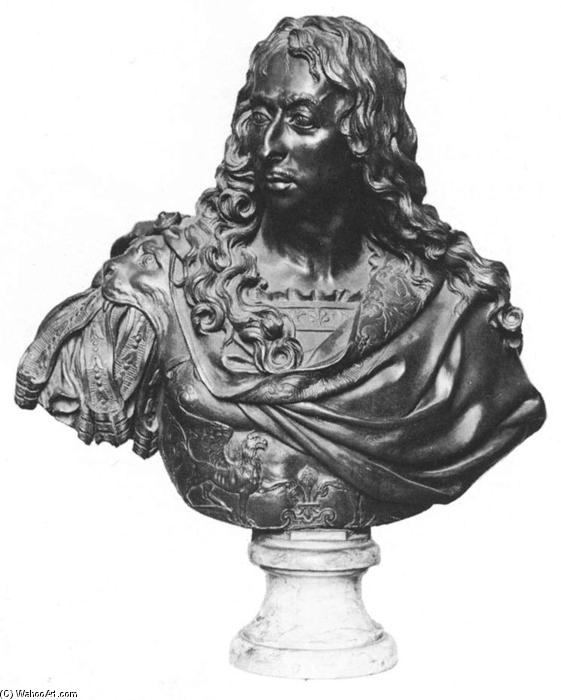
Bust of the Grand Condé


 詳細を見る
詳細を見る
ジークレー/アートプリント
迅速な制作と多彩な仕上げオプションを備えた、ミュージアムクオリティのジークレーまたはキャンバスプリント。 ( 手描きの絵画を購入 画像を購入)




































作品のオリジナル比率に合わせた、当店の規定サイズからお選びください。

特定のフレームやスペースに合わせて、ご自身でサイズを指定することも可能です。選択されたサイズが元の画像の比率と一致しない場合、作品をトリミングするか、鏡面反射または単色での塗りつぶしによって画像を拡張いたします。制作を開始する前に、ご確認用のデジタルモックアップをお送りいたします。
画面上のプレビューには、実際のトリミングや拡張は反映されませんのでご注意ください。最終的な構図を正確に確認できるのは、モックアップのみとなります。
カスタムサイズも承っておりますが、元の比率を維持するためには、あらかじめ用意されたリストからサイズを選択することをお勧めいたします。


 ガラスオプションは、110cm未満のサイズでのみご利用いただけます。

Bust of the Grand Condé
ジークレー/アートプリント
複製画のサイズ
-


合計金額
$ 62
A Portrait of Power and Majesty
Antoine Coysevox’s “Bust of the Grand Condé” is more than just a sculpted likeness; it's a meticulously crafted embodiment of 17th-century power, nobility, and the calculated grandeur that defined the reign of Louis XIV. This remarkable piece, rendered in cool, luminous marble, captures the essence of Louis Henri de Bourbon, Prince de Condé – a military leader, diplomat, and figure of considerable influence during a turbulent period of French history. The sculpture isn’t merely a representation; it's an assertion of status, a visual declaration of the Condé’s authority and legacy.
Baroque Realism and Royal Patronage
Coysevox, a sculptor deeply embedded within the artistic circle surrounding Louis XIV at Versailles, exemplifies the Baroque style’s commitment to realism and dramatic effect. His training under Nicolas Frémiet and Jean-Baptiste Tourte instilled in him a profound understanding of classical anatomy and sculptural technique. However, Coysevox wasn't simply replicating antiquity; he was imbuing it with the dynamism and emotional intensity characteristic of the Baroque era. The “Grand Condé” bust is a testament to this synthesis – a flawlessly rendered portrait that simultaneously conveys both anatomical precision and an underlying sense of contained power.
The sculpture’s creation was intrinsically linked to the patronage system of Louis XIV's court. Royal commissions fueled artistic innovation, demanding exceptional skill and attention to detail. Coysevox’s success stemmed not only from his technical prowess but also from his ability to capture the personality and projected image of his subject – in this case, a man who commanded respect through both military might and diplomatic acumen.
A Study in Form and Texture
The sculpture's surface is remarkably smooth, achieved through meticulous carving techniques. The artist skillfully manipulated the marble to create subtle variations in texture, suggesting the weight of clothing, the sheen of polished armor (implied rather than explicitly depicted), and the delicate contours of the face. Notice how Coysevox uses light and shadow to model the form – highlighting the strong jawline, the proud brow, and the carefully arranged curls of hair. The overall effect is one of incredible depth and realism, inviting the viewer to study every detail.
The composition itself is thoughtfully balanced. The bust’s placement on its ornate pedestal elevates it, reinforcing the Condé's status. The strong vertical axis draws the eye upward, emphasizing his stature and authority. The use of straight lines in the collar and pedestal contrasts with the more flowing curves of the hair and clothing, creating a harmonious visual balance.
Symbolism and Historical Context
Beyond its purely aesthetic qualities, the “Bust of the Grand Condé” is laden with symbolic meaning. The carefully chosen pose – upright, alert, and radiating confidence – projects an image of leadership and resolve. The meticulously rendered facial features convey a sense of dignity and intelligence, suggesting a man accustomed to command and influence. Considering the historical context—a period marked by political intrigue, military campaigns, and royal ambition—the sculpture serves as a potent visual reminder of the Condé’s role in shaping French history.
Further research reveals that this particular bust was created in 1688, shortly before the Grand Condé's untimely death. This adds another layer of poignancy to the work, transforming it from a simple portrait into a meditation on mortality and legacy. The sculpture’s presence within the Louvre Museum—a repository of French artistic treasures—testifies to its enduring value and significance.
関連作品
アーティストの略歴
王権の壮麗を刻む彫刻家
アントワーヌ・コイヴォックスは、バロック様式のフランスにおける芸術的景観において、極めて重要な足跡を残した人物です。彼の生涯は、ルイ14世の治世、そしてその時代を定義づけた野心的な王室の庇護と分かちがたく結びついています。1640年にリヨンで、彫刻家の息子という控えめな境遇に生まれた彼は、若き日の地方の工房から、やがてフランス宮廷の輝かしい中心部へとその身を移していきました。そして、やがてルイ14世様式を定義づけることとなる、権力の視覚的言語そのものを創り上げていったのです。
彼の形成期は、古典的な理想と解剖学的な正確さへの厳格な献身によって形作られました。1657年にパリへ渡った彼は、ルイ・レランベールの工房に加わり、そこで石の中に生命を捉える類まれな才能を開花させ始めます。この初期の修行に加え、後に授与された名誉あるローマ賞での経験が、彼独自の美学を統合させることとなりました。それは、バロック運動のダイナミックなエネルギーと、古代の静謐で規律ある優雅さを融合させたものでした。イタリアへの大規模な滞在こそなかったものの、コイヴォックスは古典的精神を呼び起こす不思議な能力を備えており、フランスを「新たなローマ」として提示しようとした国王にとって、まさに理想的な芸術家であったと言えるでしょう。
大理石と黄金に刻まれた遺産
コイヴォックスのキャリアの絶頂期は、ヴェルサイユ宮殿の建築的・政治的な拡張期と重なりました。王室御用達の彫刻家として、彼の作品は宮殿の装飾プログラムにおける不可欠な要素となりました。彼は単に空間を飾ったのではありません。石に命を吹き込み、ヴェルサイユやマルリーの庭園や広間を、王室の神話を作り上げるための舞台へと変貌させたのです。その多才さは比類なきものであり、肖像胸像が持つ繊細で親密な表現から、騎馬像や寓意像が放つ圧倒的な存在感に至るまで、その幅は極めて広いものでした。
フランスの芸術史における彼の貢献は、多岐にわたります:
- 権力の肖像:コイヴォックスはこの時代の第一級の肖像画家となりました。その最も顕著な例が、ルイ14世の傑作とされる大理石の胸像です。これらの作品は単なる外見の模写に留まらず、王としての威厳を構築した象徴であり、神聖な権威と揺るぎない信念のオーラを伝えるものでした。
- 装飾の極致:ヴェルサイユ宮殿の広間において、彼は戦の広間のレリーフや戦の壺の制作といった記念碑的なプロジェクトに従事しました。金メッキを施した鉛やカッラーラ大理石といった素材を操る技術は、国王の儀礼の間における感覚的な豪華さに大きく貢献しました。
- 寓意の輝き:王族のみならず、ディアナ女神としてのブルゴーニュ公爵夫人などの作品は、神話的なテーマと当時のエレガンスを融合させる彼の能力を示しており、その時代の美学の中核をなす優雅さと美しさを体現していました。
歴史的意義と永続する影響
アントワーヌ・コイヴォックスの歴史的な重要性は、フランスというアイデンティティの「視覚的な建築家」としての役割にあります。彼の手を通じて、ブルボン王朝の政治的野心は、永久的で触れることのできる形へと昇華されました。彼は、奔放で時に激動を伴うバロック様式から、より制御された古典的な優雅さへの変遷を捉え、その様式は後の世代のヨーロッパ美術に影響を与えることとなりました。ヴェルサイユ宮殿やマルリーの庭園に残された彼の仕事は、芸術が国家戦略の究極の手段であった時代の証として、今もなお輝きを放っています。
後の時代に様式が新古典主義へと移行していった後も、コイヴォックスが築いた礎は揺るぎないものでした。彼が遺した作品群は、ルーヴル美術館やミネアポリス美術館といった世界で最も権威ある機関に今も収蔵されています。彼の全作品を辿ることは、17世紀フランスの鼓動を目の当たりにすることに他なりません。それは、一彫り一彫りの鑿(のみ)の跡が、王国の栄光を永遠のものとするために捧げられた、比類なき芸術的野心の時代なのです。
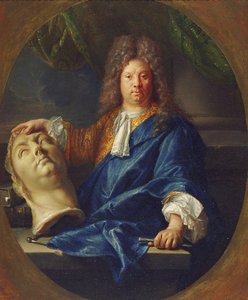
アントワーヌ・コイヴォックス
1640 - 1720 , フランス
基本情報
- Artistic Movement Or Style: バロック
- Artists Or Movements Influenced By This Artist: ['シャルル・ル・ブラン']
- Artists Who Influenced This Artist: ['ニコラ・クズー']
- Date Of Birth: 1640年9月29日
- Date Of Death: 1720年10月10日
- Full Name: アントワーヌ・コイヴォックス
- Nationality: フランス
- Notable Artworks:
- メルクリウスと騎馬のファム
- セーヌとその対となる作品
- Place Of Birth: フランス、リヨン
関連記事

Bronze Sculptures That Defined Art History | ArtsDot
Journey through art history with our Top 10 bronze sculptures! Explore masterpieces by Rodin, Michelangelo & more. Discover stories behind iconic statues and find museum-quality reproductions for your home decor at ArtsDot.com.

The Enduring Form: Exploring Themes & Techniques in Sculpture Across Historical Periods
Explore the rich history of sculpture from ancient masterpieces to contemporary innovations. Discover key techniques, influential artists & investment potential for discerning art collectors.

The Enduring Form: Sculpture Across History, Technique & Emotional Resonance
Explore the rich history of sculpture with ArtsDot. Discover key techniques, influential artists & investment potential for discerning collectors. Expert insights into valuing and collecting timeless masterpieces.

Bronze Age to Modern Masters: 10 Sculptures That Redefined Art | ArtsDot
Journey through art history with 10 legendary bronze sculptures – from Michelangelo's David to Rodin’s Thinker. Explore the stories, techniques & timeless beauty of these masterpieces. Find museum-quality reproductions & elevate your home decor on ArtsDot.com.
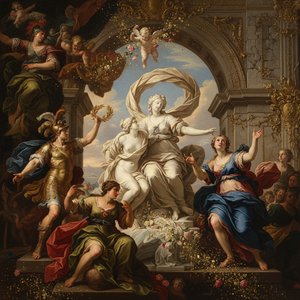
Theatricality & Triumph: Baroque Drama in Painting & Sculpture
Explore the dramatic world of Baroque art! Discover its history, defining characteristics, & lasting influence on painting & sculpture. Expert insights into Caravaggio, Zurbarán, and Bernini – plus high-quality reproductions at ArtsDot.

