

 シェアする
シェアする シェアする
シェアする
 詳細を見る
詳細を見る

 ダウンロード
 似ている作品
 スライドショー
 Stats
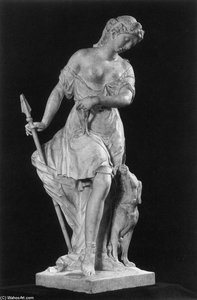
StatsThe Duchesse de Bourgogne as Diana


 詳細を見る
詳細を見る
手描き油彩複製画
当社のアーティストが、お客様のご希望のサイズと額縁に合わせて、キャンバスに手描きで制作する油彩画です。 ( Switch to Print Switch to Digital Image)




































作品のオリジナル比率に合わせた、当店の規定サイズからお選びください。

特定のフレームやスペースに合わせて、ご希望のサイズをご入力いただけます。選択されたサイズが元の画像の比率と異なる場合、アートワークをトリミングするか、手描きで要素を追加して絵画を拡張いたします。デジタルモックアップ を制作し、制作開始前にご確認(承認)をいただきます。
画面上のプレビューは、実際のトリミングや拡張を正確に反映しているものではありません。最終的な構図は、モックアップによってのみ正確にご確認いただけます。
カスタムサイズもご利用いただけますが、元の比率を維持するためには、あらかじめ用意されたリストからサイズを選択することをお勧めいたします。
ご注文後、ArtsDot.com チームより詳細な指示をお送りするとともに、仕上がりイメージ(モックアップ)をご提供いたします。


 ガラスオプションは、110cm未満のサイズでのみご利用いただけます。

The Duchesse de Bourgogne as Diana
複製技法
複製画のサイズ
-


合計金額
$ 263
A Vision of Neoclassical Grace
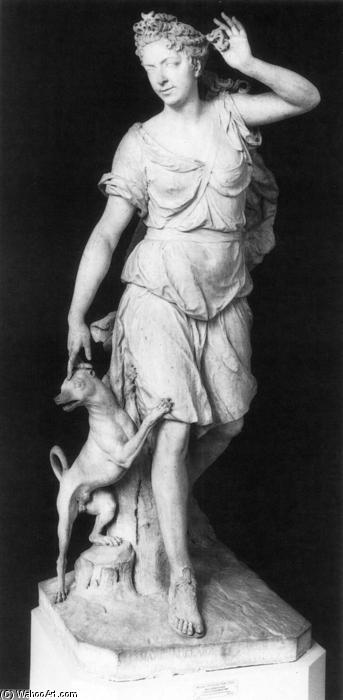
In the realm of Baroque and Neoclassical mastery, few works capture the ethereal intersection of mortal nobility and divine myth as poignantly as Antoine Coysevox’s The Duchesse de Bourgogne as Diana. Created around 1710, this breathtaking marble sculpture serves as a profound testament to the grandeur of the French court during the twilight of Louis XIV’s reign. Through the meticulous carving of stone, Coysevost breathes life into the cold medium, transforming heavy marble into the fluid, weightless drapery of a goddess. The piece presents a captivating metamorphosis, where the elegance of a high-ranking Duchess is elevated to the celestial status of Diana, the Roman goddess of the hunt, inviting the viewer into a world of mythic splendor and aristocratic poise.
The composition is a masterclass in dynamic equilibrium. The figure stands with an effortless grace, her pose suggesting a moment of sudden, spirited movement—perhaps a pause in the hunt or a reaction to a distant sound. One hand reaches upward toward her hair, a gesture that adds a sense of spontaneous life to the static stone. At her feet, the presence of a loyal hound provides more than mere companionship; it anchors the composition and introduces a narrative of fidelity and nature. The interplay between the smooth, polished skin of the figure and the intricate, flowing textures of her classical drapery creates a sensory experience that transcends the medium, making the marble appear almost soft to the touch.
Symbolism and the Art of Royal Identity
To behold this sculpture is to witness the deliberate use of iconography to communicate power and virtue. By casting the Duchesse de Bourgogne as Diana, Coysevox utilizes the language of classical mythology to bestow timeless qualities upon his subject. The goddess Diana, associated with the moon, chastity, and the wild beauty of the hunt, provides a sophisticated metaphor for the refined yet untamed spirit of the French aristocracy. Every element, from the subtle wreath in her hair to the watchful gaze of her canine companion, reinforces themes of nobility, strength, and an idealized connection to the natural world.
For the discerning collector or interior designer, this work offers a profound emotional resonance. It is not merely a depiction of a person, but an embodiment of an era defined by its pursuit of perfection. The dramatic use of light and shadow—captured so vividly in photographic studies of the piece—accentuates the three-dimensional depth of the carving, making it a centerpiece capable of commanding any space. Whether placed in a sunlit gallery or a sophisticated study, a high-quality reproduction of this masterpiece brings with it an aura of historical weight and aesthetic sophistication, serving as a timeless window into the heart of French classical excellence.
関連作品
アーティストの略歴
王権の壮麗を刻む彫刻家
アントワーヌ・コイヴォックスは、バロック様式のフランスにおける芸術的景観において、極めて重要な足跡を残した人物です。彼の生涯は、ルイ14世の治世、そしてその時代を定義づけた野心的な王室の庇護と分かちがたく結びついています。1640年にリヨンで、彫刻家の息子という控えめな境遇に生まれた彼は、若き日の地方の工房から、やがてフランス宮廷の輝かしい中心部へとその身を移していきました。そして、やがてルイ14世様式を定義づけることとなる、権力の視覚的言語そのものを創り上げていったのです。
彼の形成期は、古典的な理想と解剖学的な正確さへの厳格な献身によって形作られました。1657年にパリへ渡った彼は、ルイ・レランベールの工房に加わり、そこで石の中に生命を捉える類まれな才能を開花させ始めます。この初期の修行に加え、後に授与された名誉あるローマ賞での経験が、彼独自の美学を統合させることとなりました。それは、バロック運動のダイナミックなエネルギーと、古代の静謐で規律ある優雅さを融合させたものでした。イタリアへの大規模な滞在こそなかったものの、コイヴォックスは古典的精神を呼び起こす不思議な能力を備えており、フランスを「新たなローマ」として提示しようとした国王にとって、まさに理想的な芸術家であったと言えるでしょう。
大理石と黄金に刻まれた遺産
コイヴォックスのキャリアの絶頂期は、ヴェルサイユ宮殿の建築的・政治的な拡張期と重なりました。王室御用達の彫刻家として、彼の作品は宮殿の装飾プログラムにおける不可欠な要素となりました。彼は単に空間を飾ったのではありません。石に命を吹き込み、ヴェルサイユやマルリーの庭園や広間を、王室の神話を作り上げるための舞台へと変貌させたのです。その多才さは比類なきものであり、肖像胸像が持つ繊細で親密な表現から、騎馬像や寓意像が放つ圧倒的な存在感に至るまで、その幅は極めて広いものでした。
フランスの芸術史における彼の貢献は、多岐にわたります:
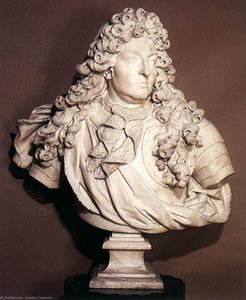
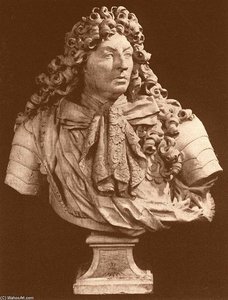
- 権力の肖像:コイヴォックスはこの時代の第一級の肖像画家となりました。その最も顕著な例が、ルイ14世の傑作とされる大理石の胸像です。これらの作品は単なる外見の模写に留まらず、王としての威厳を構築した象徴であり、神聖な権威と揺るぎない信念のオーラを伝えるものでした。
- 装飾の極致:ヴェルサイユ宮殿の広間において、彼は戦の広間のレリーフや戦の壺の制作といった記念碑的なプロジェクトに従事しました。金メッキを施した鉛やカッラーラ大理石といった素材を操る技術は、国王の儀礼の間における感覚的な豪華さに大きく貢献しました。
- 寓意の輝き:王族のみならず、ディアナ女神としてのブルゴーニュ公爵夫人などの作品は、神話的なテーマと当時のエレガンスを融合させる彼の能力を示しており、その時代の美学の中核をなす優雅さと美しさを体現していました。
歴史的意義と永続する影響
アントワーヌ・コイヴォックスの歴史的な重要性は、フランスというアイデンティティの「視覚的な建築家」としての役割にあります。彼の手を通じて、ブルボン王朝の政治的野心は、永久的で触れることのできる形へと昇華されました。彼は、奔放で時に激動を伴うバロック様式から、より制御された古典的な優雅さへの変遷を捉え、その様式は後の世代のヨーロッパ美術に影響を与えることとなりました。ヴェルサイユ宮殿やマルリーの庭園に残された彼の仕事は、芸術が国家戦略の究極の手段であった時代の証として、今もなお輝きを放っています。
後の時代に様式が新古典主義へと移行していった後も、コイヴォックスが築いた礎は揺るぎないものでした。彼が遺した作品群は、ルーヴル美術館やミネアポリス美術館といった世界で最も権威ある機関に今も収蔵されています。彼の全作品を辿ることは、17世紀フランスの鼓動を目の当たりにすることに他なりません。それは、一彫り一彫りの鑿(のみ)の跡が、王国の栄光を永遠のものとするために捧げられた、比類なき芸術的野心の時代なのです。
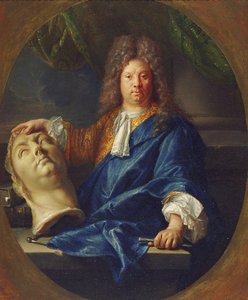
アントワーヌ・コイヴォックス
1640 - 1720 , フランス
基本情報
- Artistic Movement Or Style: バロック
- Artists Or Movements Influenced By This Artist: ['シャルル・ル・ブラン']
- Artists Who Influenced This Artist: ['ニコラ・クズー']
- Date Of Birth: 1640年9月29日
- Date Of Death: 1720年10月10日
- Full Name: アントワーヌ・コイヴォックス
- Nationality: フランス
- Notable Artworks:
- メルクリウスと騎馬のファム
- セーヌとその対となる作品
- Place Of Birth: フランス、リヨン
関連記事

Theatricality & Triumph: Baroque Drama in Painting & Sculpture
Explore the dramatic world of Baroque art! Discover its history, defining characteristics, & lasting influence on painting & sculpture. Expert insights into Caravaggio, Zurbarán, and Bernini – plus high-quality reproductions at ArtsDot.

Bronze Age to Modern Masters: 10 Sculptures That Redefined Art | ArtsDot
Journey through art history with 10 legendary bronze sculptures – from Michelangelo's David to Rodin’s Thinker. Explore the stories, techniques & timeless beauty of these masterpieces. Find museum-quality reproductions & elevate your home decor on ArtsDot.com.

The Enduring Form: Exploring Themes & Techniques in Sculpture Across Historical Periods
Explore the rich history of sculpture from ancient masterpieces to contemporary innovations. Discover key techniques, influential artists & investment potential for discerning art collectors.

The Enduring Form: Sculpture Across History, Technique & Emotional Resonance
Explore the rich history of sculpture with ArtsDot. Discover key techniques, influential artists & investment potential for discerning collectors. Expert insights into valuing and collecting timeless masterpieces.

Bronze Sculptures That Defined Art History | ArtsDot
Journey through art history with our Top 10 bronze sculptures! Explore masterpieces by Rodin, Michelangelo & more. Discover stories behind iconic statues and find museum-quality reproductions for your home decor at ArtsDot.com.