

 プレビュー
プレビュー
 プリントを購入
 シェアする
シェアする シェアする
シェアする
 詳細を見る
詳細を見る

 ダウンロード
 似ている作品
 X線調査
X線調査 スライドショー
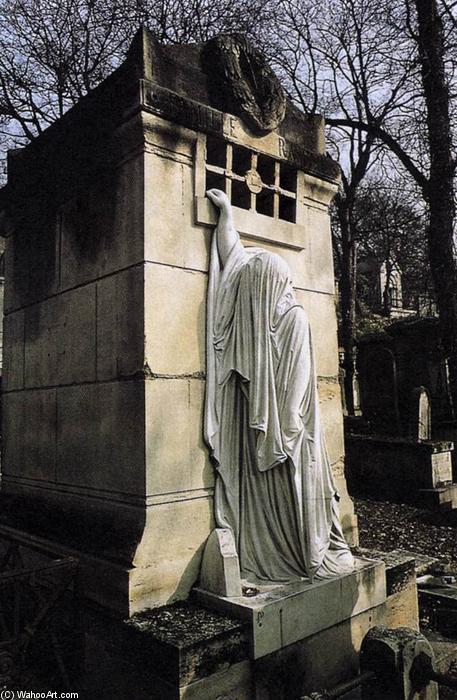
Tomb of the Raspail Family


 詳細を見る
詳細を見る




P118B $10

P118H $10

P118W $10

P438Z $10

P508JH $12

P508YH $12

P805H $10

P805Z $10

P919BZ $10

P919G $10

P919XJ $10

P959ZH $10

P968JZ $12

W106C $8

W218G $10

W218JH $8

W218Y $10

W307PJ $10

W316G $10

W316PJ $8

W316Y $10

W398PJ $8

W4111J $10

W500HY $15

W500JH $15

W692G $12

W849H $8

W940BG $15

W953PJ $8




作品のオリジナル比率に合わせた、当店の規定サイズからお選びください。

特定のフレームやスペースに合わせて、ご希望のサイズをご入力いただけます。選択されたサイズが元の画像の比率と異なる場合、アートワークをトリミングするか、手描きで要素を追加して絵画を拡張いたします。デジタルモックアップ を制作し、制作開始前にご確認(承認)をいただきます。
画面上のプレビューは、実際のトリミングや拡張を正確に反映しているものではありません。最終的な構図は、モックアップによってのみ正確にご確認いただけます。
カスタムサイズもご利用いただけますが、元の比率を維持するためには、あらかじめ用意されたリストからサイズを選択することをお勧めいたします。
ご注文後、ArtsDot.com チームより詳細な指示をお送りするとともに、仕上がりイメージ(モックアップ)をご提供いたします。


 ガラスオプションは、110cm未満のサイズでのみご利用いただけます。

Tomb of the Raspail Family
複製技法
複製画のサイズ
-


合計金額
$ 263
A Monumental Echo of Grief: Antoine Étex’s Tomb of the Raspail Family
Standing within the serene confines of Père Lachaise Cemetery in Paris, the Tomb of the Raspail Family is more than just a funerary monument; it's a poignant tableau of sorrow and remembrance, meticulously crafted by the skilled hand of Antoine Étex. Completed in 1854, this neoclassical masterpiece offers a profound glimpse into the artistic sensibilities of mid-19th century France – a period grappling with both the grandeur of empire and the burgeoning emotionalism of Romanticism. The tomb’s enduring power lies not merely in its formal beauty but in the deeply felt sense of mourning it evokes, a testament to Étex's ability to translate complex emotions into tangible form.
At first glance, the structure presents a striking rectangular silhouette, dominated by a substantial limestone block. Vertical lines, reminiscent of classical pilasters, lend an air of restrained dignity to the overall composition. However, it is the central figure – a draped female form – that immediately commands attention. This isn’t a depiction of joyous celebration or triumphant victory; rather, she embodies profound grief, her head bowed in quiet contemplation, hands clasped together as if offering silent prayers. The drapery, rendered with remarkable fluidity and sensitivity, cascades around her like liquid sorrow, subtly suggesting the weight of loss.
Neoclassical Roots, Romantic Undertones
Étex’s artistic journey reveals a fascinating synthesis of influences. Initially trained in sculpture under Joseph Pradier, he honed his skills within the established framework of Neoclassicism – an aesthetic characterized by order, symmetry, and a reverence for classical antiquity. This training instilled in him a mastery of technique, evident in the precise modeling of the figure’s form and the careful attention to detail in the stone's surface. Yet, beneath this formal foundation lies a distinctly Romantic sensibility. The intensity of the woman’s grief, her palpable sorrow, transcends mere representation; it speaks to universal human experience.
The choice of limestone itself is significant. Unlike marble, which lends itself to intricate detail and delicate surfaces, limestone possesses a coarser texture, demanding a different approach from the artist. Étex skillfully exploited this material’s inherent qualities, utilizing its weight and solidity to convey a sense of permanence and solemnity. The subtle variations in tone and texture – achieved through careful carving and polishing – create a captivating interplay of light and shadow, further enhancing the tomb's emotional impact.
Symbolism and Context
The Tomb of the Raspail Family is not simply a memorial to an individual family; it’s a microcosm of 19th-century French society grappling with mortality and remembrance. The neoclassical style—popular at the time—was often employed for public monuments, reflecting a desire to connect with the past and establish a sense of civic pride. However, Étex infuses this formal approach with deeply personal emotion, elevating the tomb beyond a mere display of power or status.
The bare trees surrounding the tomb contribute significantly to its atmosphere of melancholy. Their stark silhouettes against the overcast sky evoke a sense of desolation and isolation, mirroring the grief experienced by those mourning the deceased. The date of completion, 1854, places the work within a period of significant social and political upheaval in France – a time marked by both optimism and uncertainty. This context further enriches our understanding of the tomb’s emotional resonance.
A Legacy of Emotional Sculpture
Antoine Étex's Tomb of the Raspail Family stands as a powerful example of his artistic versatility and profound sensitivity. It is a monument that transcends its functional purpose, offering viewers a poignant meditation on loss, remembrance, and the enduring power of human emotion. Reproductions of this remarkable artwork capture not only its formal beauty but also the subtle nuances of feeling that make it such a compelling work of art. Its quiet dignity continues to resonate with audiences today, reminding us of our shared humanity and the importance of honoring those who have passed on.
関連作品



アーティストの略歴
A Life Bridging Worlds: Antoine Étex and the French Artistic Transition
Antoine Étex, born in Paris in 1808 and passing away in Chaville in 1888, occupies a fascinating, if sometimes overlooked, position within the landscape of 19th-century French art. He was an artist of remarkable versatility—a sculptor first and foremost, but also a painter and architect—who embodied the shifting currents that moved France from the formality of Neoclassicism toward the emotional intensity of Romanticism. Étex’s career wasn't defined by radical innovation, but rather by a skillful synthesis of tradition and emerging sensibilities, making his work a compelling reflection of its era. His early aptitude for the arts led him to formal training in sculpture, a discipline that would remain central to his artistic identity throughout his life, instilling within him a meticulous technique and deep understanding of classical forms.Early Recognition and Monumental Commissions
Étex first presented his work to the public at the prestigious Paris Salon in 1833, immediately signaling his arrival as a talent to watch. Two pieces were exhibited that year: a marble reproduction of *Death of Hyacinthus* and a plaster cast titled *Cain and His Race Cursed by God*. These early works demonstrated not only technical proficiency but also an ability to imbue mythological narratives and biblical scenes with dramatic weight and emotional resonance. However, it was a commission from Adolphe Thiers, then Minister of Public Works, that truly propelled Étex into the forefront of French artistic life. He was entrusted with creating the sculptural groups of *Peace* and *War* intended to adorn the east facade of the Arc de Triomphe. Completed between 1833 and 1837, these monumental sculptures were more than just decorative elements; they were statements of national identity and civic virtue, and their successful execution cemented Étex’s reputation as a leading sculptor of his generation. The scale and ambition of this project established him as an artist capable of handling large-scale public works with both technical skill and artistic vision.A Diverse Oeuvre: Sculpture, Painting, and Architecture
While best known for the Arc de Triomphe sculptures, Étex’s creative output was remarkably diverse. His oeuvre encompassed a wide range of sculptural groups exploring mythological and religious themes, demonstrating his continued engagement with classical subject matter. Beyond sculpture, he also undertook architectural projects, designing tombs and monuments that showcased his understanding of spatial relationships and decorative detail. Perhaps surprisingly to some, Étex also produced paintings, such as *Eurydice* and *The Martyrdom of Saint Sebastian*, revealing a versatility across different media that speaks to the breadth of his artistic interests. His style is characterized by a compelling blend of Neoclassical precision—evident in the anatomical accuracy and careful modeling of his figures—and Romantic expressiveness, which manifests in the dramatic narratives and heightened emotionality of his compositions. He didn’t abandon classical forms entirely, but infused them with a new sense of dynamism and psychological depth.A Poignant Tribute: The Tomb of Théodore Géricault
Among Étex's most poignant achievements is the tomb he designed for fellow artist Théodore Géricault in Père Lachaise Cemetery. This memorial stands as a powerful testament to both artistic skill and personal respect. It features a bronze figure of Géricault himself, gazing thoughtfully into the distance, alongside a low-relief depiction of his controversial masterpiece, *The Raft of the Medusa*. The choice to include this specific work is particularly significant; it acknowledges Géricault’s bold departure from academic conventions and his unflinching portrayal of human suffering. Étex's tomb isn’t merely a marker of death but a celebration of artistic courage and a poignant dialogue between two generations of French artists. It demonstrates Étex’s ability to capture complex emotions and translate them into enduring sculptural form.Legacy and Historical Significance
Antoine Étex was not solely dedicated to the practical execution of art; he also engaged with its intellectual underpinnings, authoring essays on subjects related to artistic theory and practice. This demonstrates a thoughtful engagement with the broader artistic discourse of his time. While perhaps not as widely celebrated today as some of his contemporaries, Étex’s contributions remain vital for understanding the development of 19th-century French sculpture and art. His work reflects the transitional period between Neoclassicism and Romanticism, bridging the gap between classical tradition and modern expression. He influenced subsequent generations of sculptors who sought to combine technical mastery with emotional depth, leaving behind a legacy that continues to resonate within the history of French art. His influence can be seen in the continued exploration of narrative sculpture and the integration of dramatic storytelling into monumental public works.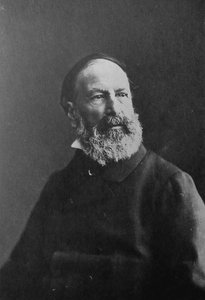
Antoine Étex
1808 - 1888 , France
基本情報
- Artistic Movement Or Style: Neoclassical, Romanticism
- Date Of Birth: March 20, 1808
- Date Of Death: July 14, 1888
- Full Name: Antoine Étex
- Nationality: French
- Notable Artworks:
- Peace
- War
- Géricault's Tomb
- Blanche de Castille
- Eurydice
- The Martyrdom of Saint Sebastian
- Place Of Birth: Paris, France
関連記事

Bronze Sculptures That Defined Art History | ArtsDot
Journey through art history with our Top 10 bronze sculptures! Explore masterpieces by Rodin, Michelangelo & more. Discover stories behind iconic statues and find museum-quality reproductions for your home decor at ArtsDot.com.

The Enduring Form: Exploring Themes & Techniques in Sculpture Across Historical Periods
Explore the rich history of sculpture from ancient masterpieces to contemporary innovations. Discover key techniques, influential artists & investment potential for discerning art collectors.

Bronze Age to Modern Masters: 10 Sculptures That Redefined Art | ArtsDot
Journey through art history with 10 legendary bronze sculptures – from Michelangelo's David to Rodin’s Thinker. Explore the stories, techniques & timeless beauty of these masterpieces. Find museum-quality reproductions & elevate your home decor on ArtsDot.com.

The Enduring Form: Sculpture Across History, Technique & Emotional Resonance
Explore the rich history of sculpture with ArtsDot. Discover key techniques, influential artists & investment potential for discerning collectors. Expert insights into valuing and collecting timeless masterpieces.
The Enduring Allure of Marble in Art History: From Classical Sculpture to Modern Abstraction
Explore the captivating history of marble sculpture from ancient Greece to modern art. Discover renowned artists like Canova & Michelangelo, carving techniques, and investment insights at ArtsDot.

