

 プレビュー
プレビュー
 プリントを購入
 シェアする
シェアする シェアする
シェアする
 詳細を見る
詳細を見る

 ダウンロード
 似ている作品
 X線調査
X線調査 スライドショー
La véritable gloire s'appuie sur la vertu


 詳細を見る
詳細を見る




P118B $10

P118H $10

P118W $10

P438Z $10

P508JH $12

P508YH $12

P805H $10

P805Z $10

P919BZ $10

P919G $10

P919XJ $10

P959ZH $10

P968JZ $12

W106C $8

W218G $10

W218JH $8

W218Y $10

W307PJ $10

W316G $10

W316PJ $8

W316Y $10

W398PJ $8

W4111J $10

W500HY $15

W500JH $15

W692G $12

W849H $8

W940BG $15

W953PJ $8




作品のオリジナル比率に合わせた、当店の規定サイズからお選びください。

特定のフレームやスペースに合わせて、ご希望のサイズをご入力いただけます。選択されたサイズが元の画像の比率と異なる場合、アートワークをトリミングするか、手描きで要素を追加して絵画を拡張いたします。デジタルモックアップ を制作し、制作開始前にご確認(承認)をいただきます。
画面上のプレビューは、実際のトリミングや拡張を正確に反映しているものではありません。最終的な構図は、モックアップによってのみ正確にご確認いただけます。
カスタムサイズもご利用いただけますが、元の比率を維持するためには、あらかじめ用意されたリストからサイズを選択することをお勧めいたします。
ご注文後、ArtsDot.com チームより詳細な指示をお送りするとともに、仕上がりイメージ(モックアップ)をご提供いたします。


 ガラスオプションは、110cm未満のサイズでのみご利用いただけます。

La véritable gloire s'appuie sur la vertu
複製技法
複製画のサイズ
-


合計金額
$ 313
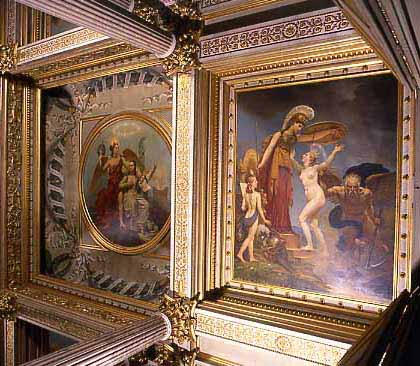
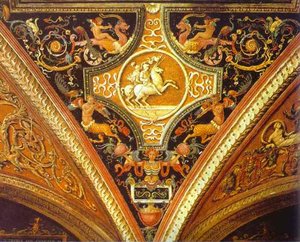
La véritable Gloire s'appuie sur la Vertu: Un Monument Néoclassique au Cœur du Louvre
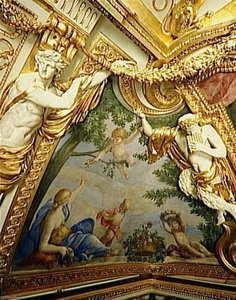
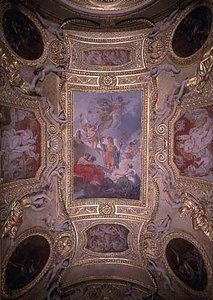
Antoine-Jean Gros’s “La véritable Gloire s’appuie sur la Vertu” stands as a cornerstone of Neoclassical painting and embodies the ideals of virtue and strength championed during Napoleon Bonaparte’s reign. Executed in 1827 for the Musée Charles X, this monumental ceiling fresco—one of six commissioned by Louis XVIII—immediately captivated audiences with its grandeur and dramatic narrative. Gros skillfully blended historical accuracy with allegorical symbolism to convey a powerful message about France's moral compass amidst turbulent political upheaval.- Historical Context: The painting emerged from the aftermath of the Napoleonic Wars, marking a return to conservative values following the revolutionary fervor of the preceding decades. Louis XVIII sought to restore stability and honor French heritage, commissioning Gros to commemorate Napoleon’s victory at Aboukir—a pivotal moment in securing Bonaparte's grip on power.
- Composition & Style: Gros employed a complex pyramidal composition, mirroring classical architectural principles. The central panel depicts Napoleon surveying the battlefield, flanked by figures representing Virtue and Glory—symbols of moral fortitude and triumphant achievement. The overall style is characterized by meticulous detail work, polished surfaces, and a restrained palette dominated by golds, reds, and browns, reflecting the aesthetic sensibilities of the era.
Technique & Materials: A Masterpiece of Fresco Painting
Gros’s masterful execution demonstrates the pinnacle of fresco technique—a method involving applying pigment directly onto wet plaster. This painstaking process demanded exceptional skill and patience from artisans working under Gros's direction, resulting in a surface finish that retains remarkable luminosity and textural richness over time. The use of gold leaf—applied to embellish the drapery and architectural elements—further enhances the fresco’s opulent appearance and underscores its symbolic significance as representing divine grace and imperial splendor.
- Color Palette: Gros utilized a carefully calibrated color scheme, prioritizing warm hues to evoke feelings of heroism and majesty. The dominant golds symbolize Napoleon's authority and the radiant glory of victory, while reds convey passion and courage—essential qualities for upholding moral virtue.
- Surface Texture: The fresco’s surface texture is remarkably smooth, achieved through meticulous polishing by skilled craftsmen. This technique ensures that the colors retain their vibrancy and brilliance across generations, preserving Gros's artistic vision for posterity.
Symbolism & Narrative Depth
Beyond its formal grandeur, “La véritable Gloire s’appuie sur la Vertu” is laden with symbolic references rooted in classical mythology and Christian morality. Virtue—represented by a winged figure ascending towards the throne—symbolizes moral excellence and unwavering devotion to duty—values championed by Louis XVIII's government. Glory—embodied by a warrior overseeing the battlefield—represents martial prowess and triumph over adversity, mirroring Napoleon’s military achievements. The painting serves as a potent reminder of France’s enduring commitment to noble ideals amidst political turmoil.
- Allegorical Figures: The winged figure symbolizes Virtue, while the warrior embodies Glory.
- Architectural Setting: The architectural setting reflects classical grandeur and reinforces the fresco's thematic concerns.
Emotional Impact & Legacy “La véritable Gloire s’appuie sur la Vertu” continues to inspire admiration for its artistic brilliance and profound moral message. Its monumental scale, meticulous detail work, and luminous color palette evoke feelings of awe and reverence—capturing the spirit of Neoclassical idealism. Gros's masterpiece stands as a testament to the enduring power of art to communicate complex ideas and elevate the human spirit—a legacy that resonates powerfully within the Louvre’s halls today.
関連作品
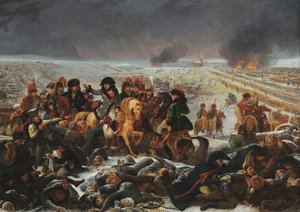
![[reproduction Of Napoleon On The Battlefield Of Eylau By Antoine-jean Gros] — アントワーヌ=ジャン・グロ, Romanticism](/media/artworks/images-thumb/71/d6/71d675b2075901060e862865eec8e2f4.jpg)
アーティストの略歴
アントワーヌ=ジャン=グロの劇的なヴィジョン:帝国の記録者
後にグロ男爵となるアントワーヌ=ジャン=グロは、新古典主義の形式美からロマン主義の情熱的な熱狂へと移り変わる時代において、決定的な役割を果たす表現者として現れました。1771年にパリで生まれた彼の芸術的歩みは、フランス革命やナポレオン・ボナパルトの興隆と没落といった、彼が生きた激動の時代と分かちがたく結びついていました。理想化された過去に逃避しようとした多くの画家たちとは異なり、グロは現代の出来事が持つ即時性の中にインスピレーションを見出し、政治的な権力と人間ドラマの両方に共鳴する歴史画の巨匠となりました。彼の若き日は、後に待ち受ける名声を感じさせるものではありませんでした。父は絹商人であり、初期の芸術教育こそ受けたものの、1789年にジャック=ルイ・ダヴィッドの工房に入ったことで、初めてその真の才能が開花し始めたのです。この師弟関係は極めて重要であり、グロに厳格なアカデミックな基礎を叩き込むと同時に、フランス全土を席巻していた革命精神へと彼を導くこととなりました。革命の熱狂からナポレオンの栄光へ
グロのキャリアの初期は、革命の熱狂を反映した作品によって特徴づけられます。しかし、その軌道はナポレオンの台頭とともに劇的な変化を遂げました。スペクタクルと感情を捉えるグロの才能を見抜いたナポレオンは、強力なプロパガンダ・ツールとしての役割を果たす作品を依頼する重要なパトロンとなりました。彼の最も象徴的な作品とされる様式の架け橋:新古典主義のルーツとロマン派の華やぎ
グロの芸術様式は、相反する力の魅力的な融合を体現しています。彼は師であるダヴィッドから、緻密な素描、構図の明晰さ、そして解剖学的な正確さへのこだわりといった、新古典主義の真骨頂を継承しました。しかし、彼はこれらの性質に新たなダイナミズムと感情的な強烈さを吹き込み、さらには劇的なカラーパレットを厭わない姿勢を示すことで、先代とは一線を画す存在となりました。彼の構図はしばしば複雑な人物配置を特徴とし、バロック絵画を彷彿とさせる動きや混沌とした感覚を生み出しました。新古典主義の画家たちが好んだ冷徹な客観性とは異なり、グロの作品には感情が充満しています。戦場シーンや肖像画においては、悲しみ、恐怖、勇気、そして絶望が肌に触れるほど鮮明に伝わってきます。彼は明暗法(キアロスクーロ)を巧みに操り、主要な人物に視線を集めると同時に、奥行きと空気感を作り出すことで劇的な効果を高めました。この様式の融合により、彼は視覚的に圧倒的でありながら感情的な共鳴を呼ぶ作品を生み出し、芸術的な慣習の境界を押し広げながら、幅広い観衆を魅了することに成功したのです。晩年と不朽の遺産
ナポレオンの失脚後、グロは変化する政治情勢への適応に苦しみました。復古したブルボン王朝による庇護は減少し、より伝統的な歴史的主題へと回帰しようとする彼の試みも、限られた成功しか収められませんでした。1809年にはエコール・デ・ボザールの教授に就任しましたが、教育には葛藤を感じていました。戦争の美化に対する募る幻滅と、1832年の妻の死という個人的な悲劇は、彼を鬱状態へと追い込みました。そして1835年、グロはセーヌ川のほとりで肖像画を描いている最中に、悲劇的な水死を遂げました。このような陰鬱な最期を辿ったにもかかわらず、彼の遺産が揺らぐことはありません。彼はウジェーヌ・ドラクロワやテオドール・ジェリコーといったロマン派の画家たちの道を切り開き、彼らが感情の強烈さと現代的な主題を受け入れるためのインスピレーションを与えたのです。- 彼の影は、劇的な構図、表情豊かな筆致、そしてアカデミックな慣習に挑もうとする姿勢を共有した次世代の画家たちの中に見ることができます。
- グロの絵画は、歴史的出来事と人間の感情を力強く描き出すことで、今なお観る者を魅了し続けています。
- 彼は新古典主義からロマン主義への転換期における極めて重要な人物であり、二つの異なる芸術運動の架け橋となりました。
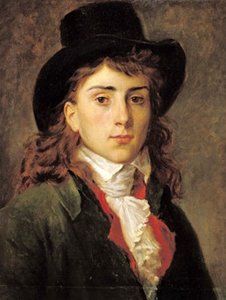
アントワーヌ=ジャン=グロ
1771 - 1835 , フランス
基本情報
- Artistic Movement Or Style: ロマン主義
- Artists Who Influenced This Artist: ['ジャック=ルイ・ダヴィッド']
- Date Of Birth: 1771年
- Date Of Death: 1835年
- Full Name: アントワーヌ=ジャン・グロ
- Nationality: フランス
- Notable Artworks: ['ジャッファの疫病患者を訪問するナポレオン']
- Place Of Birth: フランス、パリ
関連記事

バロックのドラマ:現代のインテリアに壮麗さと情感を取り込む
バロック様式の歴史、絵画、家具の魅力をご紹介。ArtsDotでは、高品質な油絵複製やカスタムポートレートをご提供し、現代のインテリアに壮麗さと情感を取り入れます。アートコンサルテーションも承ります。

The Dramatic Flourish: Exploring the Baroque Movement's Enduring Legacy in Art History
Explore the dramatic world of Baroque art! Discover iconic artists like Caravaggio & Rubens, defining techniques, and its lasting impact on art history. Expert insights for collectors & enthusiasts at ArtsDot.

バロック美術を極めた至宝:時代を彩る10大名作の世界
バロック美術の華!カラヴァッジョ、ベルニーニら巨匠が創り上げた10大名作を徹底解剖。ドラマチックな色彩と豪華絢爛の世界観に触れ、至宝のアートプリントで空間を彩ろう。ArtsDot.comで美術館品質の複製と洗練されたインテリアを見つけましょう!

The Visceral Stage: Exploring Dramatic Narratives & Emotional Intensity in Baroque Art
Explore the dramatic world of Baroque art! Discover iconic masters like Caravaggio & Rembrandt, their techniques, and the movement's lasting impact. Expert insights for collectors & enthusiasts at ArtsDot.

Decoding Baroque Grandeur: A Guide to the Drama and Emotion of 17th-Century Art
Explore the breathtaking drama of 17th-century Baroque art. Our expert guide decodes the use of chiaroscuro, emotional intensity, and historical grandeur to help you appreciate and curate timeless masterpieces for your collection.

