 プレビュー
プレビュー
 シェアする
シェアする シェアする
シェアする
 詳細を見る
詳細を見る

 ダウンロード
 似ている作品
 X線調査
X線調査 スライドショー
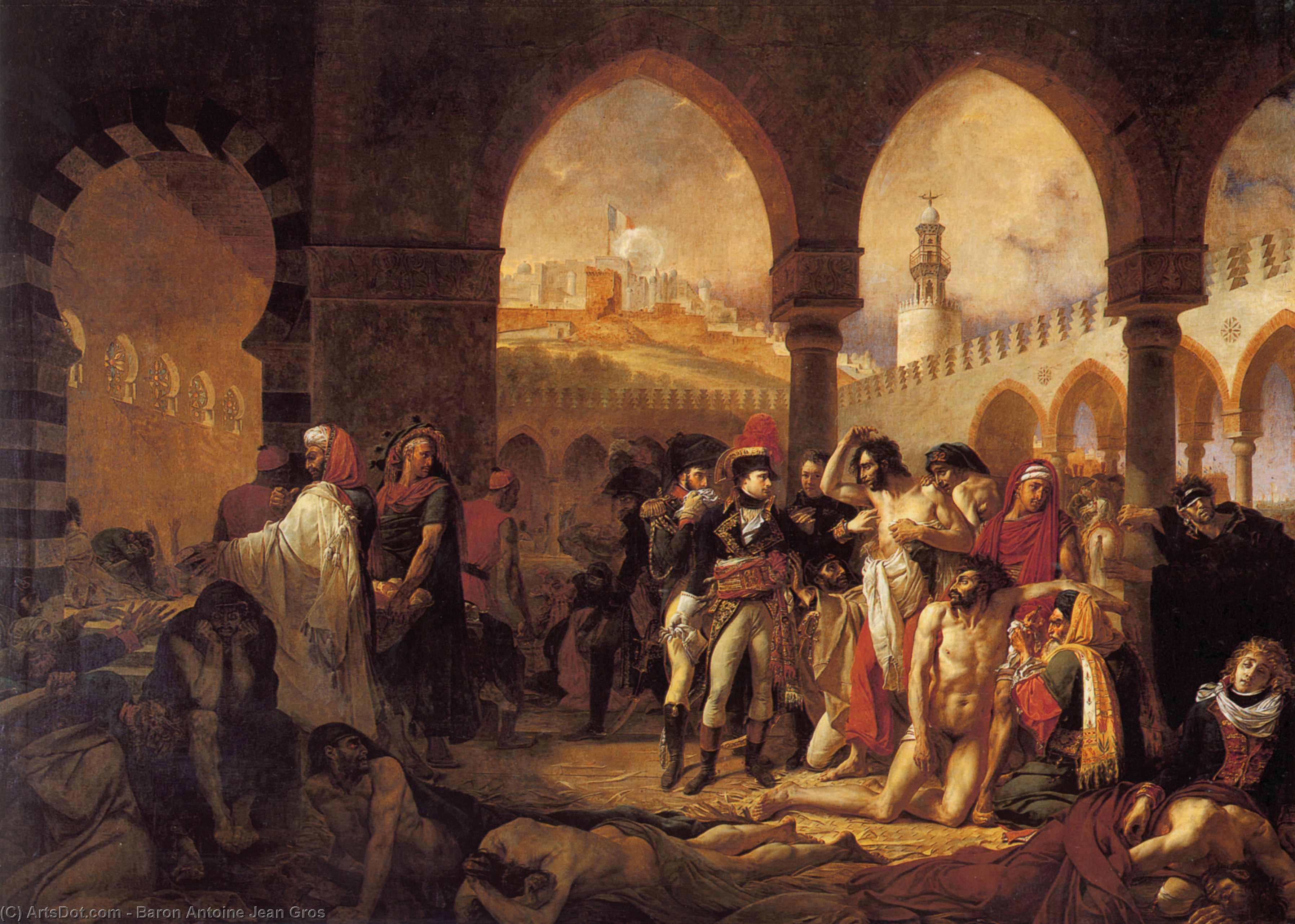
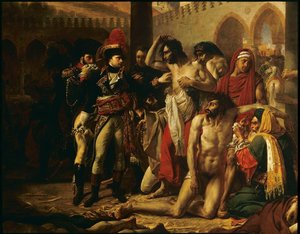
Napoleon Bonaparte Visiting the Plague-stricken at Jaffa
 Acrylic On Canvas
- WallArt
- Neoclassical Romanticism
 1799
1799 523.0 x 715.0 cm
 ルーブル美術館
 詳細を見る
詳細を見る
ジークレー/アートプリント
迅速な制作と多彩な仕上げオプションを備えた、ミュージアムクオリティのジークレーまたはキャンバスプリント。 ( 手描きの絵画を購入 画像を購入)




P118B $10

P118H $10

P118W $10

P438Z $10

P508JH $12

P508YH $12

P805H $10

P805Z $10

P919BZ $10

P919G $10

P919XJ $10

P959ZH $10

P968JZ $12

W106C $8

W218G $10

W218JH $8

W218Y $10

W307PJ $10

W316G $10

W316PJ $8

W316Y $10

W398PJ $8

W4111J $10

W500HY $15

W500JH $15

W692G $12

W849H $8

W940BG $15

W953PJ $8




作品のオリジナル比率に合わせた、当店の規定サイズからお選びください。

特定のフレームやスペースに合わせて、ご自身でサイズを指定することも可能です。選択されたサイズが元の画像の比率と一致しない場合、作品をトリミングするか、鏡面反射または単色での塗りつぶしによって画像を拡張いたします。制作を開始する前に、ご確認用のデジタルモックアップをお送りいたします。
画面上のプレビューには、実際のトリミングや拡張は反映されませんのでご注意ください。最終的な構図を正確に確認できるのは、モックアップのみとなります。
カスタムサイズも承っておりますが、元の比率を維持するためには、あらかじめ用意されたリストからサイズを選択することをお勧めいたします。


 ガラスオプションは、110cm未満のサイズでのみご利用いただけます。

Napoleon Bonaparte Visiting the Plague-stricken at Jaffa
ジークレー/アートプリント
複製画のサイズ
-


合計金額
$ 62
A Masterstroke of Propaganda: Antoine-Jean Gros’s “Bonaparte Visiting the Plague Victims of Jaffa”
Antoine-Jean Gros's "Bonaparte Visiting the Plague Victims of Jaffa" isn’t merely a historical painting; it’s a carefully constructed narrative, a potent symbol of Napoleonic ambition and a masterful exercise in 19th-century propaganda. Completed in 1804, this monumental canvas—measuring an impressive 523 x 715 cm—captures a pivotal moment during Napoleon's Egyptian campaign, transforming a potentially damaging rumour into a carefully orchestrated display of imperial benevolence and divine authority. The scene unfolds within the courtyard of the Armenian Saint Nicholas Monastery in Jaffa, a strategically chosen location imbued with religious significance, immediately elevating Bonaparte’s actions to something beyond the mundane.
Gros, a student of the celebrated Jacques-Louis David, skillfully blends elements of Neoclassicism—evident in the structured composition and idealized figures—with burgeoning Romantic sensibilities. The painting's dramatic lighting, reminiscent of Caravaggio, draws our eye directly to Napoleon’s central gesture: he reaches out to touch the armpit bubo of a sick soldier, seemingly dismissing the disease with his very presence. This isn’t simply an act of compassion; it’s a deliberate attempt to rewrite history and bolster Napoleon's image as a protector, a leader capable of overcoming adversity – even death itself. The red-clad figures amongst the throng are likely officers or dignitaries, subtly reinforcing the painting’s message of imperial power and influence.
The Shadow of Plague and the Need for Mythmaking
The historical context surrounding this work is profoundly unsettling. Napoleon's forces had recently captured Jaffa after a brutal siege, and reports quickly surfaced that he had ordered the mass poisoning of plague victims to quell rumors of French atrocities. This scandalous episode threatened to undermine his carefully cultivated image as a conquering hero and a champion of civilization. Gros’s commission was thus driven by a desperate need to control the narrative – to preemptively discredit any negative publicity and solidify Napoleon's legitimacy in the eyes of both his troops and the wider public.
The painting cleverly utilizes visual cues to achieve this effect. The smoke billowing from the distant city walls, the presence of a broken tower bearing the French flag, and the stark contrast between the vibrant colors of the figures and the muted tones of the plague-stricken create an atmosphere of both drama and urgency. Notably, the composition borrows heavily from Jacques-Louis David’s “Oath of the Horatii,” employing a similar three-tiered arrangement to emphasize the importance of the central action – Napoleon's touch. This deliberate allusion elevates the scene beyond a simple depiction of charity; it positions Bonaparte within a lineage of heroic figures who wielded power and influence through divine grace.
Symbolism, Technique, and the Romantic Echo
Gros’s technical skill is undeniable. He masterfully employs chiaroscuro—the dramatic contrast between light and shadow—to sculpt the figures and create a sense of depth and realism. The meticulous detail in rendering the clothing, the textures of the skin, and the expressions on the faces all contribute to the painting's immersive quality. However, it’s the symbolic weight of the scene that truly elevates “Bonaparte Visiting the Plague Victims of Jaffa.”
The inclusion of a blind man reaching for Napoleon’s hand adds another layer of meaning – suggesting that even those most vulnerable are touched by the Emperor's grace. The presence of an Arab doctor attending to a patient underscores the painting’s attempt to portray a benevolent and inclusive empire, one that extends its protection beyond its own borders. While rooted in Neoclassical principles, the work anticipates the emotional intensity of Romanticism – capturing not just a historical event but also the complex emotions surrounding it: fear, suffering, hope, and the enduring power of leadership.
As Dr. Beth Harris notes on Smarthistory, “Napoleon masterfully manipulated his image, and this painting meant for Parisian audiences is pure propaganda.” This powerful work offers a fascinating glimpse into the political machinations of the Napoleonic era and remains a testament to Gros’s artistic skill and his role in shaping one of history's most iconic figures.
関連作品
![[reproduction Of Napoleon On The Battlefield Of Eylau By Antoine-jean Gros] — アントワーヌ=ジャン・グロ, Romanticism](/media/artworks/images-thumb/71/d6/71d675b2075901060e862865eec8e2f4.jpg)
アーティストの略歴
帝国への筆致:アントワーヌ=ジャン・グロの生涯と芸術
ナポレオンフランスの壮大さと激動を色濃く残す名前、アントワーヌ=ジャン・グロは、美術史において特異な場所に存在しています。新古典主義の冷徹な合理性と、台頭しつつあるロマン主義の感情的な熱量の狭間に身を置いていたのです。1771年にパリで生まれた彼の芸術的な運命は、まるで定められていたかのようでした。両親ともに視覚芸術の担い手であり、母のピエレット=マドレーヌ=セシル・デュランが熟練したパステル画家であったこと、そして父のジャン=アントワーヌ・グロが緻密なミニチュア画家であり熱心な収集家であったことが、幼いアントワーヌに形態、色彩、そして芸術的表現の力に対する初期の深い理解を植え付けました。彼はわずか六歳で絵を描き始め、その自然な才能はやがて1785年にジャック=ルイ・ダヴィッドのアトリエへと彼を導くこととなり、これは彼の将来の軌跡を形作る極めて重要な瞬間となりました。同時代の最も著名な新古典主義画家であったダヴィッドから、彼は規律と古典的な理想への畏敬の念を学びましたが、グロ自身は、確立された規範に固執する以上の何かを切望する生来の気質を持っていたのです。革命の動乱からナポレオンの栄光へ
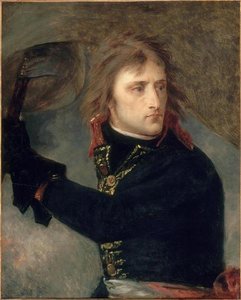
フランス革命は、グロの形成期に長く影を落とし、彼の初期の芸術活動を混乱させました。彼は1793年に一時的にフランスを離れ、イタリアで避難と機会を求め、そこで肖像画を通じて技術を磨きました。しかし、彼のキャリアの道を決定的に変えたのは、ボナパルト・ネポレオンという新進気鋭の星との偶然の出会いでした。1796年、グロはアルコールでの戦いの場でナポレオンを描く依頼を獲得します。この作品は彼を名声へと押し上げ、野心的な将軍から切望される庇護を得るきっかけとなりました。これが極めて実り多い関係の始まりを告げたのです。グロはナポレオンのお気に入りの画家となり、彼の勝利をキャンバス上に不滅のものとする重責を担いました。彼はボナパルトと共に戦場を巡り、軍事的偉業と戦略的な輝きに満ちた光景を捉えました。『ヤッファの疫病犠牲者を訪ねるボナパルト』(1804年)のような作品は、その陰鬱な現実をロマンチックに描いた点で物議を醸すものもありましたが、グロが歴史的な正確さと劇的な才能を見事に融合させる能力を示していました。これらの絵画は単なる出来事の記録ではありませんでした。それらはナポレオンのイメージを高め、彼の権力を確固たるものにするために慎重に構築された物語であり、グロを芸術を通じたプロパガンダの巨匠として確立させたのです。彼は1806年にナポレオンの画家に任命され、さらに1824年には男爵位を授与されることで、帝国の階層における地位を確固たるものとしました。様式の架け橋:ロマンの炎を吹き込まれた新古典主義
グロの芸術様式は、しばしば新古典主義とロマン主義を結ぶ架け橋として語られます。当初、彼はダヴィッドが重視した精密なデッサン力、形態の明晰さ、そして古典的な題材に固執していましたが、徐々に自らの絵画に高められたドラマ性、感情、色彩の感覚を吹き込んでいきました。彼は新古典主義の冷めた客観性から離れ、より情熱的で表現豊かなアプローチへと移行していったのです。これは特に彼の戦いの場面において顕著であり、そこでは単なる勝利の栄光だけでなく、戦争がもたらす苦しみや混沌をも描出していました。ティツィアーノやヴェロネーゼといったヴェネツィア派の巨匠たちの豊かな色彩パレットと躍動的な構図の影響が、ますます明白になってきました。彼の肖像画、例えば『ボリス・ユスボフ子爵の騎馬肖像』などは、肉体的な類似性と心理的な深遠さの両方を捉える驚くべき能力を示しています。彼は単に顔を描いていたのではなく、その人物の本質を露わにしていたのです。この様式的な進化は、グロが切り開いた感情的な強度と劇的な才能を受け入れたエージェン・ドラクロワやテオドール・ジェリコなど、その後の世代のフランスの画家たちに深く影響を与えることとなりました。晩年と不朽の遺産
ナポレオンの失墜後、グロは芸術的な不確実性の時代に直面しました。政治情勢の変化は題材の変更を要求し、彼は適応するのに苦労したのです。彼はより伝統的な歴史画や古典的なテーマへの回帰を試みましたが、彼の心はもはや完全にそこには留まっていなかったようです。彼の工房は芸術的革新の中心地となり、自身の経験から学びたいと願う志望生たちを引き寄せました。しかし、自己疑念と憂鬱に苛まれながら、グロはナポレオン時代に享受した名声を取り戻すことがますます困難になっていきました。彼は、衰退していく新古典主義の理想と、高まりゆくロマン主義の潮流の間に挟まれ、どちらの運動にも完全に身を委ねることができないと感じていたのです。悲劇的な展開として、アントワーヌ=ジャン・グロは1835年に自ら命を絶ち、今なお魅了し、感動を与え続ける遺産を残しました。彼の絵画は、激動と変革の時代に対する力強い証言であり、人間の野心、栄光、そして喪失という複雑さへの独自の垣間見せてくれます。彼はフランス美術に消しがたい痕跡を残し、ロマン主義運動への道を切り開き、その足跡を追う無数の芸術家に影響を与えました。彼の作品は、歴史的な依頼や政治的な庇護といった制約の中にあっても、真の芸術的ビジョンがいかに花開き、世界に永続的な影響を与えることができるかを思い起こさせるものなのです。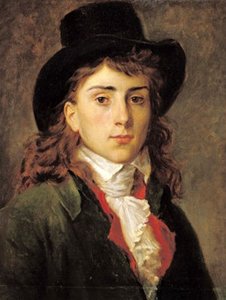
アントワーヌ=ジャン・グロ
1771 - 1835 , フランス
基本情報
- Artistic Movement Or Style: 新古典主義とロマン主義
- Artists Or Movements Influenced By This Artist:
- デラクロワ
- ジェリコー
- Artists Who Influenced This Artist: ['ジャック=ルイ・ダヴィッド']
- Date Of Birth: 1771年
- Date Of Death: 1835年
- Full Name: アントワーヌ=ジャン・グロ
- Nationality: フランス人
- Notable Artworks:
- アルコールでの戦い
- リュカアテのサフォ
- 騎馬肖像画
- アウステルリッツでの面会
- Place Of Birth: パリ、フランス
関連記事
The Alluring Gaze: Orientalism in 19th-Century Art – Representation, Reception & Construction of the 'Orient'
Explore the complex history of Orientalism in 19th-century art. Discover how Western artists depicted the 'Orient,' its cultural impact, and Edward Said's critical analysis. A deep dive for art lovers & historians.
Thomas Butterworth (1768–1842): Navigating the Aesthetics of British Marine Painting
Explore the captivating maritime art of Thomas Butterworth (1768–1842). Discover his stunning depictions of Napoleonic naval battles and life at sea, commissioned works for the East India Company, and enduring legacy. Learn more today!