 プレビュー
プレビュー
 シェアする
シェアする シェアする
シェアする
 詳細を見る
詳細を見る

 ダウンロード
 似ている作品
 X線調査
X線調査 スライドショー
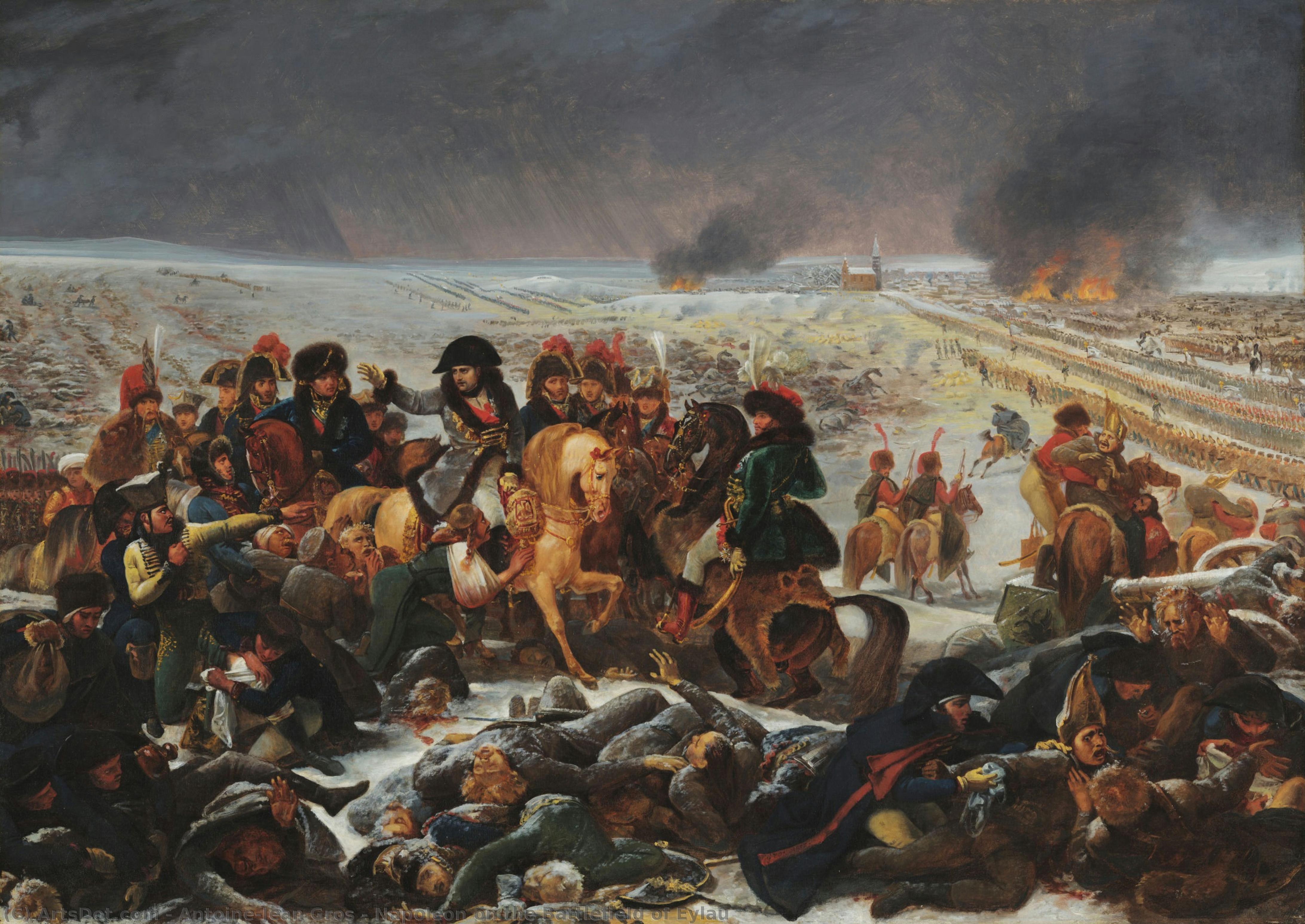
Napoleon on the Battlefield of Eylau
 Oil On Canvas
- WallArt
- Romanticism
 1807
1807- 19th Century
 104.0 x 145.0 cm
 Toledo Museum of Art
 詳細を見る
詳細を見る
ジークレー/アートプリント
迅速な制作と多彩な仕上げオプションを備えた、ミュージアムクオリティのジークレーまたはキャンバスプリント。 ( 手描きの絵画を購入 画像を購入)




P118B $10

P118H $10

P118W $10

P438Z $10

P508JH $12

P508YH $12

P805H $10

P805Z $10

P919BZ $10

P919G $10

P919XJ $10

P959ZH $10

P968JZ $12

W106C $8

W218G $10

W218JH $8

W218Y $10

W307PJ $10

W316G $10

W316PJ $8

W316Y $10

W398PJ $8

W4111J $10

W500HY $15

W500JH $15

W692G $12

W849H $8

W940BG $15

W953PJ $8




作品のオリジナル比率に合わせた、当店の規定サイズからお選びください。

特定のフレームやスペースに合わせて、ご自身でサイズを指定することも可能です。選択されたサイズが元の画像の比率と一致しない場合、作品をトリミングするか、鏡面反射または単色での塗りつぶしによって画像を拡張いたします。制作を開始する前に、ご確認用のデジタルモックアップをお送りいたします。
画面上のプレビューには、実際のトリミングや拡張は反映されませんのでご注意ください。最終的な構図を正確に確認できるのは、モックアップのみとなります。
カスタムサイズも承っておりますが、元の比率を維持するためには、あらかじめ用意されたリストからサイズを選択することをお勧めいたします。


 ガラスオプションは、110cm未満のサイズでのみご利用いただけます。

Napoleon on the Battlefield of Eylau
ジークレー/アートプリント
複製画のサイズ
-


合計金額
$ 62
A Monumental Encounter with History
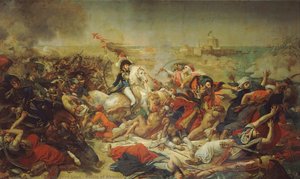
The canvas breathes with an unsettling stillness—a deceptive calm that belies the brutal reality depicted within Antoine-Jean Gros’s monumental "Napoleon on the Battlefield of Eylau." Completed in 1808, this masterpiece serves as a profound testament to Napoleon Bonaparte's ambition and France’s enduring fascination with heroic narratives. Measuring an imposing scale, the work resides prominently in the Musée du Louvre, yet its power extends far beyond the walls of a museum. It is a visual paradox where the grandeur of empire meets the grim reality of war. The scene captures a moment of heavy atmosphere, where the smoke of battle begins to settle, revealing a landscape populated by soldiers on horseback and the weary remnants of conflict. For the discerning collector or interior designer, this piece offers more than mere decoration; it provides a window into an era of unparalleled drama and historical gravity.
In this composition, Gros meticulously crafts a narrative that balances the epic with the intimate. While the eye is immediately drawn to the central figures of military importance, the painting invites a deeper exploration of its many layers. One can observe the scattered horses, the presence of loyal companions in the form of dogs, and the subtle interactions between officers and the wounded. It is a scene that captures both the camaraderie of the cavalry and the heavy psychological weight of the Napoleonic Wars. The sheer scale of the subject matter makes it an ideal centerpiece for a grand study, a sophisticated library, or a formal gallery space, where its historical depth can command the room's attention.
The Artistry of Romantic Realism
Gros occupies a fascinating space in art history, poised between the cool rationality of Neoclassicism and the burgeoning emotional intensity of Romanticism. In "Napoleon on the Battlefield of Eylau," he employs a technique characterized by loose, expressive brushwork combined with carefully blended colors to create an atmosphere of palpable tension. Unlike his contemporaries who might have sought to convey raw, unbridled emotion, Gros utilized a more controlled palette to achieve a sense of realism tempered by artistic license. This strategic approach allows the viewer to feel the grimness of the battlefield without being overwhelmed by melodramatic sentimentality.
The artist’s mastery lies in his ability to use light and shadow to guide the viewer's emotional journey. The way the light catches the metallic sheen of uniforms and the weary faces of the soldiers creates a sense of three-dimensional presence that is truly captivating. For those seeking a high-quality reproduction, it is this technical precision—the ability to replicate the subtle transitions of tone and the textured application of paint—that defines the essence of the work. A faithful hand-painted reproduction captures not just the image, but the very soul of Gros’s brushstrokes, bringing the tactile energy of the 19th century into a modern interior.
Symbolism and the Weight of Empire
Beyond its surface beauty, the painting functions as a psychological landscape. It is a reflection of Napoleon’s inner turmoil and France's collective anxieties during a period of constant upheaval. Gros deliberately crafted a visual strategy that could serve propaganda purposes; by focusing on the compassionate care provided by medical officers and minimizing the visible casualties on the opposing side, he presented Napoleon as a benevolent leader amidst the carnage. This layer of political symbolism adds a profound intellectual dimension to the artwork, making it a subject of endless fascination for historians and art enthusiasts alike.
To possess or display a reproduction of this work is to engage with the concept of the heroic tragedy. The painting does not shy away from the human cost of conflict, yet it elevates the struggle to a level of mythic importance. It is an invitation to contemplate the duality of leadership—the glory of victory and the heavy shadow of its consequences. For the art lover, this piece offers a rare opportunity to integrate a narrative of immense historical significance into their personal collection, providing a constant source of inspiration and conversation.
関連作品
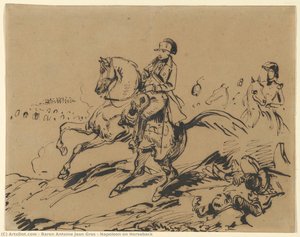
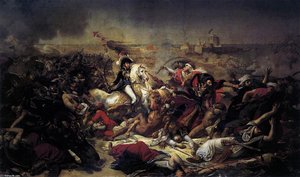
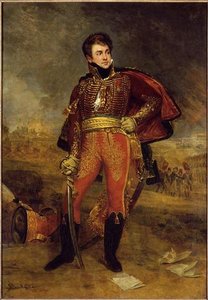
![[reproduction Of Napoleon On The Battlefield Of Eylau By Antoine-jean Gros] — アントワーヌ=ジャン・グロ, Romanticism](/media/artworks/images-thumb/71/d6/71d675b2075901060e862865eec8e2f4.jpg)
アーティストの略歴
帝国への筆致:アントワーヌ=ジャン・グロの生涯と芸術
ナポレオンフランスの壮大さと激動を色濃く残す名前、アントワーヌ=ジャン・グロは、美術史において特異な場所に存在しています。新古典主義の冷徹な合理性と、台頭しつつあるロマン主義の感情的な熱量の狭間に身を置いていたのです。1771年にパリで生まれた彼の芸術的な運命は、まるで定められていたかのようでした。両親ともに視覚芸術の担い手であり、母のピエレット=マドレーヌ=セシル・デュランが熟練したパステル画家であったこと、そして父のジャン=アントワーヌ・グロが緻密なミニチュア画家であり熱心な収集家であったことが、幼いアントワーヌに形態、色彩、そして芸術的表現の力に対する初期の深い理解を植え付けました。彼はわずか六歳で絵を描き始め、その自然な才能はやがて1785年にジャック=ルイ・ダヴィッドのアトリエへと彼を導くこととなり、これは彼の将来の軌跡を形作る極めて重要な瞬間となりました。同時代の最も著名な新古典主義画家であったダヴィッドから、彼は規律と古典的な理想への畏敬の念を学びましたが、グロ自身は、確立された規範に固執する以上の何かを切望する生来の気質を持っていたのです。革命の動乱からナポレオンの栄光へ
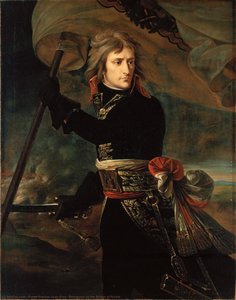
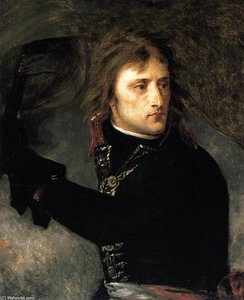
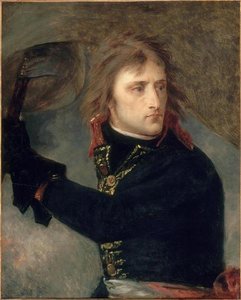
フランス革命は、グロの形成期に長く影を落とし、彼の初期の芸術活動を混乱させました。彼は1793年に一時的にフランスを離れ、イタリアで避難と機会を求め、そこで肖像画を通じて技術を磨きました。しかし、彼のキャリアの道を決定的に変えたのは、ボナパルト・ネポレオンという新進気鋭の星との偶然の出会いでした。1796年、グロはアルコールでの戦いの場でナポレオンを描く依頼を獲得します。この作品は彼を名声へと押し上げ、野心的な将軍から切望される庇護を得るきっかけとなりました。これが極めて実り多い関係の始まりを告げたのです。グロはナポレオンのお気に入りの画家となり、彼の勝利をキャンバス上に不滅のものとする重責を担いました。彼はボナパルトと共に戦場を巡り、軍事的偉業と戦略的な輝きに満ちた光景を捉えました。『ヤッファの疫病犠牲者を訪ねるボナパルト』(1804年)のような作品は、その陰鬱な現実をロマンチックに描いた点で物議を醸すものもありましたが、グロが歴史的な正確さと劇的な才能を見事に融合させる能力を示していました。これらの絵画は単なる出来事の記録ではありませんでした。それらはナポレオンのイメージを高め、彼の権力を確固たるものにするために慎重に構築された物語であり、グロを芸術を通じたプロパガンダの巨匠として確立させたのです。彼は1806年にナポレオンの画家に任命され、さらに1824年には男爵位を授与されることで、帝国の階層における地位を確固たるものとしました。様式の架け橋:ロマンの炎を吹き込まれた新古典主義
グロの芸術様式は、しばしば新古典主義とロマン主義を結ぶ架け橋として語られます。当初、彼はダヴィッドが重視した精密なデッサン力、形態の明晰さ、そして古典的な題材に固執していましたが、徐々に自らの絵画に高められたドラマ性、感情、色彩の感覚を吹き込んでいきました。彼は新古典主義の冷めた客観性から離れ、より情熱的で表現豊かなアプローチへと移行していったのです。これは特に彼の戦いの場面において顕著であり、そこでは単なる勝利の栄光だけでなく、戦争がもたらす苦しみや混沌をも描出していました。ティツィアーノやヴェロネーゼといったヴェネツィア派の巨匠たちの豊かな色彩パレットと躍動的な構図の影響が、ますます明白になってきました。彼の肖像画、例えば『ボリス・ユスボフ子爵の騎馬肖像』などは、肉体的な類似性と心理的な深遠さの両方を捉える驚くべき能力を示しています。彼は単に顔を描いていたのではなく、その人物の本質を露わにしていたのです。この様式的な進化は、グロが切り開いた感情的な強度と劇的な才能を受け入れたエージェン・ドラクロワやテオドール・ジェリコなど、その後の世代のフランスの画家たちに深く影響を与えることとなりました。晩年と不朽の遺産
ナポレオンの失墜後、グロは芸術的な不確実性の時代に直面しました。政治情勢の変化は題材の変更を要求し、彼は適応するのに苦労したのです。彼はより伝統的な歴史画や古典的なテーマへの回帰を試みましたが、彼の心はもはや完全にそこには留まっていなかったようです。彼の工房は芸術的革新の中心地となり、自身の経験から学びたいと願う志望生たちを引き寄せました。しかし、自己疑念と憂鬱に苛まれながら、グロはナポレオン時代に享受した名声を取り戻すことがますます困難になっていきました。彼は、衰退していく新古典主義の理想と、高まりゆくロマン主義の潮流の間に挟まれ、どちらの運動にも完全に身を委ねることができないと感じていたのです。悲劇的な展開として、アントワーヌ=ジャン・グロは1835年に自ら命を絶ち、今なお魅了し、感動を与え続ける遺産を残しました。彼の絵画は、激動と変革の時代に対する力強い証言であり、人間の野心、栄光、そして喪失という複雑さへの独自の垣間見せてくれます。彼はフランス美術に消しがたい痕跡を残し、ロマン主義運動への道を切り開き、その足跡を追う無数の芸術家に影響を与えました。彼の作品は、歴史的な依頼や政治的な庇護といった制約の中にあっても、真の芸術的ビジョンがいかに花開き、世界に永続的な影響を与えることができるかを思い起こさせるものなのです。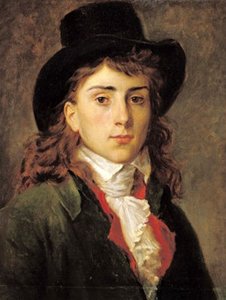
アントワーヌ=ジャン・グロ
1771 - 1835 , フランス
基本情報
- Artistic Movement Or Style: 新古典主義とロマン主義
- Artists Or Movements Influenced By This Artist:
- デラクロワ
- ジェリコー
- Artists Who Influenced This Artist: ['ジャック=ルイ・ダヴィッド']
- Date Of Birth: 1771年
- Date Of Death: 1835年
- Full Name: アントワーヌ=ジャン・グロ
- Nationality: フランス人
- Notable Artworks:
- アルコールでの戦い
- リュカアテのサフォ
- 騎馬肖像画
- アウステルリッツでの面会
- Place Of Birth: パリ、フランス
関連記事

Romantic Realism's Finest: 10 Masterpieces for Your Home | ArtsDot
Explore 10 defining masterpieces of Romantic Realism! Discover Courbet, Millet & Daumier's powerful paintings—capturing emotion and social realities. Find museum-quality reproductions for your home at ArtsDot.com.
Émile Jean Horace Vernet: Romantic Realism & Depicting 19th-Century Life
Explore the life & art of Émile Jean Horace Vernet, a master of Romantic Realism. Discover his captivating battle scenes, portraits, and Orientalist works – a window into 19th-century France. Learn about his techniques & enduring legacy.
Paul Huet: Capturing the Essence of French Romanticism Through Light and Landscape
Explore the captivating world of Paul Huet (1803-1869), a master of French Romantic landscape painting. Discover his influence on Barbizon & Impressionism, and browse high-quality reproductions at ArtsDot.

ロマン派ランドスケープ:時代を彩る巨匠の10選|アートとインテリアの世界
ロマン派絵画の時代を彩る10選。巨匠たちの風景が織りなす感動の世界へ。ターナー、ルーベンスなど、名作の裏話と高精細複製でアートをお部屋に。ArtsDot.comで至福のアート体験を。
Charles Le Brun: Master of French Baroque Classicism & His Enduring Legacy
Explore the life & art of Charles Le Brun, master of French Baroque Classicism. Discover his royal commissions, influence on Versailles, and enduring legacy through detailed analysis & stunning artworks.