

 プレビュー
プレビュー
 プリントを購入
 シェアする
シェアする シェアする
シェアする
 詳細を見る
詳細を見る

 ダウンロード
 似ている作品
 X線調査
X線調査 スライドショー
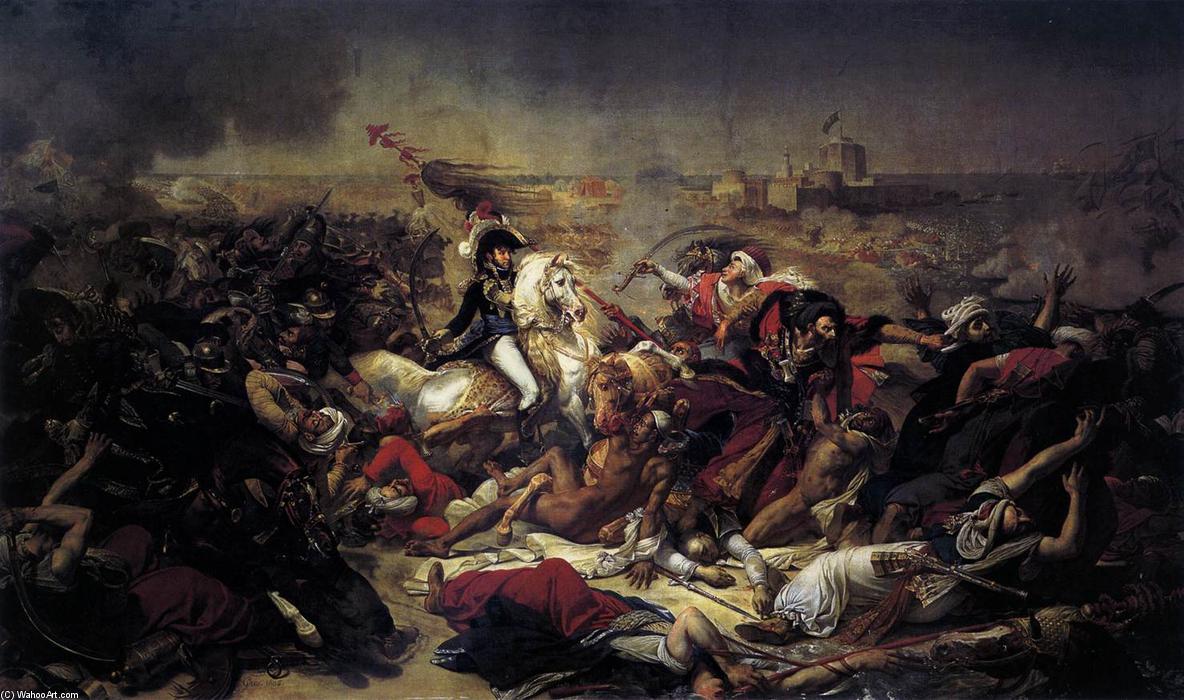
The Battle of Abukir
 Oil On Canvas
- WallArt
- Neo-Classical Romanticism
 1806
1806 578.0 x 968.0 cm
 ヴェルサイユ国立宮殿美術館
 詳細を見る
詳細を見る
オンラインプレビューをはるかに凌ぐ、高解像度で鮮明なデジタル画像をご購入いただけます。
各ファイルは、社内の専門家が高度なツールと熟練した手作業によるレタッチを用いて、細心の注意を払って準備されています。すべての画像において、卓越した鮮明度、正確な色彩再現性、そして繊細なディテールを保証いたします。
最終ファイルは、プロフェッショナルな編集・印刷環境ですぐにご利用いただけるよう最適化された状態で、72時間以内にメールにてお届けいたします。これは、一流のデザインスタジオ、出版社、ギャラリーから信頼されているものと同等の品質です。
デジタル画像のご注文に付随する特典
高品質なデジタル画像配信を、確かな品質で。
ArtsDot.com を選ぶことは、単に画像を手に入れることではありません。それは、プロの手によって精密に仕上げられ、満足保証が付いた高品質なデジタルアートワークを受け取ることを意味します。ご注文いただいた際に自動的に付随する内容は、以下の通りです:

メールですぐにお届け
ご注文から72時間以内に、高解像度のデジタル画像ファイルがメールでお手元に届きます。すぐにそのままご利用いただけます。

AI技術で最適化されたデジタルファイル
お客様の作品は、高度なAIツールと専門家による手作業の編集を組み合わせてプロフェッショナルに最適化されており、細部のディテール、鮮明さ、そして正確な色再現性を最大限に引き出しています。

一生涯無料の再送サービス
ファイルを誤って削除したり、紛失してしまったりしましたか?ご安心ください。いつでも無料で再送いたします。

輸入手数料は一切かかりません
関税や手数料、配送料を気にすることなく、お気に入りのアートワークをすぐにお楽しみいただけます。デジタルダウンロードは常に免税です。

色彩再現の保証
プロ仕様のツールとカラーマネジメント技術を用いることで、デジタル画像が元の色を最大限に忠実に再現することを保証いたします。

60日間満足保証
ご購入いただいたデジタル画像にご満足いただけない場合は、60日以内であれば、修正または100%の返金(理由を問う必要はありません)をさせていただきます。

100% 返金保証
ご満足いただけない場合は、デジタルファイルを受け取ってから60日以内であれば、理由を問わず全額返金いたします。

まとめ買い割引
3枚購入で10%OFF - 5枚購入で15%OFF - 10枚以上購入で20%OFF。クリエイティブなプロジェクト、ギャラリー、エージェンシーに最適です。
The Storming of Abukir: A Neo-Classical Echo of Napoleonic Grandeur
Antoine-Jean Gros’s “The Battle of Abukir,” painted in 1806, isn't merely a depiction of military conflict; it’s a carefully constructed tableau of power, ambition, and the raw energy of war. This monumental oil on canvas, measuring an impressive 578 x 968 cm, resides within the hallowed halls of the Musée National du Château in Versailles, France, a testament to its historical significance and artistic merit. Gros, a pivotal figure bridging the Neoclassical and Romantic movements, masterfully captures the chaos and drama of Napoleon’s Egyptian campaign, imbuing it with an emotional intensity that transcends simple reportage.
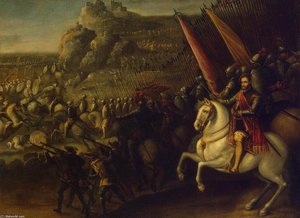
The painting immediately draws the eye to Murat, a cavalry commander renowned for his daring charges, positioned at the forefront. He is not simply leading a charge; he embodies decisive action, his posture radiating confidence and unwavering resolve. The composition itself is meticulously structured, adhering to the principles of Neoclassicism – clarity, balance, and an emphasis on idealized forms. However, Gros subtly departs from rigid formality, injecting a palpable sense of movement and dynamism that anticipates the burgeoning Romantic style. Notice how the figures are not static representations but rather caught in moments of intense action, their bodies contorted with exertion, their faces etched with determination or fear.
A Historical Moment Frozen in Time
The Battle of Abukir, a pivotal engagement in 1799, holds immense historical weight. It marked Napoleon’s final military command in Egypt and represented a crucial victory for the French forces against Ottoman troops led by Mustafa Pasha. Gros's painting serves as both a commemoration of this triumph and a strategic piece of propaganda. Commissioned during Napoleon’s rise to power, it was intended to bolster morale at home and abroad, showcasing the brilliance of French military leadership and the inevitability of their success. The inclusion of Murat, a popular figure known for his flamboyant style and daring exploits, further amplified this message.
Beyond its political significance, the battle itself is fascinating. It occurred during a period of intense geopolitical maneuvering, with Britain actively seeking to undermine French influence in Egypt. The Ottoman forces, bolstered by British support, launched an invasion aimed at reclaiming the territory. Gros’s depiction skillfully portrays the clash between these two powerful empires, capturing the scale and intensity of the conflict while subtly hinting at the broader strategic context.
The Language of Color and Light
Gros's masterful use of color and light is central to the painting’s dramatic effect. He employs a rich palette of earthy tones – ochres, browns, and reds – to depict the battlefield, creating a sense of grit and realism. However, these muted colors are punctuated by flashes of vibrant crimson and gold, particularly in the uniforms of the French cavalry, drawing the viewer's eye to the heart of the action. The artist skillfully utilizes chiaroscuro—the dramatic contrast between light and shadow—to sculpt the figures, emphasizing their musculature and conveying a sense of depth and volume.
The lighting is particularly effective in highlighting Murat’s figure, casting him in a heroic glow that elevates him above the surrounding chaos. The smoke-filled sky, rendered with loose brushstrokes, adds to the atmosphere of turmoil and uncertainty, while the distant castle provides a sense of scale and reinforces the epic nature of the battle.
Symbolism and Emotional Resonance
“The Battle of Abukir” is replete with symbolic elements. The charging cavalry represents the relentless drive for conquest, while the fallen soldiers underscore the human cost of war. The composition itself—with its clear lines and balanced arrangement—suggests order and control, even amidst the apparent chaos of battle. Yet, Gros doesn’t shy away from depicting the emotional toll of conflict; the faces of the soldiers reveal a spectrum of emotions – fear, determination, grief, and exhaustion.
Ultimately, this painting is more than just a historical record; it's a powerful meditation on power, ambition, and the enduring drama of human experience. It’s a testament to Gros’s artistic skill and his ability to capture the essence of a pivotal moment in history, offering viewers a glimpse into the heart of Napoleonic France.
For high-quality reproductions and further information, please visit https://ArtsDot.com or explore related resources at https://en.wikipedia.org/wiki/The_Battle_of_Aboukir and /art/list/?Filter=8XZGMR-Baron-Antoine-Jean-Gros-The-Battle-of-Abukir.
関連作品

作家の略歴
帝国への筆致:アントワーヌ=ジャン・グロの生涯と芸術
ナポレオンフランスの壮大さと激動を色濃く残す名前、アントワーヌ=ジャン・グロは、美術史において特異な場所に存在しています。新古典主義の冷徹な合理性と、台頭しつつあるロマン主義の感情的な熱量の狭間に身を置いていたのです。1771年にパリで生まれた彼の芸術的な運命は、まるで定められていたかのようでした。両親ともに視覚芸術の担い手であり、母のピエレット=マドレーヌ=セシル・デュランが熟練したパステル画家であったこと、そして父のジャン=アントワーヌ・グロが緻密なミニチュア画家であり熱心な収集家であったことが、幼いアントワーヌに形態、色彩、そして芸術的表現の力に対する初期の深い理解を植え付けました。彼はわずか六歳で絵を描き始め、その自然な才能はやがて1785年にジャック=ルイ・ダヴィッドのアトリエへと彼を導くこととなり、これは彼の将来の軌跡を形作る極めて重要な瞬間となりました。同時代の最も著名な新古典主義画家であったダヴィッドから、彼は規律と古典的な理想への畏敬の念を学びましたが、グロ自身は、確立された規範に固執する以上の何かを切望する生来の気質を持っていたのです。革命の動乱からナポレオンの栄光へ
フランス革命は、グロの形成期に長く影を落とし、彼の初期の芸術活動を混乱させました。彼は1793年に一時的にフランスを離れ、イタリアで避難と機会を求め、そこで肖像画を通じて技術を磨きました。しかし、彼のキャリアの道を決定的に変えたのは、ボナパルト・ネポレオンという新進気鋭の星との偶然の出会いでした。1796年、グロはアルコールでの戦いの場でナポレオンを描く依頼を獲得します。この作品は彼を名声へと押し上げ、野心的な将軍から切望される庇護を得るきっかけとなりました。これが極めて実り多い関係の始まりを告げたのです。グロはナポレオンのお気に入りの画家となり、彼の勝利をキャンバス上に不滅のものとする重責を担いました。彼はボナパルトと共に戦場を巡り、軍事的偉業と戦略的な輝きに満ちた光景を捉えました。『ヤッファの疫病犠牲者を訪ねるボナパルト』(1804年)のような作品は、その陰鬱な現実をロマンチックに描いた点で物議を醸すものもありましたが、グロが歴史的な正確さと劇的な才能を見事に融合させる能力を示していました。これらの絵画は単なる出来事の記録ではありませんでした。それらはナポレオンのイメージを高め、彼の権力を確固たるものにするために慎重に構築された物語であり、グロを芸術を通じたプロパガンダの巨匠として確立させたのです。彼は1806年にナポレオンの画家に任命され、さらに1824年には男爵位を授与されることで、帝国の階層における地位を確固たるものとしました。様式の架け橋:ロマンの炎を吹き込まれた新古典主義
グロの芸術様式は、しばしば新古典主義とロマン主義を結ぶ架け橋として語られます。当初、彼はダヴィッドが重視した精密なデッサン力、形態の明晰さ、そして古典的な題材に固執していましたが、徐々に自らの絵画に高められたドラマ性、感情、色彩の感覚を吹き込んでいきました。彼は新古典主義の冷めた客観性から離れ、より情熱的で表現豊かなアプローチへと移行していったのです。これは特に彼の戦いの場面において顕著であり、そこでは単なる勝利の栄光だけでなく、戦争がもたらす苦しみや混沌をも描出していました。ティツィアーノやヴェロネーゼといったヴェネツィア派の巨匠たちの豊かな色彩パレットと躍動的な構図の影響が、ますます明白になってきました。彼の肖像画、例えば『ボリス・ユスボフ子爵の騎馬肖像』などは、肉体的な類似性と心理的な深遠さの両方を捉える驚くべき能力を示しています。彼は単に顔を描いていたのではなく、その人物の本質を露わにしていたのです。この様式的な進化は、グロが切り開いた感情的な強度と劇的な才能を受け入れたエージェン・ドラクロワやテオドール・ジェリコなど、その後の世代のフランスの画家たちに深く影響を与えることとなりました。晩年と不朽の遺産
ナポレオンの失墜後、グロは芸術的な不確実性の時代に直面しました。政治情勢の変化は題材の変更を要求し、彼は適応するのに苦労したのです。彼はより伝統的な歴史画や古典的なテーマへの回帰を試みましたが、彼の心はもはや完全にそこには留まっていなかったようです。彼の工房は芸術的革新の中心地となり、自身の経験から学びたいと願う志望生たちを引き寄せました。しかし、自己疑念と憂鬱に苛まれながら、グロはナポレオン時代に享受した名声を取り戻すことがますます困難になっていきました。彼は、衰退していく新古典主義の理想と、高まりゆくロマン主義の潮流の間に挟まれ、どちらの運動にも完全に身を委ねることができないと感じていたのです。悲劇的な展開として、アントワーヌ=ジャン・グロは1835年に自ら命を絶ち、今なお魅了し、感動を与え続ける遺産を残しました。彼の絵画は、激動と変革の時代に対する力強い証言であり、人間の野心、栄光、そして喪失という複雑さへの独自の垣間見せてくれます。彼はフランス美術に消しがたい痕跡を残し、ロマン主義運動への道を切り開き、その足跡を追う無数の芸術家に影響を与えました。彼の作品は、歴史的な依頼や政治的な庇護といった制約の中にあっても、真の芸術的ビジョンがいかに花開き、世界に永続的な影響を与えることができるかを思い起こさせるものなのです。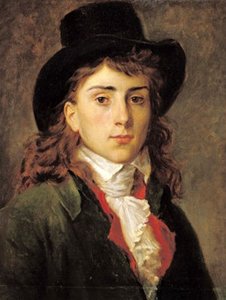
アントワーヌ=ジャン・グロ
1771 - 1835 , フランス
プロフィール概要
- Artistic Movement Or Style: 新古典主義とロマン主義
- Artists Or Movements Influenced By This Artist:
- デラクロワ
- ジェリコー
- Artists Who Influenced This Artist: ['ジャック=ルイ・ダヴィッド']
- Date Of Birth: 1771年
- Date Of Death: 1835年
- Full Name: アントワーヌ=ジャン・グロ
- Nationality: フランス人
- Notable Artworks:
- アルコールでの戦い
- リュカアテのサフォ
- 騎馬肖像画
- アウステルリッツでの面会
- Place Of Birth: パリ、フランス

