 プレビュー
プレビュー
 シェアする
シェアする シェアする
シェアする
 詳細を見る
詳細を見る

 ダウンロード
 似ている作品
 X線調査
X線調査 スライドショー
 Stats
StatsPanther seizing a stag


 詳細を見る
詳細を見る
手描き油彩複製画
当社のアーティストが、お客様のご希望のサイズと額縁に合わせて、キャンバスに手描きで制作する油彩画です。 ( Switch to Print Switch to Digital Image)




P118B $10

P118H $10

P118W $10

P438Z $10

P508JH $12

P508YH $12

P805H $10

P805Z $10

P919BZ $10

P919G $10

P919XJ $10

P959ZH $10

P968JZ $12

W106C $8

W218G $10

W218JH $8

W218Y $10

W307PJ $10

W316G $10

W316PJ $8

W316Y $10

W398PJ $8

W4111J $10

W500HY $15

W500JH $15

W692G $12

W849H $8

W940BG $15

W953PJ $8




作品のオリジナル比率に合わせた、当店の規定サイズからお選びください。

特定のフレームやスペースに合わせて、ご希望のサイズをご入力いただけます。選択されたサイズが元の画像の比率と異なる場合、アートワークをトリミングするか、手描きで要素を追加して絵画を拡張いたします。デジタルモックアップ を制作し、制作開始前にご確認(承認)をいただきます。
画面上のプレビューは、実際のトリミングや拡張を正確に反映しているものではありません。最終的な構図は、モックアップによってのみ正確にご確認いただけます。
カスタムサイズもご利用いただけますが、元の比率を維持するためには、あらかじめ用意されたリストからサイズを選択することをお勧めいたします。
ご注文後、ArtsDot.com チームより詳細な指示をお送りするとともに、仕上がりイメージ(モックアップ)をご提供いたします。


 ガラスオプションは、110cm未満のサイズでのみご利用いただけます。

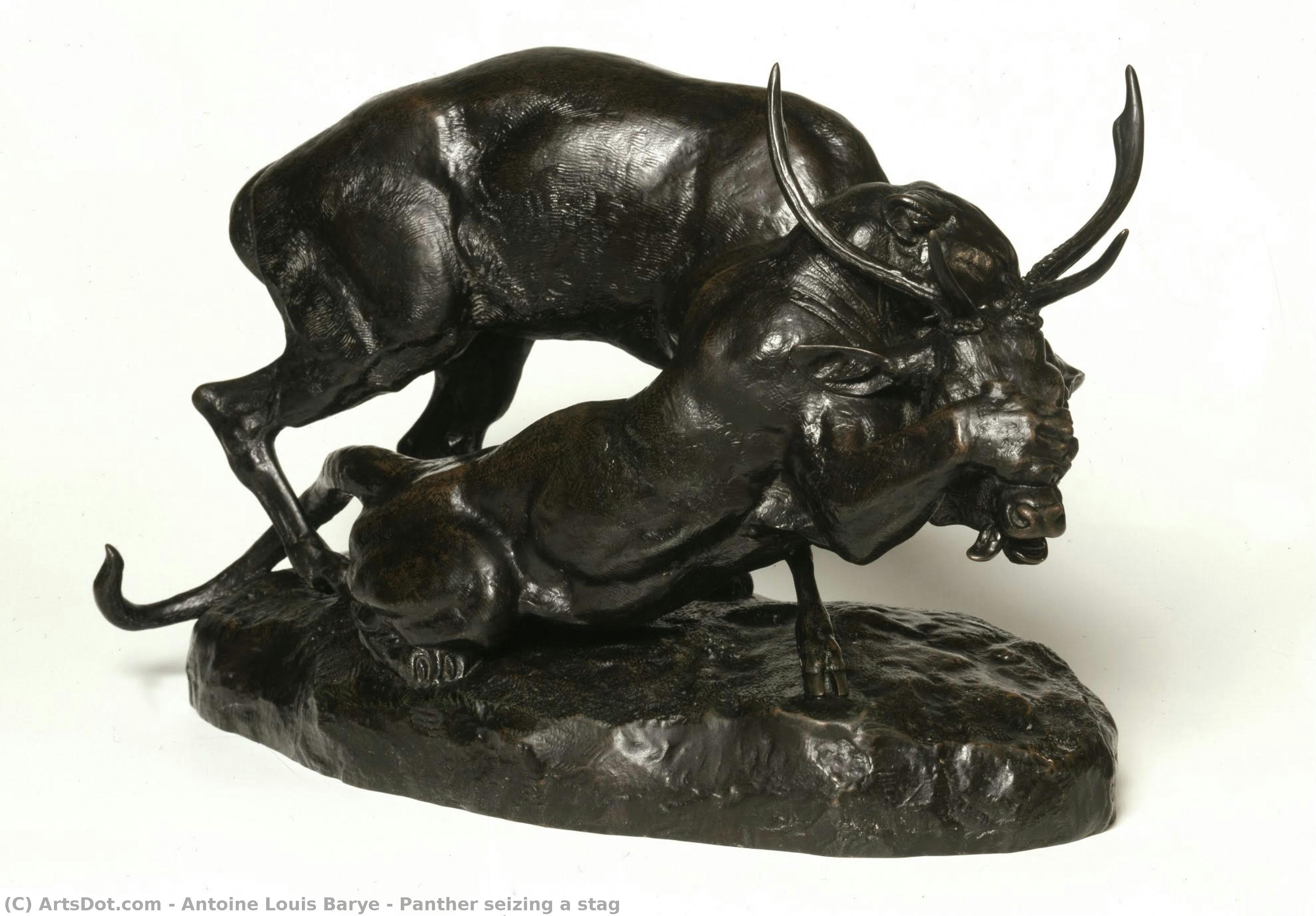
Panther seizing a stag
複製技法
複製画のサイズ
-


合計金額
$ 263
A Raw Display of Power: Antoine Barye’s “Panther Seizing a Stag”
Antoine-Louis Barye's "Panther Seizing a Stag" is not merely a depiction of an animal hunt; it’s a visceral embodiment of primal struggle, a testament to the sculptor’s profound understanding of anatomy and his ability to infuse bronze with a palpable sense of drama. Completed around 1800, this monumental work stands as a cornerstone of the French Romantic movement, capturing a moment of brutal intensity that resonates far beyond its subject matter. Barye, deeply influenced by the natural world and driven by an almost obsessive desire to portray animals in their most authentic and dynamic states, meticulously studied specimens at the Jardin des Plantes and even participated in animal dissections – practices considered unusual for an artist of his time – to achieve this unparalleled level of realism.
The composition itself is a masterclass in controlled chaos. The panther, rendered with a muscularity that borders on violent exaggeration, dominates the left side of the frame, its powerful paws clamped firmly around the stag’s body. Notice the subtle shifts in musculature – the coiled tension in the shoulders, the straining neck, the focused intensity of the eyes. The stag, though struggling desperately, retains a dignity and nobility, his posture conveying both fear and defiance. Barye doesn't shy away from the brutality of the encounter; the textures of the fur, the glistening sheen of the panther’s hide, and the raw, exposed flesh of the wounded animal are all rendered with astonishing detail. The bronze itself is not smoothed or polished; it retains a deliberately rough surface, mirroring the chaotic energy of the scene and adding to its dramatic impact.
The Animalier Tradition and Barye's Innovation
Barye’s work firmly establishes him as a pioneer within the *animalier* tradition – a movement dedicated to elevating animals as subjects worthy of serious artistic consideration. Prior to Barye, animal sculpture often served primarily decorative or allegorical purposes. However, Barye sought to depict animals not as symbols, but as living beings with their own inherent drama and power. He moved away from idealized representations, favoring instead a brutally honest portrayal of their physicality and behavior. This shift was revolutionary, reflecting the Romantic fascination with nature’s untamed beauty and the darker aspects of human existence.
His approach was deeply informed by his study of anatomy – not just the skeletal structure, but also the subtle nuances of muscle movement and skin texture. He wasn't simply copying what he saw; he was striving to capture the *essence* of the animal’s struggle, its instinctual drive for survival. This commitment to anatomical accuracy, combined with his expressive use of line and form, distinguishes Barye’s work from earlier depictions of animals in sculpture.
Symbolism and Romantic Ideals
While seemingly a straightforward depiction of a predatory hunt, “Panther Seizing a Stag” carries deeper symbolic weight. The scene can be interpreted as an allegory for the struggle between life and death, strength and vulnerability, predator and prey – themes central to the Romantic worldview. The panther, often associated with darkness, power, and instinct, represents the forces of nature, while the stag embodies nobility, grace, and resilience. The act of seizing is not merely a violent encounter; it’s a fundamental assertion of dominance within a natural hierarchy.
Furthermore, Barye's work reflects the Romantic fascination with the sublime – that feeling of awe and terror inspired by encounters with overwhelming natural forces. The sheer power and intensity of the scene evoke a sense of both danger and beauty, reminding us of humanity’s smallness in the face of nature’s grandeur. The bronze itself, a material associated with permanence and strength, reinforces this theme.
A Legacy of Dramatic Bronze Sculpture
“Panther Seizing a Stag” remains one of Barye's most celebrated works, exemplifying his mastery of technique and his profound understanding of animal behavior. It’s a powerful reminder of the Romantic movement’s embrace of raw emotion, dramatic intensity, and the untamed beauty of the natural world. Reproductions of this iconic sculpture continue to captivate audiences today, offering a glimpse into the artistic vision of one of France's most influential sculptors. Its dynamic composition and evocative portrayal of struggle make it an enduring symbol of power, vulnerability, and the eternal dance between predator and prey.
関連作品

アーティストの略歴
動物彫刻の先駆者:アントワーヌ=ルイ・バリーの生涯と遺産
1795年9月24日、パリに生を受けたアントワーヌ=ルイ・バリーは、19世紀の彫刻界において極めて重要な役割を担う人物として登場しました。彼は単に動物を描写しただけではありません。かつて見たこともないような劇的な緊張感と解剖学的な正確さを作品に吹き込み、動物の形態に特化したジャンルである「アニミエ(animalier)」を、紛れもない純粋芸術の領域へと押し上げたのです。バリーの歩みは、彫刻家の工房ではなく、父の跡を継ぐ金細工師の見習いとして始まりました。この初期の修行が、彼のキャリアを通じて計り難い価値を持つこととなる、細部への緻密なこだわりと卓越した技術の習得をもたらしました。彼はフランソワ=ジョゼフ・ボシオやアントワーヌ=ジャン・グロといった彫刻家たちの下でさらなる研鑽を積み、古典的な原則を吸収しながら、同時に独自のロマン主義的な感性を育んでいきました。エコール・デ・ボザールでの正規の教育は強固な基礎を与えましたが、彼の芸術的ビジョンに真の火を灯したのは、1823年頃、パリの植物園(ジャルダン・デ・プランタージュ)で出会った生きた世界、すなわちそこに息づく動物たちとの邂逅でした。金細工師からアニミエへ:独自の様式の確立
バリーによる動物観察への献身は、一種の執念とも言えるものでした。彼は単に眺めるのではなく、彼らの解剖学的構造、動き、そして行動を深く研究し、素描し、緻密に分析しました。しかし、このリアリズムへの追求は、決して冷徹で臨床的なものではありませんでした。そこにはロマン主義運動の特徴である、感情の昂ぶりが満ち溢れていたのです。学生時代に制作された「ライオンに食われるクロトナのミロ」(1819年)や「エリマントスの猪を伴うヘラクレス」(1م20年頃)といった初期作品には、ダイナミックな構図と劇的な物語性を生み出す彼の才能の片鱗が見て取れます。しかし、バリーが真に自身の代名詞となる様式を確立したのは、サロンで大きな旋風を巻き起こした記念碑的な石膏像「ガビアル・クロコダイルを喰らう虎」(1831年)や、ブロンズ鋳造による「蛇を締め上げるライオン」(1832年)といった作品を通じてでした。これらは単なる静止した表現ではなく、自然界における生存競争の残酷な美しさを捉え、剥き出しの力が時間の中に凍りついた瞬間そのものでした。彼は単なる模倣を超え、動物の生命の本質――その強靭さ、敏捷さ、そして飼い慣らされることのない精神――を表現することに成功したのです。彼の作品は、文明社会の枠組みを超えた体験を渇望するロマン主義的な情熱を反映し、エキゾチックで野生的なものへの高まる大衆の関心と深く共鳴しました。主要作品と記念碑的な依頼作品
キャリアを通じて、バリーは驚くほど多種多様な彫刻を生み出し、その一つひとつが動物の形態と動きを捉える比類なき技術を証明していました。象徴的な「ガビアル・クロコダイルを喰らう虎」や「蛇を締め上げるライオン」にとどまらず、「テセウスとミノタウロス」(1843年)、「ヒッポグリフに乗るロジャーとアンジェリカ」(1846年)、「ラピスとケンタウロス」(1848年)、「野ウサギを喰らうジャガー」(1850年)といった傑作は、彼の多才さと想像力の豊かさを物語っています。また、彼は捕食者同士の遭遇を描くことだけに限定されませんでした。神話的な場面も探求し、動物研究で培ったダイナミックなエネルギーと解剖学的な精密さを、それらの主題にも注ぎ込んだのです。その才能は小規模なブロンズ像に留まりませんでした。バリーは記念碑的な作品の権威ある依頼も受けており、フランスの不屈の精神の象徴である「七月革命記念柱のライオン」や、パリのチュイルリー庭園を飾る彫刻などもその一部です。これらの大規模なプロジェクトは、自身の芸術的ビジョンを公共芸術へと昇華させる彼の能力を示し、フランスを代表する彫刻家としての地位を不動のものにしました。影響、苦闘、そして永遠の意義
バリーの作品は、多様な影響の結晶でした。彫刻に漂う劇的な緊張感には、ロマン主義が重んじた感情と個人主義が明白に現れています。同時に、解剖学的な正確さと理想化された形態へのこだわりには、古典芸術からのインスピレーションが見て取れます。しかし、彼を真に際立たせていたのは、植物園での数え切れないほどの時間を通じて培われた、科学的な観察アプローチでした。批評家からの絶賛を浴びながらも、バリーの人生は決して平坦なものではありませんでした。経営上の才覚に欠けていたこともあり、キャリアの大部分において経済的な困難に直面しました。1848年の破産により、彼は自らのモデルや型を売却せざるを得なくなり、その結果、市場には質の低い模倣品が溢れ、彼の名声に傷がつく時期もありました。1854年には国立自然史博物館のデッサン教授としてある程度の安定を得ましたが、彼の天才性が真に正当に評価されたのは、死後のことでした。今日、アントワーヌ=ルイ・バリーは「近代動物彫刻の父」として広く認識されています。後世の芸術家たちに与えた影響は疑いようもなく、その作品は力強さ、リアリズム、そして永遠の美しさによって称えられ続けています。彼はアニミエというジャンルを、単なるニッチな追求から、尊敬されるべき芸術表現の形態へと昇華させ、彫刻史に消えることのない足跡を残したのです。彼の遺産は、今もなお世界中のコレクターや美術館において、畏敬と称賛の念を呼び起こし続けています。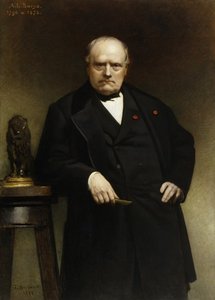
アントワーヌ=ルイ・バリー
1796 - 1875 , フランス
基本情報
- Artistic Movement Or Style: ロマン主義
- Artists Or Movements Influenced By This Artist: ['動物彫刻家']
- Artists Who Influenced This Artist:
- フランソワ=ジョゼフ・ボジオ
- アントワーヌ=ジャン=グロ男爵
- Date Of Birth: 1795年9月24日
- Date Of Death: 1875年6月25日
- Full Name: アントワーヌ=ルイ・バリー
- Nationality: フランス
- Notable Artworks:
- ガビアルを食らう虎
- 蛇を押しつぶすライオン
- テセウスとミノタウロス
- ロジャーとアンジェリカ
- ラピスとケンタウロス
- 野ウサギを食らうジャガー
- Place Of Birth: フランス、パリ
関連記事
The Enduring Legacy of Bronze: History, Technique & Artistic Expression for the Collector
Explore the rich history & enduring appeal of bronze sculpture with expert insights for collectors at ArtsDot. Learn about casting techniques, iconic artists, and collecting tips.

The Enduring Legacy of Bronze: A Historical & Artistic Exploration for the Collector
Explore the rich history & enduring appeal of bronze sculpture with expert insights for collectors at ArtsDot. Learn about casting techniques, iconic artists, collecting tips & contemporary interpretations.

Bronze Sculptures That Defined Art History | ArtsDot
Journey through art history with our Top 10 bronze sculptures! Explore masterpieces by Rodin, Michelangelo & more. Discover stories behind iconic statues and find museum-quality reproductions for your home decor at ArtsDot.com.
The Enduring Legacy of Bronze Sculpture: A Collector's Guide to Form & Cultural Significance
Explore the rich history & enduring appeal of bronze sculpture with expert insights for collectors at ArtsDot. Learn about casting techniques, iconic artists, and collecting tips to build a discerning art collection.

Bronze Age to Modern Masters: 10 Sculptures That Redefined Art | ArtsDot
Journey through art history with 10 legendary bronze sculptures – from Michelangelo's David to Rodin’s Thinker. Explore the stories, techniques & timeless beauty of these masterpieces. Find museum-quality reproductions & elevate your home decor on ArtsDot.com.