 プレビュー
プレビュー
 シェアする
シェアする シェアする
シェアする
 詳細を見る
詳細を見る

 ダウンロード
 似ている作品
 X線調査
X線調査 スライドショー
 Stats
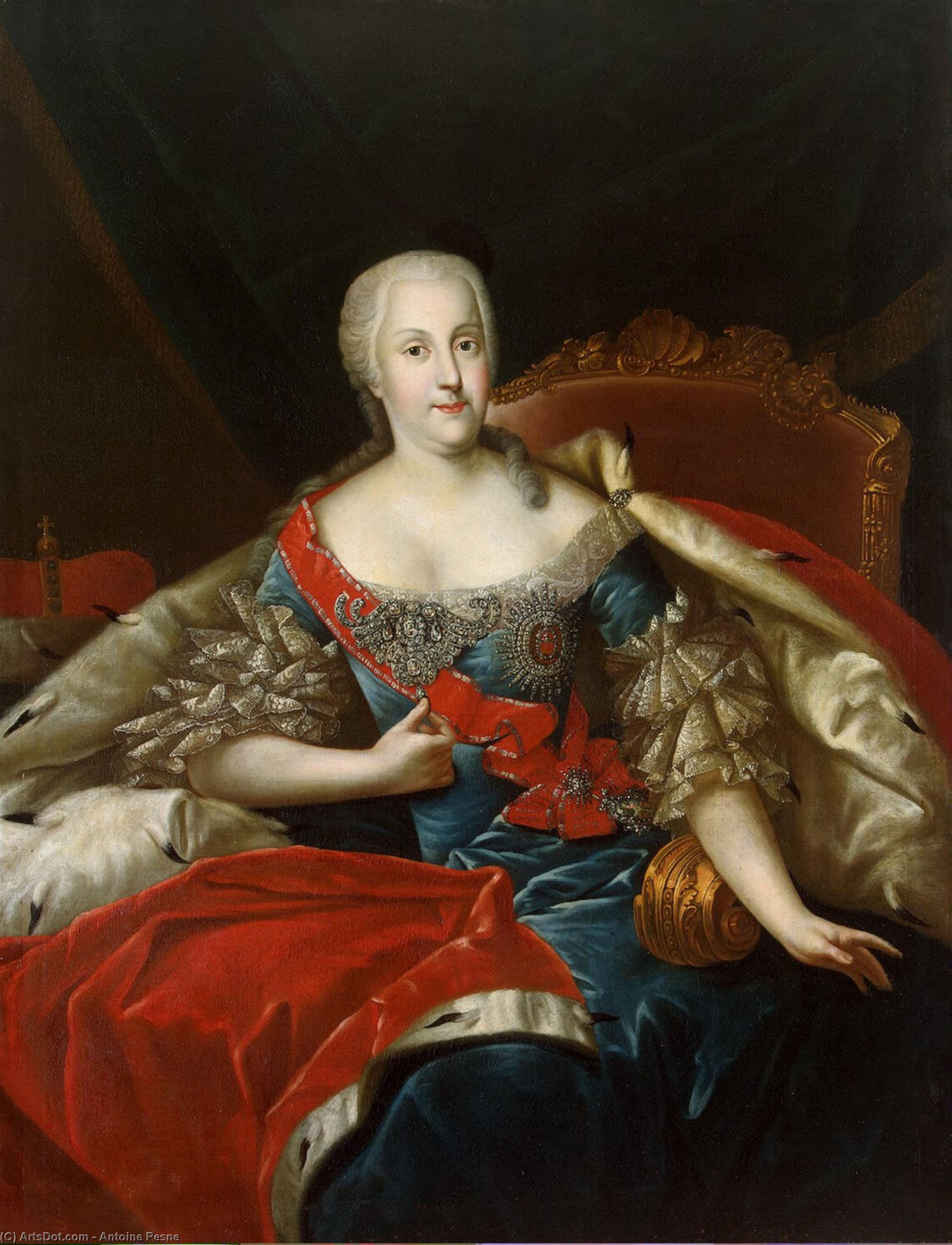
StatsPortrait of Johanna Elisabeth, Princess of Anhalt-Zerbst
 Oil On Canvas
- WallArt
- Rococo
 1746
1746 143.0 x 110.0 cm
 エルミタージュ美術館
 詳細を見る
詳細を見る
手描き油彩複製画
当社のアーティストが、お客様のご希望のサイズと額縁に合わせて、キャンバスに手描きで制作する油彩画です。 ( Switch to Print Switch to Digital Image)




P118B $10

P118H $10

P118W $10

P438Z $10

P508JH $12

P508YH $12

P805H $10

P805Z $10

P919BZ $10

P919G $10

P919XJ $10

P959ZH $10

P968JZ $12

W106C $8

W218G $10

W218JH $8

W218Y $10

W307PJ $10

W316G $10

W316PJ $8

W316Y $10

W398PJ $8

W4111J $10

W500HY $15

W500JH $15

W692G $12

W849H $8

W940BG $15

W953PJ $8




作品のオリジナル比率に合わせた、当店の規定サイズからお選びください。

特定のフレームやスペースに合わせて、ご希望のサイズをご入力いただけます。選択されたサイズが元の画像の比率と異なる場合、アートワークをトリミングするか、手描きで要素を追加して絵画を拡張いたします。デジタルモックアップ を制作し、制作開始前にご確認(承認)をいただきます。
画面上のプレビューは、実際のトリミングや拡張を正確に反映しているものではありません。最終的な構図は、モックアップによってのみ正確にご確認いただけます。
カスタムサイズもご利用いただけますが、元の比率を維持するためには、あらかじめ用意されたリストからサイズを選択することをお勧めいたします。
ご注文後、ArtsDot.com チームより詳細な指示をお送りするとともに、仕上がりイメージ(モックアップ)をご提供いたします。


 ガラスオプションは、110cm未満のサイズでのみご利用いただけます。

Portrait of Johanna Elisabeth, Princess of Anhalt-Zerbst
複製技法
複製画のサイズ
-


合計金額
$ 263
A Glimpse into Royal Grace: Antoine Pesne’s Portrait of a Prussian Princess
Antoine Pesne's “Portrait of Johanna Elisabeth, Princess of Anhalt-Zerbst” is more than just a painted likeness; it’s a carefully constructed tableau of power, grace, and the subtle anxieties of a woman navigating the intricate world of 18th-century European aristocracy. Completed in 1746, this remarkable work offers a captivating window into the life of a princess – not merely as a royal figurehead, but as an individual grappling with expectations, duty, and personal desires.
Pesne, a pivotal figure bridging the Baroque and Rococo styles, expertly captures Johanna Elisabeth’s poised demeanor. The painting is executed in the refined style characteristic of his work, blending the formality of earlier portraiture with the burgeoning playfulness of the Rococo era. Notice the delicate handling of fabrics – the rich velvet of her dress, the shimmering silk of her bodice – rendered with a masterful understanding of light and shadow that elevates the textures to life. The subtle blush on her cheeks, the gentle curve of her lips, all speak volumes about her inner state, hinting at both composure and perhaps a touch of wistful contemplation.
The Context of Power: Anhalt-Zerbst in the Shadow of Prussia
To fully appreciate this portrait, one must understand its historical context. Johanna Elisabeth was the daughter of Prince Christian August of Holstein-Gottorp, a key figure in the Prussian military and political landscape. Her marriage to his son, Christian August, brought Anhalt-Zerbst into the orbit of Prussia’s burgeoning power under Frederick II. The principality itself was a relatively minor state, yet its strategic location and the ambitions of its rulers meant that Johanna Elisabeth found herself caught between the demands of her husband's military career and the expectations of royal court life.
The painting reflects this duality. While she is presented as a dignified princess – evidenced by the crown adorning her head and the ribbon signifying her rank – there’s an underlying sense of restraint, a subtle suggestion that she is merely fulfilling her role within a larger political game. The carefully chosen setting—a simple chair against a curtained backdrop—emphasizes her position as a subject, rather than a participant in the grand drama unfolding around her.
Symbolism and the Language of Portraiture
Pesne employs several visual cues to convey meaning beyond mere representation. The red ribbon around Johanna Elisabeth’s neck is a clear symbol of her status and rank, while the placement of her hand on her chest—a gesture reminiscent of classical sculpture—conveys both dignity and vulnerability. The inclusion of two figures in the background – one standing and another partially visible – adds layers of narrative complexity, perhaps hinting at the social circles she navigated or the responsibilities she bore.
Notably, the painting’s composition draws heavily on established conventions of portraiture during this period. The three-quarter pose, a popular choice for depicting royalty, allows Pesne to showcase Johanna Elisabeth's features in detail while maintaining a sense of formality and grandeur. The use of light and shadow—a technique known as chiaroscuro—creates depth and drama, drawing the viewer’s eye to her face and highlighting her regal bearing.
A Legacy of Rococo Elegance
“Portrait of Johanna Elisabeth, Princess of Anhalt-Zerbst” stands as a testament to Antoine Pesne's skill and his ability to capture the essence of his subject. It’s a painting that invites contemplation, prompting us to consider not only the outward appearance of a royal figure but also the hidden complexities of her life and times. Today, reproductions of this captivating portrait continue to resonate with art lovers, offering a glimpse into a bygone era of European aristocracy and the enduring power of visual storytelling.
関連作品



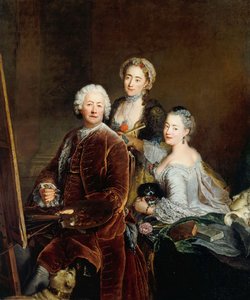
アーティストの略歴
パリでの黎明期からプロイセン宮廷画家へ
1683年5月29日、パリに生を受けたアントワン・ペスネは、芸術の伝統が深く根付いた家庭に育ちました。父と叔父という二人の先達が彼の最初の師となり、その幼少期の研鑽が、後の輝かしいキャリアの礎となったのです。彼は、ヨーロッパ美術をバロックの壮大さからロココの繊細な優雅さへと移行させた、最も重要な人物の一人となりました。ペスネの正統な修行はアカデミー・ロワイヤル(王立アカデミー)で続けられ、1704年から1710年にかけて授与された奨学金によって、彼は技術を磨き、イタリアの豊かな芸術的風景に身を投じることができました。この時期は彼の技法のみならず、美的な感性を形作る上でも極めて重要な意味を持っていました。そして、ヴェネツィアで彼が描き上げた肖像画に魅了されたプロイセン王フリードリヒ1世の目に、その才能が留まったのです。1710年、王はペスネをベルリンへと召喚しました。その最初の依頼は、国王自身の自画像を描くこと――それは、当時高まりつつあったペスレルギーの評価と技術を証明する出来事でした。王室への任命と芸術的進化
ペスネのプロイセンへの到来は、彼自身のキャリアのみならず、宮廷の芸術的方向性にとっても大きな転換点となりました。1713年にフリードリヒ1世が崩御した後、ペスネはさらなる地平を求め、ドレスデンやデッサウで活動を展開しました。その後パリへと戻ると、1720年にはアカデミー・ロワイヤルの正会員に選出され、その地位はヨーロッパの芸術界において揺るぎないものとなりました。この時期の特筆すべき作品として、著名な収集家ピエール=ジャン・マリエットの肖想画が挙げられます。マリエットが持つ広大なネットワークは、ペスネのさらなる成功と名声の拡大に計り知れない恩恵をもたらしました。しかし、彼の真のレガシーを決定づけたのは、1722年に始まった皇太子フリードリヒ(後のフリードリヒ大王)の下でのプロイセン仕官でした。「軍人王」として知られるフリードリヒ・ヴィルヘルム1世は、芸術よりも軍事的事務を優先する人物でしたが、それでもペスネの才能を見抜き、彼をベルリン芸術アカデミーの総長に任命しました。この地位により、ペスネは次世代のプロイセン人芸術家たちを導く存在となったのです。また、この任命は彼の画風の変遷をも象徴していました。彼はプロイセン王室とその周辺人物の肖像画でますます名を馳せるようになり、単なる外見の模写に留まらず、宮廷内の人間性や権力構造までも描き出すようになったのです。肖像画の巨匠:その様式と技法
ペスネの芸術様式は、形式美と親密さを融合させる驚異的な能力によって特徴づけられます。初期の作品には、劇的な光の演出や豪華な細部描写といったバロックの伝統が色濃く残っていますが、次第に彼は、より軽やかで遊び心にあふれたロココの美学へと歩みを進めていきました。彼の肖像画は単なる記録ではありません。それは、描かれた人物の地位、性格、そして抱いている志を雄弁に物語る、緻密に構成された叙事詩なのです。色彩と質感に対する卓越した支配力により、彼は布地の質感を驚くほど写実的に表現し、表情の微細なニュアンスをも捉えました。遺産と歴史的意義 アントワン・ペスネの影響力は、プロイセン宮廷の壁を遥かに越えて広がっていました。彼の作品は、フランス絵画派と、新たに台頭してきたフリードリヒ・ロココ様式を結ぶ極めて重要な架け橋となり、18世紀ドイツの芸術的景観を形作りました。彼の最も称賛される業績の一つに、1733年の「軍人王」フリードリヒ・ヴィルヘルム1世の肖像画があります。そこには、統治者の厳格な佇まいと、軍事規律への揺るぎない献身が刻み込まれています。他にも、フリードリヒ1世やその家族を描いた数多くの肖像画が、ベルリンの美術館やシャルロッテンブルク宮殿の壁を彩り、プロイセン貴族の生活を垣間見せてくれます。王室からの依頼以外にも、ペスネは宗教芸術にも消えない足跡を残しており、ケーテンのアグヌス教会のために描かれたアンハルト=ケーテン公女ギゼラ・アグネスの肖像画はその好例です。ベルリン・アカデミーの総長としての役割は、彼の芸術的理念が後世の芸術家たちへと継承されることを確かなものとし、プロイセン美術史における彼の地位を不動のものとしました。変化する美的潮流に適応し、進化し続けたペスネの能力は、その卓越した技術と心理的洞察力とともに、今日においてもなお深い共鳴を呼び起こしています。彼の作品は、今なお研究と賞賛に値する、真に重要な芸術家としての輝きを放ち続けているのです。
アントワーヌ・ペスヌ
1683 - 1757 , フランス
基本情報
- Artistic Movement Or Style: ロココ
- Artists Or Movements Influenced By This Artist: フリードリヒ・ロココ様式
- Artists Who Influenced This Artist:
- 彼の父
- 彼の叔父
- Date Of Birth: 1683年5月29日
- Date Of Death: 1757年8月5日
- Full Name: アントワーヌ・ペスネ
- Nationality: フランス
- Notable Artworks:
- フリードリヒ・ヴィルヘルム1世の肖像画
- ピエール=ジャン・マリエットの肖像画
- ギゼラ・アグネスの肖像画
- Place Of Birth: フランス、パリ
関連記事

バロックのドラマ:現代のインテリアに壮麗さと情感を取り込む
バロック様式の歴史、絵画、家具の魅力をご紹介。ArtsDotでは、高品質な油絵複製やカスタムポートレートをご提供し、現代のインテリアに壮麗さと情感を取り入れます。アートコンサルテーションも承ります。

The Dramatic Flourish: Exploring the Baroque Movement's Enduring Legacy in Art History
Explore the dramatic world of Baroque art! Discover iconic artists like Caravaggio & Rubens, defining techniques, and its lasting impact on art history. Expert insights for collectors & enthusiasts at ArtsDot.

The Rococo Aesthetic: Opulence, Rebellion & the Pursuit of Pleasure in 18th-Century Art
Explore the opulent world of Rococo art! Discover its origins, key artists like Watteau & Boucher, and lasting influence on design. Expert insights for collectors & enthusiasts.
From Grandeur to Grace: Exploring the Evolution of Baroque & Rococo Art
Explore the captivating evolution from Baroque's drama to Rococo's grace! Discover key artists, characteristics & lasting influence of these art movements with expert insights at ArtsDot.

華麗なるロココ:芸術史を彩る10大傑作の世界
華麗なるロココ美術の世界へ。バロックから生まれた優雅な芸術、その10大傑作を徹底解説!ブーシェ、フロマンなど巨匠たちの技と物語を紐解き、お部屋を彩るアートを見つけよう。ArtsDot.comで至高の美術館品質レプリカとインテリアアイデアを発見。