

 プレビュー
プレビュー
 プリントを購入
 シェアする
シェアする シェアする
シェアする
 詳細を見る
詳細を見る

 ダウンロード
 似ている作品
 X線調査
X線調査 スライドショー
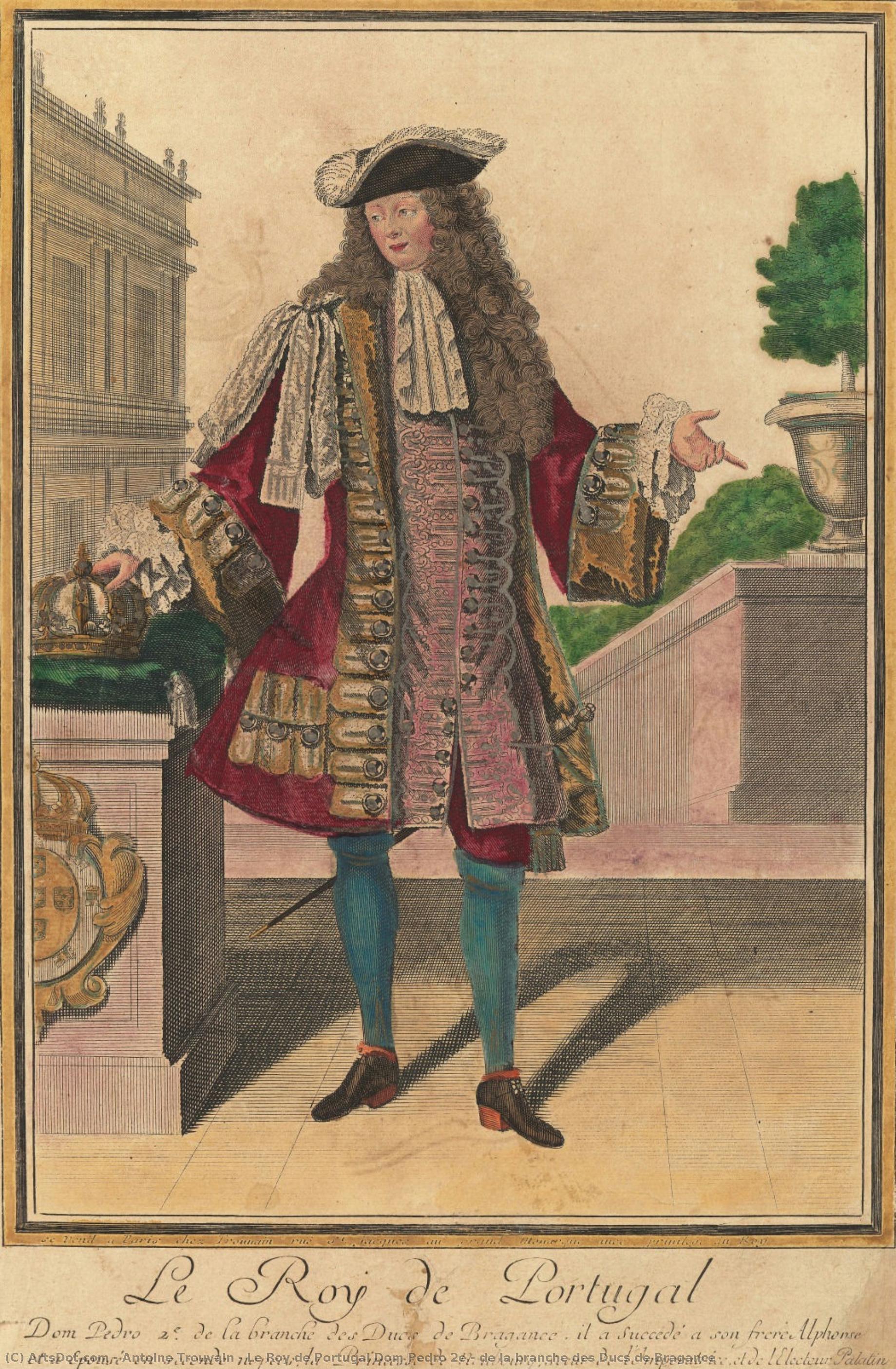
Le Roy de Portugal Dom Pedro 2e., de la branche des Ducs de Bragance
 Baroque
 1700
1700- Early Modern
 46.0 x 30.0 cm
 マリオ・デ・アンドラーデ図書館
 詳細を見る
詳細を見る
オンラインプレビューをはるかに凌ぐ、高解像度で鮮明なデジタル画像をご購入いただけます。
各ファイルは、社内の専門家が高度なツールと熟練した手作業によるレタッチを用いて、細心の注意を払って準備されています。すべての画像において、卓越した鮮明度、正確な色彩再現性、そして繊細なディテールを保証いたします。
最終ファイルは、プロフェッショナルな編集・印刷環境ですぐにご利用いただけるよう最適化された状態で、72時間以内にメールにてお届けいたします。これは、一流のデザインスタジオ、出版社、ギャラリーから信頼されているものと同等の品質です。
デジタル画像のご注文に付随する特典
高品質なデジタル画像配信を、確かな品質で。
ArtsDot.com を選ぶことは、単に画像を手に入れることではありません。それは、プロの手によって精密に仕上げられ、満足保証が付いた高品質なデジタルアートワークを受け取ることを意味します。ご注文いただいた際に自動的に付随する内容は、以下の通りです:

メールですぐにお届け
ご注文から72時間以内に、高解像度のデジタル画像ファイルがメールでお手元に届きます。すぐにそのままご利用いただけます。

AI技術で最適化されたデジタルファイル
お客様の作品は、高度なAIツールと専門家による手作業の編集を組み合わせてプロフェッショナルに最適化されており、細部のディテール、鮮明さ、そして正確な色再現性を最大限に引き出しています。

一生涯無料の再送サービス
ファイルを誤って削除したり、紛失してしまったりしましたか?ご安心ください。いつでも無料で再送いたします。

輸入手数料は一切かかりません
関税や手数料、配送料を気にすることなく、お気に入りのアートワークをすぐにお楽しみいただけます。デジタルダウンロードは常に免税です。

色彩再現の保証
プロ仕様のツールとカラーマネジメント技術を用いることで、デジタル画像が元の色を最大限に忠実に再現することを保証いたします。

100日間満足保証
ご購入いただいたデジタル画像にご満足いただけない場合は、100日以内であれば、修正または100%の返金(理由を問う必要はありません)をさせていただきます。

100% 返金保証
ご満足いただけない場合は、デジタルファイルを受け取ってから100日以内であれば、理由を問わず全額返金いたします。

まとめ買い割引
3枚購入で10%OFF - 5枚購入で15%OFF - 10枚以上購入で20%OFF。クリエイティブなプロジェクト、ギャラリー、エージェンシーに最適です。
関連作品

作家の略歴
Bonaventura Peeters I (1614–1652): A Flemish Master of Storms and Seascapes
Bonaventura Peeters I, born in Antwerp in 1614 and tragically dying there just a decade later in 1652, represents a singular figure within the history of Flemish marine painting. While the Dutch dominated this genre during his lifetime – capturing the dynamism and drama of the North Sea with unparalleled skill – Peeters carved out a distinct niche, becoming virtually the only notable practitioner of seascapes amongst his contemporaries. His legacy rests primarily on a captivating collection of works depicting turbulent storms, shipwrecks, and other dramatic maritime events, alongside more serene depictions of imagined Mediterranean ports and coastal scenes. His work offers a unique window into the anxieties and aspirations surrounding seafaring during a period of immense exploration and trade.
Peeters’ artistic journey began in Antwerp, a vibrant hub of art and commerce at the time. Though details about his early training remain somewhat sparse, it's believed he honed his skills within the established artistic milieu of the city, absorbing influences from various masters. Notably, his sister, Catharina Peeters (1615–76), was herself a talented seascape and still-life painter, demonstrating an artistic lineage within the family. However, unlike her brother, Clara Peeters, an outstanding Antwerp still-life painter, wasn’t directly related to Bonaventura. This familial connection highlights the diverse artistic talents flourishing in Antwerp during the 17th century.
Peeters' style is characterized by a dramatic use of light and shadow – a technique heavily influenced by the Baroque movement and, crucially, by the Dutch *Caravaggisti*, artists who had brought the intensity of Caravaggio’s chiaroscuro to the Netherlands. He masterfully employed this contrast to heighten the sense of drama in his compositions, emphasizing the power of the sea and the vulnerability of ships caught in its fury. His paintings aren't merely representations of maritime events; they are carefully constructed narratives designed to evoke a powerful emotional response from the viewer. The meticulous detail with which he rendered ropes, sails, and waves speaks to a deep understanding of nautical life and a commitment to realism.
Cornelis Boumeester: A Tile Painter Turned Shipmaster
Alongside Bonaventura Peeters, another significant figure in Dutch maritime painting during this period was Cornelis Boumeester (1652 – 1733). While Peeters focused primarily on dramatic scenes of the open sea, Boumeester’s background is particularly intriguing. He began his career as a tile painter, employed by the renowned Jacobus de Colonia's tile factory in Hoboken (now part of Antwerp), specializing in *penschilderij* – a technique involving painting directly onto wet tiles. This unusual starting point reveals a remarkable adaptability and a keen eye for detail that would later translate to his maritime paintings.
Boumeester’s reputation grew rapidly, earning him the praise of Rotterdam chronicler, van Spaan, who lauded his ability to “represent ships without omitting even the smallest piece of rope.” This demonstrates an extraordinary level of accuracy and a commitment to capturing the minutiae of nautical life – a characteristic that distinguishes his work from more generalized depictions of ships. His paintings are not simply illustrations; they’re meticulously researched studies of shipbuilding, rigging, and navigation.
Despite his success, Boumeester's artistic legacy has been somewhat overshadowed by Peeters’. However, his contributions to the genre are undeniable, showcasing a different approach – one rooted in observation and technical skill rather than purely dramatic effect. His work serves as a valuable complement to Peeters’ oeuvre, offering a broader perspective on the diverse ways in which maritime scenes were rendered during this period.
The Influence of Caravaggio and the Baroque
Bonaventura Peeters I's artistic development was profoundly shaped by the influence of Caravaggio and the broader tenets of the Baroque movement. Caravaggio’s revolutionary use of *chiaroscuro* – the dramatic contrast between light and dark – provided Peeters with a powerful tool for conveying emotion and creating a sense of immediacy in his paintings. This technique wasn't simply about aesthetic effect; it served to heighten the drama of the scenes, emphasizing the power of nature and the vulnerability of human beings within it.
The Baroque’s emphasis on dynamism, emotional intensity, and theatricality also informed Peeters’ approach. His compositions are rarely static; they are filled with movement – billowing sails, crashing waves, and swirling clouds. He skillfully employed diagonal lines and dramatic gestures to create a sense of energy and excitement, drawing the viewer into the heart of the action. The influence of the Baroque is evident not only in his use of light and shadow but also in his choice of subject matter – often depicting scenes of peril and disaster, reflecting the inherent risks associated with seafaring.
Furthermore, Peeters’ exposure to the Dutch *Caravaggisti* – artists who had adopted Caravaggio's techniques in the Netherlands – played a crucial role in shaping his style. These artists brought a heightened sense of realism and dramatic intensity to their paintings, influencing Peeters’ meticulous attention to detail and his ability to capture the textures and nuances of the sea and sky.
Historical Significance and Legacy
Despite his tragically short life, Bonaventura Peeters I left an indelible mark on the history of Flemish marine painting. He stands as one of the few artists who successfully navigated this challenging genre during a period dominated by Dutch practitioners. His works offer a unique perspective on the anxieties and aspirations surrounding seafaring – reflecting both the excitement of exploration and the inherent dangers of maritime life.
Peeters’ legacy is primarily preserved through the relatively small number of surviving paintings, which are now housed in major museums around the world. His dramatic compositions, masterful use of light and shadow, and meticulous attention to detail continue to captivate viewers today. He remains a testament to the power of individual artistic vision – a Flemish master who dared to challenge the prevailing trends and forge his own distinctive path within the vibrant art scene of 17th-century Antwerp.
His work serves as a reminder that even in a period dominated by larger, more established artists, a single dedicated painter could leave a lasting impact on the course of art history. Bonaventura Peeters I’s paintings are not merely depictions of storms and shipwrecks; they are windows into a bygone era – offering a glimpse into the lives, fears, and aspirations of those who braved the perils of the sea.
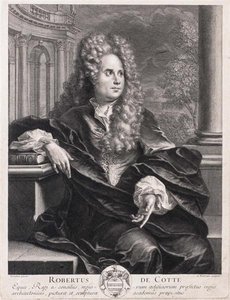
antoine trouvain
1652 - 1708