

 プレビュー
プレビュー
 シェアする
シェアする シェアする
シェアする
 詳細を見る
詳細を見る

 ダウンロード
 似ている作品
 X線調査
X線調査 スライドショー
 統計情報
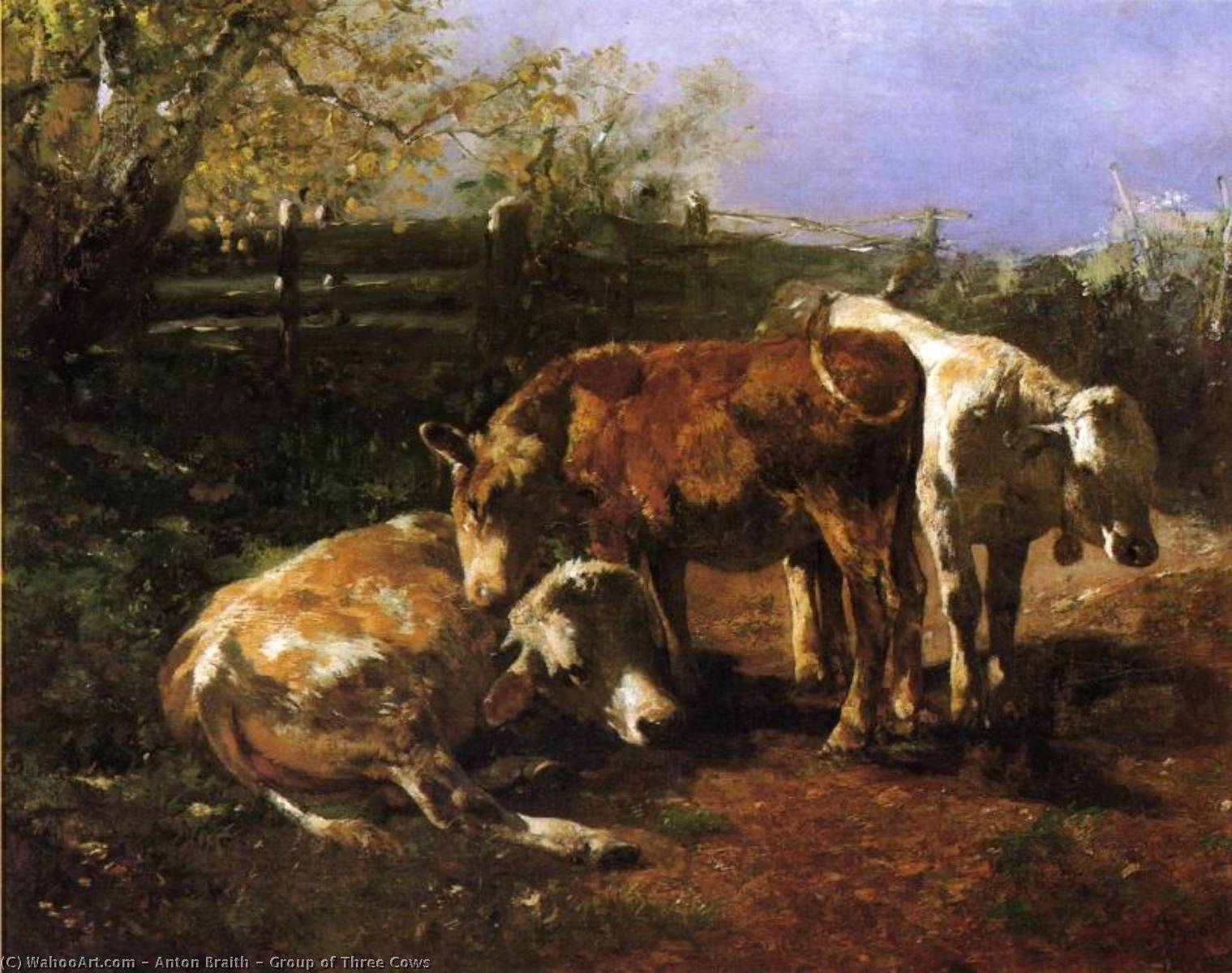
統計情報Group of Three Cows
 43.0 x 56.0 cm
 詳細を見る
詳細を見る
オンラインプレビューをはるかに凌ぐ、高解像度で鮮明なデジタル画像をご購入いただけます。
各ファイルは、社内の専門家が高度なツールと熟練した手作業によるレタッチを用いて、細心の注意を払って準備されています。すべての画像において、卓越した鮮明度、正確な色彩再現性、そして繊細なディテールを保証いたします。
最終ファイルは、プロフェッショナルな編集・印刷環境ですぐにご利用いただけるよう最適化された状態で、72時間以内にメールにてお届けいたします。これは、一流のデザインスタジオ、出版社、ギャラリーから信頼されているものと同等の品質です。
デジタルアート
個人での鑑賞、印刷、クリエイティブなプロジェクト用に、高解像度ファイルをダウンロードできます。 ( プリント版に切り替え 手描きの絵画を購入)
デジタル画像のご注文に付随する特典
高品質なデジタル画像配信を、確かな品質で。
ArtsDot.com を選ぶことは、単に画像を手に入れることではありません。それは、プロの手によって精密に仕上げられ、満足保証が付いた高品質なデジタルアートワークを受け取ることを意味します。ご注文いただいた際に自動的に付随する内容は、以下の通りです:

メールですぐにお届け
ご注文から72時間以内に、高解像度のデジタル画像ファイルがメールでお手元に届きます。すぐにそのままご利用いただけます。

AI技術で最適化されたデジタルファイル
お客様の作品は、高度なAIツールと専門家による手作業の編集を組み合わせてプロフェッショナルに最適化されており、細部のディテール、鮮明さ、そして正確な色再現性を最大限に引き出しています。

一生涯無料の再送サービス
ファイルを誤って削除したり、紛失してしまったりしましたか?ご安心ください。いつでも無料で再送いたします。

輸入手数料は一切かかりません
関税や手数料、配送料を気にすることなく、お気に入りのアートワークをすぐにお楽しみいただけます。デジタルダウンロードは常に免税です。

色彩再現の保証
プロ仕様のツールとカラーマネジメント技術を用いることで、デジタル画像が元の色を最大限に忠実に再現することを保証いたします。

100日間満足保証
ご購入いただいたデジタル画像にご満足いただけない場合は、100日以内であれば、理由を問わず修正または100%の返金対応をさせていただきます。

100% 返金保証
ご満足いただけない場合は、デジタルファイルを受け取ってから100日以内であれば、理由を問わず全額返金いたします。

まとめ買い割引
3枚購入で10%OFF - 5枚購入で15%OFF - 10枚以上購入で20%OFF。クリエイティブなプロジェクト、ギャラリー、エージェンシーに最適です。
関連作品








作家の略歴
The Pastoral Soul of Anton Braith
Anton Braith (1836 – 1905) stands as a singular figure in German landscape painting, particularly celebrated for his monumental depictions of livestock—a genre he pioneered and elevated to unprecedented artistic stature. Born into humble circumstances in Biberach an der Riß, the son of a day laborer who transitioned to farm management, Braith’s early life instilled within him an intimate connection with the rural world. As a child, he helped herd cattle, an experience that would profoundly inform his artistic vision and serve as the emotional bedrock for his oeuvre. His work is characterized by a palpable yearning for simpler times and a deep reverence for the pastoral landscape, capturing a sense of nostalgia that resonated deeply within a Germany undergoing rapid industrialization.
His formal training commenced at the Royal Art School in Stuttgart under the guidance of Bernhard von Neost and Heinrich von Rustige. It was here that he honed the foundational skills that would allow him to blend realism with expressive brushwork. During this formative period, the influence of Friedrich Reinhold Wraake, a prominent German Romantic painter, can be discerned in Braith's early works, reflecting the pervasive aesthetic currents of his era. In 1851, his talent was recognized through a scholarship, propelling him toward a professional path alongside contemporaries such as Albert Kappis and Christian Mali. These artists would become lifelong companions, forming a tight-knit circle that moved to Munich in 1860, where they became central figures in the vibrant local art colonies.
A Master of Animal Majesty
Braith’s contribution to the Munich School was nothing short of revolutionary. Following the death of Friedrich Voltz, Braith was widely considered the greatest painter of animals in Germany. While many of his peers focused on traditional landscapes, Braith sought to portray livestock—cows, calves, and poultry—in large-format, studio-style compositions. This approach transformed animal portraiture from mere decorative subject matter into a profound exploration of presence and dignity. His ability to capture the weight, texture, and quiet majesty of cattle allowed him to create works that felt both monumental and deeply intimate.
The evolution of his style can be viewed through several distinct phases:
- Early Period (1851–1860): Characterized by idyllic landscape scenes and the foundational influence of Romanticism.
- Mature Development: A period marked by his move to Munich, where he embraced a more robust realism and began experimenting with larger scales.
- Late Mastery: A phase where his works achieved their most iconic status, blending technical precision with an evocative, nostalgic atmosphere.
His travels also played a significant role in enriching his palette and perspective. In 1867, alongside Kappis and Mali, he traveled to Paris, exposing him to the shifting tides of European art. Later, trips to Italy in the 1880s provided new light and classical influences that breathed fresh life into his compositions. Despite the rise of the Munich Secession in 1892, Braith remained a steadfast loyalist to the Academy, where he eventually served as a professor, passing his mastery down to the next generation of German painters.
Legacy and the Braith-Mali Museum
The historical significance of Anton Braith lies not only in his canvases but in his enduring commitment to his roots. Having never married, Braith left his estate to his home city of Biberach. This generous bequest allowed for the creation of a museum that preserves the memory of both himself and his friend Christian Mali. Today, the Braith-Mali Museum stands as a testament to their shared legacy, housing their beautifully preserved artist studios—the only completely intact 19th-century studios of their kind still in existence.
Beyond the museum, Braith's impact is felt in the way he bridged the gap between the humble reality of rural life and the high art of the Academy. His paintings serve as a window into a vanishing world, offering a sanctuary of peace and stability through his monumental depictions of livestock. Through his brush, the simple act of grazing in a meadow becomes an epic narrative of nature's enduring grace, ensuring his place in the pantheon of great German masters.
anton braith
1836 - 1905
プロフィール概要
- Artistic Movement Or Style: Munich School
- Artists Or Movements Influenced By This Artist: ['Christian Mali']
- Artists Who Influenced This Artist:
- Bernhard von Neher
- Heinrich von Rustige
- Date Of Death: 1905
- Full Name: Anton Braith
- Nationality: German
- Notable Artworks: ['Livestock Paintings']
- Place Of Birth: Munich, Germany