

 プレビュー
プレビュー
 シェアする
シェアする シェアする
シェアする
 詳細を見る
詳細を見る

 ダウンロード
 似ている作品
 X線調査
X線調査 スライドショー
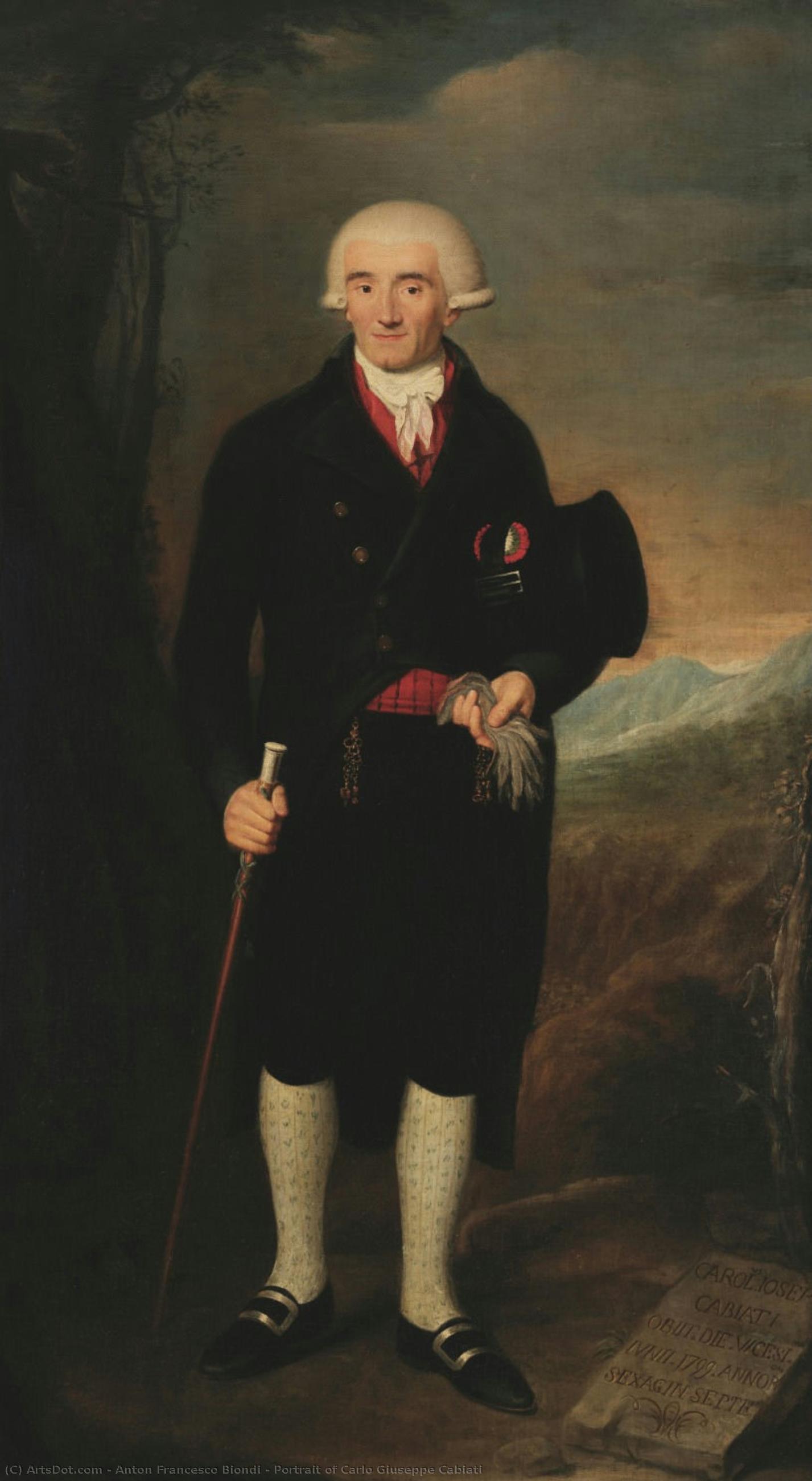
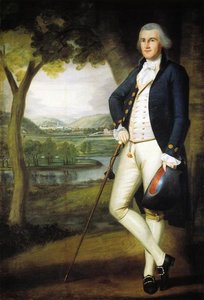
Portrait of Carlo Giuseppe Cabiati
 1799
1799 217.0 x 115.0 cm
 Ca’ Granda – Ospedale Maggiore Policlinico
 詳細を見る
詳細を見る
ジークレー/アートプリント
迅速な制作と多彩な仕上げオプションを備えた、ミュージアムクオリティのジークレーまたはキャンバスプリント。 ( 手描きの絵画を購入 画像を購入)




































作品のオリジナル比率に合わせた、当店の規定サイズからお選びください。

特定のフレームやスペースに合わせて、ご自身でサイズを指定することも可能です。選択されたサイズが元の画像の比率と一致しない場合、作品をトリミングするか、鏡面反射または単色での塗りつぶしによって画像を拡張いたします。制作を開始する前に、ご確認用のデジタルモックアップをお送りいたします。
画面上のプレビューには、実際のトリミングや拡張は反映されませんのでご注意ください。最終的な構図を正確に確認できるのは、モックアップのみとなります。
カスタムサイズも承っておりますが、元の比率を維持するためには、あらかじめ用意されたリストからサイズを選択することをお勧めいたします。


 ガラスオプションは、110cm未満のサイズでのみご利用いただけます。

Portrait of Carlo Giuseppe Cabiati
ジークレー/アートプリント
複製画のサイズ
-


合計金額
$ 62
関連作品






アーティストの略歴
Anton Francesco Biondi: A Milanese Master of Neoclassicism
Born in the vibrant city of Milan in 1735 and passing away there in 1805, Anton Francesco Biondi – often referred to as Francesco Biondo – stands as a significant figure within the Italian Neoclassical art movement. His life’s work, largely centered around the Ospedale Maggiore (Great Hospital) of Milan, reveals a dedication to both sacred subjects and meticulously rendered portraits, showcasing a remarkable blend of technical skill and emotional depth. Biondi's artistic journey began under the tutelage of Andrea Porta, a renowned artist whose influence profoundly shaped Biondi’s style – a style characterized by its adherence to classical ideals, precise detail, and an understated elegance.
Porta’s training instilled in Biondi a deep appreciation for the principles of balance, proportion, and idealized beauty, hallmarks of Neoclassicism. This foundation is immediately apparent in his portraits, where subjects are depicted with dignified composure and a sense of timelessness. However, Biondi wasn't merely a copyist; he infused these classical forms with a subtle humanity, capturing not just the outward appearance but also hinting at the inner lives of those he portrayed. His ability to convey character through gesture, expression, and carefully chosen attire is a testament to his observational skills and artistic sensitivity.
The Ospedale Maggiore: A Patronage and a Legacy
Biondi’s most enduring legacy stems from his extensive work for the Ospedale Maggiore, a charitable institution dedicated to caring for orphaned children. For decades, he served as a court painter, creating numerous portraits of prominent figures associated with the hospital – administrators, benefactors, and residents alike. These commissions provided him with invaluable experience and allowed him to hone his skills in capturing the nuances of human personality within a formal setting. The portraits from this period are particularly noteworthy for their intimate quality; they feel less like official representations and more like carefully considered studies of individual character.
Among his most celebrated works from this time are the portraits of Giovanni Agostino Perocchio, a respected figure in Milanese society, and Carlo Giuseppe Cabiati. These paintings exemplify Biondi’s mastery of light and shadow, his ability to render textures with remarkable accuracy, and his talent for conveying a sense of quiet dignity. These works, now housed at the Biblioteca Nazionale in Turin, offer invaluable insights into the artistic conventions and social dynamics of 18th-century Milan.
Style and Technique: A Delicate Balance
Biondi’s artistic style can be described as a refined synthesis of classical influence and Italian sensibility. He embraced the Neoclassical emphasis on order, clarity, and restraint, but he tempered this with a warmth and expressiveness that is distinctly Italian. His brushwork is generally smooth and controlled, prioritizing precision and detail. He employed a muted color palette – predominantly earth tones, grays, and subtle blues – to create a sense of depth and atmosphere.
A key element of his technique was his careful study of anatomy and perspective. He meticulously observed the human form, rendering it with anatomical accuracy while simultaneously imbuing it with a sense of vitality. His use of light is particularly noteworthy; he skillfully employed chiaroscuro – the dramatic contrast between light and shadow – to create volume, highlight key features, and draw the viewer’s eye to specific areas of the composition.
Historical Context and Lasting Influence
Biondi's work emerged during a period of significant artistic and intellectual ferment in Europe. The Neoclassical movement, inspired by the art and architecture of ancient Greece and Rome, was gaining momentum across the continent. Artists like Biondi sought to revive these classical ideals as a reaction against the excesses of the Baroque era. His commitment to order, reason, and moral virtue aligned perfectly with the philosophical currents of the Enlightenment.
While Biondi may not be as widely celebrated as some of his contemporaries – such as Canova or Hayez – his contributions to Italian art are undeniable. His portraits, particularly those from his time at the Ospedale Maggiore, offer a valuable window into the social and cultural life of 18th-century Milan. His work continues to be studied by art historians and appreciated for its technical skill, emotional depth, and enduring beauty. The Wikipedia article on Francesco Biondo further solidifies his place in artistic history, providing a comprehensive overview of his life and career.
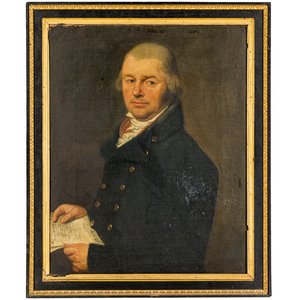
anton francesco biondi
1735 - 1805 , Italy
基本情報
- Artistic Movement Or Style: Neoclassical
- Date Of Death: 1805
- Francesco Biondo: Date of birth": "1735
- Full Name: Anton Francesco Biondi”
- Nationality: Italian
- Notable Artworks:
- Portrait of Giovanni Agostino Perocchio”,
- Portrait of Giuseppe Macchi”,
- Portrait of Giulio Fedeli” ], "Artists who influenced this artist": ["Andrea Porta"], "Artists or movements influenced by this artist": [
- Place Of Birth: Milan, Italy

