 プレビュー
プレビュー
 プリントを購入
 シェアする
シェアする シェアする
シェアする
 詳細を見る
詳細を見る

 ダウンロード
 似ている作品
 X線調査
X線調査 スライドショー
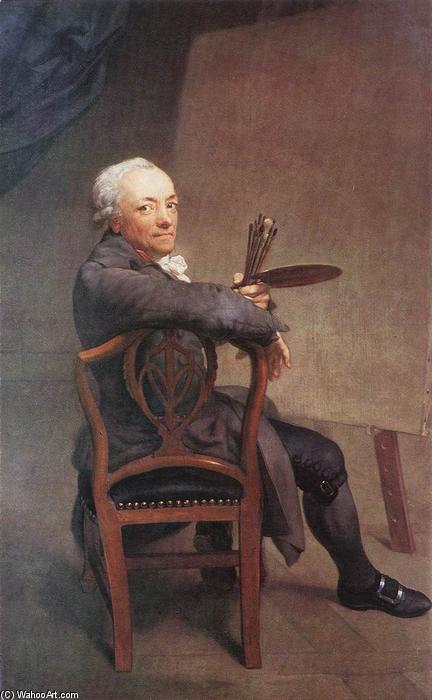
Self-Portrait at the Age of 58
 Oil On Canvas
- WallArt
- Classical Portraiture
 1794
1794 168.0 x 105.0 cm
 Gemäldegalerie Alte Meister
 詳細を見る
詳細を見る




P118B $10

P118H $10

P118W $10

P438Z $10

P508JH $12

P508YH $12

P805H $10

P805Z $10

P919BZ $10

P919G $10

P919XJ $10

P959ZH $10

P968JZ $12

W106C $8

W218G $10

W218JH $8

W218Y $10

W307PJ $10

W316G $10

W316PJ $8

W316Y $10

W398PJ $8

W4111J $10

W500HY $15

W500JH $15

W692G $12

W849H $8

W940BG $15

W953PJ $8




作品のオリジナル比率に合わせた、当店の規定サイズからお選びください。

特定のフレームやスペースに合わせて、ご希望のサイズをご入力いただけます。選択されたサイズが元の画像の比率と異なる場合、アートワークをトリミングするか、手描きで要素を追加して絵画を拡張いたします。デジタルモックアップ を制作し、制作開始前にご確認(承認)をいただきます。
画面上のプレビューは、実際のトリミングや拡張を正確に反映しているものではありません。最終的な構図は、モックアップによってのみ正確にご確認いただけます。
カスタムサイズもご利用いただけますが、元の比率を維持するためには、あらかじめ用意されたリストからサイズを選択することをお勧めいたします。
ご注文後、ArtsDot.com チームより詳細な指示をお送りするとともに、仕上がりイメージ(モックアップ)をご提供いたします。


 ガラスオプションは、110cm未満のサイズでのみご利用いただけます。

Self-Portrait at the Age of 58
複製技法
複製画のサイズ
-


合計金額
$ 263
作品解説
A Portrait of Reflection: Anton Graff’s “Self-Portrait at the Age of 58”
Anton Graff's "Self-Portrait at the Age of 58," painted in 1794, is more than a simple likeness; it’s a profound meditation on aging, artistic identity, and the quiet contemplation inherent in a life dedicated to observation. This remarkable work, housed within the Gemäldegalerie in Dresden, offers a rare glimpse into the mind of a master portraitist grappling with his own mortality while simultaneously projecting an aura of dignified serenity.
The painting immediately draws the eye with its masterful use of light and shadow – a technique deeply rooted in Graff’s admiration for J.L. David. The strong directional lighting, originating from an unseen source, sculpts the subject's face, highlighting the subtle lines etched by time and experience. These aren’t harsh contrasts, however; rather, they create a rich tapestry of tones that lend depth and volume to the figure, imbuing him with a palpable sense of presence. The muted palette – dominated by browns, creams, and hints of red – contributes to the painting's overall mood of quiet introspection, avoiding the flamboyant colors favored in earlier portraiture styles.
The Artist’s Studio: Setting and Symbolism
Graff meticulously constructs a believable interior setting that speaks volumes about his profession and personal life. The wooden chair, worn with age and bearing the marks of countless hours spent working, anchors the composition and subtly suggests the artist's own dedication to his craft. A draped curtain provides a sense of enclosure, hinting at the private world of the studio – a space where ideas are born and meticulously rendered onto canvas. Crucially, a partially visible painting on the wall behind him offers another layer of symbolism; it’s a visual reminder of Graff's own artistic practice and his role as both subject and observer.
The inclusion of the palette and brushes in his hands is a deliberate gesture, reinforcing his identity as a painter. These tools aren’t merely props; they represent the very essence of his being – the instruments through which he translates his inner world onto the canvas. The thoughtful expression on his face—a slight furrow of the brow, a hint of melancholy in his eyes—suggests not just age but also a deep well of experience and perhaps even a touch of wistful reflection.
A Master of Neoclassicism: Technique and Context
“Self-Portrait at the Age of 58” exemplifies Graff’s mastery of Neoclassical portraiture, a style that emerged in the late 18th century as a reaction against the excesses of the Rococo period. Unlike the ornate, frivolous portraits of his predecessors, Graff favored a more restrained and realistic approach, emphasizing clarity of form, precise detail, and a sense of dignified composure. His brushwork is remarkably controlled, creating smooth transitions between tones and subtly suggesting texture – particularly in the fabric of his coat and the wood grain of the chair.
Born in Winterthur, Switzerland, in 1736, Graff’s career was inextricably linked to the intellectual currents of the Enlightenment. He benefited from mentorships with prominent artists like Johann Jakob Haid and Leonhard Schneider, absorbing diverse influences while developing his own distinctive style. His portraits were highly sought after by European nobility – including Frederick the Great and Catherine the Great – reflecting his status as one of the era’s leading portraitists. The painting's creation coincided with a period of significant artistic and political change in Europe, mirroring Graff’s own evolving perspective on art and society.
A Window into the Soul: Emotional Impact
Beyond its technical brilliance, “Self-Portrait at the Age of 58” possesses a remarkable emotional resonance. It's not merely a representation of an elderly man; it’s a poignant exploration of time, memory, and the enduring power of artistic expression. The painting invites viewers to contemplate their own lives, reflecting on the passage of time and the importance of preserving one’s identity. The quiet dignity of Graff’s gaze suggests a profound acceptance of his age, coupled with an unwavering commitment to his craft – a testament to the transformative potential of art.
関連作品
アーティストの略歴
似姿に刻まれた生涯:アントン・グラフの世界
1736年、スイスのヴィンタートゥールに生まれたアントン・グラフは、啓蒙主義の知的な熱狂と新古典主義の美学が芽生え始めた時代において、最も名高い肖像画家の一人としてその名を馳せました。彼の物語は、単なる芸術的技術の記録ではありません。それは18世紀から19世紀初動にかけてのヨーロッパにおける社会・文化的景観を巡る魅力的な旅であり、当時の最も輝かしい知性と密接に結びついた軌跡でもあります。グラフの出発点は謙虚なものでした。ヴィンタートゥールにてヨハン・ウルリヒ・シェレンベルクの下で初期の修行を積んだ後、アウクスブルクへと渡りますが、彼の才能はすぐに現地のギルドが受け入れられる範囲を超えてしまいました。才能に劣る同業者たちの嫉妬から、彼は場所を追われることとなりますが、アンスバッハにてヨハン・ヤコブ・ハイド、そして後にレオンハルト・シュナイダーという師に出会い、多様な芸術的影響を吸収しながら技を磨きました。これらの初期の経験は、彼に技術的な熟練のみならず、その後のキャリアを象徴することとなる強靭な精神を授けたのです。また、ミュンヘンへの頻繁な旅を通じて名作を研究したことが、緻密なディテール、心理的な洞察、そして立ち現れつつあった新古典主義的な感性を融合させた、彼独自のスタイルの礎となりました。ドレスデンの宮廷画家から、時代の記録者へ
グラフのキャリアにおける決定的な瞬間は、1766年にドレスデンのザクセン選帝侯の宮廷画家へと任命されたことでした。この地位は彼に経済的な安定をもたらしただけでなく、活気ある知的なサークルへの扉を開き、著名なモデルたちが次々と彼の前に現れる機会を与えました。彼は瞬く間にドイツ啓蒙主義を代表する人物たちの「指名されるべき肖像画家」となり、フリードリヒ・シラー、クリスト・ヴィリバルト・グルック、ゴットホルト・エフライム・レッシング、モーゼス・メンデルスゾーン、ヨハン・ゴットフリート・ヘルダーといった偉人たちをキャンバスに永遠に刻み込みました。それらは単なる似姿ではありませんでした。グラフは、被写体の内面――その知性、情熱、そして脆さまでもをも捉える驚異的な能力を備えていたのです。彼は単に顔を描いていたのではなく、一つの知的な革命を記録していたのでした。彼の肖像画は、その時代の哲学や芸術の流れを視覚的に体現するものとなりました。ドレスデン芸術アカデミーの院長クリスティアン・ルートヴィヒ・フォン・ハーゲドルンからの招待に対し、当初グラフが抱いた自己疑念は、類まれな才能を持ちながらも彼がいかに謙虚であったかを物語っています。最終的に彼の地位を確固たるものにしたのは、宮廷の人々の心に深く響く自信と技術を示した、彼自身の自画像でした。光と影、そして社会的機微の巨匠
グラフの芸術的技法は、光と影の見事な支配によって特徴づけられます。これは、彼が熱心に研究したヤン・クペツキーの作品から多大な影響を受けたものでした。彼はこの技術を駆慢に用い、被写体の顔へと視線を誘導し、そこに深みと心理的な複雑さを吹き込みました。しかし、グラフは当時の社会的な慣習に無頓着だったわけではありません。男性の被写体には顔に焦点を当てる一方で、女性のモデルに対しては、当時の美的な期待に応えるかのように、デコルテをさりげなく強調することがしばしばありました。その細部へのこだわりは人体のみに留まらず、フランスの宮廷画家イアサン・リゴのような精密さで、布地やドレープの質感までも描き出しました。初期にはモノクロームの背景を好んでいましたが、後にイギリス肖像画の潮流を反映して屋外の設定を取り入れるようになります。彼の肖像画の価格は、制作に要した時間だけでなく、被写体の装いの複雑さをも反映しており、それは当時の社会的身分や物質的な富がいかに重視されていたかの証でもあります。また、彼は人間性の鋭い観察者でもありました。シラーがモデルとして座っている間、じっとしていられなかったという有名な逸話は、彼の忍耐強さと洞察力の深さを物語る、微笑ましいエピソードとして残っています。遺産と歴史的意義
アントン・グラフの影響は、肖像画の領域を遥かに超えて広がっていました。ドレスデン芸術アカデミーの教師として、彼はエマ・ケーナー、フィリップ・オート・ルンゲ、カール・ルートヴィヒ・カーツといった次世代の芸術家たちの才能を育みました。彼の作品は、ロココの優雅さと装飾性、そして新古典主義の明晰さと抑制を併せ持ち、両様式を繋ぐ極めて重要な架け橋となっています。生涯で1,000点近い肖像画を描いた彼は、ドイツ啓蒙主義とその指導者たちの、かけがえのない視覚的記録を作り上げました。おそらく彼の最も称賛される作品は、フリードリヒ大王の肖像画でしょう。これは、国王が直接ポーズをとることなく完成した傑作です。グラフは軍事パレード中に君主を巧みに観察し、その威風堂々とした存在感と鋼のような眼差しを驚くべき正確さで捉えました。シャルロッテンブルク宮殿に収蔵されているこの絵画は、今なおプロイセンの権力と指導力を象徴するアイコンであり続けています。アントン・グラフの遺産は、その見事な肖像画を通じてだけでなく、時代精神を捉える芸術の力の証として、今もなお生き続けているのです。 彼は単なる画家ではありませんでした。彼は記録者であり、社会評論家であり、人間の表現における巨匠であったのです。その作品は、現代に生きる観る者の心にも響き続けています。永遠に刻まれる印象
ベルリンの学院を含む他のアカデミーから魅力的なオファーを受けながらも、グラフはドレスデンへの献身を貫き、18世紀後半から19世紀初頭にかけてドイツにおける最高の肖像画家としての地位を不動のものにしました。彼の顧客層はドイツ貴族にとどまらず、ロシア、ポーランド、バルト諸国の貴族にも及び、その国際的な名声はさらに高まりました。詩人、音楽家、外交官、学者といった、キャンバスの上に自らの本質を捉える彼の能力を愛した人々にとって、彼は特別な存在でした。グラフの肖像画は、ヨーロッパ史の転換期を覗き見るためのユニークな窓であり、啓蒙主義を形作り、ロマン主義時代の礎を築いた人々の生活、思想、そして志を知るための貴重な手がかりを与えてくれます。彼の作品は、単なる再現を超え、人間の経験の深い表現へと昇華させる肖像画の力を示す、永遠の賛辞として存在しているのです。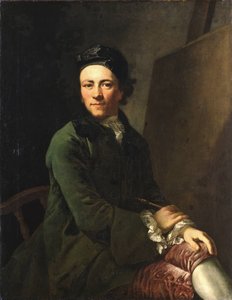
アントン・グラフ
1736 - 1813 , スイス
基本情報
- Artistic Movement Or Style: 新古典主義絵画
- Artists Or Movements Influenced By This Artist:
- エマ・ケルナー
- フィリップ・オットー・ルンゲ
- カール・ルートヴィヒ・カーツ
- Artists Who Influenced This Artist:
- ヤーン・クペツキー
- イアサン・リゴー
- Date Of Birth: 1736年
- Date Of Death: 1813年
- Full Name: アントン・グラフ
- Nationality: スイス
- Notable Artworks:
- フリードリヒ大王
- シラーの肖像
- Place Of Birth: スイス、ヴィンタートゥール
関連記事
Reflecting the Self: A History of Portraiture & Psychological Insight
Explore the fascinating history of self-portraiture from Renaissance masters like Dürer & Rembrandt to modern interpretations. Discover the psychological insights and artistic techniques behind these iconic works. Expert analysis for art enthusiasts.
Neo-Classicism's Greatest Hits: 10 Masterpieces for Your Home |
Journey through Neo-Classicism's finest! Explore 10 iconic masterpieces by David, Ingres & Canova. Discover art history, techniques & timeless beauty – perfect for inspiring your home decor. Find museum-quality reproductions at
The Enduring Gaze: Classical Portraiture & Societal Values
Explore the rich history of classical portraiture & its reflection of societal values. Discover artistic techniques, symbolism, and enduring influence on art collecting with ArtsDot.

The Inner Landscape: Exploring Themes of Introspection in Visual Art Across Movements & Eras
Explore the captivating world of introspective art! Discover how artists across eras – from Rembrandt to Kahlo – used self-portraiture to reveal their inner worlds and emotional depths. A journey through art history & psychology.
Reframing the Self: Classic Art Reproductions as Expressions of Modern Identity and Personal Narrative
Explore how classic art reproductions can express your unique identity & transform your space. Expert insights on portraiture, symbolism & reclaiming narratives. Discover museum-quality art at ArtsDot.