

 プレビュー
プレビュー
 シェアする
シェアする シェアする
シェアする
 詳細を見る
詳細を見る

 ダウンロード
 似ている作品
 X線調査
X線調査 スライドショー
 Stats
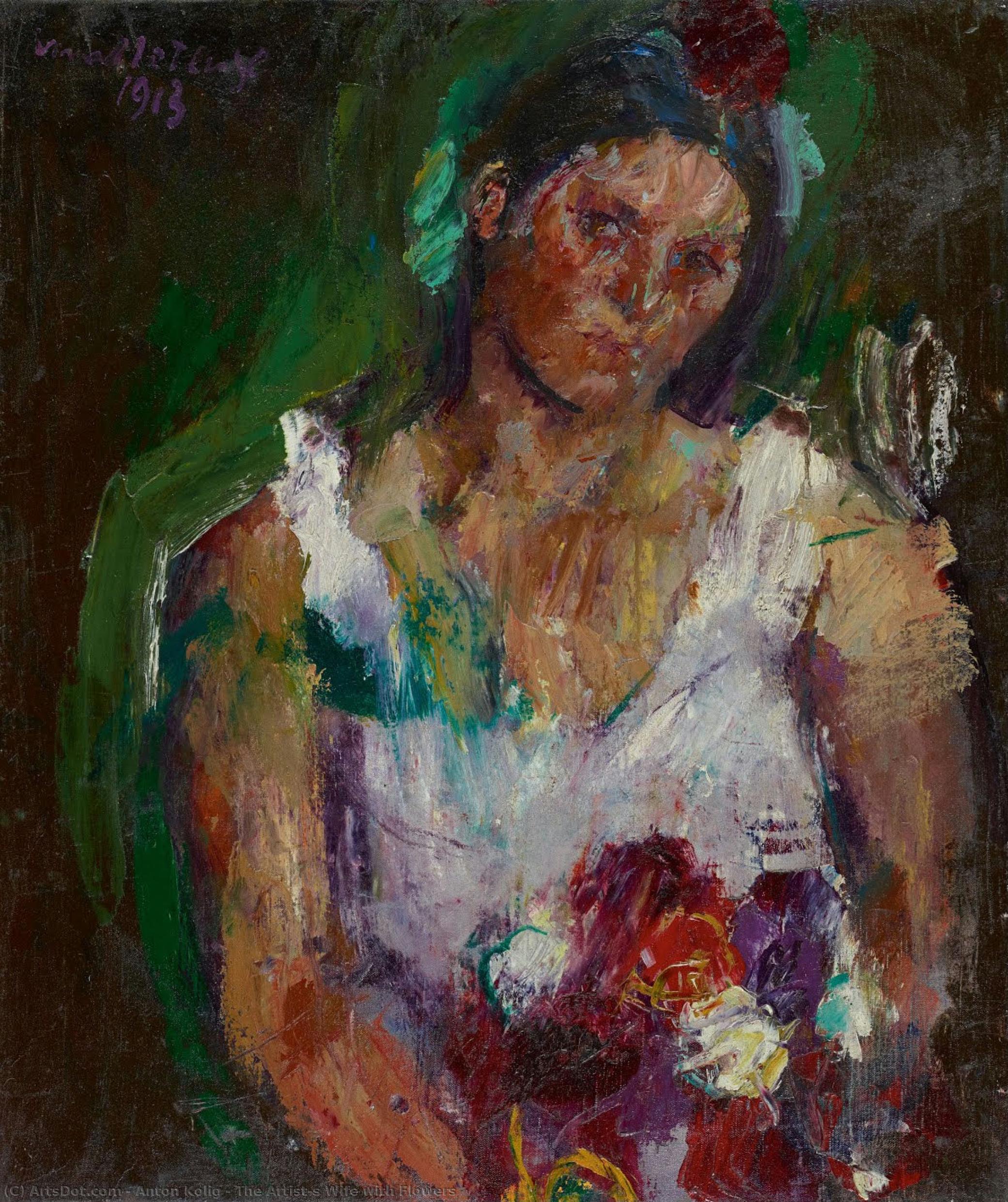
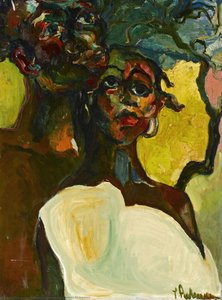
StatsThe Artist’s Wife with Flowers

 詳細を見る
詳細を見る
手描き油彩複製画
当社のアーティストが、お客様のご希望のサイズと額縁に合わせて、キャンバスに手描きで制作する油彩画です。 ( Switch to Print Switch to Digital Image)




































作品のオリジナル比率に合わせた、当店の規定サイズからお選びください。

特定のフレームやスペースに合わせて、ご希望のサイズをご入力いただけます。選択されたサイズが元の画像の比率と異なる場合、アートワークをトリミングするか、手描きで要素を追加して絵画を拡張いたします。デジタルモックアップ を制作し、制作開始前にご確認(承認)をいただきます。
画面上のプレビューは、実際のトリミングや拡張を正確に反映しているものではありません。最終的な構図は、モックアップによってのみ正確にご確認いただけます。
カスタムサイズもご利用いただけますが、元の比率を維持するためには、あらかじめ用意されたリストからサイズを選択することをお勧めいたします。
ご注文後、ArtsDot.com チームより詳細な指示をお送りするとともに、仕上がりイメージ(モックアップ)をご提供いたします。


 ガラスオプションは、110cm未満のサイズでのみご利用いただけます。

The Artist’s Wife with Flowers
複製技法
複製画のサイズ
-


合計金額
$ 263
関連作品






アーティストの略歴
Early Life and Artistic Foundations
Anton Kolig, born in 1886 in the Moravian town of Neutitschein (now Nový Jičín in the Czech Republic), emerged from a family steeped in artistic tradition—his father was a church painter. This early exposure undoubtedly shaped his initial inclination towards visual expression. Kolig’s formal training began at the Vienna School of Arts and Crafts in 1904, where he found himself among the burgeoning avant-garde, notably studying alongside the provocative Oscar Kokoschka. However, it was his subsequent enrollment at the Academy of Fine Arts in Vienna from 1907, under the tutelage of Heinrich Lefler and Alois Delug, that solidified his academic grounding. This period proved pivotal; Kolig’s talent quickly garnered recognition, culminating in a scholarship that afforded him the invaluable opportunity to study in Paris in 1911. Immersing himself in the French art scene, he absorbed the influences of modern masters, laying the groundwork for his unique artistic voice.The Nötscher Kreis and the Development of Expressionism
Kolig’s artistic trajectory took a defining turn with his involvement in the Nötscher Kreis, a collective of artists who gravitated towards the small village of Nötsch im Gailtal, Carinthia. Alongside Sebastian Isepp and Franz Wiegele—lifelong friends—he sought to forge a new path in Austrian painting, one that diverged from traditional academic styles. This group became central to the development of Austrian Expressionism, characterized by its intense emotionality, bold use of color, and often unsettling subject matter. In 1912, Kolig married Katharina Wiegele, further cementing his ties to this vital artistic community. The landscapes and people of Nötsch profoundly impacted his work, providing both inspiration and a sense of belonging. His early exhibitions with the Hagenbund in Vienna in 1911 brought him initial public attention, attracting the support of influential figures like Gustav Klimt and Carl Moll who championed his talent.Wartime Experiences and Artistic Transformation
The outbreak of World War I dramatically altered Kolig’s life and art. Initially stranded in Marseille, he eventually made a harrowing journey back to Austria. The war years proved deeply formative, leading him into military service where, through the intervention of poet Richard von Schaukal, he was assigned as a war artist. This commission exposed him to the brutal realities of conflict, profoundly influencing his subject matter and artistic approach. He produced portraits of generals and prisoners, works that were exhibited to critical acclaim in Klagenfurt alongside those of Egon Schiele—a testament to his growing reputation. The unfinished winged altar commissioned for Emperor Karl I., though never completed due to the collapse of the monarchy, speaks to the ambition and scale of his wartime projects. These experiences instilled a sense of urgency and psychological depth into his paintings, moving beyond mere representation towards an exploration of human suffering and resilience.Mature Style and International Recognition
Following World War I, Kolig dedicated himself to teaching, establishing a private art school in Nötsch that nurtured the talents of future artists like Gerhart Frankl, Theodor Herzmansky, and Wolfgang Schaukal. He continued to explore monumental works, creating tapestries and mosaics for public spaces, including the Festival Hall in Salzburg (1926-27). In 1928, he accepted a professorship at the State Academy of Fine Arts Stuttgart, marking a significant step in his career and broadening his international exposure. His oeuvre gained increasing recognition, culminating in awards such as the gold medal in Düsseldorf for his portrait of General Gottfried Seibt (1928) and the Austrian State Award (1936). Kolig’s style matured into a distinctive form of color expressionism—characterized by vibrant palettes, dynamic compositions, and a focus on the human figure. He was particularly known for his depictions of male nudes, often imbued with religious symbolism and psychological intensity.Legacy and Historical Significance
The rise of Nazism cast a dark shadow over Kolig’s life and work. His paintings were condemned as “degenerate,” removed from galleries, and destroyed. The mosaics in Salzburg suffered the same fate. Forced into retirement in 1943, he returned to Nötsch, where his studio was severely damaged during an Allied bombing raid in 1944—resulting in the loss of a significant portion of his artistic output. Despite these hardships, Kolig continued to paint until his death in 1950. Today, Anton Kolig is recognized as one of the most important representatives of Austrian Expressionism. His approximately 3,000 drawings, 62 color works on paper, and 390 oil paintings—though diminished by wartime losses—offer a powerful testament to his artistic vision. He stands as a poignant figure whose work reflects both the beauty and trauma of a turbulent era, leaving an enduring legacy for generations to come.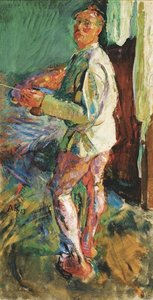
Anton Kolig
1886 - 1950 , Austria
基本情報
- Artistic Movement Or Style: Post-Impressionism
- Artists Or Movements Influenced By This Artist: ['Expressionism']
- Artists Who Influenced This Artist:
- Monet
- Degas
- Date Of Birth: March 30, 1853
- Date Of Death: July 29, 1890
- Full Name: Vincent Willem van Gogh
- Nationality: Dutch
- Notable Artworks:
- Sunflowers
- Bedroom in Arles
- The Starry Night
- Wheatfield with Crows
- Place Of Birth: Ghent, Belgium