

 プレビュー
プレビュー
 シェアする
シェアする シェアする
シェアする
 詳細を見る
詳細を見る

 ダウンロード
 似ている作品
 X線調査
X線調査 スライドショー
 統計情報
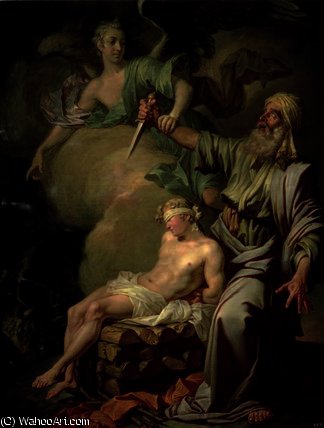
統計情報The Sacrifice of Isaac,

 詳細を見る
詳細を見る
手描き油彩複製画
当社のアーティストが、お客様のご希望のサイズと額縁に合わせて、キャンバスに手描きで制作する油彩画です。 ( プリント版に切り替え デジタル画像販売へ切り替え)




































作品のオリジナル比率に合わせた、当店の規定サイズからお選びください。

特定のフレームやスペースに合わせて、ご希望のサイズをご入力いただけます。選択されたサイズが元の画像の比率と異なる場合、アートワークをトリミングするか、手描きで要素を追加して絵画を拡張いたします。デジタルモックアップ を制作し、制作開始前にご確認(承認)をいただきます。
画面上のプレビューは、実際のトリミングや拡張を正確に反映しているものではありません。最終的な構図は、モックアップによってのみ正確にご確認いただけます。
カスタムサイズもご利用いただけますが、元の比率を維持するためには、あらかじめ用意されたリストからサイズを選択することをお勧めいたします。
ご注文後、ArtsDot.com チームより詳細な指示をお送りするとともに、仕上がりイメージ(モックアップ)をご提供いたします。


 ガラスオプションは、110cm未満のサイズでのみご利用いただけます。

The Sacrifice of Isaac,
複製技法
複製画のサイズ
-


合計金額
$ 263
関連作品








アーティストの略歴
The Architect of Russian History: The Life and Legacy of Anton Losenko
In the grand tapestry of eighteenth-century art, few figures loom as large or as foundational as Anton Pavlovich Losenko. A pioneer who bridged the gap between the decorative elegance of the Baroque and the disciplined moral clarity of Neoclassicism, Losenko did more than merely paint; he helped forge a visual language for a burgeoning empire. Born in 1737 in Hlukhiv, within the vibrant Cossack heritage of what is now Ukraine, his early life was defined by a profound sense of resilience. Orphaned at the tender age of seven, his path led him to the Saint Petersburg Court Choir. While it was here that he first encountered the structured harmonies of music, it was also where a loss of voice redirected his creative spirit toward the silent, powerful medium of the brush.
Losenko’s ascent from an orphaned choirboy to a titan of the Imperial Academy of Arts is a narrative of extraordinary discipline and talent. Under the mentorship of Ivan Argunov, he underwent a rigorous apprenticeship that laid the groundwork for his technical mastery. By 1759, his admission to the Imperial Academy marked the beginning of a meteoric rise. His early portraits, including those of luminaries such as Ivan Shuvalov and Alexander Sumarokov, revealed an artist capable of profound psychological depth, capturing not just the physical likeness of the Russian elite but the very essence of their character and status.
A European Odyssey: Paris, Rome, and the Neoclassical Spirit
The true expansion of Losenko’s artistic soul occurred through his travels across the great art capitals of Europe. In 1760, the Academy dispatched him to Paris, where he immersed himself in the teachings of Jean II Restout. This period was transformative; the French Neoclassical influence infused his work with a new sense of structural order and clarity. It was during this time that he tackled monumental biblical themes, such as the miraculous catch of fish, utilizing dramatic chiaroscuro to breathe life into sacred narratives. These works demonstrated an ability to marry the theatricality of the previous era with the emerging preference for balanced, rational composition.
His journey continued to Rome between 1766 and 1769, a pilgrimage that allowed him to commune directly with the ghosts of antiquity. Studying the divine proportions of Raphael, Losenko refined his ability to depict human emotion through idealized forms. His biblical series featuring Cain and Abel stands as a testament to this period, showcasing a mastery of light and shadow that echoed the humanist ideals of the Enlightenment. These years in Italy were not merely about learning technique; they were about absorbing the classical vocabulary that he would eventually translate into a uniquely Russian context.
The Foundation of a National School
Upon his return to Saint Petersburg, Losenko achieved what few artists of his era could: he elevated historical painting from a secondary genre to the highest tier of academic prestige. His masterpiece, Vladimir I of Kiev and Rogneda of Polotsk, was a watershed moment for Russian art. By selecting an episode from Kievan Rus' history, Losenko provided the Russian people with a visual connection to their ancestral past, grounding the Neoclassical style in local historical significance. This work earned him not only the title of Academician but also a professorship, placing him at the helm of artistic education in the Empire.
Losenko’s influence extended far beyond the canvas. As a director and educator, he shaped the minds of future generations, even authoring a vital textbook on human proportions that served as a standard for decades. His legacy is characterized by several enduring contributions:
- The Birth of Historical Painting: He established the precedent that art should serve as a vessel for national identity and historical memory.
- Technical Rigor: Through his academic leadership, he instilled a disciplined approach to anatomy and composition in the Russian school.
- Synthesis of Styles: He successfully blended the dramatic lighting of the Baroque with the structural clarity of French Neoclassicism.
Though his life was tragically short, ending in 1773, Anton Losenko left behind an indelible mark on the cultural landscape. He transformed the Russian Academy from a recipient of Western influence into a creator of its own profound artistic tradition, ensuring that the history of his people would be told through the lens of beauty, dignity, and truth.
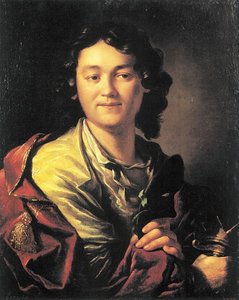
anton pavlovich losenko
1737 - 1773 , Russia
基本情報
- Artistic Movement Or Style: Neoclassical
- Artists Or Movements Influenced By This Artist: ['Imperial Russian Historical Movement']
- Artists Who Influenced This Artist: ['Jean II Restout']
- Date Of Birth: August 30, 1737
- Date Of Death: December 23, 1773
- Full Name: Anton Pavlovich Losenko
- Nationality: Ukrainian
- Notable Artworks:
- Vladimir and Rogneda
- St. Andrew The Apostle
- Place Of Birth: Hluhiv, Ukraine