

 プレビュー
プレビュー
 プリントを購入
 シェアする
シェアする シェアする
シェアする
 詳細を見る
詳細を見る

 ダウンロード
 似ている作品
 X線調査
X線調査 スライドショー
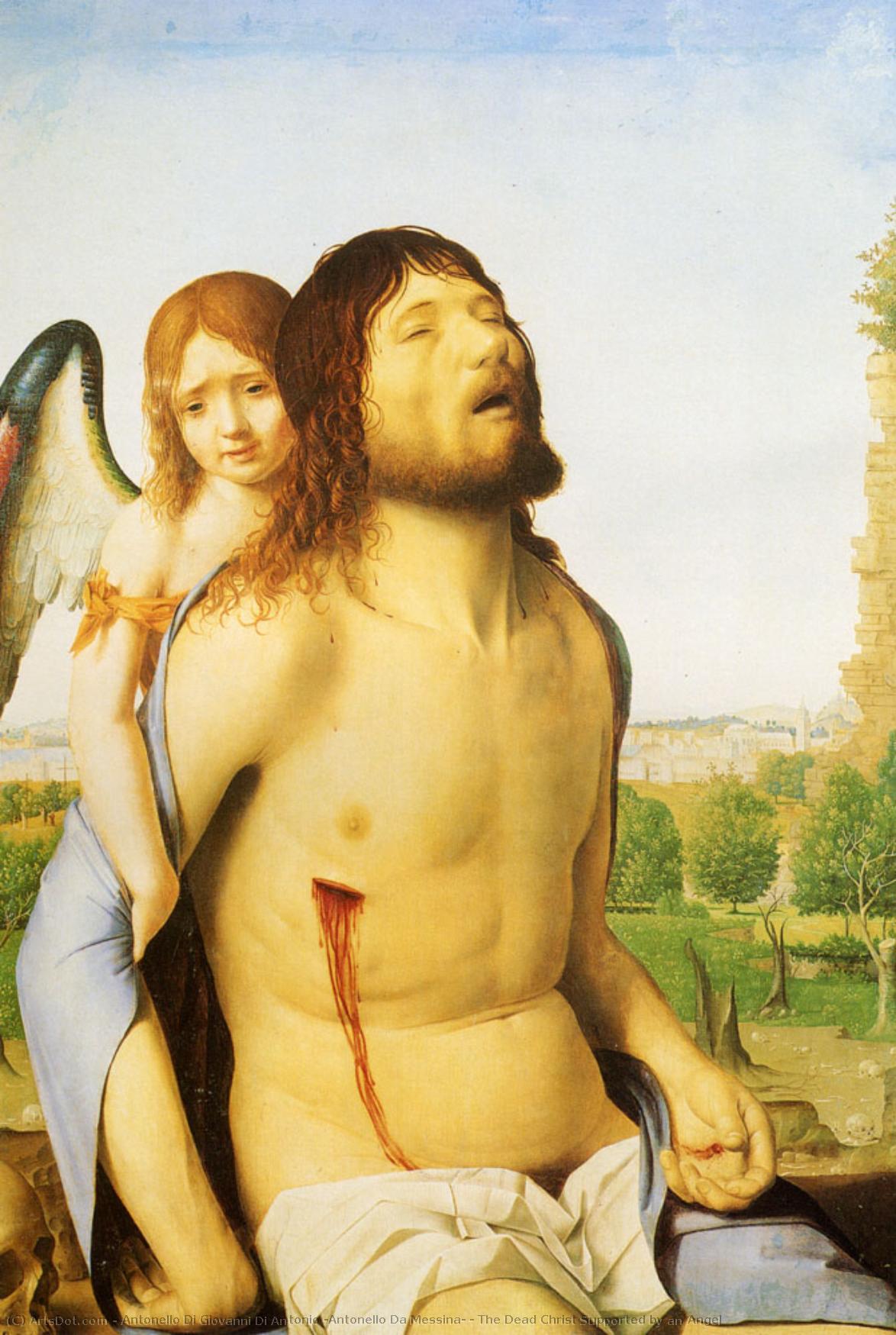
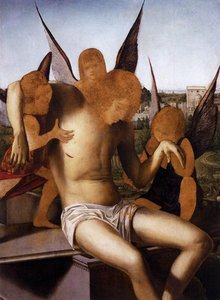
The Dead Christ Supported by an Angel
 Oil On Canvas
- WallArt
- Early Renaissance
 1478
1478 51.0 x 74.0 cm
 プラド美術館
 詳細を見る
詳細を見る




P118B $10

P118H $10

P118W $10

P438Z $10

P508JH $12

P508YH $12

P805H $10

P805Z $10

P919BZ $10

P919G $10

P919XJ $10

P959ZH $10

P968JZ $12

W106C $8

W218G $10

W218JH $8

W218Y $10

W307PJ $10

W316G $10

W316PJ $8

W316Y $10

W398PJ $8

W4111J $10

W500HY $15

W500JH $15

W692G $12

W849H $8

W940BG $15

W953PJ $8




作品のオリジナル比率に合わせた、当店の規定サイズからお選びください。

特定のフレームやスペースに合わせて、ご希望のサイズをご入力いただけます。選択されたサイズが元の画像の比率と異なる場合、アートワークをトリミングするか、手描きで要素を追加して絵画を拡張いたします。デジタルモックアップ を制作し、制作開始前にご確認(承認)をいただきます。
画面上のプレビューは、実際のトリミングや拡張を正確に反映しているものではありません。最終的な構図は、モックアップによってのみ正確にご確認いただけます。
カスタムサイズもご利用いただけますが、元の比率を維持するためには、あらかじめ用意されたリストからサイズを選択することをお勧めいたします。
ご注文後、ArtsDot.com チームより詳細な指示をお送りするとともに、仕上がりイメージ(モックアップ)をご提供いたします。


 ガラスオプションは、110cm未満のサイズでのみご利用いただけます。

The Dead Christ Supported by an Angel
複製技法
複製画のサイズ
-


合計金額
$ 288
作品解説
The Lamentation of Christ: Antonello da Messina’s “Dead Christ Supported by an Angel”
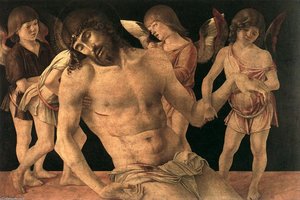
Antonello da Messina's "Dead Christ Supported by an Angel," painted in 1478, is not merely a depiction of death; it’s a profound meditation on grief, sacrifice, and divine consolation. This arresting work, now housed within the Museo del Prado in Madrid, transcends its simple subject matter to become a cornerstone of the Italian Renaissance, bridging the gap between the somber introspection of Early Netherlandish painting and the burgeoning humanism of the era. The scene unfolds with an almost unbearable intensity – Christ’s lifeless body, draped in coarse linen, rests upon a simple wooden cross, while Mary Magdalene, rendered with startling realism, kneels in sorrowful embrace. Yet, it is the presence of the angel, positioned on the right shoulder, that truly elevates the composition, offering a glimmer of hope amidst the overwhelming despair.
The painting’s genesis lies within the complex artistic landscape of 15th-century Italy. While often associated with the influence of Jan van Eyck – a claim debated by scholars – Messina's work demonstrates a uniquely Italian sensibility. He masterfully integrates elements borrowed from his Northern European contemporaries, particularly in the meticulous detail and luminous realism characteristic of Early Netherlandish painting, yet imbues them with a distinctly Sicilian character. The use of oil paint, a relatively new medium at the time, allows for an unprecedented level of subtlety and depth – capturing not just the physical appearance but also the emotional weight of the scene. Messina’s technical prowess is evident in the delicate rendering of textures: the rough fabric of Christ's shroud, the smooth skin of his face, the flowing drapery of Mary Magdalene, all rendered with astonishing precision.
A Symphony of Light and Shadow
The composition itself is a carefully orchestrated drama of light and shadow. Messina employs a sophisticated understanding of perspective, creating a sense of depth that draws the viewer into the scene. The light source, seemingly originating from an unseen window on the right, casts dramatic shadows across Christ’s body, emphasizing his vulnerability and mortality. This interplay of light and dark is not simply aesthetic; it serves to heighten the emotional impact of the image, mirroring the duality of grief and hope. Notice how the angel's wing subtly filters the light, creating a halo-like effect around Christ’s head – a visual representation of divine grace descending upon the scene.
The color palette is restrained yet evocative, dominated by muted earth tones—ochre, umber, and sienna—contrasted with touches of vibrant blue in Mary Magdalene's robe. This deliberate choice contributes to the painting’s somber mood, while also highlighting the key figures within the composition. The background cityscape, a stylized representation of Messina itself, provides a subtle grounding for the scene, anchoring it within its earthly context. It is a detail often overlooked, yet crucial to understanding the work's broader significance – a reminder that this profound meditation on loss and redemption unfolds within the everyday reality of Sicilian life.
Symbolism and Emotional Resonance
Beyond its technical brilliance, “Dead Christ Supported by an Angel” is rich in symbolic meaning. The pose of Christ—prone and vulnerable—directly references depictions of the *Pieta*, a motif deeply rooted in Christian iconography. However, Messina’s interpretation transcends mere imitation; he imbues the image with a profound sense of human emotion. Mary Magdalene's gesture – reaching out to embrace the dead Christ—is not simply an act of grief but also a symbol of compassion and devotion. The angel, traditionally associated with comfort and solace, offers a tangible representation of divine consolation, cradling Christ’s head in his hands.
The inclusion of the angel is particularly significant. It represents more than just a messenger of God; it embodies the promise of resurrection and eternal life. The angel's presence transforms the scene from one of utter despair into one of quiet hope, suggesting that even in death, there is the possibility of redemption. The painting’s enduring power lies in its ability to evoke a deeply felt emotional response – prompting viewers to contemplate themes of loss, faith, and the mysteries of human existence. It remains a testament to Antonello da Messina's artistic genius and his profound understanding of the human condition.
A Reproduction for Your Space
Reproductions of “Dead Christ Supported by an Angel” offer a remarkable opportunity to bring this iconic work into your home or office. The meticulous detail and emotional depth captured by Antonello da Messina are faithfully reproduced in high-quality prints, allowing you to experience the painting’s power firsthand. Consider framing your reproduction within a classic wooden frame to complement its Renaissance aesthetic, or opt for a contemporary setting to create a striking juxtaposition of styles. This artwork is more than just decoration; it's an invitation to contemplate one of art history’s most poignant and enduring images – a timeless reminder of the beauty and fragility of life.
関連作品
アーティストの略歴
アントネッロ・ダ・メッシーナ:ルネサンスの先駆者
アントネッロ・ディ・ジョヴァンニ・ディ・アントニオ、一般的にはアントネッロ・ダ・メッシーナ(約1430年 – 1579年2月)として知られる彼は、初期ルネサンスから盛期ルネサンスへの移行期における重要な人物です。シチリアの活気ある港町メッシーナで生まれ育ったアントネッロは、北方ルネサンス絵画の精密な写実性と、その時代の高まりつつあった人文主義的理想を融合させた独自の芸術的アイデンティティを築き上げました。同時代人のヴェネツィア派画家たちにしばしば影が薄い存在と見なされますが、アントネッロが後世のイタリア人画家たち、特にヴェネツィア派画家たちに与えた影響は否定できず、真の革新者であり、異質な芸術的伝統を結びつける架け橋としての地位を確立しています。
彼の幼少期については不明な点が多いのですが、ナポリでニッコロ・コラントニオのもとで初期の訓練を受けたと考えられています。この出会いは非常に重要であり、アントネッロはアルフォンソ5世の庇護者であったコラントニオが収集していたヤン・ファン・エイクやロヒール・ファン・デル・ウェイデンのような北方ルネサンス絵画の洗練された技法に触れることになりました。細部に至るまでの徹底的な描写、鮮やかな色彩、そして光学への深い理解を特徴とするこれらの初期の影響は、アントネッロ独自のスタイル形成の基盤となりました。同時代の多くの画家たちとは異なり、アントネッロは主にメッシーナにとどまり、シチリアのルーツと国際的な芸術的潮流との関わりが反映された作品群を生み出しました。
独特な様式の発展
アントネッロの芸術的旅程は、徐々に進化を遂げています。1455年の「シビウのキリスト磔刑」のような初期の作品には、油絵技法や質感の精密な描写において北方ルネサンス絵画への強い影響が見られます。人物たちは写真のように写実的であり、驚くべき正確さで細部を捉えています。しかしアントネッロは単なる模倣に留まらず、イタリア独自の感性を作品に吹き込みました。彼は大気遠近法を用いて空間的な奥行きを深め、より説得力のある距離感を創り出しました。さらに、光と影の微妙なグラデーションによって形態をモデル化する洗練された技法を開発し、ルネサンス絵画の中心となるキアロスクーロ効果を予見しました。
アントネッロの発展における重要な転換点は、1456年頃にヴェネツィアでジョヴァンニ・ベッリーニと出会ったことです。彼らの交流の具体的な内容は議論の余地がありますが、ベッリーリがアントネッロの色使いや構図に大きな影響を与えたことは明らかです。特に赤や青といった豊かな色彩の使用、そして叙情的な美への強調は、アントネッロのパレットとスタイルに永続的な影響を与えました。「サルティーングのマドンナ」(約1460年)は、この変化を如実に示しており、初期の作品よりも調和のとれた色使いと優雅さを示しています。
主要な作品と芸術的革新
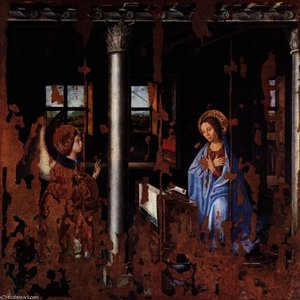
アントネッロの最も有名な絵画、「聖ヒエロニモスの書斎」(約1475年)や「受胎告知」(約1475年)は、彼の芸術的才能を証明するものです。「聖ヒエロニモスの書斎」は、小さくても非常に複雑なパネルであり、イタリア絵画における画期的な業績と見なされています。この作品は、北方ルネサンスの写実性とイタリアの人文主義が融合した革新的な遠近法、光、そして細部の描写を示しています。聖人の解剖学的構造を丹念に描き出し、複雑な建築的背景と組み合わせることで、奥行きと空間の魅惑的な錯覚を生み出しています。
同様に、「受胎告知」は、アントネッロが移ろいゆく感情や優雅さを捉える能力を示しています。聖母マリアの穏やかな表情と天使ガブリエルの注意深い姿勢は、深遠な敬意を伝えています。アントネッロの油絵技法の習熟度は、微妙な色彩の変化と質感を可能にし、これらの神聖な人物の驚くほどリアルな描写を実現しています。
遺産と影響
比較的短いキャリア(49歳で死去)にもかかわらず、アントネッロ・ダ・メッシーナはイタリア美術史に消えない足跡を残しました。彼は油絵をイタリアに導入した人物として広く知られていますが、この主張については研究者によって議論されています。いずれにせよ、アントネッロの先駆的な油絵技法と革新的な技術は、ジョルジョーネやティツィアーノを含むヴェネツィア派画家たちに間違いなく影響を与えました。写実性への強調、大気遠近法の使用、そして人文主義的理想の統合は、イタリア・ルネサンス絵画の軌跡を形作るのに役立ちました。
アントネッロの作品は、その技術的な卓越性、感情的な深み、そして深遠な美しさのために今も高く評価されています。彼は、芸術的伝統と進化するイタリア・ルネサンスの文化的景観との複雑な相互作用を理解するための重要な人物であり続けています。
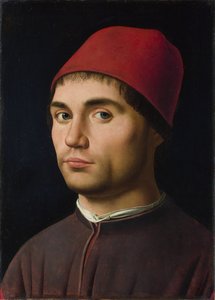
アントネッロ・ダ・メッシーナ
1430 - 1479 , イタリア
関連記事
レオナルド・ダ・ヴィンチ:至高の25選 - 芸術、科学、そして不朽の名作の世界
レオナルド・ダ・ヴィンチの至宝25選。モナリザ、最後の晩餐…ルネサンス美術を代表する名画の世界へ。芸術史、技法、そして感動の物語を紐解き、お部屋に飾る高級複製画で特別な空間を。ArtsDot.comで全コレクションをご覧ください。
Antonello da Messina: Innovation, Devotion & the Sicilian Renaissance Master's Enduring Legacy
Explore the groundbreaking art of Antonello da Messina, a pivotal figure of the Renaissance. Discover his innovative oil painting techniques, captivating portraits, and lasting influence on Italian masters. Learn more at ArtsDot.

Leonardo da Vinci: A Renaissance Master’s Synthesis of Art, Science & Human Observation – Reinterpreted for the Collector
Explore Leonardo da Vinci’s timeless masterpieces with ArtsDot. Discover insights into his art, science, and legacy – trusted expertise for discerning collectors seeking authentic reproductions & investment opportunities.
Renaissance Humanism's Greatest Art: 10 Masterpieces for Your Home
Explore 10 Renaissance Humanism masterpieces by Leonardo da Vinci, Michelangelo & Raphael. Discover the stories behind these iconic paintings & sculptures and bring timeless art into your home with museum-quality reproductions from ArtsDot.com. Explore the full collection online!
大英博物館の至宝25選:歴史と芸術が織りなす感動の旅 | ArtsDot
大英博物館の至宝25選:歴史を彩る絵画、彫刻の世界へ。印象派から古代美術まで、名作の背景と芸術家の情熱に迫ります。ArtsDotで高品質なアート複製やインテリアをお楽しみください。オンラインで全コレクションをご覧ください。

