

 プレビュー
プレビュー
 シェアする
シェアする シェアする
シェアする
 詳細を見る
詳細を見る

 ダウンロード
 似ている作品
 X線調査
X線調査 スライドショー
 統計情報
統計情報History and Fame


 詳細を見る
詳細を見る
手描き油彩複製画
当社のアーティストが、お客様のご希望のサイズと額縁に合わせて、キャンバスに手描きで制作する油彩画です。 ( プリント版に切り替え デジタル画像販売へ切り替え)




































作品のオリジナル比率に合わせた、当店の規定サイズからお選びください。

特定のフレームやスペースに合わせて、ご希望のサイズをご入力いただけます。選択されたサイズが元の画像の比率と異なる場合、アートワークをトリミングするか、手描きで要素を追加して絵画を拡張いたします。デジタルモックアップ を制作し、制作開始前にご確認(承認)をいただきます。
画面上のプレビューは、実際のトリミングや拡張を正確に反映しているものではありません。最終的な構図は、モックアップによってのみ正確にご確認いただけます。
カスタムサイズもご利用いただけますが、元の比率を維持するためには、あらかじめ用意されたリストからサイズを選択することをお勧めいたします。
ご注文後、ArtsDot.com チームより詳細な指示をお送りするとともに、仕上がりイメージ(モックアップ)をご提供いたします。


 ガラスオプションは、110cm未満のサイズでのみご利用いただけます。

History and Fame
複製技法
複製画のサイズ
-


合計金額
$ 263
関連作品

アーティストの略歴
A Sculptor Haunted by Beauty and Tragedy
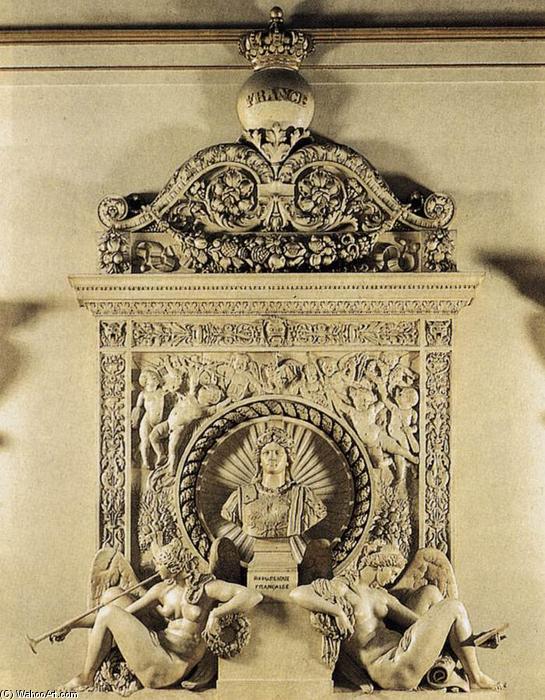
Antonin Marie Moine stands as a poignant figure in the Romantic landscape of French sculpture, a creator whose life and work were defined by a profound sensitivity to form and an underlying sense of melancholy. Born in Saint-Étienne in 1796, his artistic journey did not begin with the chisel, but rather with the brush. In his early years, Moine immersed himself in the tradition of landscape painting, a genre that allowed him to explore the delicate interplay of light and nature—a fascination deeply rooted in the Romantic era's obsession with the natural world. However, this initial pursuit eventually gave way to a more tactile medium. He found within sculpture a way to give permanent, physical weight to the ephemeral beauty he had once only captured in pigment, transitioning from the fleeting shadows of landscapes to the enduring presence of stone and bronze.
The foundation of Moine’s technical mastery was laid in Lyon, where he studied under the esteemed Pierre Révoil. Immersed in the stylistic principles of the École Lyonnaise de Beaux-Arts, Moine developed a meticulous attention to detail and a deep reverence for classical forms. This rigorous training instilled in him an ability to balance the emotional intensity characteristic of Romanticism with the disciplined grace of antiquity. His emergence on the Parisian stage was nothing short of spectacular; his debut at the Salon in 1833 captured the imagination of the art world, particularly through his portrait of Queen Mary. This work, celebrated for its masterful handling of drapery and its expressive realism, established him as a rising star capable of breathing life into cold materials.
Monumental Visions and the Place de la Concorde
Moine’s most enduring legacy is etched into the very fabric of Paris itself. Between 1835 and 1840, he participated in one of the most ambitious urban beautification projects of the nineteenth century: the embellishment of the Place de la Concorde. Working alongside talented contemporaries such as Louis-Parfait Merlieux and Jean-Jacques Elshecht, Moine contributed to the creation of the monumental fountains that still grace the square today. Under the architectural guidance of Jacques-Ignace Hittorff, Moine helped bring to life the Fontaine des Mers and the Fontana dei Quattro Fiumi.
It was within these grand, water-swept structures that Moine’s sculptural prowess truly shone. He is specifically remembered for his creation of the Néréides—the sea nymphs of classical mythology—which adorn the fountains. These figures were meticulously crafted to embody a sense of serene grace and fluid movement, mirroring the rhythmic ebb and flow of the water surrounding them. Through these sculptures, Moine achieved a rare synthesis of mythological grandeur and delicate human emotion, contributing to a public art program that sought to elevate the spirit of the city through classical beauty.
A Legacy Etched in Stone
Despite his professional triumphs and the monumental scale of his contributions to French public art, Moine’s personal narrative was marked by a profound tragedy. The same sensitivity that allowed him to capture the grace of the Néréides perhaps rendered him vulnerable to the weight of his own existence. His life came to a sudden and sorrowful end in Paris on March 18, 1849, when he took his own life. This tragic conclusion cast a somber shadow over his achievements, leaving behind a body of work that many view through a lens of bittersweet beauty.
Today, the historical significance of Antonin Marie Moine remains undiminished. His influence persists not only in the stone figures that continue to watch over the Place de la Concorde but also in the way he bridged the gap between the observational nature of landscape painting and the structural permanence of sculpture. His memory is honored in his birthplace, where a square bears his name, and his artistic spirit lives on through the collections of prestigious institutions, such as the musée national des châteaux de Versailles et de Trianon, which preserves a portrait of him from his early Salon success. Moine remains a quintessential Romantic artist: a man who sought to capture the eternal within the ephemeral.
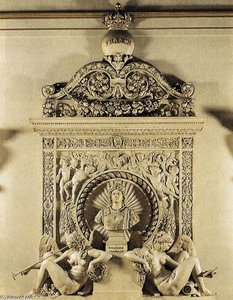
Antonin Marie Moine
1796 - 1849 , France
基本情報
- Artistic Movement Or Style: Romantic Sculpture
- Artists Or Movements Influenced By This Artist: Anne-Louis Girodet
- Artists Who Influenced This Artist: Pierre Révoil
- Date Of Birth: June 30, 1796
- Full Name: Antonin Marie Moine
- Nationality: French
- Notable Artworks:
- Fontaine des Mers
- Néréides
- Place Of Birth: Saint-Étienne, France