 プレビュー
プレビュー
 シェアする
シェアする シェアする
シェアする
 詳細を見る
詳細を見る

 ダウンロード
 似ている作品
 X線調査
X線調査 スライドショー
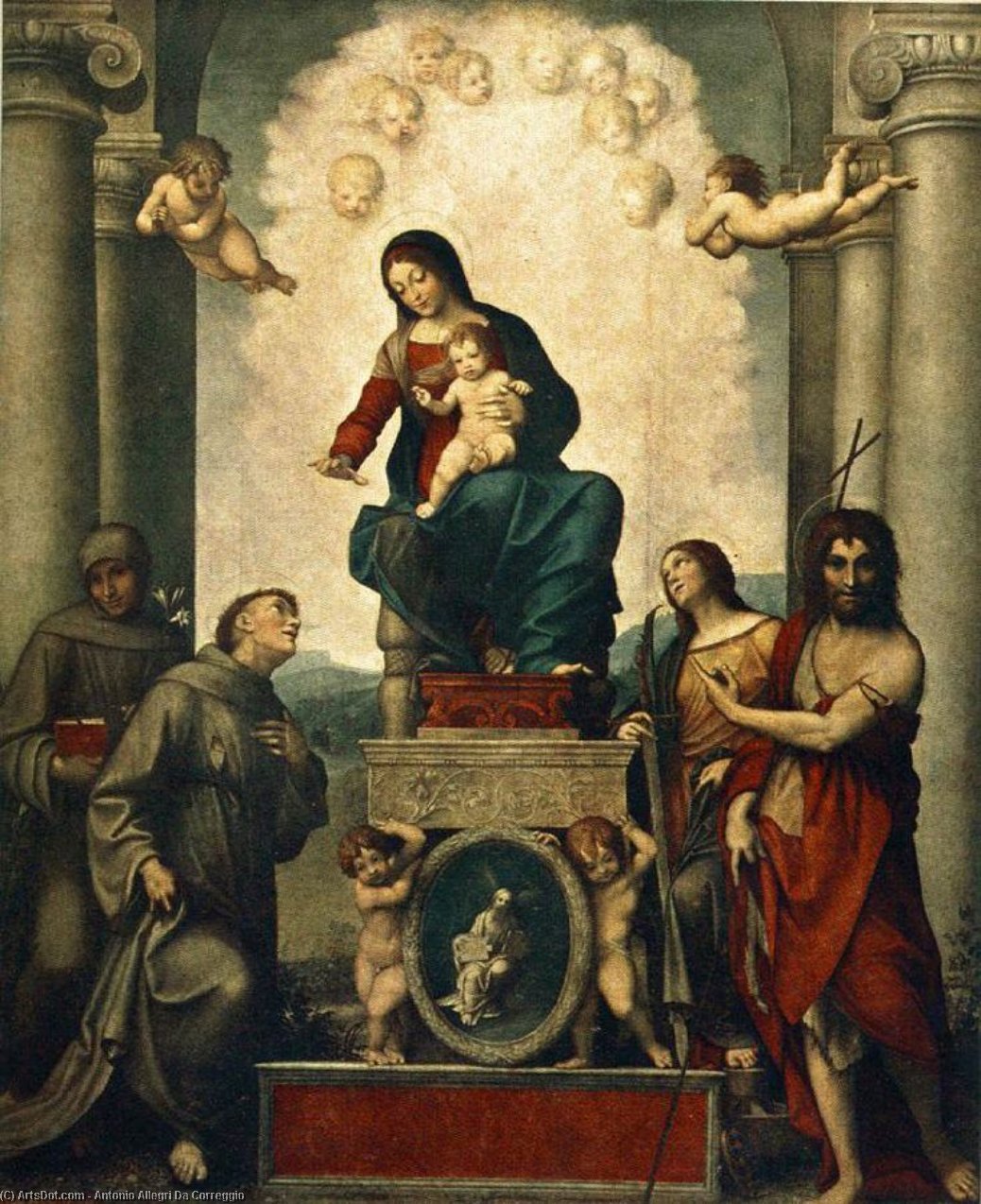
Madonna with St. Francis
 Oil On Canvas
- WallArt
- Renaissance
 1514
1514 299.0 x 245.0 cm
 Gemäldegalerie Alte Meister
 詳細を見る
詳細を見る
ジークレー/アートプリント
迅速な制作と多彩な仕上げオプションを備えた、ミュージアムクオリティのジークレーまたはキャンバスプリント。 ( 手描きの絵画を購入 画像を購入)




P118B $10

P118H $10

P118W $10

P438Z $10

P508JH $12

P508YH $12

P805H $10

P805Z $10

P919BZ $10

P919G $10

P919XJ $10

P959ZH $10

P968JZ $12

W106C $8

W218G $10

W218JH $8

W218Y $10

W307PJ $10

W316G $10

W316PJ $8

W316Y $10

W398PJ $8

W4111J $10

W500HY $15

W500JH $15

W692G $12

W849H $8

W940BG $15

W953PJ $8




作品のオリジナル比率に合わせた、当店の規定サイズからお選びください。

特定のフレームやスペースに合わせて、ご自身でサイズを指定することも可能です。選択されたサイズが元の画像の比率と一致しない場合、作品をトリミングするか、鏡面反射または単色での塗りつぶしによって画像を拡張いたします。制作を開始する前に、ご確認用のデジタルモックアップをお送りいたします。
画面上のプレビューには、実際のトリミングや拡張は反映されませんのでご注意ください。最終的な構図を正確に確認できるのは、モックアップのみとなります。
カスタムサイズも承っておりますが、元の比率を維持するためには、あらかじめ用意されたリストからサイズを選択することをお勧めいたします。


 ガラスオプションは、110cm未満のサイズでのみご利用いただけます。

Madonna with St. Francis
ジークレー/アートプリント
複製画のサイズ
-


合計金額
$ 62
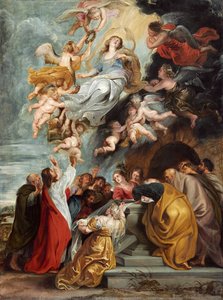
A Symphony in Gold and Shadow: Exploring Correggio’s Madonna with St. Francis
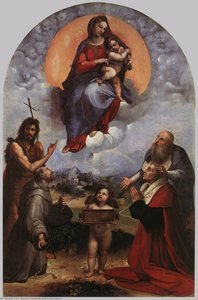
Antonio Allegri da Correggio's *Madonna with St. Francis*, completed around 1514–1515, stands as a testament to the zenith of High Renaissance artistic achievement—a luminous masterpiece that transcends mere representation to embody profound spiritual contemplation and humanist ideals. Housed in Dresden’s Gemäldegalerie Alte Meister, this painting continues to captivate audiences with its masterful execution and evocative atmosphere.The Composition: Vertical Harmony and Divine Presence
At first glance, the artwork commands attention with its monumental scale—measuring 299 x 245 cm—immediately establishing a sense of grandeur. Correggio’s compositional strategy prioritizes vertical lines, skillfully channeling the viewer's gaze upwards towards Mary and Jesus, who occupy the apex of a pyramidal structure. This deliberate arrangement reinforces the religious significance of the scene, elevating it beyond earthly concerns and inviting reflection on divine grace. The architectural setting—columns adorned with Corinthian capitals—further enhances depth and formality, mirroring the grandeur of Renaissance palaces and symbolizing stability and permanence.Color Palette and Light: A Dance of Luminosity
The painting’s color palette is dominated by warm hues – predominantly golden yellows and reds – creating a breathtaking luminosity that emanates from every surface. Correggio employs glazing techniques with remarkable precision, layering translucent pigments to achieve an ethereal glow reminiscent of Florentine frescoes. This masterful manipulation of light casts dramatic shadows across Mary's drapery and illuminates Jesus’ infant face, emphasizing his divine aura and conveying a palpable sense of spiritual reverence. The artist’s meticulous attention to detail ensures that every element contributes to the overall luminous effect, transporting viewers into a realm of serene beauty.Technique: Oil Painting Mastery – Layering and Glazing
Correggio's technique exemplifies the pinnacle of oil painting artistry. He utilized canvas or wood panel as his support, applying thin layers of pigment interspersed with glazing mediums—primarily linseed oil—to build up texture and depth. This painstaking process allowed for unparalleled control over color saturation and luminosity, resulting in a surface finish that is remarkably rich and textured. Correggio’s mastery of layering and glazing techniques—a hallmark of Renaissance painting—is evident in the drapery folds and skin tones, where subtle gradations of color create an illusion of palpable realism.Symbolism: Faith, Humility, and Divine Intercession
The Madonna with St. Francis is laden with symbolic meaning rooted in Christian iconography. Mary’s serene countenance embodies maternal compassion and spiritual purity—qualities revered throughout Christendom. Her posture exudes humility and grace, reflecting the Virgin's acceptance of God’s divine will. The presence of St. Francis, depicted prostrating himself before Mary, underscores the importance of devotion and penitence in achieving salvation. Furthermore, the depiction of St. John the Baptist and other saints reinforces the narrative framework of Christian faith—a celebration of holiness and righteousness.Emotional Resonance: A Vision of Serenity and Reverence
Ultimately, Correggio’s *Madonna with St. Francis* transcends mere visual representation to evoke profound emotional responses. The artwork inspires awe and reverence—drawing viewers into a contemplative state of spiritual contemplation. Its harmonious composition, luminous color palette, and masterful technique coalesce to create an atmosphere of serenity and tranquility—a timeless testament to the enduring power of art to uplift the human spirit. It remains a beacon of Renaissance artistic excellence, continuing to inspire admiration for its beauty and intellectual depth.
アーティストの略歴
パルマの巨匠:アントニオ・ダ・コレッジョの生涯と遺産
アントニオ・アレグリ・ダ・コレッジョという名は、ルネサンス盛期芸術のエッセンスそのものを響かせる響きを持ち、1489年に彼が名乗るようになった小さなイタリアの都市から生まれました。彼の人生はわずか44歳という若さで悲劇的に幕を閉じましたが、芸術の景観に消し去ることのできない足跡を残しました。彼は、ラファエロやミケランジェロといった古典的な理想と、後のバロック時代を予感させるドラマティックな躍動感を橋渡ししたのです。コレッジョの初期の生活に関する詳細は今なお謎に包まれていますが、地元の画家であった叔父ロレンツォ・アレグリから最初の指導を受け、その後、芸術的洗練を求めてモデナ、そしてマントゥアへと旅に出たと考えられています。これらの形成期の経験は、アンドレア・マンテーニャのような芸術家の影響に彼をさらしました。特に、マンテーニャの遠近法と古典的な主題の熟練した扱いは、コレッジョが発展させていく様式の中に深く響き渡りました。彼はそれらの教訓を吸収しつつも、すぐに独自の道を切り開いていきました。それは、類まれな優美な叙情性と、幻想的な空間に対する革新的なアプローチによって特徴づけられるものでした。コレッジョは単に美を模倣していたのではありません。彼は深い感情的な深みと技術的な輝きというレンズを通して、それを変容させていたのです。絵画における革新:様式と技法
コレッジョの芸術的才能は、単なる再現性ではなく、変容性にありました。彼の絵画は、その鮮やかな色彩パレットによって即座に認識されます。豊かな赤、青、金を用いることで、現世的な喜びと神聖な超越性の両方の雰囲気を生み出しました。彼はキアロスクーロ、すなわち光と影の劇的な相互作用の大家であり、これを用いて単に形を立体的に見せるだけでなく、ムードを呼び起こし、感情的なインパクトを高めることに成功しました。この技法は、特に神話の場面で顕著であり、そこでは人物たちがまるで内なる輝きによって照らされているかのように闇から現れます。色彩と光を超えて、コレッジョの遠近法の習熟度は革命的でした。彼は単に奥行きの錯覚を生み出したのではなく、それを操作して鑑賞者をその場面へと引き込み、現実と表象の境界を曖昧にしたのです。これはパルマ大聖堂のドームのフレスコ画で壮観に示されており、渦巻く人影が天に向かって昇っていくかのように見え、息をのむような空間的な広がりを生み出しています。さらに、彼が用いたdi sotto in su、すなわち「下から」の遠近法――真下から見ているかのような視点を提供する技法――は、この幻想的な効果を一層高め、バロック様式の天井画の演劇性を予期していました。彼は、平らな表面に描かれているにもかかわらず、人物たちに動きと生命感という奇妙な感覚を吹き込む類まれなる能力を持っていました。神話と献身:主要作品とテーマ
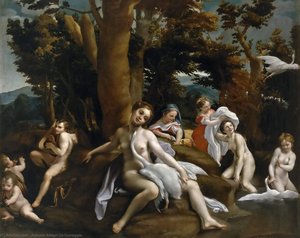
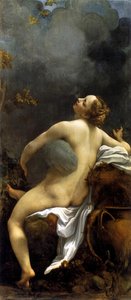
コレッジョの作品群の幅広さは、宗教的な主題と神話的な主題の両方を含んでおり、それぞれが等しい感受性と革新性をもって扱われています。彼の祭壇画、例えば羊飼たちの礼拝(「夜」としても知られる)は、思索を誘うような優しい敬虔さと驚くべき自然さに満ちています。描かれている人物たちは理想化された聖人ではなく、深い精神的な繋がりを経験する共感できる人間たちなのです。しかし、おそらくコレッジョの官能性が真に花開いているのは、彼の神話絵画の中でしょう。レダと白鳥は、現在ベルリンに所蔵されており、古典的な神話を、その時代にあって大胆でありながら魅惑的であった、絶妙な繊細さとほのかなエロティシズムで描いた完璧な例です。同様に、ジュピターとイオは、優雅さと流動性をもって複雑な物語を描写する彼の能力を示し、一方、ローマのボルゲーゼ美術館にあるダナエは、この世のものとは思えない光を浴びた人体を描く彼の熟練さの証です。これらの作品は単なる古代の物語の挿絵ではありませんでした。それらは愛、欲望、そして神話そのものの力についての探求だったのです。彼は異教の神話をキリスト教の図像学とシームレスに融合させ、ルネサンスの知的な熱狂を反映した独自の芸術言語を創造しました。永続する影響:コレッジョの遺産
比較的短いキャリアにもかかわらず、アントニオ・ダ・コレッジョは後世の多くの芸術家に深い影響を与えました。彼の革新的な遠近法の使用、劇的な照明、そして官能的なフォルムは、彼が持つ演劇性と感情的な強さを受け入れたルベンスやティエポロといったバロックの巨匠たちの道を切り開きました。彼はまた、優雅さ、洗練、遊び心のあるエロティシズムを重視するロココ美術の要素をも予見していました。コレッジョの影響は絵画に留まりませんでした。彼のフレスコ画は建築家や装飾家たちに、ますます精巧で幻想的な内装空間を創造するよう着想を与えました。彼が創設したパルマ派は、彼の死後も何十年にもわたって栄え続け、彼の芸術的原理と技術を永続させました。今日に至るまで、コレッジョは美術史において称賛される存在であり続けています。それは、彼のビジョンが持つ不朽の力と、彼の創造物が生み出す時代を超えた美しさの証なのです。彼の作品は、真の芸術性とは単なる技術的な熟練さにあるのではなく、感情を呼び起こし、驚異を抱かせ、人間の経験の最も深い側面に繋がる能力にあることを思い出させてくれます。彼の影響はヨーロッパ美術史の数えきれないほどの作品に見られ、ルネサンスからバロックへの美学的な移行期における極めて重要な人物としての地位を確固たるものにしています。主要な作品
- レダと白鳥 – ベルリン国立博物館
- ジュピターとイオ – ウィーン美術史美術館
- ダナエ – ローマボルゲーゼ美術館
- 聖母の被昇天 - パルマ大聖堂
- 羊飼たちの礼拝(夜) – ドレスデン絵画ギャラリー
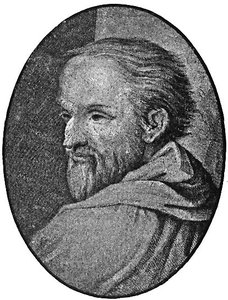
アントニオ・アレグリ・ダ・コレッジョ
1489 - 1534 , イタリア
基本情報
- Artistic Movement Or Style: 盛期ルネサンス
- Artists Or Movements Influenced By This Artist:
- ルーベンス
- ティエポロ
- バロック美術
- Artists Who Influenced This Artist:
- マンテーニャ
- ラファエロ
- ミケランジェロ
- Date Of Birth: 1489年
- Date Of Death: 1534年
- Full Name: アントニオ・アレグリ・ダ・コレッジョ
- Nationality: イタリア人
- Notable Artworks:
- レダと白鳥
- 木星とイオ
- ダナエ
- 夜
- Place Of Birth: コレッジョ、イタリア
関連記事
フランシス・ベーコン傑作25選:魂を揺さぶる絵画の世界 | ArtsDot
フランシス・ベーコンの傑作25選。魂を揺さぶる表現主義絵画の世界へ。人物画、三面図、ポープ・インノケンティウス10世など、美術史に残る名作をArtsDotで高精細複製画としてご紹介。インテリアに深みと個性を。今すぐコレクションをご覧ください。
エル・グレコの傑作25選:魂を揺さぶる宗教画と芸術の深淵 | ArtsDot
エル・グレコの傑作25選:魂を揺さぶる宗教画の世界へ。スペイン絵画の巨匠、マニエリスム様式と Toledo の光彩を紐解きます。ArtsDot.com で名画のアートプリントや複製画をお楽しみください。コレクションはこちら →
ラファエロ傑作25選:ルネサンス巨匠の物語と芸術の世界 | ArtsDot
ラファエロの傑作25選🎨 ルネサンス巨匠の物語と芸術の世界を紐解きます。美しい絵画複製や壁掛けアートで、お部屋に名画の彩りを。ArtsDot.comで、美術史に残る作品群をご覧ください✨
Antonio da Correggio: Innovation, Illusionism & the Poetics of Grace in Renaissance Painting
Explore the revolutionary art of Antonio da Correggio, a master of Renaissance illusionism and chiaroscuro. Discover his frescoes, mythological paintings & lasting influence on Baroque art. Expert analysis & key works featured.
ウフィツィ美術館の至宝25選:ルネサンス巨匠たちの傑作とアートデコレーション
ウフィツィ美術館の至宝25選:ボッティチェリ、レオナルド・ダ・ヴィンチ…ルネサンス巨匠たちの傑作と感動的な物語を紐解きます。高品質な絵画複製やアートプリントで、お部屋に名画の輝きを。ArtsDot.comで芸術の世界へ。