

 プレビュー
プレビュー
 プリントを購入
 シェアする
シェアする シェアする
シェアする
 詳細を見る
詳細を見る

 ダウンロード
 似ている作品
 X線調査
X線調査 スライドショー
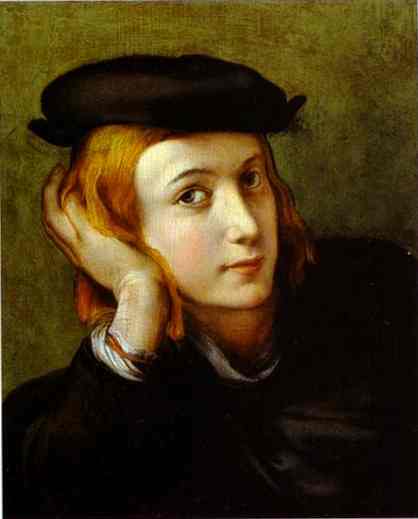
Portrait of a Young Man


 詳細を見る
詳細を見る
オンラインプレビューをはるかに凌ぐ、高解像度で鮮明なデジタル画像をご購入いただけます。
各ファイルは、社内の専門家が高度なツールと熟練した手作業によるレタッチを用いて、細心の注意を払って準備されています。すべての画像において、卓越した鮮明度、正確な色彩再現性、そして繊細なディテールを保証いたします。
最終ファイルは、プロフェッショナルな編集・印刷環境ですぐにご利用いただけるよう最適化された状態で、72時間以内にメールにてお届けいたします。これは、一流のデザインスタジオ、出版社、ギャラリーから信頼されているものと同等の品質です。
デジタル画像のご注文に付随する特典
高品質なデジタル画像配信を、確かな品質で。
ArtsDot.com を選ぶことは、単に画像を手に入れることではありません。それは、プロの手によって精密に仕上げられ、満足保証が付いた高品質なデジタルアートワークを受け取ることを意味します。ご注文いただいた際に自動的に付随する内容は、以下の通りです:

メールですぐにお届け
ご注文から72時間以内に、高解像度のデジタル画像ファイルがメールでお手元に届きます。すぐにそのままご利用いただけます。

AI技術で最適化されたデジタルファイル
お客様の作品は、高度なAIツールと専門家による手作業の編集を組み合わせてプロフェッショナルに最適化されており、細部のディテール、鮮明さ、そして正確な色再現性を最大限に引き出しています。

一生涯無料の再送サービス
ファイルを誤って削除したり、紛失してしまったりしましたか?ご安心ください。いつでも無料で再送いたします。

輸入手数料は一切かかりません
関税や手数料、配送料を気にすることなく、お気に入りのアートワークをすぐにお楽しみいただけます。デジタルダウンロードは常に免税です。

色彩再現の保証
プロ仕様のツールとカラーマネジメント技術を用いることで、デジタル画像が元の色を最大限に忠実に再現することを保証いたします。

60日間満足保証
ご購入いただいたデジタル画像にご満足いただけない場合は、60日以内であれば、修正または100%の返金(理由を問う必要はありません)をさせていただきます。

100% 返金保証
ご満足いただけない場合は、デジタルファイルを受け取ってから60日以内であれば、理由を問わず全額返金いたします。

まとめ買い割引
3枚購入で10%OFF - 5枚購入で15%OFF - 10枚以上購入で20%OFF。クリエイティブなプロジェクト、ギャラリー、エージェンシーに最適です。
作品の詳細
The Enigmatic Gaze: Antonio Allegri da Correggio’s Portrait of a Young Man
Antonio Allegri da Correggio's *Portrait of a Young Man*, painted around 1520, is not merely a depiction of an individual; it’s a carefully constructed window into the burgeoning artistic sensibilities of the High Renaissance. Often attributed to Raphael, though scholarly debate continues, this captivating portrait transcends simple likeness, offering instead a profound meditation on youth, intellect, and the nascent promise of artistic expression. The painting resides within the Galleria Nazionale di Parma, Italy, a testament to Correggio’s enduring legacy as a master of illusionistic space and evocative characterization. It's a work that whispers of both classical ideals and the burgeoning dynamism of Mannerism, foreshadowing the dramatic shifts to come in European art.- Composition & Technique: The portrait is rendered in oil on wood panel, showcasing Correggio’s masterful control over texture and light. Note the subtle gradations of color – the velvety softness of the skin, the rich sheen of the dark attire, and the delicate handling of the gold chain around his neck. Correggio employs a technique known as *sfumato*, blurring edges and creating an atmospheric haze that softens the features and lends an air of contemplative serenity to the subject’s expression.
- The Young Man's Pose: The young man is positioned in a three-quarter view, his gaze directed slightly off-center – a deliberate choice that invites the viewer into his thoughts. His hands are casually placed behind his head, resting on his shoulder, conveying an air of relaxed confidence and intellectual curiosity. This posture suggests a mind engaged in contemplation, absorbing knowledge and observing the world with discerning eyes.
- Symbolic Details: The dark hat, a fashionable accessory of the period, adds to the portrait’s formality while simultaneously hinting at a certain aloofness. The gold chain, a symbol of wealth and status, subtly underscores the subject's privileged background. However, it is the book held open in his hands that holds particular significance – a potent emblem of learning, intellect, and the pursuit of knowledge, central to Renaissance ideals.
A Masterclass in Illusionism: Correggio’s Spatial Innovations
Correggio was renowned for his groundbreaking use of perspective and illusionistic space, particularly evident in his frescoes within the Camera di San Paolo in Parma. *Portrait of a Young Man* demonstrates a subtle echo of this approach, though on a smaller scale. The background is deliberately ambiguous, creating an atmospheric depth that draws attention to the subject’s face and posture. The use of foreshortening – particularly in the suggestion of the chair behind him – subtly expands the perceived space, contributing to the painting's overall sense of dynamism. This technique was revolutionary for its time, moving beyond traditional linear perspective and creating a more immersive and engaging viewing experience. It’s a key element that foreshadowed the dramatic innovations of later artists like Michelangelo and Bernini. Historical Context:** The portrait emerged during a period of intense artistic experimentation in Italy. The High Renaissance was characterized by a renewed interest in classical art and philosophy, alongside a growing emphasis on individual expression and emotional intensity. Correggio’s work reflects these trends, blending the elegance of classical forms with a heightened sense of psychological realism. He operated within the context of the patronage system, serving wealthy families and religious institutions, which shaped his artistic choices and priorities.The Legacy of a Master: Correggio's Influence on Art History
Antonio Allegri da Correggio’s *Portrait of a Young Man* stands as a pivotal work in the transition from Renaissance Classicism to Mannerism and ultimately, to Baroque art. His innovative use of perspective, his evocative portrayal of character, and his masterful manipulation of light and shadow profoundly influenced generations of artists. The dynamism and sensuality evident in this portrait foreshadowed the dramatic intensity and emotional expressiveness that would characterize the Baroque period. Artists like Pordenone and Lanfranco directly built upon Correggio’s techniques, solidifying his place as a foundational figure in European art history.- Connections to Raphael: While traditionally attributed to Raphael, recent scholarship suggests Correggio may have been the true artist. The similarities in style and technique are undeniable, but stylistic nuances point towards Correggio's unique vision.
- Influence on Baroque Art: Correggio’s techniques—particularly his illusionistic space and dramatic foreshortening—were adopted and amplified by Baroque artists like Bernini and Caravaggio, shaping the visual language of the era.
A Timeless Portrait: Correggio's Enduring Appeal
*Portrait of a Young Man* continues to captivate viewers with its enigmatic beauty and psychological depth. The subject’s thoughtful gaze invites us to contemplate his inner world, while the painting’s masterful technique and evocative atmosphere transport us back to the vibrant artistic landscape of Renaissance Italy. Whether viewed as a portrait of an individual or as a meditation on art itself, this captivating work remains a testament to Correggio's genius and a timeless example of High Renaissance artistry. It is a piece that speaks volumes through its silence, inviting repeated viewing and endless interpretation.関連作品
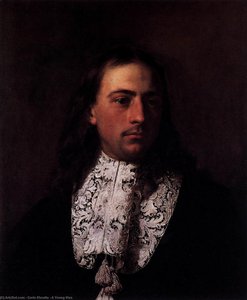
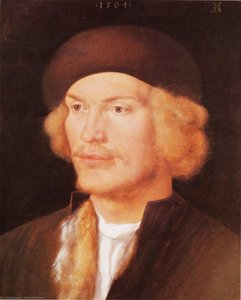
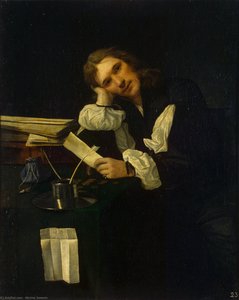
作家の略歴
パルマの巨匠:アントニオ・ダ・コレッジョの生涯と遺産
アントニオ・アレグリ・ダ・コレッジョという名は、ルネサンス盛期芸術のエッセンスそのものを響かせる響きを持ち、1489年に彼が名乗るようになった小さなイタリアの都市から生まれました。彼の人生はわずか44歳という若さで悲劇的に幕を閉じましたが、芸術の景観に消し去ることのできない足跡を残しました。彼は、ラファエロやミケランジェロといった古典的な理想と、後のバロック時代を予感させるドラマティックな躍動感を橋渡ししたのです。コレッジョの初期の生活に関する詳細は今なお謎に包まれていますが、地元の画家であった叔父ロレンツォ・アレグリから最初の指導を受け、その後、芸術的洗練を求めてモデナ、そしてマントゥアへと旅に出たと考えられています。これらの形成期の経験は、アンドレア・マンテーニャのような芸術家の影響に彼をさらしました。特に、マンテーニャの遠近法と古典的な主題の熟練した扱いは、コレッジョが発展させていく様式の中に深く響き渡りました。彼はそれらの教訓を吸収しつつも、すぐに独自の道を切り開いていきました。それは、類まれな優美な叙情性と、幻想的な空間に対する革新的なアプローチによって特徴づけられるものでした。コレッジョは単に美を模倣していたのではありません。彼は深い感情的な深みと技術的な輝きというレンズを通して、それを変容させていたのです。絵画における革新:様式と技法
コレッジョの芸術的才能は、単なる再現性ではなく、変容性にありました。彼の絵画は、その鮮やかな色彩パレットによって即座に認識されます。豊かな赤、青、金を用いることで、現世的な喜びと神聖な超越性の両方の雰囲気を生み出しました。彼はキアロスクーロ、すなわち光と影の劇的な相互作用の大家であり、これを用いて単に形を立体的に見せるだけでなく、ムードを呼び起こし、感情的なインパクトを高めることに成功しました。この技法は、特に神話の場面で顕著であり、そこでは人物たちがまるで内なる輝きによって照らされているかのように闇から現れます。色彩と光を超えて、コレッジョの遠近法の習熟度は革命的でした。彼は単に奥行きの錯覚を生み出したのではなく、それを操作して鑑賞者をその場面へと引き込み、現実と表象の境界を曖昧にしたのです。これはパルマ大聖堂のドームのフレスコ画で壮観に示されており、渦巻く人影が天に向かって昇っていくかのように見え、息をのむような空間的な広がりを生み出しています。さらに、彼が用いたdi sotto in su、すなわち「下から」の遠近法――真下から見ているかのような視点を提供する技法――は、この幻想的な効果を一層高め、バロック様式の天井画の演劇性を予期していました。彼は、平らな表面に描かれているにもかかわらず、人物たちに動きと生命感という奇妙な感覚を吹き込む類まれなる能力を持っていました。神話と献身:主要作品とテーマ
コレッジョの作品群の幅広さは、宗教的な主題と神話的な主題の両方を含んでおり、それぞれが等しい感受性と革新性をもって扱われています。彼の祭壇画、例えば羊飼たちの礼拝(「夜」としても知られる)は、思索を誘うような優しい敬虔さと驚くべき自然さに満ちています。描かれている人物たちは理想化された聖人ではなく、深い精神的な繋がりを経験する共感できる人間たちなのです。しかし、おそらくコレッジョの官能性が真に花開いているのは、彼の神話絵画の中でしょう。レダと白鳥は、現在ベルリンに所蔵されており、古典的な神話を、その時代にあって大胆でありながら魅惑的であった、絶妙な繊細さとほのかなエロティシズムで描いた完璧な例です。同様に、ジュピターとイオは、優雅さと流動性をもって複雑な物語を描写する彼の能力を示し、一方、ローマのボルゲーゼ美術館にあるダナエは、この世のものとは思えない光を浴びた人体を描く彼の熟練さの証です。これらの作品は単なる古代の物語の挿絵ではありませんでした。それらは愛、欲望、そして神話そのものの力についての探求だったのです。彼は異教の神話をキリスト教の図像学とシームレスに融合させ、ルネサンスの知的な熱狂を反映した独自の芸術言語を創造しました。永続する影響:コレッジョの遺産
比較的短いキャリアにもかかわらず、アントニオ・ダ・コレッジョは後世の多くの芸術家に深い影響を与えました。彼の革新的な遠近法の使用、劇的な照明、そして官能的なフォルムは、彼が持つ演劇性と感情的な強さを受け入れたルベンスやティエポロといったバロックの巨匠たちの道を切り開きました。彼はまた、優雅さ、洗練、遊び心のあるエロティシズムを重視するロココ美術の要素をも予見していました。コレッジョの影響は絵画に留まりませんでした。彼のフレスコ画は建築家や装飾家たちに、ますます精巧で幻想的な内装空間を創造するよう着想を与えました。彼が創設したパルマ派は、彼の死後も何十年にもわたって栄え続け、彼の芸術的原理と技術を永続させました。今日に至るまで、コレッジョは美術史において称賛される存在であり続けています。それは、彼のビジョンが持つ不朽の力と、彼の創造物が生み出す時代を超えた美しさの証なのです。彼の作品は、真の芸術性とは単なる技術的な熟練さにあるのではなく、感情を呼び起こし、驚異を抱かせ、人間の経験の最も深い側面に繋がる能力にあることを思い出させてくれます。彼の影響はヨーロッパ美術史の数えきれないほどの作品に見られ、ルネサンスからバロックへの美学的な移行期における極めて重要な人物としての地位を確固たるものにしています。主要な作品
- レダと白鳥 – ベルリン国立博物館
- ジュピターとイオ – ウィーン美術史美術館
- ダナエ – ローマボルゲーゼ美術館
- 聖母の被昇天 - パルマ大聖堂
- 羊飼たちの礼拝(夜) – ドレスデン絵画ギャラリー
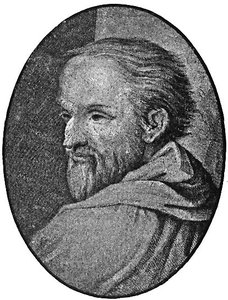
アントニオ・アレグリ・ダ・コレッジョ
1489 - 1534 , イタリア
プロフィール概要
- Artistic Movement Or Style: 盛期ルネサンス
- Artists Or Movements Influenced By This Artist:
- ルーベンス
- ティエポロ
- バロック美術
- Artists Who Influenced This Artist:
- マンテーニャ
- ラファエロ
- ミケランジェロ
- Date Of Birth: 1489年
- Date Of Death: 1534年
- Full Name: アントニオ・アレグリ・ダ・コレッジョ
- Nationality: イタリア人
- Notable Artworks:
- レダと白鳥
- 木星とイオ
- ダナエ
- 夜
- Place Of Birth: コレッジョ、イタリア

