

 プレビュー
プレビュー
 プリントを購入
 シェアする
シェアする シェアする
シェアする
 詳細を見る
詳細を見る

 ダウンロード
 似ている作品
 X線調査
X線調査 スライドショー
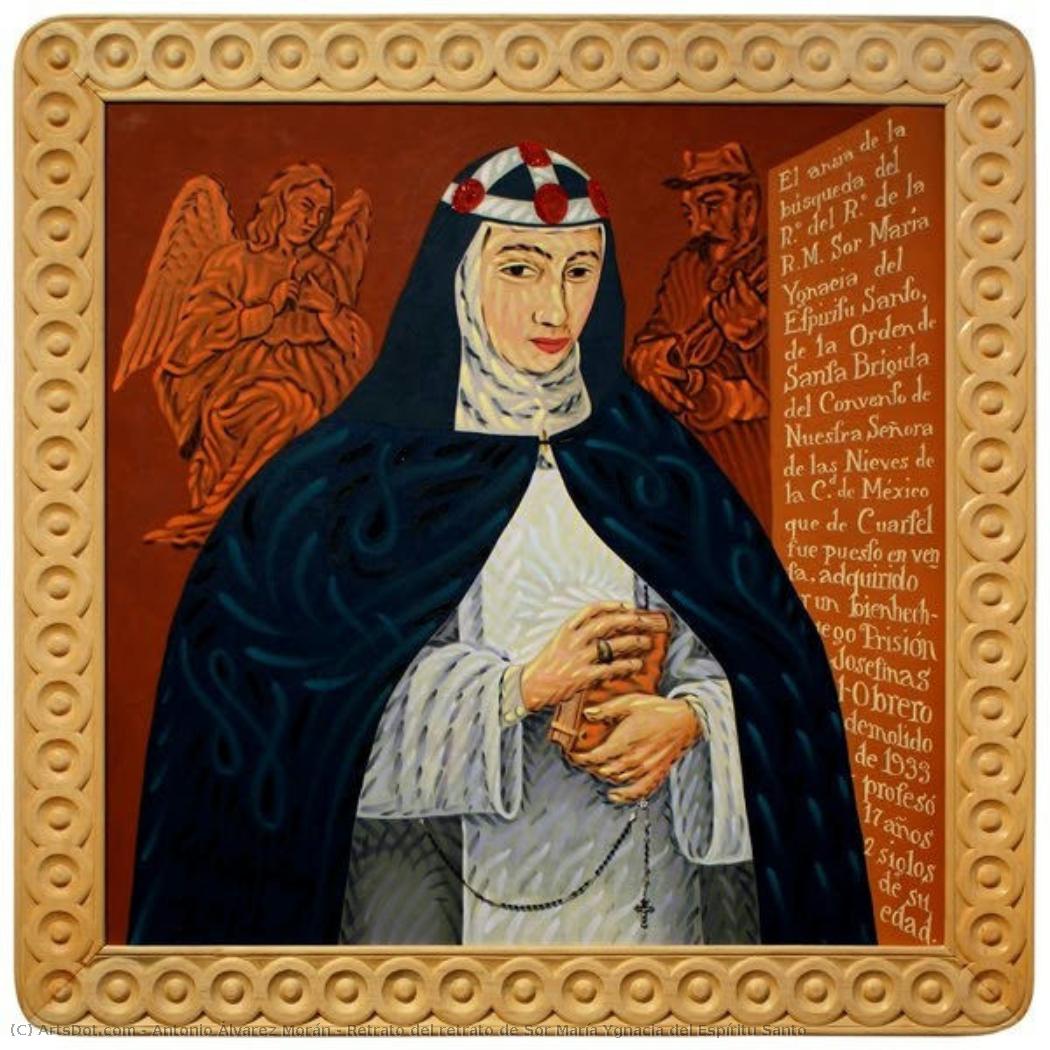
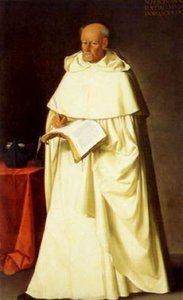
Retrato del retrato de Sor María Ygnacia del Espíritu Santo
 Oil On Canvas
- WallArt
- Contemporary Realism
 2012
2012- Renaissance
 91.0 x 91.0 cm
 Fundación Universidad de las Américas Puebla
 詳細を見る
詳細を見る
オンラインプレビューをはるかに凌ぐ、高解像度で鮮明なデジタル画像をご購入いただけます。
各ファイルは、社内の専門家が高度なツールと熟練した手作業によるレタッチを用いて、細心の注意を払って準備されています。すべての画像において、卓越した鮮明度、正確な色彩再現性、そして繊細なディテールを保証いたします。
最終ファイルは、プロフェッショナルな編集・印刷環境ですぐにご利用いただけるよう最適化された状態で、72時間以内にメールにてお届けいたします。これは、一流のデザインスタジオ、出版社、ギャラリーから信頼されているものと同等の品質です。
デジタル画像のご注文に付随する特典
高品質なデジタル画像配信を、確かな品質で。
ArtsDot.com を選ぶことは、単に画像を手に入れることではありません。それは、プロの手によって精密に仕上げられ、満足保証が付いた高品質なデジタルアートワークを受け取ることを意味します。ご注文いただいた際に自動的に付随する内容は、以下の通りです:

メールですぐにお届け
ご注文から72時間以内に、高解像度のデジタル画像ファイルがメールでお手元に届きます。すぐにそのままご利用いただけます。

AI技術で最適化されたデジタルファイル
お客様の作品は、高度なAIツールと専門家による手作業の編集を組み合わせてプロフェッショナルに最適化されており、細部のディテール、鮮明さ、そして正確な色再現性を最大限に引き出しています。

一生涯無料の再送サービス
ファイルを誤って削除したり、紛失してしまったりしましたか?ご安心ください。いつでも無料で再送いたします。

輸入手数料は一切かかりません
関税や手数料、配送料を気にすることなく、お気に入りのアートワークをすぐにお楽しみいただけます。デジタルダウンロードは常に免税です。

色彩再現の保証
プロ仕様のツールとカラーマネジメント技術を用いることで、デジタル画像が元の色を最大限に忠実に再現することを保証いたします。

60日間満足保証
ご購入いただいたデジタル画像にご満足いただけない場合は、60日以内であれば、修正または100%の返金(理由を問う必要はありません)をさせていただきます。

100% 返金保証
ご満足いただけない場合は、デジタルファイルを受け取ってから60日以内であれば、理由を問わず全額返金いたします。

まとめ買い割引
3枚購入で10%OFF - 5枚購入で15%OFF - 10枚以上購入で20%OFF。クリエイティブなプロジェクト、ギャラリー、エージェンシーに最適です。
Antonio Álvarez Morán’s ‘Retrato del Retrato de Sor María Ygnacia del Espíritu Santo’: A Window into Faith and Tradition
This captivating oil painting, titled “Retrato del Retrato de Sor María Ygnacia del Espíritu Santo,” offers a profound glimpse into the devotional practices of 18th-century Spain through the skilled hand of Antonio Álvarez Morán. Executed in 2012, this piece transcends mere portraiture; it’s an immersive experience of faith, meticulously rendered with a reverence that speaks to centuries of artistic tradition. The central figure, a nun identified as Sor María Ygnacia del Espíritu Santo, is presented with dignified solemnity, clutching a rosary and holding the Bible – potent symbols of her unwavering belief. Flanking her are angelic and soldierly figures, adding layers of narrative complexity and reflecting the dualities inherent in religious life: piety versus protection, spirituality versus earthly authority.
- A Masterful Composition: The painting’s composition is deliberately centered, drawing the viewer's eye directly to Sor María Ygnacia’s face – a study in serene contemplation. The use of shallow perspective and layered shading creates a sense of depth, while geometric elements within the ornate gold frame provide a formal counterpoint to the organic forms of the figure and her surroundings.
- Technique & Materials: Álvarez Morán's technique is characterized by meticulous brushwork and glazing, hallmarks of Spanish Baroque painting. The impasto-like texture, particularly evident in the fabric folds and lettering, adds a tactile quality to the work, inviting close inspection and revealing the artist’s deliberate layering of color and detail. The use of oil paints on canvas ensures rich luminosity and longevity.
Decoding Symbolism: Faith, History, and Narrative
Beyond its aesthetic qualities, “Retrato del Retrato de Sor María Ygnacia del Espíritu Santo” is laden with symbolic meaning. The inclusion of the angel and soldier figures suggests a broader context – a representation of divine guidance alongside earthly defense. Crucially, the densely layered text that forms the background isn’t merely decorative; it's biographical information about the subject, anchoring the painting within its historical moment. This layering of narrative—visual and textual—reinforces the theme of faith as a continuous thread connecting the past to the present.
- Religious Iconography: The work aligns with established religious iconography prevalent in 18th-century Spanish art, reflecting the deep piety of the era.
- Historical Context: The painting offers a window into the lives and beliefs of women within the Catholic Church during this period.
The Artist’s Vision & Emotional Impact
Antonio Álvarez Morán's artistic approach, rooted in realism yet infused with a deep understanding of religious symbolism, results in an artwork that evokes a powerful sense of reverence and solemnity. The soft, diffused lighting further enhances this effect, illuminating the subject’s face and highlighting the textures of the paint. The overall impression is one of dignified piety – a connection to religious history that resonates across time. This reproduction captures not just an image but the very essence of faith and devotion, making it a compelling addition to any collection or interior space.
Size:** 91 x 91 cm Date:** 2012 Artist:** Antonio Álvarez Morán関連作品


作家の略歴
Joan Mitchell: A Landscape of the Soul
Joan Mitchell (1925–1992) wasn’t simply a painter; she was an explorer, venturing into the raw and visceral territories of color and form to capture the essence of experience. Her career, spanning over four decades from her debut in New York in 1952 until her passing in France, is marked by a remarkable evolution—a journey from early figurative work to a powerfully abstract style deeply rooted in observation and emotion. Born in Chicago amidst an environment that fostered artistic appreciation – frequent visits to the symphony and exposure to poetry – Mitchell’s initial training at the School of the Art Institute of Chicago laid the groundwork for her distinctive approach. However, it was her year spent in France (1949-1950) that proved transformative, pushing her towards a more fragmented and expressive style, a departure from traditional representation. This period witnessed a shift toward abstraction, fueled by encounters with European modernism and a growing desire to convey inner landscapes rather than merely depicting external ones. Mitchell’s work is immediately recognizable for its bold use of color—a palette often described as “violent” or “intense,” yet always imbued with a profound sense of feeling. She didn't simply apply colors; she wrestled with them, layering and juxtaposing hues to create dynamic fields that pulsated with energy. Her subjects – primarily landscapes, though increasingly incorporating elements of architecture and the human figure—were rarely rendered realistically. Instead, they served as catalysts for her emotional response, becoming vehicles for expressing a complex range of feelings: joy, sorrow, anxiety, and wonder. Influences on Mitchell’s work are diverse and layered. The gestural abstraction of Jackson Pollock undoubtedly played a role, though she developed a distinctly more controlled and deliberate approach. She also drew inspiration from the works of German Expressionists like Ernst Ludwig Kirchner, whose use of color to convey psychological states resonated deeply with her own artistic vision. Furthermore, Mitchell’s engagement with poetry—particularly the work of W.H. Auden and Ezra Pound—informed her process, encouraging a simultaneous exploration of visual and verbal imagery.The Emergence of Abstract Expressionism
Mitchell's rise to prominence coincided with the burgeoning movement of Abstract Expressionism in the 1950s. While she initially hesitated to fully embrace the label, her work undeniably shared key characteristics with this influential style: a focus on spontaneous gesture, an exploration of inner experience, and a rejection of traditional representational conventions. However, Mitchell’s approach diverged from some of her male counterparts in the movement. Her landscapes were rarely monumental or heroic; instead, they possessed a quiet intimacy, reflecting a more personal and introspective sensibility. Her early exhibitions at Betty Parsons Gallery in New York helped establish her reputation within the Abstract Expressionist circle, showcasing works like “Red and Blue” (1958) and “Orange and Black Wall” (1959), which demonstrated her mastery of color and her ability to evoke complex emotions through purely abstract means. These paintings weren’t simply arrangements of shapes and colors; they were windows into Mitchell's soul, revealing a deeply felt connection to the natural world and a profound understanding of human emotion.Technique and Process
Mitchell’s painting process was characterized by a remarkable physicality and a willingness to embrace chance. She often worked directly on the canvas with large brushes, applying paint in thick, gestural strokes—a technique she referred to as “scumbling.” She would build up layers of color, scraping back and reworking areas until she achieved the desired effect. Mitchell’s studio was a chaotic but inspiring space, filled with sketches, photographs, and studies – evidence of her meticulous observation and relentless experimentation. She frequently used photographs as reference material, not to replicate reality, but to distill essential elements—light, shadow, texture—and translate them into color fields. Her process wasn't about imposing a preconceived idea onto the canvas; it was about allowing the materials themselves to guide her hand, resulting in paintings that felt both spontaneous and carefully considered.Legacy and Recognition
Despite facing initial resistance from some critics who questioned the “meaning” of her abstract landscapes, Joan Mitchell’s work gradually gained recognition as a significant contribution to American art. Her inclusion in the 1960 Whitney Museum of American Art retrospective on Abstract Expressionism solidified her place within the movement. Throughout her career, she exhibited extensively in major museums and galleries around the world, including the Tate Gallery in London, the Musée d’Art Moderne de la Ville de Paris, and the National Gallery of Art in Washington D.C. Today, Joan Mitchell is celebrated as one of the most important abstract artists of the post-war era—a visionary whose bold use of color and her deeply personal approach to landscape painting continue to resonate with audiences today. Her work resides in numerous prestigious collections, including the San Francisco Museum of Modern Art (SFMOMA), the British Museum n London, and the Tel Aviv Museum of Art, ensuring that her powerful vision will endure for generations to come.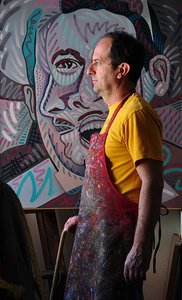
アントニオ・アルバレス・モラン
1959 - , メキシコ
プロフィール概要
- Artistic Movement Or Style: 抽象表現主義
- Artists Or Movements Influenced By This Artist:
- バーネット・ニューマン
- マーク・ロスコ
- Artists Who Influenced This Artist:
- ピカソ
- クレー
- マティス
- Date Of Birth: 1925年2月12日
- Full Name: ジョーン・ミッチェル
- Nationality: アメリカ
- Notable Artworks:
- タンジェリン・ムーン・アンド・ワイン・ダーク・シー
- ソルヴェイグ
- クール・ホワイト
- Place Of Birth: アメリカ合衆国、シカゴ

