

 プレビュー
プレビュー
 プリントを購入
 シェアする
シェアする シェアする
シェアする
 詳細を見る
詳細を見る

 ダウンロード
 似ている作品
 X線調査
X線調査 スライドショー
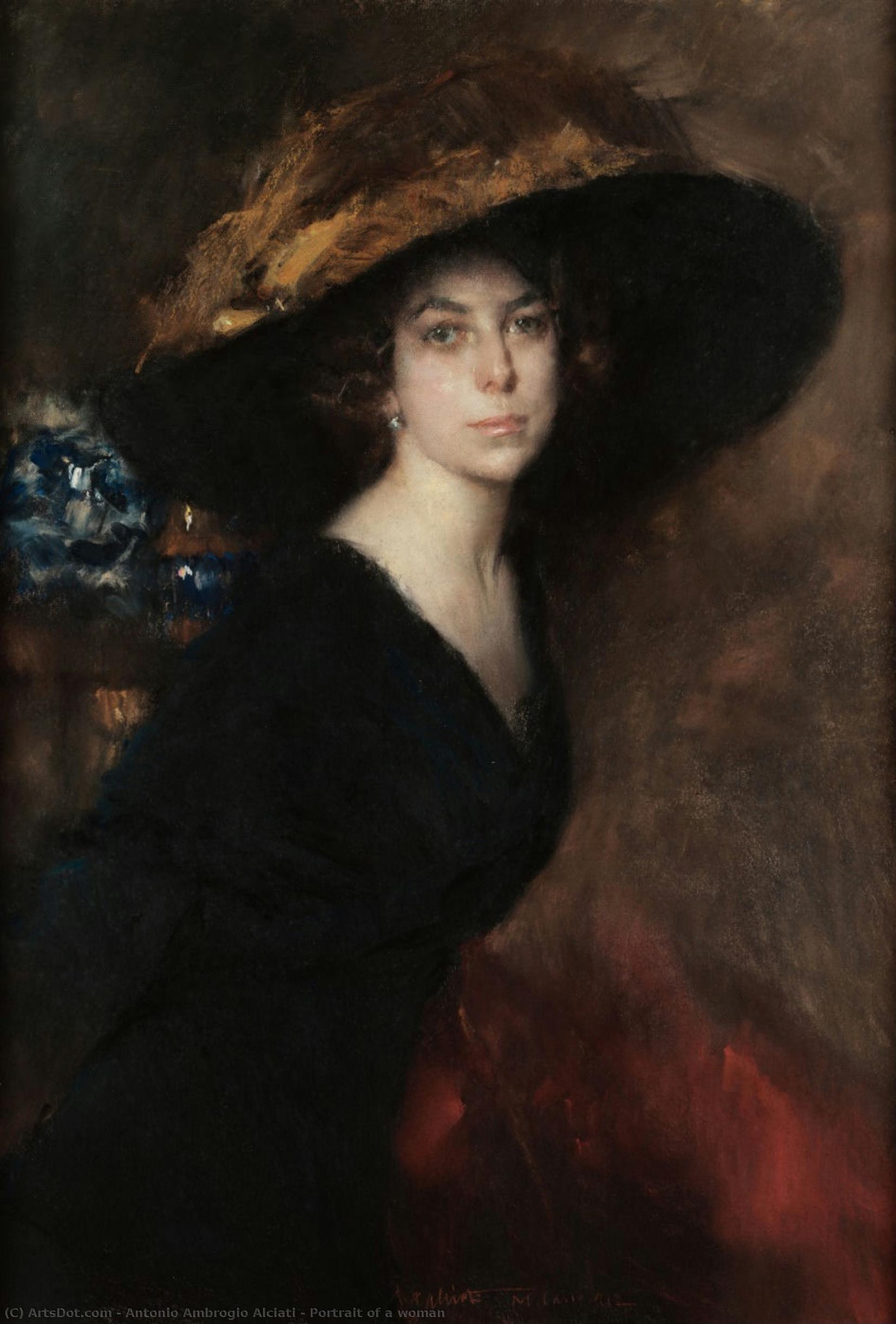
Portrait of a woman


 詳細を見る
詳細を見る




































作品のオリジナル比率に合わせた、当店の規定サイズからお選びください。

特定のフレームやスペースに合わせて、ご希望のサイズをご入力いただけます。選択されたサイズが元の画像の比率と異なる場合、アートワークをトリミングするか、手描きで要素を追加して絵画を拡張いたします。デジタルモックアップ を制作し、制作開始前にご確認(承認)をいただきます。
画面上のプレビューは、実際のトリミングや拡張を正確に反映しているものではありません。最終的な構図は、モックアップによってのみ正確にご確認いただけます。
カスタムサイズもご利用いただけますが、元の比率を維持するためには、あらかじめ用意されたリストからサイズを選択することをお勧めいたします。
ご注文後、ArtsDot.com チームより詳細な指示をお送りするとともに、仕上がりイメージ(モックアップ)をご提供いたします。


 ガラスオプションは、110cm未満のサイズでのみご利用いただけます。

Portrait of a woman
複製技法
複製画のサイズ
-


合計金額
$ 263
関連作品



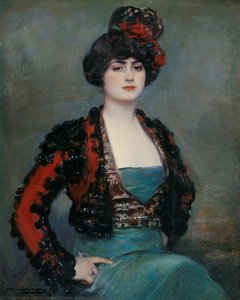
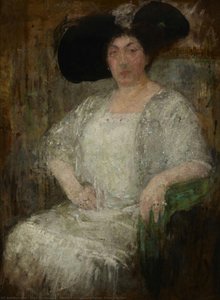

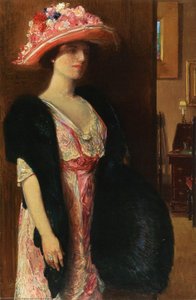
アーティストの略歴
The Dawn of a New Vision: H. Boylston Dummer (1878 – 1945)
Born in Rowley, Massachusetts, in 1878, during a pivotal moment in the history of art—a period marked by the burgeoning influence of Impressionism and the challenges to traditional academic styles—H. Boylston Dummer emerged as a significant figure in American landscape painting. His career unfolded against the backdrop of rapid industrialization and shifting social landscapes, mirroring the evolving artistic sensibilities of his time. Dummer’s work reflects not only a deep appreciation for the natural world but also a keen awareness of the changing role of the artist within society.
Early influences were diverse, shaped by the artistic currents circulating in Boston during his formative years. He benefited from instruction from prominent local artists like John Carlson and Eric Pape, absorbing techniques and philosophies that would inform his distinctive style. Notably, Dummer’s early career was intertwined with the burgeoning world of illustration, working as a staff artist for publications such as the Boston Post and contributing to the popular children's magazine, The Youth’s Companion. This experience honed his observational skills and developed a knack for capturing dynamic scenes—particularly those depicting wildlife in their natural habitats. His illustrations were characterized by a remarkable level of detail and a sensitivity to light and atmosphere, foreshadowing many of the qualities he would later bring to his landscape paintings.
A Shift Towards Impressionistic Landscapes
While Dummer’s early work leaned towards illustrative realism, a clear shift toward Impressionism began to materialize in the late 1890s. This transition was influenced by the exhibitions of artists like Winslow Homer and George Inness, whose innovative use of color and light captivated audiences. Dummer's landscapes increasingly prioritized capturing fleeting moments—the dappled sunlight filtering through trees, the shifting hues of a twilight sky, or the subtle textures of foliage. He moved away from rigid academic composition in favor of looser brushwork and an emphasis on atmospheric effects.
His technique evolved to incorporate elements of plein air painting, working directly outdoors to capture the immediacy of nature. This commitment to direct observation is evident in his depictions of New England’s iconic landscapes—rolling hills, dense forests, and serene waterways. Dummer's palette was rich and vibrant, utilizing a wide range of colors to convey the nuances of light and shadow. He skillfully employed broken color techniques, layering translucent washes of paint to create a sense of depth and luminosity.
Notable Works and Artistic Development
Among Dummer’s most celebrated works are his depictions of wildlife—particularly birds—which showcase his remarkable ability to capture the essence of these creatures in their natural settings. Paintings like “Sultan Bayezid prisoned by Timur” (1908) demonstrate a masterful command of composition and a nuanced understanding of human emotion. His landscapes, such as "The Moorish Chief" (circa 1910), reveal an increasingly sophisticated use of color and light, reflecting his growing mastery of Impressionistic principles.
A significant development in Dummer’s artistic journey occurred with the adoption of photogravure, a technique pioneered by Karel Klíč in 1878. This process allowed him to reproduce detailed tonal variations and subtle textures with unprecedented accuracy—a crucial element in his ability to render the complexities of natural light and atmosphere. The photogravure process enabled Dummer to achieve a level of realism previously unattainable through traditional painting methods, further enhancing the expressive power of his work.
Legacy and Historical Context
H. Boylston Dummer’s artistic career spanned several decades, during which he remained a dedicated observer and interpreter of the American landscape. His paintings offer a valuable glimpse into the evolving aesthetic sensibilities of the late 19th and early 20th centuries—a period marked by both rapid social change and profound artistic innovation. While his work may not have achieved widespread fame during his lifetime, Dummer’s contributions to American landscape painting are increasingly recognized for their technical skill, emotional depth, and subtle yet powerful expression of the natural world.
His legacy is intertwined with the broader narrative of American art—a story of experimentation, innovation, and a persistent search for new ways to represent the beauty and complexity of the American experience.
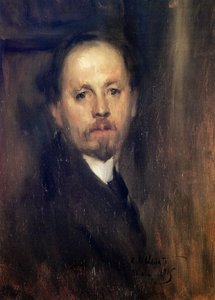
antonio ambrogio alciati
1878 - 1929 , Italy
基本情報
- Artistic Movement Or Style: Landscape painting
- Artists Who Influenced This Artist:
- John Carlson
- Birge Harrison
- Date Of Birth: 1878
- Date Of Death: 1945
- Full Name: H Boylston Dummer
- Nationality: American
- Notable Artworks:
- Sea View by Moonlight
- Haymaking
- The Moorish Chief
- Place Of Birth: Rowley, Massachusetts

