

 プレビュー
プレビュー
 プリントを購入
 シェアする
シェアする シェアする
シェアする
 詳細を見る
詳細を見る

 ダウンロード
 似ている作品
 X線調査
X線調査 スライドショー
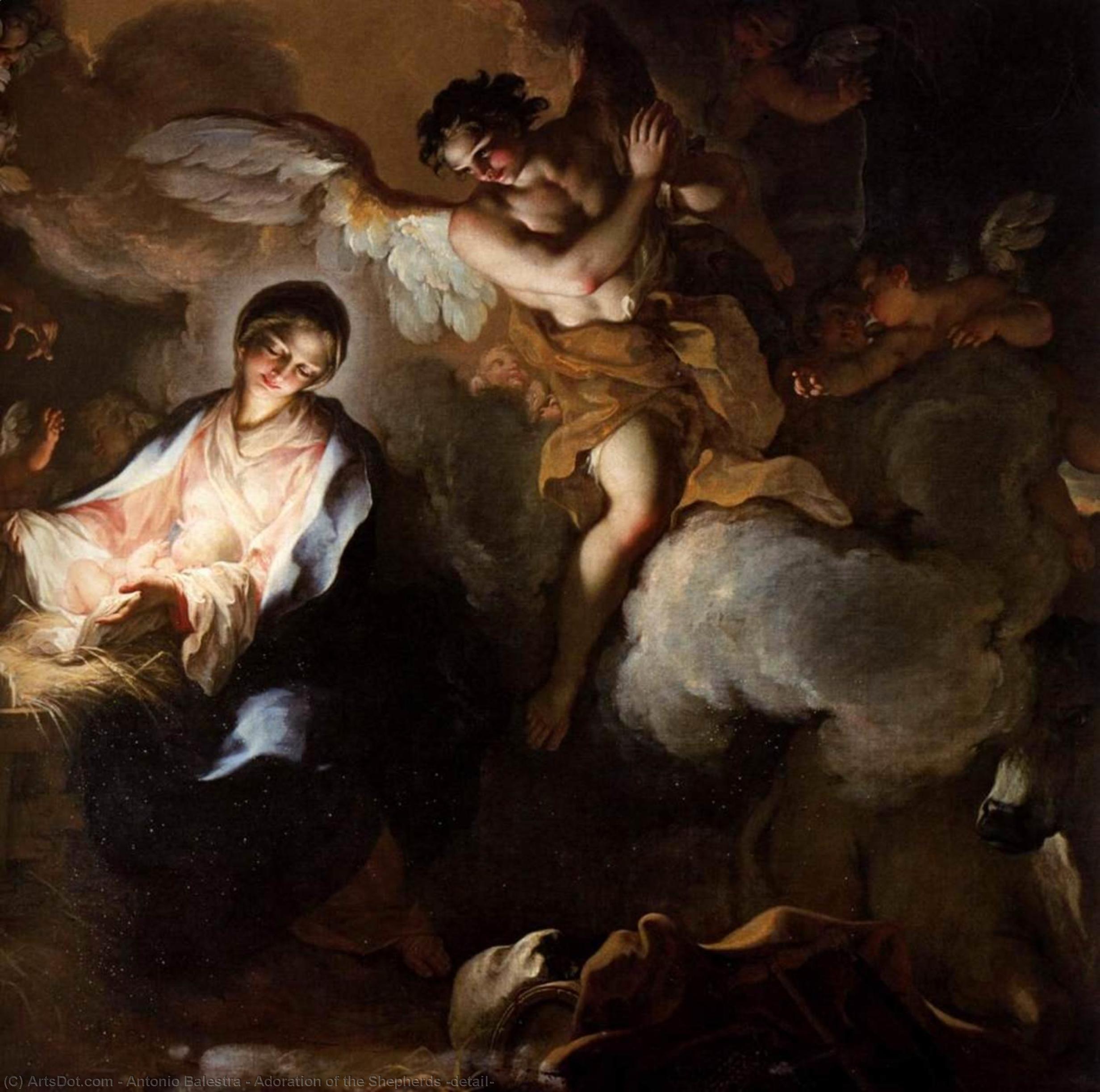
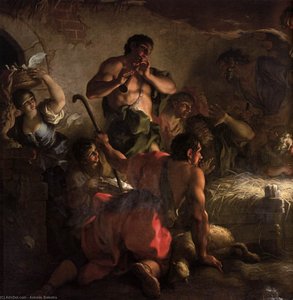
Adoration of the Shepherds (detail)


 詳細を見る
詳細を見る
オンラインプレビューをはるかに凌ぐ、高解像度で鮮明なデジタル画像をご購入いただけます。
各ファイルは、社内の専門家が高度なツールと熟練した手作業によるレタッチを用いて、細心の注意を払って準備されています。すべての画像において、卓越した鮮明度、正確な色彩再現性、そして繊細なディテールを保証いたします。
最終ファイルは、プロフェッショナルな編集・印刷環境ですぐにご利用いただけるよう最適化された状態で、72時間以内にメールにてお届けいたします。これは、一流のデザインスタジオ、出版社、ギャラリーから信頼されているものと同等の品質です。
デジタル画像のご注文に付随する特典
高品質なデジタル画像配信を、確かな品質で。
ArtsDot.com を選ぶことは、単に画像を手に入れることではありません。それは、プロの手によって精密に仕上げられ、満足保証が付いた高品質なデジタルアートワークを受け取ることを意味します。ご注文いただいた際に自動的に付随する内容は、以下の通りです:

メールですぐにお届け
ご注文から72時間以内に、高解像度のデジタル画像ファイルがメールでお手元に届きます。すぐにそのままご利用いただけます。

AI技術で最適化されたデジタルファイル
お客様の作品は、高度なAIツールと専門家による手作業の編集を組み合わせてプロフェッショナルに最適化されており、細部のディテール、鮮明さ、そして正確な色再現性を最大限に引き出しています。

一生涯無料の再送サービス
ファイルを誤って削除したり、紛失してしまったりしましたか?ご安心ください。いつでも無料で再送いたします。

輸入手数料は一切かかりません
関税や手数料、配送料を気にすることなく、お気に入りのアートワークをすぐにお楽しみいただけます。デジタルダウンロードは常に免税です。

色彩再現の保証
プロ仕様のツールとカラーマネジメント技術を用いることで、デジタル画像が元の色を最大限に忠実に再現することを保証いたします。

60日間満足保証
ご購入いただいたデジタル画像にご満足いただけない場合は、60日以内であれば、修正または100%の返金(理由を問う必要はありません)をさせていただきます。

100% 返金保証
ご満足いただけない場合は、デジタルファイルを受け取ってから60日以内であれば、理由を問わず全額返金いたします。

まとめ買い割引
3枚購入で10%OFF - 5枚購入で15%OFF - 10枚以上購入で20%OFF。クリエイティブなプロジェクト、ギャラリー、エージェンシーに最適です。
Antonio Balestra’s “Adoration of the Shepherds”: A Venetian Reverie
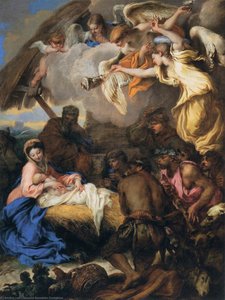
The painting "Adoration of the Shepherds," attributed to Antonio Balestra (1666–1740), stands as a testament to the flourishing Rococo style in Venice during its golden age. Executed around 1707, this monumental canvas—measuring approximately 564 x 261 centimeters—currently resides within the San Zaccaria church of Venice, offering visitors an intimate glimpse into a scene steeped in religious devotion and artistic innovation. Balestra’s oeuvre is characterized by a restrained elegance and meticulous attention to detail, reflecting the broader aesthetic sensibilities of his time.A Synthesis of Venetian Influence and Roman Classicism
Balestra's artistic journey began with formative apprenticeships under Giovanni Zeffio in Verona and Antonio Bellucci in Venice, establishing him firmly within the Venetian tradition. However, he swiftly embraced the influence of Carlo Maratta’s workshop in Rome, absorbing classical ideals and mastering academic painting techniques—a crucial element distinguishing his style from earlier Baroque expressions. This dual exposure resulted in a harmonious blend: Venetian color palettes infused with Roman compositional rigor, creating an atmosphere both luminous and balanced. The painting's backdrop is dominated by swirling clouds, skillfully rendered to convey depth and drama – a hallmark of Venetian artistic practice during the period.Detailed Technique and Symbolism
Balestra employed pen and brown ink with brush and washes to achieve remarkable textural nuance. He meticulously layered pigments—primarily red chalk—to sculpt forms with subtle gradations of tone, capturing the ethereal beauty of the celestial realm. The depiction of Mary cradling Jesus embodies the Virgin Mother archetype, symbolizing purity, compassion, and divine grace – motifs prevalent throughout Christian iconography. Surrounding her are angels, positioned in graceful poses that convey serenity and reverence. Each angel’s drapery is rendered with meticulous detail, demonstrating Balestra's mastery of Rococo ornamentation. The shepherds themselves kneel before the holy family, representing humility and faith—essential virtues celebrated during the liturgical season of Advent.Emotional Resonance and Artistic Legacy
“Adoration of the Shepherds” transcends mere visual representation; it communicates profound spiritual emotion. Balestra’s deliberate restraint – avoiding excessive embellishment – allows the viewer to contemplate the scene's solemn beauty and contemplate its symbolic significance. The painting exemplifies the Rococo’s preoccupation with idealized pastoral landscapes and serene religious narratives, reflecting a desire for harmony and contemplation amidst turbulent times. Balestra’s influence extended beyond Venice, shaping the artistic sensibilities of younger painters across Italy—a legacy cemented by his enduring masterpiece. Its presence in San Zaccaria continues to inspire awe and admiration, ensuring that Balestra's vision of divine grace persists as an emblem of Venetian artistic excellence.関連作品


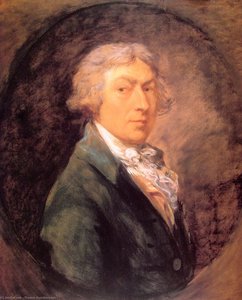
作家の略歴
Antonio Balestra: A Life in Rococo Art
Early Life and Training
Antonio Balestra (born August 12, 1666, Verona, Italy – died April 21, 1740) was a prominent Italian painter of the Rococo period. His artistic journey began with an apprenticeship under Giovanni Zeffio in his native Verona. This foundational training provided him with early skills in drawing and painting techniques.
Artistic Development & Influences
By 1690, Balestra moved to Venice, where he further honed his skills under the guidance of Antonio Bellucci for three years. He then traveled to Bologna and subsequently Rome, working in the workshop of the renowned Carlo Maratta. This exposure to different artistic centers and masters significantly shaped his style.
- Venetian Influence: His time in Venice instilled a sense of color and dramatic composition.
- Roman Classicism: Working with Maratta exposed him to classical ideals and academic rigor.
Career & Major Works
In 1694, Balestra achieved recognition by winning a prize from the Accademia di San Luca in Rome. He subsequently worked extensively in both Verona and Venice, though his influence was arguably stronger in mainland Italy.
- Religious Commissions: He received numerous commissions for religious paintings, including works for churches such as I Gesuiti and San Zaccaria in Venice, and Sant'Ignazio in Bologna.
- Notable Paintings: Some of his significant works include “Adoration of the Shepherds”, “Theseus Discovering his Father’s Sword,” and “The Death of Abel”.
Pupils & Artistic Legacy
Balestra was a respected teacher, and several notable artists studied under him. His pupils included Pietro Rotari and Giambettino Cignaroli in Verona, and Pietro Longhi, along with others like Mariotti, Giuseppe Nogari, Mattia Bortoloni, and Angelo Trevisani in Venice. He also influenced a young Giambattista Pittoni.
Artistic Style & Philosophical Stance
Balestra’s painting style is characterized by its adherence to academic standards and a somewhat conservative approach within the Rococo period. He was critical of what he perceived as a decline in artistic discipline, lamenting the tendency of contemporary painters to deviate from established principles.
“All the present evil derives from the pernicious habit…of working from the imagination without having first learned how to draw after good models,” he famously stated.Historical Significance
Antonio Balestra represents a transitional figure in Italian art, bridging the Baroque and Rococo periods. While embracing elements of the Rococo’s elegance and decorative flair, he remained committed to classical ideals and academic training. His work provides valuable insight into the artistic debates and evolving tastes of 18th-century Italy.

Antonio Balestra
1666 - 1740 , Italy
プロフィール概要
- Birth Date: 1666-08-12
- Birth Place: Verona, Italy
- Death Date: 1740-04-21
- Influenced:
- Pietro Rotari
- Giambettino Cignaroli
- Pietro Longhi
- Mariotti
- Giuseppe Nogari
- Mattia Bortoloni
- Angelo Trevisani
- Giambattista Pittoni
- Domenico Pecchio
- Domenico Bertini
- Carlo Salis
- Influenced By: Giovanni Zeffio, Antonio Bellucci, Carlo Maratta
- Movement: Rococo
- Name: Antonio Balestra
- Nationality: Italian
- Notable Works:
- Adoration of the Shepherds
- Theseus Discovering his Father's Sword
- The Death of Abel
- Virgin and Infant, with Saints Ignatius and Stanislaus Kostka

