

 プレビュー
プレビュー
 シェアする
シェアする シェアする
シェアする
 詳細を見る
詳細を見る

 ダウンロード
 似ている作品
 X線調査
X線調査 スライドショー
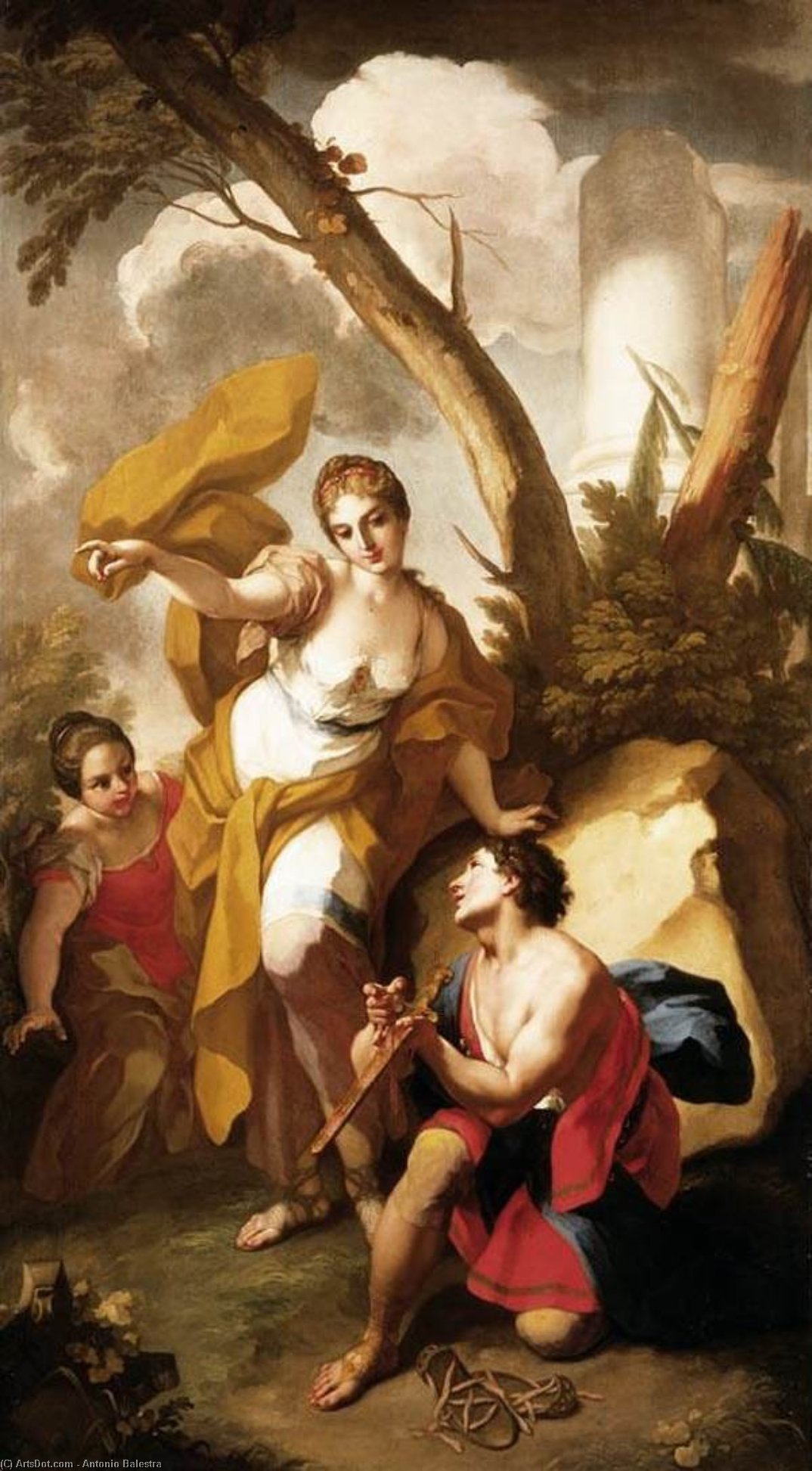
Theseus Discovering his Father's Sword
 287.0 x 159.0 cm
 詳細を見る
詳細を見る
ジークレー/アートプリント
迅速な制作と多彩な仕上げオプションを備えた、ミュージアムクオリティのジークレーまたはキャンバスプリント。 ( 手描きの絵画を購入 画像を購入)




































作品のオリジナル比率に合わせた、当店の規定サイズからお選びください。

特定のフレームやスペースに合わせて、ご自身でサイズを指定することも可能です。選択されたサイズが元の画像の比率と一致しない場合、作品をトリミングするか、鏡面反射または単色での塗りつぶしによって画像を拡張いたします。制作を開始する前に、ご確認用のデジタルモックアップをお送りいたします。
画面上のプレビューには、実際のトリミングや拡張は反映されませんのでご注意ください。最終的な構図を正確に確認できるのは、モックアップのみとなります。
カスタムサイズも承っておりますが、元の比率を維持するためには、あらかじめ用意されたリストからサイズを選択することをお勧めいたします。


 ガラスオプションは、110cm未満のサイズでのみご利用いただけます。

Theseus Discovering his Father's Sword
ジークレー/アートプリント
複製画のサイズ
-


合計金額
$ 62
関連作品








アーティストの略歴
Antonio Balestra: A Life in Rococo Art
Early Life and Training
Antonio Balestra (born August 12, 1666, Verona, Italy – died April 21, 1740) was a prominent Italian painter of the Rococo period. His artistic journey began with an apprenticeship under Giovanni Zeffio in his native Verona. This foundational training provided him with early skills in drawing and painting techniques.
Artistic Development & Influences
By 1690, Balestra moved to Venice, where he further honed his skills under the guidance of Antonio Bellucci for three years. He then traveled to Bologna and subsequently Rome, working in the workshop of the renowned Carlo Maratta. This exposure to different artistic centers and masters significantly shaped his style.
- Venetian Influence: His time in Venice instilled a sense of color and dramatic composition.
- Roman Classicism: Working with Maratta exposed him to classical ideals and academic rigor.
Career & Major Works
In 1694, Balestra achieved recognition by winning a prize from the Accademia di San Luca in Rome. He subsequently worked extensively in both Verona and Venice, though his influence was arguably stronger in mainland Italy.
- Religious Commissions: He received numerous commissions for religious paintings, including works for churches such as I Gesuiti and San Zaccaria in Venice, and Sant'Ignazio in Bologna.
- Notable Paintings: Some of his significant works include “Adoration of the Shepherds”, “Theseus Discovering his Father’s Sword,” and “The Death of Abel”.
Pupils & Artistic Legacy
Balestra was a respected teacher, and several notable artists studied under him. His pupils included Pietro Rotari and Giambettino Cignaroli in Verona, and Pietro Longhi, along with others like Mariotti, Giuseppe Nogari, Mattia Bortoloni, and Angelo Trevisani in Venice. He also influenced a young Giambattista Pittoni.
Artistic Style & Philosophical Stance
Balestra’s painting style is characterized by its adherence to academic standards and a somewhat conservative approach within the Rococo period. He was critical of what he perceived as a decline in artistic discipline, lamenting the tendency of contemporary painters to deviate from established principles.
“All the present evil derives from the pernicious habit…of working from the imagination without having first learned how to draw after good models,” he famously stated.Historical Significance
Antonio Balestra represents a transitional figure in Italian art, bridging the Baroque and Rococo periods. While embracing elements of the Rococo’s elegance and decorative flair, he remained committed to classical ideals and academic training. His work provides valuable insight into the artistic debates and evolving tastes of 18th-century Italy.
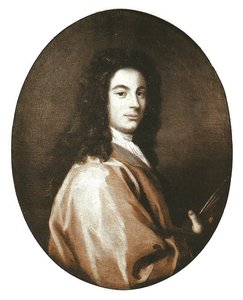
Antonio Balestra
1666 - 1740 , Italy
基本情報
- Birth Date: 1666-08-12
- Birth Place: Verona, Italy
- Death Date: 1740-04-21
- Influenced:
- Pietro Rotari
- Giambettino Cignaroli
- Pietro Longhi
- Mariotti
- Giuseppe Nogari
- Mattia Bortoloni
- Angelo Trevisani
- Giambattista Pittoni
- Domenico Pecchio
- Domenico Bertini
- Carlo Salis
- Influenced By: Giovanni Zeffio, Antonio Bellucci, Carlo Maratta
- Movement: Rococo
- Name: Antonio Balestra
- Nationality: Italian
- Notable Works:
- Adoration of the Shepherds
- Theseus Discovering his Father's Sword
- The Death of Abel
- Virgin and Infant, with Saints Ignatius and Stanislaus Kostka

