 プレビュー
プレビュー
 プリントを購入
 シェアする
シェアする シェアする
シェアする
 詳細を見る
詳細を見る

 ダウンロード
 似ている作品
 X線調査
X線調査 スライドショー
壁画断片


 詳細を見る
詳細を見る




P118B $10

P118H $10

P118W $10

P438Z $10

P508JH $12

P508YH $12

P805H $10

P805Z $10

P919BZ $10

P919G $10

P919XJ $10

P959ZH $10

P968JZ $12

W106C $8

W218G $10

W218JH $8

W218Y $10

W307PJ $10

W316G $10

W316PJ $8

W316Y $10

W398PJ $8

W4111J $10

W500HY $15

W500JH $15

W692G $12

W849H $8

W940BG $15

W953PJ $8




作品のオリジナル比率に合わせた、当店の規定サイズからお選びください。

特定のフレームやスペースに合わせて、ご希望のサイズをご入力いただけます。選択されたサイズが元の画像の比率と異なる場合、アートワークをトリミングするか、手描きで要素を追加して絵画を拡張いたします。デジタルモックアップ を制作し、制作開始前にご確認(承認)をいただきます。
画面上のプレビューは、実際のトリミングや拡張を正確に反映しているものではありません。最終的な構図は、モックアップによってのみ正確にご確認いただけます。
カスタムサイズもご利用いただけますが、元の比率を維持するためには、あらかじめ用意されたリストからサイズを選択することをお勧めいたします。
ご注文後、ArtsDot.com チームより詳細な指示をお送りするとともに、仕上がりイメージ(モックアップ)をご提供いたします。


 ガラスオプションは、110cm未満のサイズでのみご利用いただけます。

壁画断片
複製技法
複製画のサイズ
-


合計金額
$ 313
作品解説
アントニオ・ボシオの壁画断片:イタリアン・バロックの神秘と技術への探求
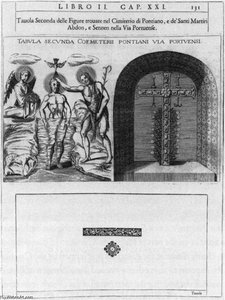
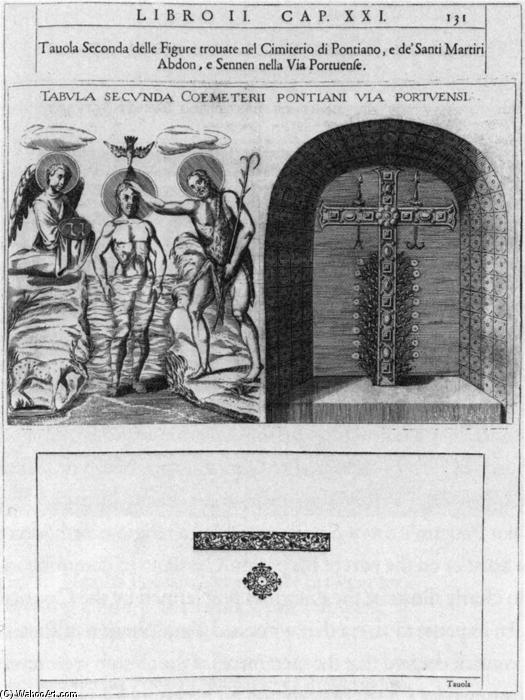
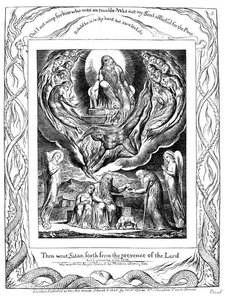
ローマにおける地下聖堂の発見者として知られるアントニオ・ボシオは、16世紀イタリアで活躍した学者であり、芸術家でした。彼の作品は特に宗教的なテーマを扱い、当時の美術界に大きな影響を与えました。この壁画断片は、その卓越した技術と繊細な表現力によって今なお多くの人々を魅了しています。- 作品の概要: この黒白レプリカは、イタリアで活躍した芸術家アントニオ・ボシオによる1632年の壁画断片です。聖職者の姿が描かれたアーチ型のニッチや扉のような建築構造の中に配置され、初期のグラフィック技法を彷彿とさせる濃密なハッチングとクロスハッチングによって色の変化と形状を表現しています。このスタイルは、当時の宗教絵画における伝統的な手法であり、聖職者の信仰心を反映しています。
- 構成: 壁画は明確に分割されています。画面の上部には大きな十字架を中心とした主要な物語シーンが描かれ、その下には小さな詳細な要素や建築構造の描写があります。画面全体を囲う矩形枠にはイタリア語でテキストが記載されており、このテキストは作品のテーマと歴史的な背景を補強しています。
- 色彩: この壁画はモノクロであり、光と影を表現するためにさまざまなグレーのトーンを使用しています。鮮やかな色は一切含まれておらず、色の変化によって奥行きと立体感を効果的に演出しています。この技法は当時の美術家が宗教的なテーマを表現する上で重視した点です。
- 線: 線は壁画における最も重要な要素です。濃密なハッチングとクロスハッチングは形状を定義し、テクスチャを作り出し、ボリューム感を表現するために広範囲に用いられています。細い線は人物の衣装や建築構造の詳細を描き出しており、その繊細さが当時の技術者の卓越した腕前を示しています。
- 形状: 壁画は有機的な形状と幾何学的な形状を組み合わせています。聖職者の姿は自然な曲線を持つ一方で、建築構造は矩形やアーチなどの直線的なパターンを取り入れています。これらの形状は当時の美術家が宗教的なテーマを表現する上で重視した要素であり、神聖さを象徴しています。
技術と技法:ハッチングによる立体感の表現
この壁画断片におけるテクスチャは主に線技法によって表現されています。濃密なハッチングは岩や十字架などの表面に粗さを暗示し、人物の皮膚など他の要素には滑らかな質感を与えています。ハッチングとクロスハッチングは当時の美術家が立体感を表現するために用いられた基本的な技術であり、その精度と繊細さが壁画全体の美しさを支えています。この技法は特に初期のグラフィック技法において重要な役割を果たしており、当時の美術家の技術力を証明しています。歴史的背景と象徴性:ローマにおける地下聖堂の発見
アントニオ・ボシオのローマにおける地下聖堂は、16世紀イタリアで大きな衝撃を与えました。彼はカトリック教会に勤務する学者でありながら、同時に地下ローマを探索した最初の人物として知られています。「コロンブスのような地下都市」と称されるこの場所は、当時の美術家にとって新たなインスピレーションの源泉となりました。ボシオは聖職者の信仰心を表現するために壁画を用い、その技術と芸術性を追求しました。彼の作品は当時の宗教的な価値観を反映しており、現代の人々にも感動を与えます。特に十字架のモチーフはキリスト教における信仰の中心であり、この壁画断片は当時の美術家が神聖さを象徴する上で重視した要素です。芸術家の遺産:ボシオのローマにおける地下聖堂
アントニオ・ボシオのローマにおける地下聖堂は、イタリア美術史において重要な位置を占めています。彼の著作はカトリック教会に大きな影響を与え、その後の美術家たちに新たな視点を提供しました。この壁画断片はボシオの芸術的な遺産を代表しており、彼の技術と表現力は今なお多くの人々を魅了しています。彼の作品は当時の宗教的な価値観を反映しており、現代の人々にも感動を与えます。この壁画断片はイタリア美術史における重要な記録であり、その技術と芸術性は後世に大きな影響を与えました。関連作品

アーティストの略歴
A Life Dedicated to Unearthing the Sacred Past
Antonio Bosio, born in Valletta, Malta around 1575, was a figure whose life transcended the typical boundaries of artistic practice. While often remembered as a painter, his true legacy lies in his pioneering archaeological work—specifically, his meticulous and passionate exploration of the Roman catacombs. Bosio’s story is one of dedication, intellectual curiosity, and a profound desire to connect with the early Christian world. His family background remains somewhat shrouded in mystery; historical accounts suggest a complex lineage involving a father bound by religious vows and a mother who may have been a North African slave or servant. This personal ambiguity perhaps fueled his lifelong fascination with hidden histories and marginalized narratives.
Bosio’s journey to Rome as a child marked a turning point in his life. He quickly became integrated into the circles of the Knights of Malta, eventually serving as their agent within the city. However, it was not through diplomatic duties that he found his calling but through an insatiable thirst for knowledge about the ancient world beneath his feet. In 1593, he embarked on a systematic study of the catacombs—a network of subterranean burial places used by early Christians and Jews. This undertaking was revolutionary for its time; previous explorations had been sporadic and largely undocumented. Bosio approached the task with an almost scientific rigor, meticulously mapping tunnels, documenting frescoes, and collecting artifacts.
The Roma Sotterranea: A Monumental Publication
Bosio’s most enduring achievement is undoubtedly his *Roma Sotterranea*, a comprehensive account of his catacomb explorations. Published posthumously in 1634, the work represents a monumental effort to preserve and disseminate knowledge about early Christian art and history. The publication wasn't merely a descriptive catalog; it was an attempt to reconstruct the spiritual and cultural landscape of Rome’s earliest communities. The engravings within *Roma Sotterranea* are particularly noteworthy for their detail and accuracy, providing invaluable visual documentation of frescoes that have since deteriorated or been lost. Bosio’s line work captures not only the physical form of the paintings but also a sense of the atmosphere—the dim light, the damp stone, the weight of centuries.
The creation of *Roma Sotterranea* was a painstaking process. Bosio faced numerous challenges, including limited access to certain catacombs, the logistical difficulties of working in subterranean environments, and the lack of established archaeological techniques. He relied heavily on his own observations, supplemented by information gathered from local informants and existing historical sources. The publication’s impact was immediate and far-reaching; it became a standard reference work for scholars and artists alike, shaping perceptions of early Christian art for generations to come.
Artistic Style & Religious Context
While primarily known as an archaeologist, Bosio was also a skilled painter. His artistic style reflects the influence of the Baroque movement—characterized by dramatic compositions, rich colors, and a heightened sense of emotion. He specialized in wall paintings, often depicting religious scenes with a focus on martyrdom and divine intervention. His work can be found in various churches and chapels around Valletta, showcasing his mastery of fresco technique and his ability to convey complex theological concepts through visual imagery.
Bosio’s artistic endeavors were deeply intertwined with his archaeological pursuits. His study of early Christian art informed his own painting style, leading him to incorporate elements of ancient iconography and symbolism into his compositions. He sought to create works that not only celebrated the faith but also evoked a sense of spiritual awe and reverence. The religious context of Bosio’s life—his association with the Knights of Malta and his dedication to uncovering the sacred past—played a crucial role in shaping his artistic vision.
Legacy & Historical Significance
Antonio Bosio's contribution extends beyond the realm of art history; he is considered a foundational figure in the development of modern archaeology. His systematic approach to excavation, documentation, and publication set a new standard for archaeological research. He was among the first to recognize the importance of preserving cultural heritage and making it accessible to a wider audience.
- Pioneering Methodology: Bosio’s meticulous mapping and documentation techniques laid the groundwork for future archaeological investigations.
- Preservation of Early Christian Art: *Roma Sotterranea* provided invaluable visual records of frescoes that have since been lost or damaged.
- Influence on Scholarship & Art: His work became a standard reference for scholars and artists, shaping perceptions of early Christian art for centuries.
- Connecting Past & Present: Bosio’s dedication to uncovering the sacred past fostered a deeper understanding of Rome’s cultural heritage.
Though his life was cut short in 1629, Antonio Bosio left an indelible mark on the world. He remains a testament to the power of intellectual curiosity, unwavering dedication, and the enduring human desire to connect with the stories of those who came before us. His legacy continues to inspire archaeologists, art historians, and anyone fascinated by the mysteries of the past.
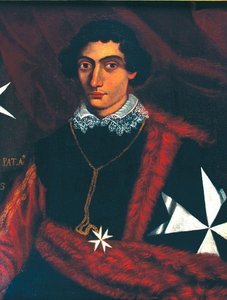
antonio bosio
1575 - 1629 , Malta
基本情報
- Artistic Movement Or Style: Baroque Painting
- Artists Or Movements Influenced By This Artist: ['Giovanni Battista de Rossi']
- Artists Who Influenced This Artist: ['']
- Date Of Birth: c. 1575 Malta
- Date Of Death: 1629 Roma
- Full Name: Antonio Bosio
- Nationality: Maltese
- Notable Artworks: ['Roma Sotterranea']
- Place Of Birth: Valletta Malta
関連記事
Engraving's Golden Age: 10 Masterpieces That Redefined Art | ArtsDot
Journey through art history with our Top 10 Legendary Engravings! Explore masterpieces by Dürer, Rembrandt & Goya. Discover the stories behind these iconic prints and find museum-quality reproductions for your home at ArtsDot.com.
Engraving: A Historical Survey of Technique, Artistic Expression & Enduring Legacy
Explore the rich history of engraving with ArtsDot. Discover techniques, iconic artists like Dürer & Callot, collecting tips, and expert guidance for preserving your art investment. Learn about intaglio printing & more!

The Intricate World of Engraving: A Historical Survey of Technique, Artistic Expression & Enduring Legacy
Explore the rich history of engraving with ArtsDot. Discover techniques, iconic artists like Dürer & Callot, collecting tips, and expert guidance for preserving your art investment. Learn about intaglio printing & more!

バロックのドラマ:現代のインテリアに壮麗さと情感を取り込む
バロック様式の歴史、絵画、家具の魅力をご紹介。ArtsDotでは、高品質な油絵複製やカスタムポートレートをご提供し、現代のインテリアに壮麗さと情感を取り入れます。アートコンサルテーションも承ります。

The Dramatic Flourish: Exploring the Baroque Movement's Enduring Legacy in Art History
Explore the dramatic world of Baroque art! Discover iconic artists like Caravaggio & Rubens, defining techniques, and its lasting impact on art history. Expert insights for collectors & enthusiasts at ArtsDot.