

 プレビュー
プレビュー
 シェアする
シェアする シェアする
シェアする
 詳細を見る
詳細を見る

 ダウンロード
 似ている作品
 X線調査
X線調査 スライドショー
 Stats
StatsThe Martyrdom of St Lawrence
 Oil
Oil- WallArt
- Mannerism
 1581
1581- Renaissance
 28.0 x 19.0 cm
 San Paolo Converso
 詳細を見る
詳細を見る
オンラインプレビューをはるかに凌ぐ、高解像度で鮮明なデジタル画像をご購入いただけます。
各ファイルは、社内の専門家が高度なツールと熟練した手作業によるレタッチを用いて、細心の注意を払って準備されています。すべての画像において、卓越した鮮明度、正確な色彩再現性、そして繊細なディテールを保証いたします。
最終ファイルは、プロフェッショナルな編集・印刷環境ですぐにご利用いただけるよう最適化された状態で、72時間以内にメールにてお届けいたします。これは、一流のデザインスタジオ、出版社、ギャラリーから信頼されているものと同等の品質です。
デジタルアート
個人での鑑賞、印刷、クリエイティブなプロジェクト用に、高解像度ファイルをダウンロードできます。 ( Switch to Print 手描きの絵画を購入)
デジタル画像のご注文に付随する特典
高品質なデジタル画像配信を、確かな品質で。
ArtsDot.com を選ぶことは、単に画像を手に入れることではありません。それは、プロの手によって精密に仕上げられ、満足保証が付いた高品質なデジタルアートワークを受け取ることを意味します。ご注文いただいた際に自動的に付随する内容は、以下の通りです:

メールですぐにお届け
ご注文から72時間以内に、高解像度のデジタル画像ファイルがメールでお手元に届きます。すぐにそのままご利用いただけます。

AI技術で最適化されたデジタルファイル
お客様の作品は、高度なAIツールと専門家による手作業の編集を組み合わせてプロフェッショナルに最適化されており、細部のディテール、鮮明さ、そして正確な色再現性を最大限に引き出しています。

一生涯無料の再送サービス
ファイルを誤って削除したり、紛失してしまったりしましたか?ご安心ください。いつでも無料で再送いたします。

輸入手数料は一切かかりません
関税や手数料、配送料を気にすることなく、お気に入りのアートワークをすぐにお楽しみいただけます。デジタルダウンロードは常に免税です。

色彩再現の保証
プロ仕様のツールとカラーマネジメント技術を用いることで、デジタル画像が元の色を最大限に忠実に再現することを保証いたします。

100日間満足保証
ご購入いただいたデジタル画像にご満足いただけない場合は、100日以内であれば、理由を問わず修正または100%の返金対応をさせていただきます。

100% 返金保証
ご満足いただけない場合は、デジタルファイルを受け取ってから100日以内であれば、理由を問わず全額返金いたします。

まとめ買い割引
3枚購入で10%OFF - 5枚購入で15%OFF - 10枚以上購入で20%OFF。クリエイティブなプロジェクト、ギャラリー、エージェンシーに最適です。
A Vision of Devotion and Drama
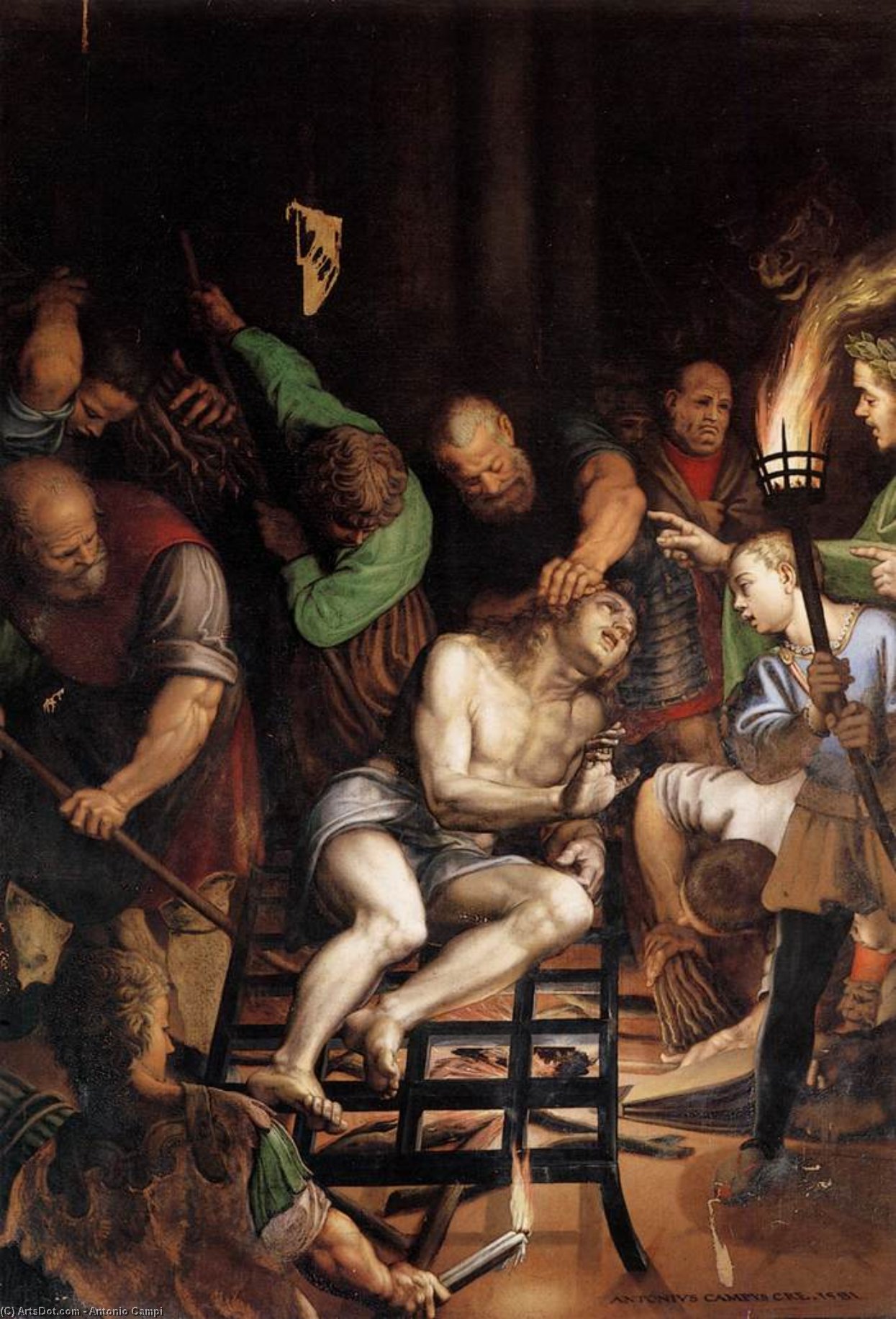
In the profound stillness of 1581, Antonio Campi captured a moment of unparalleled spiritual intensity in his masterpiece, The Martyrdom of St. Lawrence. This evocative work serves as a window into the late Renaissance, specifically the sophisticated Cremonese school, where the raw realism of Lombardy meets the elegant, elongated grace of Mannerism. The painting depicts the harrowing final moments of the early Christian deacon, presenting a scene that is as much about the triumph of faith as it is about the physical agony of sacrifice. As the viewer gazes upon the composition, they are immediately drawn into a room thick with tension, where every shadow and light play contributes to a narrative of profound courage.
The composition is masterfully orchestrated to guide the eye through a landscape of both violence and sanctity. At the heart of the drama sits St. Lawrence, bound to his chair, facing the instruments of his torment. Campi utilizes a sophisticated technique to balance the chaotic energy of the executioners with a sense of divine presence. The placement of secondary figures—some watching in grim determination, others positioned in the periphery—creates a layered depth that makes the viewer feel like an unobserved witness to history. Small, symbolic details, such as the delicate presence of birds and the sharp glint of a knife, serve to ground the spiritual event in a tangible, earthly reality, reminding us of the fragility of life amidst the permanence of belief.
The Mastery of the Cremonese School
To understand this work is to understand the legacy of Antonio Campi, a cornerstone of the Italian Renaissance. As part of a prolific family workshop, Campi brought a unique stylistic synthesis to his canvases. In The Martyrdom of St. Lawrence, one can observe his ability to blend meticulous detail with an atmospheric, almost theatrical, use of light. The textures of the fabric, the coldness of the metal, and the visceral emotion etched upon the faces are hallmarks of his training. This painting is not merely a historical record; it is a technical triumph that showcases how light can be used to sculpt form and evoke a sense of divine intervention within a dark, terrestrial setting.
For the discerning collector or interior designer, this piece offers more than just aesthetic beauty; it provides a profound emotional anchor for any space. The dramatic chiaroscuro and the rich, historical narrative make it an ideal centerpiece for rooms designed to inspire contemplation and conversation. Whether placed in a private gallery or a sophisticated study, a high-quality reproduction of this work brings with it the weight of history and the timeless elegance of the Italian Renaissance. It is a piece that commands attention, inviting all who encounter it to reflect on the enduring power of conviction and the exquisite artistry of the masters.
関連作品
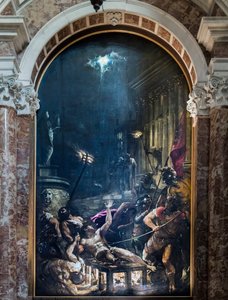
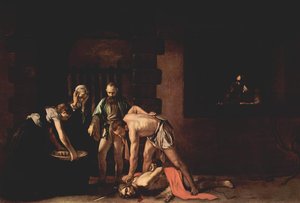
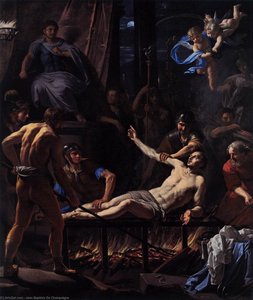
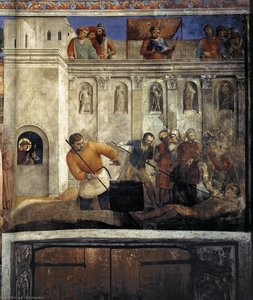
作家の略歴
The Cremonese Master: Antonio Campi and the Flourishing of a Family School
Antonio Campi, born in Cremona around 1523 and passing away in his native city in 1587, stands as a pivotal figure within the Italian Renaissance. He wasn’t merely an artist; he was the cornerstone of a vibrant family workshop that profoundly shaped the artistic landscape of Cremona and its surrounding regions. His name is synonymous with a unique blend of Lombard realism and the elegant stylization of Mannerism, creating works imbued with both earthly detail and spiritual grace. The Campi family—Galeazzo, Giulio, Antonio himself, and Vincenzo—operated as a collective force, their collaborative spirit and individual talents establishing what became known as the Cremonese school of painting.Early Life and Formation: A Family Legacy
The story of Antonio Campi is inextricably linked to that of his family. His father, Galeazzo Campi, initiated the artistic tradition, laying the groundwork for a dynasty of painters. While details surrounding Antonio’s earliest training remain somewhat elusive, it's clear he absorbed the foundational principles from his father and brother, Giulio. The influence of Boccaccio Boccaccini is also noted in Galeazzo’s work, suggesting an early exposure to diverse artistic currents. The north Italian context was crucial; unlike Florence or Rome, Cremona benefited from a confluence of influences—Venetian colorism, Flemish precision, and the burgeoning Mannerist aesthetic—all of which found expression within the Campi workshop. This environment fostered a distinctive style characterized by robust figures, meticulous observation of everyday life, and an increasing sophistication in composition. Antonio’s initial works closely mirrored those of his brother Giulio, demonstrating a shared artistic vocabulary rooted in realism but gradually evolving towards more individualized expressions.A Style Defined: Lombard Realism Meets Mannerist Elegance
Antonio Campi's mature style is marked by a compelling synthesis of seemingly disparate elements. He inherited the Lombard tradition’s commitment to depicting tangible reality—the textures of fabrics, the weight of bodies, the play of light on surfaces—but infused it with the refined elegance and compositional complexity characteristic of Mannerism. His paintings are not simply representations; they are carefully constructed narratives that engage the viewer both intellectually and emotionally. A key aspect of his work is the dynamic interplay between figures and space. He masterfully employed dramatic lighting, often highlighting focal points and creating a sense of theatricality. Religious subjects dominate his oeuvre, but even these works are imbued with a humanistic sensibility, portraying saints and biblical figures as relatable individuals rather than distant icons. His palette, while rooted in the rich colors of Venetian painting, is tempered by a more restrained approach, emphasizing clarity and balance.Major Achievements and Artistic Contributions
Throughout his career, Antonio Campi produced an impressive body of work that includes altarpieces, frescoes, and easel paintings. The “Martyrdom of Saint Lawrence” (1581) stands as a testament to his mastery of dramatic composition and emotional intensity. The painting’s intricate details, dynamic figures, and powerful use of light create a compelling visual narrative. Equally significant is the "Virgin and Child with Saints" (1587), a Baroque masterpiece showcasing rich detail and symbolic religious art. Beyond these iconic works, Campi's numerous altarpieces for churches in and around Cremona demonstrate his prolific output and enduring popularity. He wasn’t solely focused on grand-scale compositions; his smaller devotional paintings reveal a sensitivity to intimate moments of faith and human connection. Importantly, Antonio was also an accomplished draftsman, leaving behind a wealth of studies that offer insights into his artistic process and meticulous attention to anatomical detail.Legacy and Historical Significance
Antonio Campi’s influence extended far beyond the confines of his workshop. He trained numerous pupils—including Galeazzo Ghidoni, Ippolito Storto, Giovanni Battista Belliboni, and Giovanni Paolo Fondulo—who carried on the Cremonese tradition, disseminating his style throughout Lombardy and beyond. The Campi family’s collective achievements established Cremona as a significant artistic center during the Renaissance. His work represents a fascinating intersection of artistic currents, bridging the gap between the robust realism of the earlier Lombard school and the more refined elegance of Mannerism. He successfully integrated these seemingly contrasting styles, creating a unique visual language that resonated with his contemporaries and continues to captivate audiences today. While perhaps not as widely celebrated as some of his Florentine or Roman counterparts, Antonio Campi’s contribution to Italian Renaissance art is undeniable—a testament to the power of family collaboration, artistic innovation, and a deep commitment to both technical skill and emotional expression.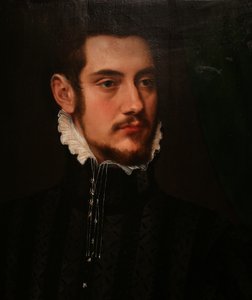
Antonio Campi
1524 - 1587 , Italy
プロフィール概要
- Artistic Movement Or Style: Renaissance; Lombard & Mannerist
- Artists Or Movements Influenced By This Artist:
- Ghidoni
- Storto
- Belliboni
- Fondulo
- Artists Who Influenced This Artist:
- Giulio Campi
- Bernardino Campi
- Correggio
- Parmigianino
- Romano
- Date Of Birth: 1524
- Date Of Death: 1587
- Full Name: Antonio Campi
- Nationality: Italian
- Notable Artworks:
- Titus Manlius Torquatus
- The Martyrdom of St Lawrence
- Virgin and Child with Saints
- Place Of Birth: Cremona, Italy