

 シェアする
シェアする シェアする
シェアする
 詳細を見る
詳細を見る

 ダウンロード
 似ている作品
 スライドショー
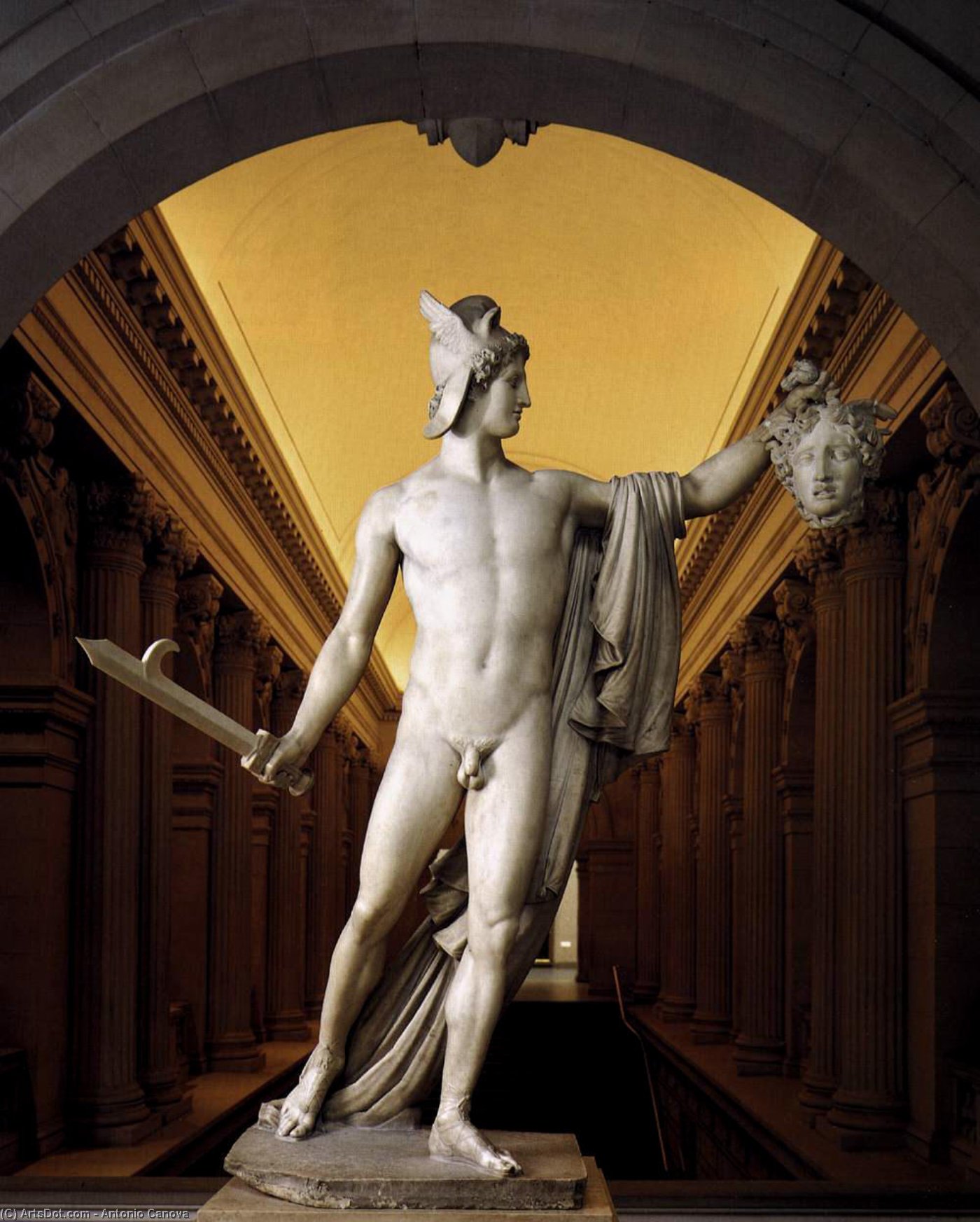
Perseus with the Head of Medusa


 詳細を見る
詳細を見る
ジークレー/アートプリント
迅速な制作と多彩な仕上げオプションを備えた、ミュージアムクオリティのジークレーまたはキャンバスプリント。 ( 手描きの絵画を購入 画像を購入)




































作品のオリジナル比率に合わせた、当店の規定サイズからお選びください。

特定のフレームやスペースに合わせて、ご自身でサイズを指定することも可能です。選択されたサイズが元の画像の比率と一致しない場合、作品をトリミングするか、鏡面反射または単色での塗りつぶしによって画像を拡張いたします。制作を開始する前に、ご確認用のデジタルモックアップをお送りいたします。
画面上のプレビューには、実際のトリミングや拡張は反映されませんのでご注意ください。最終的な構図を正確に確認できるのは、モックアップのみとなります。
カスタムサイズも承っておりますが、元の比率を維持するためには、あらかじめ用意されたリストからサイズを選択することをお勧めいたします。


 ガラスオプションは、110cm未満のサイズでのみご利用いただけます。

Perseus with the Head of Medusa
ジークレー/アートプリント
複製画のサイズ
-


合計金額
$ 62
The Triumph of Heroism in Marble
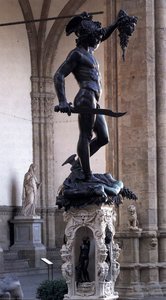
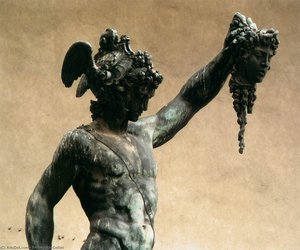
To stand before Antonio Canova's "Perseus with the Head of Medusa" is to encounter not merely a sculpture, but a frozen moment of mythic apotheosis. Carved from luminous marble, this work captures the very essence of classical heroism—the perilous intersection where divine destiny meets mortal courage. The narrative power emanating from the piece is palpable; one can almost hear the echoes of battle and the breathless tension preceding ultimate victory. Canova, the undisputed master of Neoclassicism, did not just carve stone; he breathed life into legend, presenting a figure caught in the aftermath of an act both terrifying and sublime.
Neoclassical Mastery and Technical Brilliance
Canova’s technical prowess is breathtaking. The marble itself seems to possess an inner warmth, allowing the musculature of Perseus to appear both idealized and intensely real. Observe the drapery falling from his form; it clings and flows with a studied grace that speaks volumes about the artist's understanding of weight and movement. Yet, the true genius lies in the contrast: the polished perfection of the hero juxtaposed against the gruesome, yet strangely beautiful, trophy held aloft—the severed head of Medusa. This juxtaposition is handled with such delicate skill that the horror never overwhelms the artistry; instead, it becomes an integral part of the narrative beauty.
Symbolism and Mythic Resonance
The subject matter itself is steeped in potent symbolism. Perseus, the slayer of Medusa, embodies humanity's capacity to confront primal fear with intellect and bravery. Medusa’s head, traditionally depicted as a source of petrifying gaze, here becomes an object of conquest, transforming deadly threat into artistic testament. For the modern admirer, this piece speaks to overcoming one's own internal monsters—the fears, doubts, or challenges that threaten to turn life itself to stone. It is a timeless meditation on vigilance and the necessary violence required for self-actualization.
A Statement for the Modern Collector
For those who appreciate art as an anchor of culture and history, this reproduction offers more than mere decoration; it offers conversation. Placing such a piece in a grand foyer or a richly appointed drawing room immediately elevates the space, lending it an air of cultivated antiquity and enduring taste. It speaks to a connoisseurship that values narrative depth alongside flawless execution. Owning a representation of "Perseus with the Head of Medusa" is to curate a corner of your life dedicated to myth, beauty, and the unwavering spirit of human achievement.
関連作品
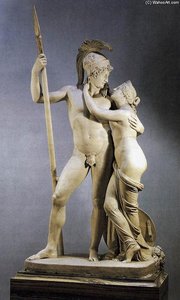
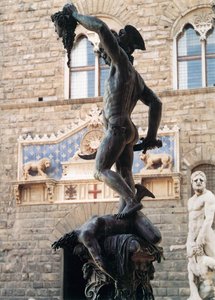
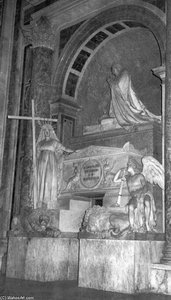
アーティストの略歴
アントニオ・カノーヴァ:大理石に刻まれた生涯
- 生誕: イタリア、ポッサーニョ(1757年)
- 没年: 1822年
アントニオ・カノーヴァは、西洋美術史における不滅の巨星であり、新古典主義彫刻の頂点に立つ人物として広く知られています。大理石を自在に操る卓越した技術と、古典的な造形の中に深い感情を吹き込む類まれな才能は、彼を史上最も偉大な芸術家の一人へと押し上げました。イタリアのポッサーニョにて、石工であったピエトロ・カノーヴァの息子として生まれた彼の幼少期は、常に芸術的な息吹に満たされた環境の中にありました。
幼少期と修練の道
- 家族の背景: 父の職業を通じて石彫の基礎に触れる機会を得た彼は、祭壇や低浮彫を専門としていた祖父パシーノ・カノーヴァの指導を受け、その才能を育む重要な役割を果たしました。
- 芸術的才能の開花: わずか10歳にも満たない頃から、カノーヴァは驚くべき技量を見せ、自らの天賦の才を象徴するような小さな大理石の祭壇を制作していました。その後、ジュゼッペ・ベルナルディ(通称トルレット)やジョヴァンニ・フェラーリに師事し、その技術をさらに磨き上げました。
- アカデミーでの研鑽: ヴェネツィア美術アカデミーでの学びは数々の賞をもたらし、有望な若手芸術家としての地位を確固たるものにしました。修道院内の工房は、彼が自らの技を深めるための貴重な研鑽の場となりました。
- 初期の依頼作品: ジョヴァンニ・ファリエール元老院議員のために制作された「オルフェウスとエウリュディケ」の彫像(1775-1777年)などの初期作品には、後の新古典主義的な洗練へと繋がる、ロココ様式の萌芽が見て取れます。
隆盛と新古典主義の確立
- 新古典主義の定義: カノーヴァの作品は、優雅なフォルム、理想化された人物像、そして古代ギリシャ・ローマの美学への回帰を特徴としています。彼はバロック美術特有の過剰なドラマを巧みに避けつつ、初期の古典復興運動に見られた冷徹さをも克服することに成功しました。
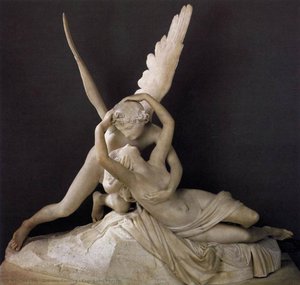
- 主要作品と称賛: キューピッドとプシュケ(1787-1793年頃)、悔悛するマグダラのマリア、<模範的なヘラクレスとリカスといった傑作は、ヨーロッパ全土に彼の名を轟かせました。その作品は王侯貴族の間で熱狂的に求められました。
- 名声の広がり: カノーヴァは戦略的に自身のキャリアを築きました。自作のエングレービング(版画)の出版や、石膏模型を大理石へと置き換える手法を用いることで、自らの芸術を広く世界へと伝播させたのです。
- 国際的な評価: ローマ駐在ヴェネツィア大使ジュリアーノ・ズリアンへの依頼による「テセウスとミノタウロス」をはじめ、ヨーロッパ各地からの依頼が相次ぎ、彼は大陸で最も名高い芸術家としての地位を不動のものにしました。
主要な作品群とその遺産
- 特筆すべき彫像: 先述の作品に加え、イタリカのヴィーナス、ミューズ・ポリヒュムニア、踊る三美神、そして胸を打つようなエウリュディケの描写など、彼のカタログは至宝に満ちています。
- 記念碑的な依頼: 彼は壮大な墓廟制作の依頼も受けており、なかでもローマのサン・ピエトロ大聖堂にある精緻な教皇クレメンス13世の墓は、彫刻のみならず建築的デザインにおける彼の卓越した技量の証です。
- アントニオ・カノーヴァ・ジプソテカ: カノーヴァの最も重要なコレクションを収蔵するこの美術館は、彼の創造的なプロセスと芸術的進化を知るための、かけがえのない窓となっています。
- 後世への影響: カノーヴァの影響は、その生涯を超えて広がりました。新古典主義彫刻の進むべき道を決定づけ、その技術的習熟と表現力豊かな力強さは、後世の世代の芸術家たちに深いインスピレーションを与え続けています。
歴史的な意義
- 新古典主義の体現: アントニオ・カノーヴァという名は、秩序、明晰さ、そして古代への回帰を理想とする新古典主義運動そのものとなりました。
- 宮廷彫刻家としての役割: ヨーロッパの多くの統治者の宮廷彫刻家を務めたことは、彼に多大な政治的影響力を与え、大陸全体の芸術的嗜好を形作る機会をもたらしました。
- 技術革新: 大理石を彫り上げる比類なき技法は、それまで「可能」と考えられていた境界線を押し広げ、彫刻における卓越性の新たな基準を打ち立てました。
- 不朽の芸術的遺産: 彼の彫像は今なお世界中の観る者を魅了し続け、歴史上最も重要かつ影響力のある芸術家の一人としての地位を揺るぎないものにしています。
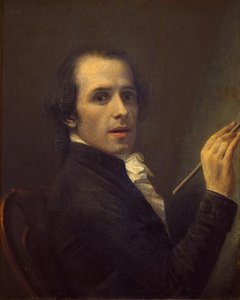
アントニオ・カノーヴァ
1757 - 1822 , イタリア
基本情報
- Artistic Movement Or Style: 新古典主義
- Artists Or Movements Influenced By This Artist: ['後の新古典主義の芸術家']
- Artists Who Influenced This Artist: ['後期バロックの彫刻家']
- Date Of Birth: 1757年
- Date Of Death: 1822年
- Full Name: アントニオ・カノーヴァ
- Nationality: イタリア人
- Notable Artworks:
- キューピッドとプシュケ
- 悔悛するマグダラのマリア
- ヘラクレスとリカス
- テセウスとミノタウロス
- 踊る三美神
- エウリュディケ
- イタリックなヴィーナス
- Place Of Birth (City And Country): イタリア、ポッサーニョ
関連記事
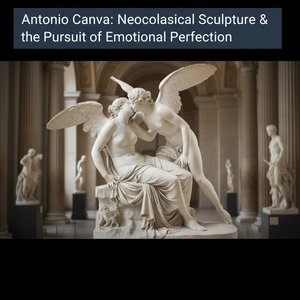
Antonio Canova: Neoclassical Sculpture & the Pursuit of Emotional Perfection
Explore the life & art of Antonio Canova, the greatest Neoclassical sculptor. Discover his masterpieces, innovative techniques, and lasting influence on fine art collecting. Expert insights for discerning investors.

The Enduring Allure of Marble in Art History: From Classical Sculpture to Modern Abstraction
Explore the captivating history of marble sculpture from ancient Greece to modern art. Discover renowned artists like Canova & Michelangelo, carving techniques, and investment insights at ArtsDot.

Bronze Sculptures That Defined Art History | ArtsDot
Journey through art history with our Top 10 bronze sculptures! Explore masterpieces by Rodin, Michelangelo & more. Discover stories behind iconic statues and find museum-quality reproductions for your home decor at ArtsDot.com.

The Enduring Form: Exploring Themes & Techniques in Sculpture Across Historical Periods
Explore the rich history of sculpture from ancient masterpieces to contemporary innovations. Discover key techniques, influential artists & investment potential for discerning art collectors.

The Enduring Form: Sculpture Across History, Technique & Emotional Resonance
Explore the rich history of sculpture with ArtsDot. Discover key techniques, influential artists & investment potential for discerning collectors. Expert insights into valuing and collecting timeless masterpieces.

