

 プリントを購入
 シェアする
シェアする シェアする
シェアする
 詳細を見る
詳細を見る

 ダウンロード
 似ている作品
 スライドショー
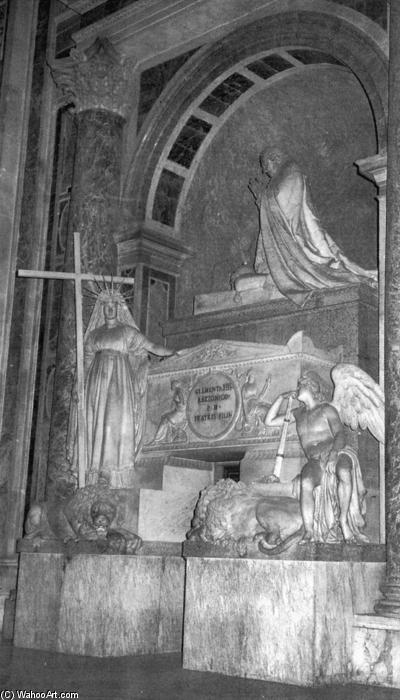
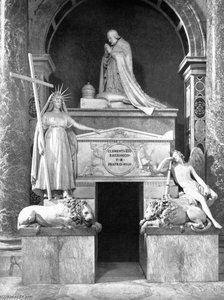
Tomb of Pope Clement XIII


 詳細を見る
詳細を見る




































作品のオリジナル比率に合わせた、当店の規定サイズからお選びください。

特定のフレームやスペースに合わせて、ご希望のサイズをご入力いただけます。選択されたサイズが元の画像の比率と異なる場合、アートワークをトリミングするか、手描きで要素を追加して絵画を拡張いたします。デジタルモックアップ を制作し、制作開始前にご確認(承認)をいただきます。
画面上のプレビューは、実際のトリミングや拡張を正確に反映しているものではありません。最終的な構図は、モックアップによってのみ正確にご確認いただけます。
カスタムサイズもご利用いただけますが、元の比率を維持するためには、あらかじめ用意されたリストからサイズを選択することをお勧めいたします。
ご注文後、ArtsDot.com チームより詳細な指示をお送りするとともに、仕上がりイメージ(モックアップ)をご提供いたします。


 ガラスオプションは、110cm未満のサイズでのみご利用いただけます。

Tomb of Pope Clement XIII
複製技法
複製画のサイズ
-


合計金額
$ 288
作品解説
The Weight of Faith: Antonio Canova’s Tomb of Pope Clement XIII
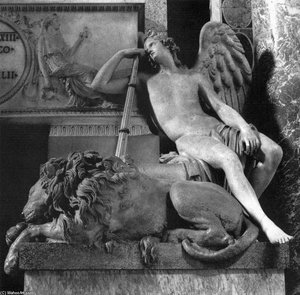
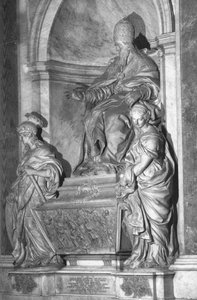
Antonio Canova's "Tomb of Pope Clement XIII," completed in 1792, is more than just a sculpture; it’s a profound meditation on mortality, faith, and the enduring legacy of papal power. Carved from imposing black marble, the piece emanates an atmosphere of solemn grandeur, transporting the viewer to a space steeped in religious reverence. The photograph captures a meticulously rendered interior scene – likely a mausoleum or church – dominated by the central tomb, flanked by a constellation of angelic figures, saints, and allegorical representations of piety. The subdued lighting, expertly employed to sculpt dramatic shadows, emphasizes the textures of the stone, revealing the artist’s incredible mastery of his medium. This isn't merely a portrait of a deceased pope; it’s an architectural embodiment of faith’s promise of eternal rest.
A Neoclassical Masterpiece: Style and Technique
Canova, a pivotal figure in the transition between the Baroque and Neoclassical eras, demonstrates his signature style here with remarkable precision. While undeniably influenced by the dramatic dynamism of the Baroque – particularly evident in the poses of the figures and the overall sense of movement – the work leans firmly into the restrained elegance and classical ideals of Neoclassicism. The smooth surfaces achieved through painstaking carving and casting are a testament to Canova’s unparalleled skill. Notice the meticulous detailing, from the folds of drapery to the delicate features of each sculpted face; every element speaks to an unwavering commitment to realism and anatomical accuracy. The use of black marble itself is significant, lending a sense of gravitas and timelessness to the composition – a deliberate choice that elevates the piece beyond mere decoration.
Symbolism and Religious Narrative
The "Tomb of Pope Clement XIII" is rich in symbolic meaning. The tiered arrangement immediately establishes a hierarchy, reflecting the spiritual order and the pope’s position within it. Angels, positioned as guardians and messengers, offer protection to the departed soul. A central figure, likely representing repentance or prayer, underscores the importance of piety and seeking forgiveness. Crosses are strategically placed, serving as potent reminders of Christ's sacrifice and the promise of salvation. The overall composition speaks to a deeply held belief in an afterlife – a comforting vision of eternal peace for those who have served God. The placement within what appears to be a grand architectural space further reinforces this narrative, suggesting that the tomb is not merely a burial site but a sacred sanctuary.
Historical Context and Artistic Legacy
Created in 1792, during a period of significant political and social upheaval in Europe, Canova’s work reflects both the artistic sensibilities of the time and the enduring power of religious iconography. Commissioned for Pope Clement XIII, who reigned from 1754 to 1760, the tomb stands as a powerful statement of papal authority and continuity. Canova's earlier commission for Pope Clement XIV’s tomb (completed in 1787) further solidified his reputation as the foremost sculptor of his generation. Studying Canova’s work provides invaluable insight into the artistic conventions and philosophical beliefs that shaped the late 18th and early 19th centuries. His legacy continues to inspire artists today, demonstrating the enduring power of sculpture to evoke emotion, convey meaning, and immortalize significant figures in history.
- Key Features: Monumental scale, black marble, tiered composition, angelic figures, symbolic elements (crosses, angels, prayerful figure).
- Style: Neoclassical with Baroque influences – characterized by restrained elegance and anatomical accuracy.
- Technique: Meticulous carving and casting, emphasizing smooth surfaces and detailed textures.
ArtsDot offers exquisite hand-painted reproductions of Antonio Canova’s “Tomb of Pope Clement XIII,” allowing you to bring this masterpiece into your home or office. Each reproduction is created with the same attention to detail and reverence as the original, capturing the sculpture's profound beauty and historical significance.
関連作品
アーティストの略歴
アントニオ・カノーヴァ:大理石に刻まれた生涯
- 生誕: イタリア、ポッサーニョ(1757年)
- 没年: 1822年
アントニオ・カノーヴァは、西洋美術史における不滅の巨星であり、新古典主義彫刻の頂点に立つ人物として広く知られています。大理石を自在に操る卓越した技術と、古典的な造形の中に深い感情を吹き込む類まれな才能は、彼を史上最も偉大な芸術家の一人へと押し上げました。イタリアのポッサーニョにて、石工であったピエトロ・カノーヴァの息子として生まれた彼の幼少期は、常に芸術的な息吹に満たされた環境の中にありました。
幼少期と修練の道
- 家族の背景: 父の職業を通じて石彫の基礎に触れる機会を得た彼は、祭壇や低浮彫を専門としていた祖父パシーノ・カノーヴァの指導を受け、その才能を育む重要な役割を果たしました。
- 芸術的才能の開花: わずか10歳にも満たない頃から、カノーヴァは驚くべき技量を見せ、自らの天賦の才を象徴するような小さな大理石の祭壇を制作していました。その後、ジュゼッペ・ベルナルディ(通称トルレット)やジョヴァンニ・フェラーリに師事し、その技術をさらに磨き上げました。
- アカデミーでの研鑽: ヴェネツィア美術アカデミーでの学びは数々の賞をもたらし、有望な若手芸術家としての地位を確固たるものにしました。修道院内の工房は、彼が自らの技を深めるための貴重な研鑽の場となりました。
- 初期の依頼作品: ジョヴァンニ・ファリエール元老院議員のために制作された「オルフェウスとエウリュディケ」の彫像(1775-1777年)などの初期作品には、後の新古典主義的な洗練へと繋がる、ロココ様式の萌芽が見て取れます。
隆盛と新古典主義の確立
- 新古典主義の定義: カノーヴァの作品は、優雅なフォルム、理想化された人物像、そして古代ギリシャ・ローマの美学への回帰を特徴としています。彼はバロック美術特有の過剰なドラマを巧みに避けつつ、初期の古典復興運動に見られた冷徹さをも克服することに成功しました。
- 主要作品と称賛: キューピッドとプシュケ(1787-1793年頃)、悔悛するマグダラのマリア、<模範的なヘラクレスとリカスといった傑作は、ヨーロッパ全土に彼の名を轟かせました。その作品は王侯貴族の間で熱狂的に求められました。
- 名声の広がり: カノーヴァは戦略的に自身のキャリアを築きました。自作のエングレービング(版画)の出版や、石膏模型を大理石へと置き換える手法を用いることで、自らの芸術を広く世界へと伝播させたのです。
- 国際的な評価: ローマ駐在ヴェネツィア大使ジュリアーノ・ズリアンへの依頼による「テセウスとミノタウロス」をはじめ、ヨーロッパ各地からの依頼が相次ぎ、彼は大陸で最も名高い芸術家としての地位を不動のものにしました。
主要な作品群とその遺産
- 特筆すべき彫像: 先述の作品に加え、イタリカのヴィーナス、ミューズ・ポリヒュムニア、踊る三美神、そして胸を打つようなエウリュディケの描写など、彼のカタログは至宝に満ちています。
- 記念碑的な依頼: 彼は壮大な墓廟制作の依頼も受けており、なかでもローマのサン・ピエトロ大聖堂にある精緻な教皇クレメンス13世の墓は、彫刻のみならず建築的デザインにおける彼の卓越した技量の証です。
- アントニオ・カノーヴァ・ジプソテカ: カノーヴァの最も重要なコレクションを収蔵するこの美術館は、彼の創造的なプロセスと芸術的進化を知るための、かけがえのない窓となっています。
- 後世への影響: カノーヴァの影響は、その生涯を超えて広がりました。新古典主義彫刻の進むべき道を決定づけ、その技術的習熟と表現力豊かな力強さは、後世の世代の芸術家たちに深いインスピレーションを与え続けています。
歴史的な意義
- 新古典主義の体現: アントニオ・カノーヴァという名は、秩序、明晰さ、そして古代への回帰を理想とする新古典主義運動そのものとなりました。
- 宮廷彫刻家としての役割: ヨーロッパの多くの統治者の宮廷彫刻家を務めたことは、彼に多大な政治的影響力を与え、大陸全体の芸術的嗜好を形作る機会をもたらしました。
- 技術革新: 大理石を彫り上げる比類なき技法は、それまで「可能」と考えられていた境界線を押し広げ、彫刻における卓越性の新たな基準を打ち立てました。
- 不朽の芸術的遺産: 彼の彫像は今なお世界中の観る者を魅了し続け、歴史上最も重要かつ影響力のある芸術家の一人としての地位を揺るぎないものにしています。
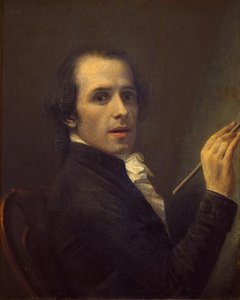
アントニオ・カノーヴァ
1757 - 1822 , イタリア
基本情報
- Artistic Movement Or Style: 新古典主義
- Artists Or Movements Influenced By This Artist: ['後の新古典主義の芸術家']
- Artists Who Influenced This Artist: ['後期バロックの彫刻家']
- Date Of Birth: 1757年
- Date Of Death: 1822年
- Full Name: アントニオ・カノーヴァ
- Nationality: イタリア人
- Notable Artworks:
- キューピッドとプシュケ
- 悔悛するマグダラのマリア
- ヘラクレスとリカス
- テセウスとミノタウロス
- 踊る三美神
- エウリュディケ
- イタリックなヴィーナス
- Place Of Birth (City And Country): イタリア、ポッサーニョ
関連記事
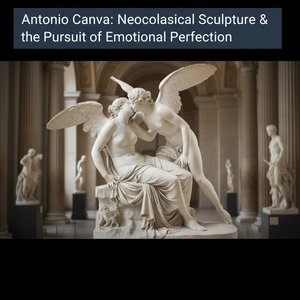
Antonio Canova: Neoclassical Sculpture & the Pursuit of Emotional Perfection
Explore the life & art of Antonio Canova, the greatest Neoclassical sculptor. Discover his masterpieces, innovative techniques, and lasting influence on fine art collecting. Expert insights for discerning investors.
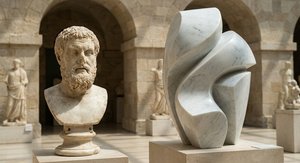
The Enduring Allure of Marble in Art History: From Classical Sculpture to Modern Abstraction
Explore the captivating history of marble sculpture from ancient Greece to modern art. Discover renowned artists like Canova & Michelangelo, carving techniques, and investment insights at ArtsDot.

Bronze Sculptures That Defined Art History | ArtsDot
Journey through art history with our Top 10 bronze sculptures! Explore masterpieces by Rodin, Michelangelo & more. Discover stories behind iconic statues and find museum-quality reproductions for your home decor at ArtsDot.com.

The Enduring Form: Sculpture Across History, Technique & Emotional Resonance
Explore the rich history of sculpture with ArtsDot. Discover key techniques, influential artists & investment potential for discerning collectors. Expert insights into valuing and collecting timeless masterpieces.

The Enduring Form: Exploring Themes & Techniques in Sculpture Across Historical Periods
Explore the rich history of sculpture from ancient masterpieces to contemporary innovations. Discover key techniques, influential artists & investment potential for discerning art collectors.

