

 プレビュー
プレビュー
 プリントを購入
 シェアする
シェアする シェアする
シェアする
 詳細を見る
詳細を見る

 ダウンロード
 似ている作品
 X線調査
X線調査 スライドショー
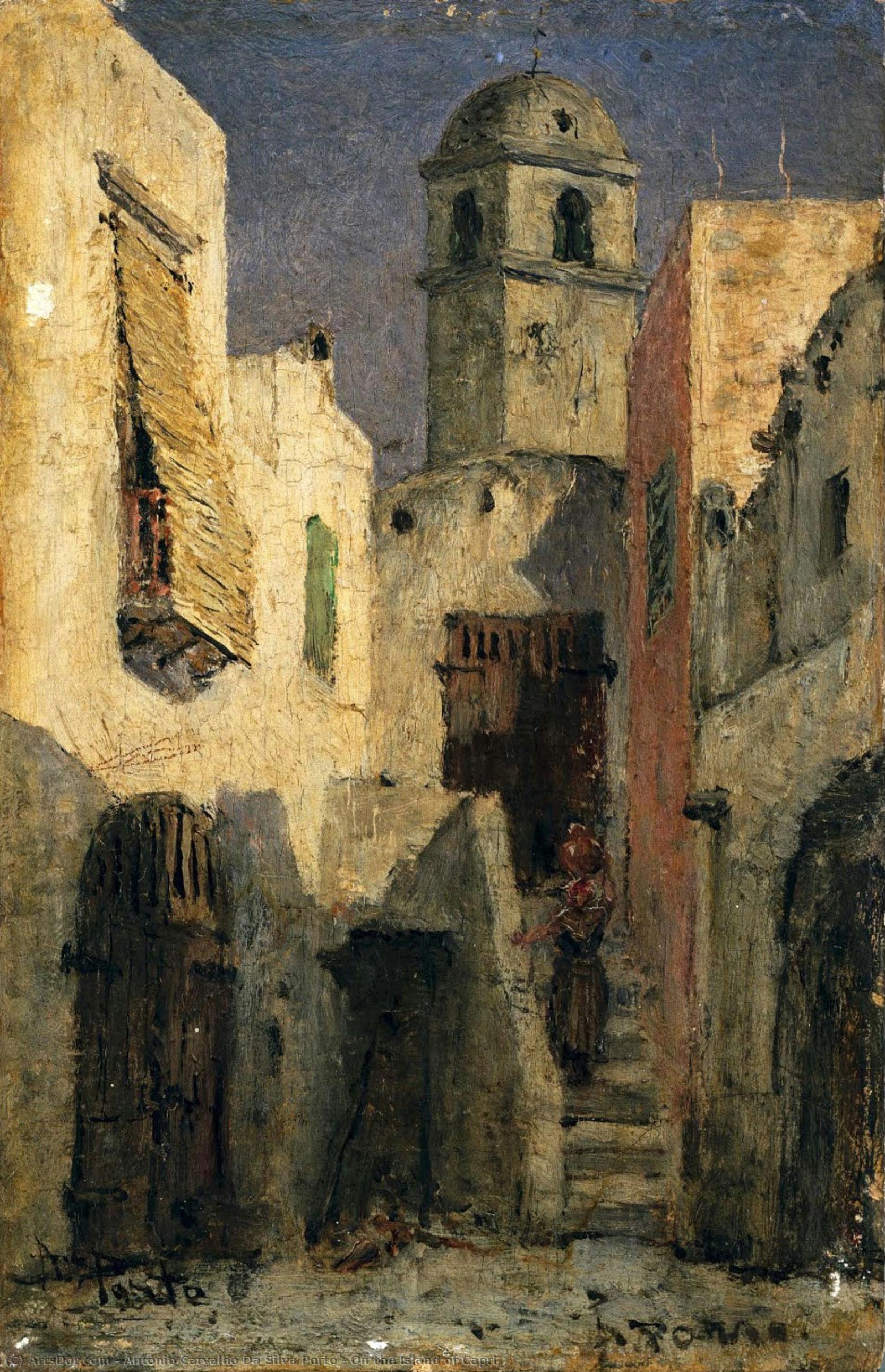
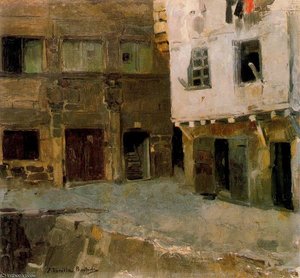
On the Island of Capri
 Acrylic On Canvas
- WallArt
- Naturalist School
 1877
1877- 19th Century
 16.0 x 10.0 cm
 Grão Vasco National Museum
 詳細を見る
詳細を見る




P118B $10

P118H $10

P118W $10

P438Z $10

P508JH $12

P508YH $12

P805H $10

P805Z $10

P919BZ $10

P919G $10

P919XJ $10

P959ZH $10

P968JZ $12

W106C $8

W218G $10

W218JH $8

W218Y $10

W307PJ $10

W316G $10

W316PJ $8

W316Y $10

W398PJ $8

W4111J $10

W500HY $15

W500JH $15

W692G $12

W849H $8

W940BG $15

W953PJ $8




作品のオリジナル比率に合わせた、当店の規定サイズからお選びください。

特定のフレームやスペースに合わせて、ご希望のサイズをご入力いただけます。選択されたサイズが元の画像の比率と異なる場合、アートワークをトリミングするか、手描きで要素を追加して絵画を拡張いたします。デジタルモックアップ を制作し、制作開始前にご確認(承認)をいただきます。
画面上のプレビューは、実際のトリミングや拡張を正確に反映しているものではありません。最終的な構図は、モックアップによってのみ正確にご確認いただけます。
カスタムサイズもご利用いただけますが、元の比率を維持するためには、あらかじめ用意されたリストからサイズを選択することをお勧めいたします。
ご注文後、ArtsDot.com チームより詳細な指示をお送りするとともに、仕上がりイメージ(モックアップ)をご提供いたします。


 ガラスオプションは、110cm未満のサイズでのみご利用いただけます。

On the Island of Capri
複製技法
複製画のサイズ
-


合計金額
$ 263
On the Island of Capri – A Window into Silva Porto’s Naturalist Vision
António Carvalho da Silva Porto's "On the Island of Capri," painted in 1877, is more than just a picturesque depiction of a Mediterranean street; it’s a profound meditation on light, form, and the enduring beauty of everyday life – hallmarks of the naturalist school to which Silva Porto steadfastly adhered. Executed during a pivotal moment in his artistic development, this work represents a significant shift for the artist, moving beyond purely landscape studies towards a more engaged observation of urban environments, a rarity within his oeuvre. The painting’s immediate impact lies in its vibrant palette and masterful composition, capturing the essence of Capri's architectural charm with an almost palpable sense of warmth and luminosity.
- Subject Matter: A bustling street scene on the island of Capri, Italy, showcasing a collection of brightly coloured houses.
- Artist: António Carvalho da Silva Porto (1850-1893), a Portuguese naturalist painter deeply influenced by Corot and the Barbizon school.
- Date: 1877
Technique and Colour – A Symphony of Light
Silva Porto’s technique is characterized by a bold, expressive use of colour, meticulously applied to create an illusion of shimmering surfaces. The artist skillfully employs a palette dominated by whites, rose hues, and browns, expertly manipulating light and shadow to evoke the play of sunlight on the whitewashed buildings. Notice how he renders the white walls not as flat planes but as subtly textured surfaces, resembling mother-of-pearl – a technique that dramatically enhances their luminosity and creates a sense of depth. The strategic use of brown shutters and doors provides grounding contrast, while the inclusion of a figure carrying water adds a touch of human scale and narrative to the scene. This careful attention to detail elevates the painting beyond a simple landscape view, transforming it into a dynamic study of light and colour.
Historical Context – Capri’s Allure and the Naturalist Movement
"On the Island of Capri" reflects the broader artistic trends of the late 19th century. The island of Capri had long been a magnet for artists seeking inspiration, drawn to its dramatic landscapes and unique architecture. Silva Porto, like many contemporaries – including just a few years later Henrique Pousão – was captivated by Capri’s simple geometric forms and their ability to reflect light in extraordinary ways. This fascination aligns perfectly with the naturalist movement's core tenets: a commitment to depicting reality as it is, without idealization or romantic embellishment. The inclusion of the tower serves not just as a compositional element but also as a symbol of history and the sacred, anchoring the scene within a broader narrative.
Symbolism and Emotional Impact – A Moment Frozen in Time
Beyond its technical brilliance, "On the Island of Capri" possesses a quiet emotional resonance. The solitary figure of the woman carrying water embodies resilience and daily life, subtly reminding us of the human element within this otherwise serene landscape. The expansive sky, echoing the clarity of the Mediterranean, frames the scene with an almost ethereal quality, reinforcing the painting’s sense of verticality and creating a feeling of boundless space. This artwork is not merely a representation of a place; it's a carefully constructed moment in time, inviting viewers to contemplate beauty, simplicity, and the enduring power of nature – a testament to Silva Porto’s artistic vision and his dedication to capturing the essence of the world around him.
関連作品

アーティストの略歴
芸術と自然に捧げた生涯
アントニオ・カルヴァーリョ・ダ・シルヴァ・ポルト、またの名をシルヴァ・ポルトとして知られるこの画家は、1850年にポルトガル、ポルトで生まれたナチュラリスト(自然主義)の画家です。自然主義派への深い傾倒を特徴とする彼の生涯の作品群は、美術史に消えることのない鮮烈な足跡を残しました。幼少期と教育の歩み
シルヴァ・ポルトの芸術的な旅路は、故郷においてジョアン・アントニオ・コレイアとタデウ・デ・アルメイダ・フルタードの指導を受けることから始まりました。その後、彼はパリへと渡り、そこで日常のありのままの姿を正確に描き出すことを重視したナチュラリズム運動、バービゾン派の深い影響を受けることとなります。芸術家としての輝かしいキャリア
パリに滞在していた頃、シルヴァ・ポルトはサロンや1878年の万国博覧会において自身の作品を披露しました。アドルフ・イヴォンやアレクサンドル・カバネルに師事したジョアン・マルケス・デ・オリヴェイラとの交流は、彼の自然主義的な傾向をより確固たるものにしました。1879年にポルトガルへ帰国すると、彼はジャン=バティスト=カミーユ・コローやシャルル=フランソワ・ドービニーからインスピレーションを受け、同世代の中で最も高く評価されるナチュラリストの一人となりました。名作と受け継がれる遺産
- 穏やかな風景や日常の情景を特徴とするシルヴァ・ポルトの絵画は、リスボンのシアード美術館や、ポルトのソアレス・ドス・レイス国立美術館に収蔵されています。
- 彼の作品は、光と色彩に対する深い洞察の証であり、印象派の影響を色濃く反映しています。
- シルヴァ・ポルトが遺したスタイルは、ポルトガルの美術史における礎として、今なお多くの芸術家たちにインスピレーションを与え続けています。
結び
アントニオ・カルヴァーリョ・ダ・シルヴァ・ポルトの生涯は、自然の本質を捉えるための芸術の力を証明するものでした。現在、ポルトガルの文化的遺産の一部となっている彼の作品は、時代を超えて世界中の人々を魅了し続けています。- ArtsDot.comでシルヴァ・ポルトの作品を鑑賞する
- ナチュラリズム芸術とその影響についてWikipediaでさらに詳しく探る
- ArtsDot.comで他の著名な芸術家とその作品を見つける
参考文献:
- ArtsDot.comにおけるシルヴァ・ポルトの伝記
- 美術における自然主義、Wikipedia
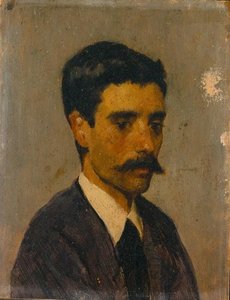
シルヴァ・ポルト
1850 - 1893 , ポルトガル
関連記事
Beyond Graffiti: Exploring the Evolution & Cultural Impact of Street Art for Collectors
Explore the evolution of street art from rebellious origins to a respected fine art form. Discover key artists like Banksy & learn how to collect urban art with confidence. Expert insights for discerning investors.
現代ストリート・アートの隆盛:ギャラリーの壁を超えた文化的反省と歴史的背景
現代ストリート・アートの隆盛を歴史的背景と社会的反省の視点から深く掘り下げます。ギャラリーとの関係性、日本における独自性、コレクターズ視点まで網羅。高品質なアートコレクションのための情報を提供します。
Alfredo Roque Gameiro: A Portuguese Master of Historical Painting & Artistic Eclecticism
Discover Alfredo Roque Gameiro (1864-1935), a renowned Portuguese painter celebrated for his vibrant watercolors and historical illustrations. Explore his legacy & artworks at ArtsDot.
Echoes of Urban Life: A Visual Exploration of Street Scenes in Art History
Explore the captivating world of realism in art history! Discover iconic street scenes & genre paintings from masters like Courbet & Brown. Expert analysis & museum-quality reproductions at ArtsDot.

Subverting Convention: Banksy's Impact on Contemporary Art & Activism
Explore Banksy's revolutionary impact on contemporary art & activism. Discover his iconic works, collecting insights, and the evolution of street art. Expert analysis for discerning collectors.

