

 プレビュー
プレビュー
 プリントを購入
 シェアする
シェアする シェアする
シェアする
 詳細を見る
詳細を見る

 ダウンロード
 似ている作品
 X線調査
X線調査 スライドショー
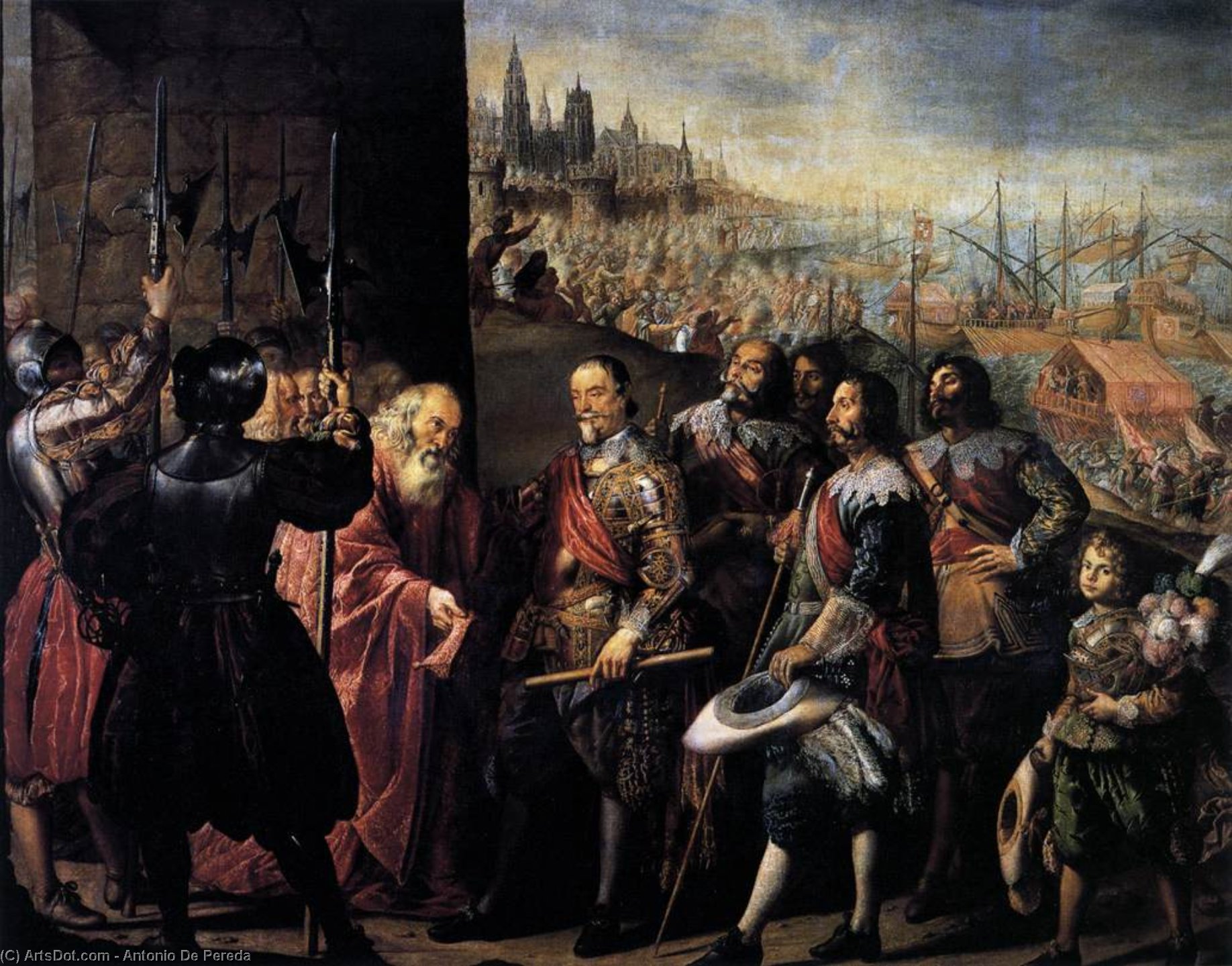
The Relief of Genoa
 Oil On Canvas
- WallArt
- Baroque
 1634
1634- Early Modern
 290.0 x 370.0 cm
 プラド美術館
 詳細を見る
詳細を見る




P118B $10

P118H $10

P118W $10

P438Z $10

P508JH $12

P508YH $12

P805H $10

P805Z $10

P919BZ $10

P919G $10

P919XJ $10

P959ZH $10

P968JZ $12

W106C $8

W218G $10

W218JH $8

W218Y $10

W307PJ $10

W316G $10

W316PJ $8

W316Y $10

W398PJ $8

W4111J $10

W500HY $15

W500JH $15

W692G $12

W849H $8

W940BG $15

W953PJ $8




作品のオリジナル比率に合わせた、当店の規定サイズからお選びください。

特定のフレームやスペースに合わせて、ご希望のサイズをご入力いただけます。選択されたサイズが元の画像の比率と異なる場合、アートワークをトリミングするか、手描きで要素を追加して絵画を拡張いたします。デジタルモックアップ を制作し、制作開始前にご確認(承認)をいただきます。
画面上のプレビューは、実際のトリミングや拡張を正確に反映しているものではありません。最終的な構図は、モックアップによってのみ正確にご確認いただけます。
カスタムサイズもご利用いただけますが、元の比率を維持するためには、あらかじめ用意されたリストからサイズを選択することをお勧めいたします。
ご注文後、ArtsDot.com チームより詳細な指示をお送りするとともに、仕上がりイメージ(モックアップ)をご提供いたします。


 ガラスオプションは、110cm未満のサイズでのみご利用いただけます。

The Relief of Genoa
複製技法
複製画のサイズ
-


合計金額
$ 263
A Glimpse into Baroque Triumph: The Relief of Genoa
To stand before Antonio de Pereda’s depiction of The Relief of Genoa is to be transported directly into the vibrant, charged atmosphere of early seventeenth-century Spanish life. This monumental canvas, dating from 1634, is far more than a mere historical record; it is a richly textured tableau vivant, capturing a moment suspended between civic celebration and profound human drama. The scene centers around a doorway, an architectural threshold that traditionally symbolizes passage—from one state of being to another. Here, the gathering of men, many armed with swords, suggests not just a victory parade, but perhaps the reaffirmation of communal identity following struggle or conflict.
Mastery in Spanish Baroque Technique
Pereda, a master of the Spanish Baroque, imbues this work with an undeniable sense of theatricality. While his reputation often leans toward exquisite still lifes, here we see his ability to manage complex narrative scenes with remarkable grace. Observe the handling of light; it seems to emanate from within the doorway itself, casting dramatic highlights on the varied fabrics and polished metal of the swords. The composition is dense yet balanced, drawing the eye through the cluster of figures. Scattered elements—the few chairs suggesting recent repose, the books hinting at learned discourse, and the bowl placed thoughtfully to the right—are not mere filler. They are meticulously placed props that ground the grand narrative in tangible reality, showcasing Pereda’s acute attention to detail.
The Weight of History and Community
The historical context of Genoa in 1634 lends an immediate gravity to the scene. The sheer number of figures—at least thirteen visible participants—creates a palpable sense of collective energy. Each face, each gesture, speaks volumes about the social fabric of the time. One can almost hear the murmur of conversation and the clinking of armor. This painting celebrates more than just military success; it embodies the resilience of community spirit. It is a visual testament to civic pride, where personal achievement merges into a shared, triumphant moment for the city.
Symbolism and Emotional Resonance
The doorway itself functions as the primary symbolic anchor. Passing through such an entrance signifies acceptance, recognition, or perhaps the formal conclusion of a period of turmoil. The men gathered appear to be in a state of elevated emotion—a blend of relief, pride, and celebratory fervor. For the modern collector or designer, this piece offers more than just decoration; it offers an emotional anchor. Reproducing such a work allows one to infuse a space with the grandeur, depth, and enduring spirit of Baroque humanism, transforming a room into a gallery echoing historical significance.
関連作品


アーティストの略歴
アントニオ・デ・ペレダ:スペイン・バロックの巨匠
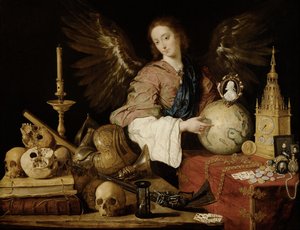
アントニオ・デ・ペレダ・イ・サルガド(1611–1678)は、スペイン・バロック時代を代表する画家であり、その精緻を極めた静物画によって、今日まで高い称賛を浴び続けています。スペインのバリャドリードに生を受けた彼は、マドリード派絵画における極めて重要な人物としてその名を刻みました。
芸術に彩られた幼少期と家族の絆
ペレダの人生は、芸術と切り離せないものでした。彼の父、母、そして二人の兄弟は皆、画家という職業に就いていました。このような芸術的な家庭環境こそが、彼が幼い頃から芸術に対して深い関心を抱き、その才能を育む揺るぎない土壌となったことは疑いようもありません。彼はマドリードにて、当時名声の高かった画家ペドロ・デ・ラス・クエバスに師事し、その基礎を築きました。
庇護者との出会いとキャリアの転換点
ペレダの輝かしいキャリアにおける決定的な瞬間は、スペイン宮廷の有力者であったジョヴァンニ・バッティスタ・クレシェンツィとの出会いによってもたらされました。クレシェンツィはペレダを自らの庇護下に置き、画家としての道を進むための貴重な機会と導きを与えました。しかし、1635年にクレシェンツィが没すると、ペレダは宮廷から離れることとなり、その後は宗教施設からの依頼を受ける道へと歩みを進めることになります。
芸術的発展と独自の様式
ペレダの画風を語る上で欠かせないのが、光と影の劇的な対比を生み出すテネブリズムの見事な駆使です。バロック絵画の真骨頂とも言えるこの技法は、彼の作品に圧倒的な奥行きと感情的な強烈さを吹き込んでいます。彼は静物画の大家として最もよく知られていますが、その卓越した技術は宗教画や歴史画といった壮大な構図においても遺憾なく発揮されました。
主要な作品とその功績
ペレダが残した作品群は、多岐にわたるジャンルにおいて比類なき輝きを放っています。
- 静物画: ペレダの静物画は、その写実性、細部への執拗なまでのこだわり、そして作品に込められた象徴的な意味において、世界的に高く評価されています。「果物の静物」や「黒檀のチェストのある静物」などは、その代表的な傑作です。
- 歴史画: 彼はマドリードのブエン・レティーロ宮殿にある「サロン・デ・レイノス(諸王の間)」の装飾プログラムにおいて、極めて重要な役割を果たしました。最も特筆すべき歴史画は、1635年の「ジェノヴァの救済」です。これはベラスケスの「ブレダの降伏」などと共に、一連の壮大なシリーズとして制作されました。
- 宗教画: 聖人の生涯や聖書の物語を描いた数多くの宗教画も手がけており、「聖ヒエロニムス」はその卓越した技量を示す至高の例といえます。
芸術的源泉と影響
ペレダの芸術的探求は、いくつかの重要な芸術家や運動から深い影響を受けていました。
- ペドロ・デ・ラス・クエvas: 彼の初期の師であり、画家としての基礎を授けた存在です。
- ジョヴァンニ・バッティスタ・クレシェンツィ: 宮廷時代における庇護者として、彼に道標を示しました。
- カラヴァッジョとカラヴァッジオ派: 彼の作品に見られる劇的なテネブリズムの活用は、カラヴァッジョとその追随者たちの影響を色濃く反映しています。
歴史的意義
アントニオ・デ・ペレダは、スペイン・バロック美術史において極めて重要な地位を占めています。彼の静物画は、質感、光、そして形態を捉える驚異的な能力を示しており、このジャンルにおける最高峰の例と見なされています。また、その歴史画は、大規模な物語を描き出す画家としての多才さと技術の高さを証明しています。17世紀スペインの芸術的景観に多大な貢献を果たした彼の遺志は、傑作という名の輝かしいレガシーとして、今なお私たちの心を捉えて離しません。
アントニオ・デ・ペレダ
1611 - 1678 , スペイン
基本情報
- Birth Date: 1611年
- Birth Place: スペイン、バリャドリード
- Death Date: 1678年
- Influenced By: ペドロ・デ・ラス・クエバス、ジョヴァンニ・バッティスタ・クレシェンツィ
- Movement: バロック
- Name: アントニオ・デ・ペレダ・イ・サルガド
- Nationality: スペイン
- Notable Works:
- ジェノヴァの救済
- 黒檀のチェストのある静物画
- 聖ヒエロニムス
- 騎士の夢
関連記事

バロックのドラマ:現代のインテリアに壮麗さと情感を取り込む
バロック様式の歴史、絵画、家具の魅力をご紹介。ArtsDotでは、高品質な油絵複製やカスタムポートレートをご提供し、現代のインテリアに壮麗さと情感を取り入れます。アートコンサルテーションも承ります。

The Dramatic Flourish: Exploring the Baroque Movement's Enduring Legacy in Art History
Explore the dramatic world of Baroque art! Discover iconic artists like Caravaggio & Rubens, defining techniques, and its lasting impact on art history. Expert insights for collectors & enthusiasts at ArtsDot.

バロック美術を極めた至宝:時代を彩る10大名作の世界
バロック美術の華!カラヴァッジョ、ベルニーニら巨匠が創り上げた10大名作を徹底解剖。ドラマチックな色彩と豪華絢爛の世界観に触れ、至宝のアートプリントで空間を彩ろう。ArtsDot.comで美術館品質の複製と洗練されたインテリアを見つけましょう!

The Visceral Stage: Exploring Dramatic Narratives & Emotional Intensity in Baroque Art
Explore the dramatic world of Baroque art! Discover iconic masters like Caravaggio & Rembrandt, their techniques, and the movement's lasting impact. Expert insights for collectors & enthusiasts at ArtsDot.
Theatricality & Triumph: Baroque Drama in Painting & Sculpture
Explore the dramatic world of Baroque art! Discover its history, defining characteristics, & lasting influence on painting & sculpture. Expert insights into Caravaggio, Zurbarán, and Bernini – plus high-quality reproductions at ArtsDot.

