

 プレビュー
プレビュー
 プリントを購入
 シェアする
シェアする シェアする
シェアする
 詳細を見る
詳細を見る

 ダウンロード
 似ている作品
 X線調査
X線調査 スライドショー
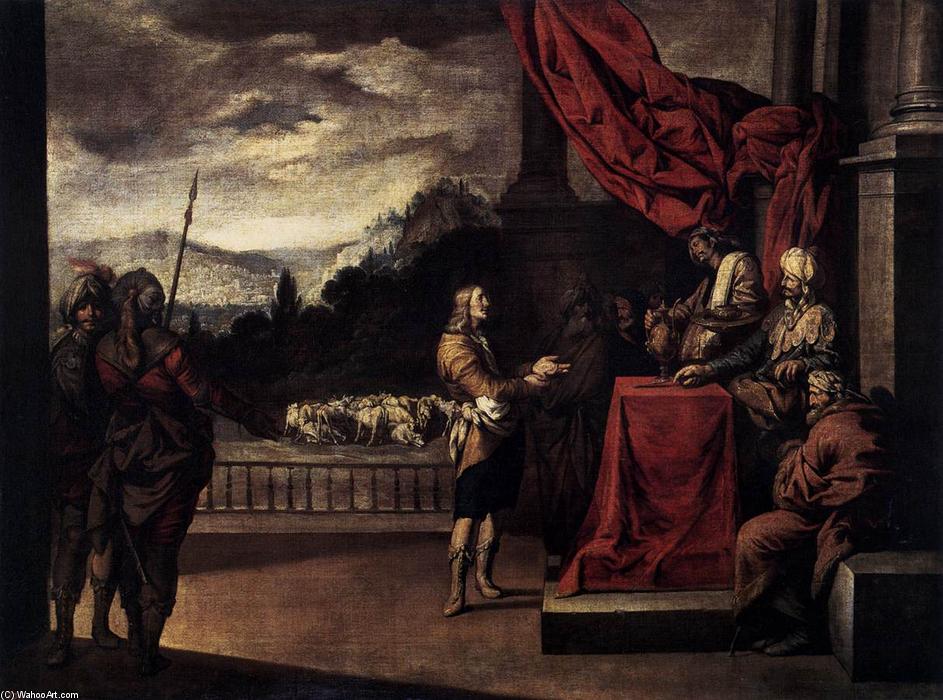
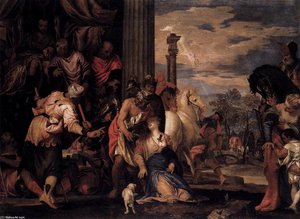
Joseph Explains the Dream of the Pharaoh
 Oil On Canvas
- WallArt
- Baroque
 109.0 x 145.0 cm
 プラド美術館
 詳細を見る
詳細を見る
オンラインプレビューをはるかに凌ぐ、高解像度で鮮明なデジタル画像をご購入いただけます。
各ファイルは、社内の専門家が高度なツールと熟練した手作業によるレタッチを用いて、細心の注意を払って準備されています。すべての画像において、卓越した鮮明度、正確な色彩再現性、そして繊細なディテールを保証いたします。
最終ファイルは、プロフェッショナルな編集・印刷環境ですぐにご利用いただけるよう最適化された状態で、72時間以内にメールにてお届けいたします。これは、一流のデザインスタジオ、出版社、ギャラリーから信頼されているものと同等の品質です。
デジタル画像のご注文に付随する特典
高品質なデジタル画像配信を、確かな品質で。
ArtsDot.com を選ぶことは、単に画像を手に入れることではありません。それは、プロの手によって精密に仕上げられ、満足保証が付いた高品質なデジタルアートワークを受け取ることを意味します。ご注文いただいた際に自動的に付随する内容は、以下の通りです:

メールですぐにお届け
ご注文から72時間以内に、高解像度のデジタル画像ファイルがメールでお手元に届きます。すぐにそのままご利用いただけます。

AI技術で最適化されたデジタルファイル
お客様の作品は、高度なAIツールと専門家による手作業の編集を組み合わせてプロフェッショナルに最適化されており、細部のディテール、鮮明さ、そして正確な色再現性を最大限に引き出しています。

一生涯無料の再送サービス
ファイルを誤って削除したり、紛失してしまったりしましたか?ご安心ください。いつでも無料で再送いたします。

輸入手数料は一切かかりません
関税や手数料、配送料を気にすることなく、お気に入りのアートワークをすぐにお楽しみいただけます。デジタルダウンロードは常に免税です。

色彩再現の保証
プロ仕様のツールとカラーマネジメント技術を用いることで、デジタル画像が元の色を最大限に忠実に再現することを保証いたします。

60日間満足保証
ご購入いただいたデジタル画像にご満足いただけない場合は、60日以内であれば、修正または100%の返金(理由を問う必要はありません)をさせていただきます。

100% 返金保証
ご満足いただけない場合は、デジタルファイルを受け取ってから60日以内であれば、理由を問わず全額返金いたします。

まとめ買い割引
3枚購入で10%OFF - 5枚購入で15%OFF - 10枚以上購入で20%OFF。クリエイティブなプロジェクト、ギャラリー、エージェンシーに最適です。
作品の詳細
A Window Into Biblical Narrative: Antonio del Castillo y Saavedra’s “Joseph Explains the Dream of the Pharaoh”
The Museo del Prado in Madrid houses a masterpiece that transcends mere visual representation—Antonio del Castillo y Saavedra’s “Joseph Explains the Dream of the Pharaoh,” an oil painting completed sometime around 1650. More than just depicting a pivotal moment from Genesis, this artwork embodies the spirit of Baroque art and offers a profound glimpse into the artistic sensibilities of its era. Examining its composition, technique, and symbolic resonance reveals layers of meaning that continue to captivate audiences centuries later.The Scene Unfolds: Composition and Narrative Detail
Del Castillo’s depiction centers on Joseph, son of Jacob and Rachel, standing confidently before Pharaoh's throne—a symbol of royal authority and divine providence. He gestures emphatically towards Pharaoh, conveying the urgency of his message – an interpretation of Pharaoh’s prophetic dream concerning seven years of prosperity followed by seven years of famine. The artist meticulously captures the grandeur of the palace interior, utilizing architectural elements like columns and drapery to establish a sense of scale and majesty. Surrounding Joseph are attendants who listen intently, reflecting the importance placed upon interpreting divine signs and safeguarding the kingdom’s future. Beyond the throne room lies a landscape—a deliberate inclusion that expands the narrative beyond the immediate setting, suggesting the broader implications of Pharaoh's predicament. The overcast sky contributes to an atmosphere of solemn contemplation, mirroring the gravity of the situation being portrayed.Baroque Technique: Light and Shadow – Mastering Illusion
Del Castillo’s masterful execution exemplifies the hallmarks of Baroque painting—specifically, dramatic chiaroscuro. He skillfully employs light and shadow to sculpt figures and create depth within the canvas. Intense highlights illuminate Joseph's face and attire, emphasizing his conviction and conveying a sense of spiritual illumination. Conversely, darker tones envelop the throne room and landscape, fostering an illusionistic effect that draws viewers into the scene. The artist’s meticulous brushwork contributes to the painting’s textural richness, capturing the subtle nuances of fabric folds and architectural surfaces. This technique wasn't merely decorative; it served a crucial purpose in conveying emotion and enhancing the dramatic impact of the biblical narrative.Symbolism Beyond the Dream: Faith and Divine Guidance
“Joseph Explains the Dream of the Pharaoh” is laden with symbolic significance rooted in Christian theology. Joseph’s posture embodies humility before God, acknowledging divine wisdom and accepting responsibility for interpreting prophetic visions. The throne symbolizes royal power but also represents God's dominion over earthly affairs—a reminder that human rulers are ultimately accountable to a higher authority. Furthermore, the landscape serves as a backdrop for contemplation, symbolizing the eternal realm of God’s grace and offering solace amidst worldly anxieties. The dream itself is interpreted as a divine warning about impending hardship, urging Pharaoh to heed Joseph's counsel and prepare for future challenges—a testament to faith’s ability to illuminate even the darkest moments.Emotional Resonance: Capturing Human Dignity and Spiritual Conviction
Ultimately, Del Castillo succeeds in conveying profound emotional resonance. The painting captures the dignity of human intellect as Joseph strives to communicate complex theological concepts with clarity and conviction. His gaze directs towards Pharaoh, projecting confidence and determination—a visual embodiment of faith’s unwavering belief in divine providence. The overall mood is one of solemn seriousness, reflecting the weighty responsibility entrusted to Joseph and highlighting the importance of interpreting prophetic messages. “Joseph Explains the Dream of the Pharaoh” remains a powerful reminder that art can transcend time, communicating timeless truths about faith, leadership, and the enduring quest for understanding.関連作品


作家の略歴
スペイン・バロックの巨匠(1616-1668)
アントニオ・デル・カスティージョ・イ・サアヴェドラは、スペイン美術界において極めて重要な存在であり、絵画、彫刻、そして詩の世界に消えることのない足跡を残しました。1616年7月10日、スペインのコルドバに生を受けた彼は、芸術という多様な領域を超越していく壮大な旅へと踏み出したのです。幼少期と研鑽の道
アントニオが最初に絵画の基礎を学んだのは、父であるアグスティン・デル・カスティージョの指導の下でのことでした。父の死後、1631年から1634年にかけて、彼は宗教画の画家として知られるイグナシオ・アエド・カルデロンのもとでさらなる研鑽を積みます。その後、セビリアへと舞台を移した彼は、巨匠フランシスコ・デ・スルバランや、カノ、ムリーリョ、デ・モヤといった著名な芸術家たちを輩出した叔父フアン・デル・カスティージョの導きを受け、その卓越した技術を磨き上げました。芸術的貢献
アントニオの作品は、鮮やかな色彩と深い感情的な奥行きを特徴としています。彼の代表作には以下のようなものがあります:- コルドバの情景の本質を見事に捉えた油彩画、サン・ビセンテ・フェレール。
- コルドバとその周辺の美しさを描き出した油彩画、眠れる幼子洗礼者聖ヨハネの風景。
- サンタ・マリーナ教会に残されたフレスコ画や油彩画は、彼の技術の高さと表現の多様性を物語る貴重な遺産です。
作品を収蔵する美術館
- パラシオ・デ・ビアナ美術館(スペイン、コルドバ):14世紀から20世紀に至るまでのヨーロッパ絵画や彫刻の素晴らしいコレクションを誇ります。 /ja/art/show/art-d3aj6b-ja/
- 彼の作品を展示するその他の主要な美術館については、スペインの芸術と芸術家に関するArtsDotの包括的なガイドでご確認いただけます。 [https://ArtsDot.com/@/antonio-del-castillo-y-saavedra](https://ArtsDot.com/@/antonio-del-castillo-y-saavedra)
受け継がれる遺産
アントニオ・デル・カスティージョ・イ・サアヴェドラの遺した功績は、彼の多才な芸術的才能の証です。1668年2月2日の彼の逝去は、一つの時代の終焉を意味しましたが、同時に次世代の芸術家たちが歩む道を切り拓くことにもなったのです。 アントニオ・デル・カスティージョ・イ・サアヴェドラや他のスペイン・バロック画家のさらなる魅力については、ArtsDotの広範なコレクションからご覧ください: /ja/art/show/art-d3atkt-ja/
アントニオ・デル・カスティージョ・イ・サアヴェドラ
1616 - 1668 , スペイン
プロフィール概要
- Artistic Movement Or Style: バロック
- Artists Or Movements Influenced By This Artist: ['ムリーリョ']
- Artists Who Influenced This Artist:
- フランシスコ・デ・スルバラン
- イグナシオ・アエド・カルデロン
- Date Of Birth: 1616年7月10日
- Date Of Death: 1668年2月2日
- Full Name: アントニオ・デル・カスティージョ・イ・サアベドラ
- Nationality: スペイン
- Notable Artworks:
- サン・ビセンテ・フェレール
- 眠れる幼子洗礼者聖ヨハネの風景画
- サンタ・マリーナ教会のフレスコ画
- Place Of Birth: スペイン、コルドバ

