

 プレビュー
プレビュー
 プリントを購入
 シェアする
シェアする シェアする
シェアする
 詳細を見る
詳細を見る

 ダウンロード
 似ている作品
 X線調査
X線調査 スライドショー
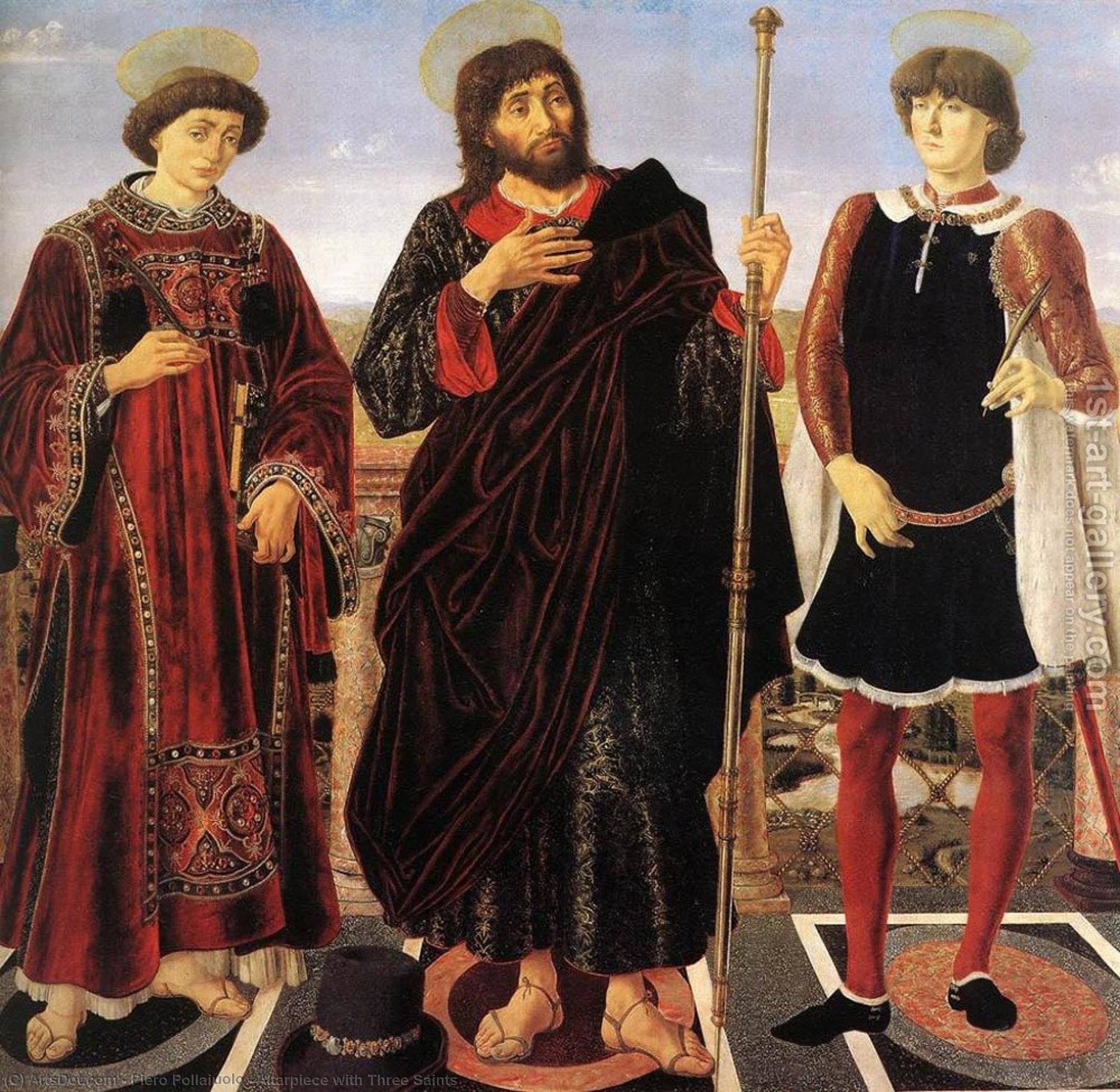
Altarpiece with Three Saints
 Oil On Canvas
- WallArt
- Early Renaissance
 1467
1467 172.0 x 179.0 cm
 ウフィツィ美術館
 詳細を見る
詳細を見る




P118B $10

P118H $10

P118W $10

P438Z $10

P508JH $12

P508YH $12

P805H $10

P805Z $10

P919BZ $10

P919G $10

P919XJ $10

P959ZH $10

P968JZ $12

W106C $8

W218G $10

W218JH $8

W218Y $10

W307PJ $10

W316G $10

W316PJ $8

W316Y $10

W398PJ $8

W4111J $10

W500HY $15

W500JH $15

W692G $12

W849H $8

W940BG $15

W953PJ $8




作品のオリジナル比率に合わせた、当店の規定サイズからお選びください。

特定のフレームやスペースに合わせて、ご希望のサイズをご入力いただけます。選択されたサイズが元の画像の比率と異なる場合、アートワークをトリミングするか、手描きで要素を追加して絵画を拡張いたします。デジタルモックアップ を制作し、制作開始前にご確認(承認)をいただきます。
画面上のプレビューは、実際のトリミングや拡張を正確に反映しているものではありません。最終的な構図は、モックアップによってのみ正確にご確認いただけます。
カスタムサイズもご利用いただけますが、元の比率を維持するためには、あらかじめ用意されたリストからサイズを選択することをお勧めいたします。
ご注文後、ArtsDot.com チームより詳細な指示をお送りするとともに、仕上がりイメージ(モックアップ)をご提供いたします。


 ガラスオプションは、110cm未満のサイズでのみご利用いただけます。

Altarpiece with Three Saints
複製技法
複製画のサイズ
-


合計金額
$ 313
Altarpiece with Three Saints – Piero del Pollaiuolo
The Florentine workshop of Piero del Pollaiuolo produced an extraordinary testament to Renaissance artistic innovation—an Altarpiece featuring three saints that transcends mere visual representation, delving into profound theological and humanist concerns. Completed in 1467, this monumental painting embodies the spirit of Early Renaissance Florence, marking a decisive step away from Gothic formalism towards a celebration of human form and classical ideals. Its enduring appeal lies not only in its technical brilliance but also in its layered symbolism and ability to evoke an emotional response that continues to resonate with viewers centuries later.Style and Composition: Classical Influence Meets Humanism
Piero’s artistic vision was firmly rooted in the rediscovery of Greco-Roman antiquity, yet he skillfully infused this classical heritage with a distinctly humanistic sensibility. Unlike preceding generations who prioritized stylized depictions of saints—often flattened and idealized—Piero meticulously rendered the figures with anatomical accuracy, capturing subtle nuances of musculature and drapery that conveyed palpable emotion. The composition itself adheres to principles of symmetry and balance, mirroring the harmonious order championed by humanist thinkers like Leonardo Bruni. This deliberate structuring reflects a belief in rationality and proportion as expressions of divine beauty – a cornerstone of Renaissance aesthetics. The distant cityscape serves as a grounding element, anchoring the figures within a broader earthly context while simultaneously hinting at transcendence.Technique: Oil Paint on Canvas - Mastering Texture and Light
The Altarpiece’s remarkable realism is achieved through Piero’s masterful application of oil paint on canvas—a technique that revolutionized painting during this period. Prior to this innovation, tempera pigments offered limited tonal range and permanence; oil paint allowed for unprecedented layering and blending, creating luminous surfaces and conveying a breathtaking sense of depth. Piero skillfully employed glazing techniques – applying thin layers of translucent pigment over opaque undercoats – to build up complex textures and modulate light with remarkable precision. Careful observation of natural phenomena—particularly the interplay between sunlight and shadow—informed his artistic choices, resulting in an image that captures the atmospheric qualities of the Florentine landscape. The subtle modeling of the figures’ musculature demonstrates Piero's profound understanding of human anatomy – a skill honed through extensive dissection studies conducted at Padua University.Historical Context: Florence Under Lorenzo de Medici
The Altarpiece emerged during the zenith of Lorenzo de Medici’s patronage—a period characterized by unparalleled artistic flourishing and intellectual ferment in Florence. Lorenzo’s unwavering commitment to supporting artists like Piero del Pollaiuolo fueled a creative explosion that transformed the city into Europe's cultural epicenter. The altarpiece reflects the humanist preoccupation with portraying human dignity and virtue – ideals championed by figures such as Pico della Mirandola, who argued for the limitless potential of human intellect and spirit. Furthermore, it aligns with the broader theological debates surrounding papal authority and the interpretation of biblical scripture—issues that preoccupied artists and intellectuals alike during this transformative era.Symbolism: Faith, Piety, and Divine Grace
Beyond its formal elegance and technical virtuosity, the Altarpiece is replete with symbolic references that convey profound theological meaning. The central saint—likely Saint Peter—holds a staff symbolizing authority and leadership – mirroring the role of papal governance during Lorenzo’s reign. His gaze directs upwards towards heaven, signifying spiritual aspiration and divine grace. The attendants flanking him embody humility and devotion—essential virtues considered paramount in Christian piety. The drapery is rendered with meticulous detail, incorporating rich reds and browns—colors traditionally associated with royalty and penitence – reinforcing the altarpiece's solemn grandeur. The distant cityscape serves as a reminder of humanity’s earthly origins while simultaneously hinting at its ultimate destiny – eternal life beyond the confines of mortality.Emotional Impact: A Window into Renaissance Soul
Ultimately, the Altarpiece transcends mere visual spectacle; it communicates an emotional resonance that speaks to the deepest aspirations of human consciousness. The figures' expressions convey palpable emotion—ranging from solemn contemplation to serene piety—capturing the essence of Renaissance spirituality. Piero’s masterful manipulation of light and shadow imbues the image with a sense of drama and grandeur, transporting viewers into a realm of sublime beauty. Viewing this masterpiece evokes feelings of reverence, awe, and compassion – reminding us of the enduring power of art to inspire contemplation and elevate the human spirit. It remains an unforgettable embodiment of Renaissance artistic genius—a timeless testament to humanity’s capacity for both intellectual inquiry and emotional expression.関連作品


アーティストの略歴
Piero del Pollaiuolo: A Florentine Master of Form and Emotion
Piero del Pollaiuolo, a name often overshadowed by his more celebrated brother Antonio, stands as a pivotal figure in the vibrant artistic landscape of Renaissance Florence. Born around 1443 in the heart of the city – though his precise birthdate remains elusive – Piero’s life was inextricably linked to that of his brother, and their collaborative spirit profoundly shaped their distinctive style. More than simply a follower, Piero developed a unique voice, blending classical influences with an intensely humanistic approach, particularly evident in his masterful depictions of mythology, portraiture, and religious subjects. His legacy rests not just on individual masterpieces but also on the complex interplay between him and Antonio, a dynamic that continues to fascinate art historians today.Early Life and Artistic Training
Piero’s early life remains shrouded in some mystery, though it is widely believed he received his initial artistic training under Andrea del Castagno, a renowned painter known for his dramatic compositions and expressive figures. This exposure to Castagno's style undoubtedly influenced Piero’s own approach, particularly his penchant for dynamic poses and theatrical gestures. Crucially, however, the brothers began their formal artistic education together, likely in the workshop of Jacopo Negodi, where they honed their skills in tempera painting – a technique favored by Florentine artists at the time. Unlike Antonio, who seems to have focused primarily on sculpture, Piero’s talents lay predominantly in the realm of painting, though he also demonstrated considerable skill in bronze casting, as evidenced by his later works. The brothers' shared workshop fostered a unique creative environment, allowing them to learn from each other and develop their individual strengths while working collaboratively on numerous projects.A Style Defined by Anatomy and Drama
Piero del Pollaiuolo’s artistic style is immediately recognizable for its dramatic intensity and remarkable anatomical accuracy. He possessed a keen eye for detail, meticulously rendering the musculature of his figures with an unprecedented level of realism – a characteristic that earned him considerable renown during his lifetime. This fascination with human anatomy wasn't merely academic; it was deeply intertwined with his humanist worldview, reflecting a belief in the inherent dignity and beauty of the human form. His works are characterized by bold compositions, dynamic poses, and a vibrant use of color, often employing rich reds, blues, and golds to create visually arresting effects. Unlike some of his contemporaries who favored idealized representations, Piero frequently depicted figures in moments of intense action or emotional turmoil, imbuing them with a palpable sense of vitality. The influence of the Early Netherlandish painters is also evident in his use of perspective and his attention to detail, particularly in the rendering of drapery and textures.Key Works and Notable Commissions
Piero’s oeuvre, though relatively small compared to some of his contemporaries, comprises a remarkable collection of paintings that showcase his distinctive style and technical prowess. The “Coronation of the Virgin,” painted around 1483 for the church of Sant'Agostino in San Gimignano, stands as perhaps his most celebrated work – a monumental altarpiece brimming with dynamic figures, intricate details, and a masterful use of color. The “Temperance” panel, also from around 1483, exemplifies his ability to convey complex allegorical themes through carefully constructed compositions and symbolic imagery. His depictions of Hercules are particularly noteworthy, showcasing both the mythological subject matter and his remarkable anatomical skill. He was commissioned by prominent families like the Medici, creating portraits and decorative panels that adorned their palaces and villas. The “Profile Portrait of a Young Lady,” now housed in the Isabella Stewart Gardner Museum in Boston, is another significant example of his portraiture, demonstrating his ability to capture the personality and character of his subjects.Legacy and Historical Debate
Despite his undeniable talent and artistic achievements, Piero del Pollaiuolo’s legacy has been complicated by ongoing scholarly debate regarding the attribution of his works. For centuries, Antonio was widely regarded as the more accomplished artist, largely due to Vasari's biased accounts in *Lives of the Most Excellent Painters*. However, modern art historians have increasingly recognized Piero’s significant contribution to the Pollaiuolo brothers’ collaborative output, arguing that he possessed a distinct artistic voice and a remarkable ability to capture human emotion. Recent research has focused on identifying stylistic markers unique to Piero's work, challenging traditional attributions and offering a more nuanced understanding of their shared creative process. Today, Piero del Pollaiuolo is increasingly recognized as a major figure in the Florentine Renaissance, a master of form and emotion whose works continue to captivate viewers with their dramatic intensity and anatomical precision. His story serves as a compelling reminder that artistic history is often shaped by interpretation and re-evaluation, and that even those who have been historically overlooked can ultimately claim a rightful place among the giants of art.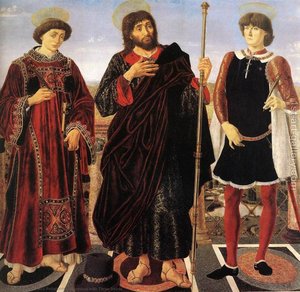
piero pollaiuolo
1443 - 1496
基本情報
- Artistic Movement Or Style: Early Renaissance
- Artists Or Movements Influenced By This Artist: ['Antonio del Pollaiuolo']
- Artists Who Influenced This Artist:
- Piero della Francesca
- Early Netherlandish painting
- Date Of Birth: c. 1443
- Date Of Death: 1496
- Full Name: Piero del Pollaiuolo
- Nationality: Italian Renaissance
- Notable Artworks:
- Temperance
- Altarpiece with Three Saints
- Faith
- Apollo and Daphne
- Coronation of the Virgin
- Place Of Birth: Florence, Italy
関連記事

The Enduring Legacy of Oil on Canvas: Technique, History & Aesthetic Impact
Explore the rich history & techniques of oil painting – from Renaissance masters to Impressionism. Discover pigments, layering methods, and why this timeless medium endures. Expert insights for artists & art enthusiasts.

Oil on Canvas: A Historical & Technical Exploration of a Timeless Artistic Medium
Explore the rich history & enduring techniques of oil painting on canvas. Discover the science behind its longevity, conservation practices, and contemporary relevance. Expert insights for art enthusiasts.

The Enduring Power of Painting: A Historical & Contemporary Exploration of Form and Emotion
Explore the rich history & enduring techniques of oil painting with ArtsDot. Discover masterpieces, learn about art collecting, and find authentic handmade reproductions crafted by skilled artists.

油彩のキャンバス:技法、歴史、そして現代の実践 - 古典美術愛好家へ
油彩の技法、歴史、巨匠たちの秘密を徹底解説。古典美術愛好家向けに、初期フランドル絵画から現代の実践まで深く掘り下げます。ArtsDotで高品質な複製画やカスタムオーダーも承ります。
The Enduring Legacy of Oil Paint: Technique, History & Emotional Resonance in Western Art
Explore the rich history & techniques of oil painting! Discover Renaissance masters, scientific principles behind color, and emotional resonance in art. Learn about glazing, layering, and atmospheric perspective – a guide for enthusiasts & collectors.

