

 プレビュー
プレビュー
 プリントを購入
 シェアする
シェアする シェアする
シェアする
 詳細を見る
詳細を見る

 ダウンロード
 似ている作品
 X線調査
X線調査 スライドショー
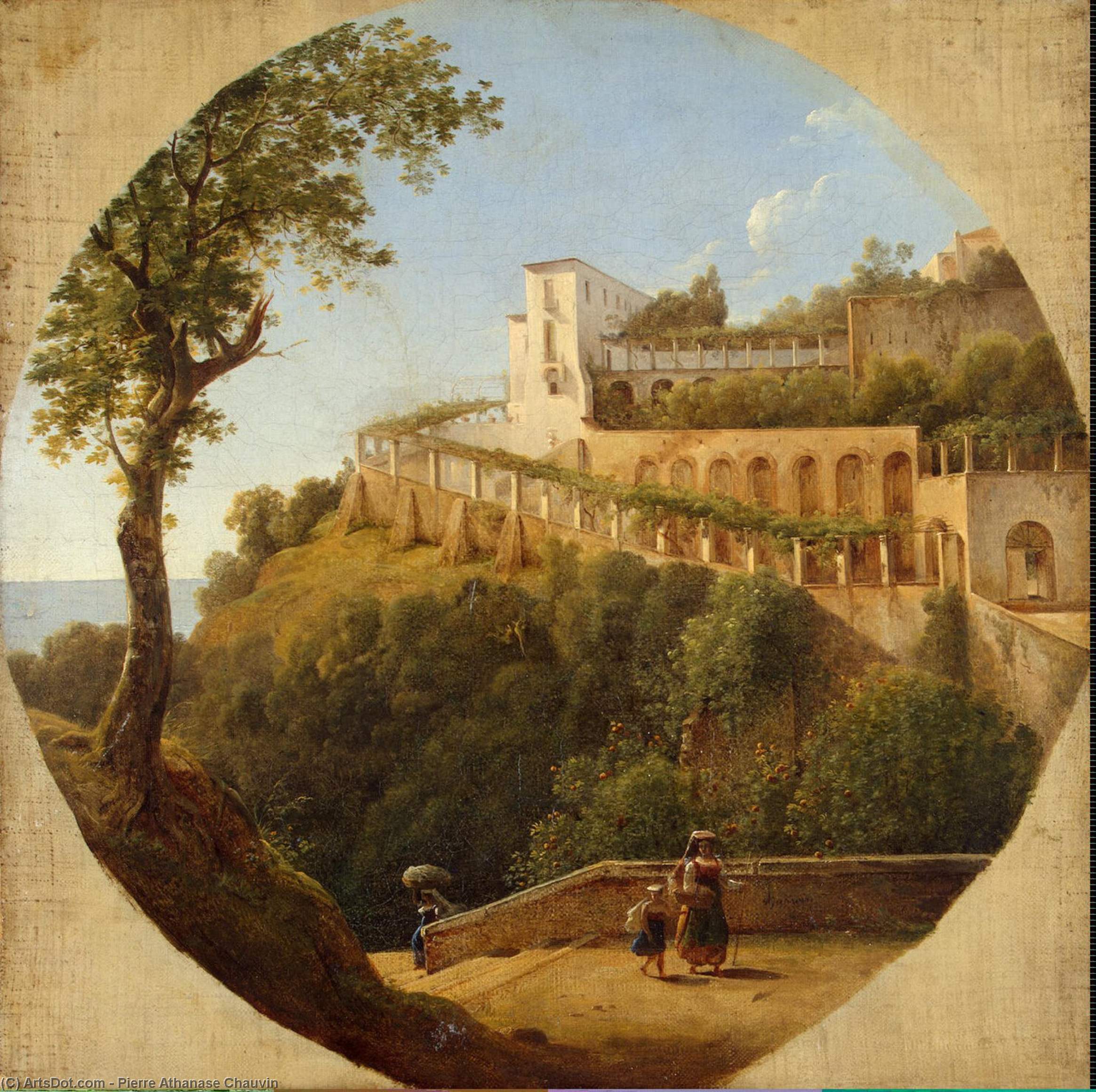
Italian Landscape
 Oil On Canvas
- WallArt
- Neoclassicism
 31.0 x 31.0 cm
 エルミタージュ美術館
 詳細を見る
詳細を見る




P118B $10

P118H $10

P118W $10

P438Z $10

P508JH $12

P508YH $12

P805H $10

P805Z $10

P919BZ $10

P919G $10

P919XJ $10

P959ZH $10

P968JZ $12

W106C $8

W218G $10

W218JH $8

W218Y $10

W307PJ $10

W316G $10

W316PJ $8

W316Y $10

W398PJ $8

W4111J $10

W500HY $15

W500JH $15

W692G $12

W849H $8

W940BG $15

W953PJ $8




作品のオリジナル比率に合わせた、当店の規定サイズからお選びください。

特定のフレームやスペースに合わせて、ご希望のサイズをご入力いただけます。選択されたサイズが元の画像の比率と異なる場合、アートワークをトリミングするか、手描きで要素を追加して絵画を拡張いたします。デジタルモックアップ を制作し、制作開始前にご確認(承認)をいただきます。
画面上のプレビューは、実際のトリミングや拡張を正確に反映しているものではありません。最終的な構図は、モックアップによってのみ正確にご確認いただけます。
カスタムサイズもご利用いただけますが、元の比率を維持するためには、あらかじめ用意されたリストからサイズを選択することをお勧めいたします。
ご注文後、ArtsDot.com チームより詳細な指示をお送りするとともに、仕上がりイメージ(モックアップ)をご提供いたします。


 ガラスオプションは、110cm未満のサイズでのみご利用いただけます。

Italian Landscape
複製技法
複製画のサイズ
-


合計金額
$ 313
作品解説
Italian Landscape by Pierre-Athanase Chauvin
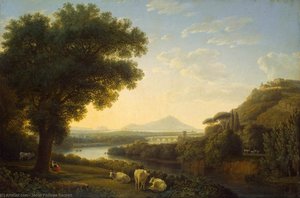
Pierre-Athanase Chauvin’s “Italian Landscape” stands as a testament to the Romantic spirit of Neoclassical art, capturing the serene beauty of the Amalfi Coast with meticulous detail and imbued with subtle emotional resonance. Painted around 1820, this oil on canvas masterpiece exemplifies Chauvin's dedication to mastering the conventions established by luminaries like Ingres and Valenciennes – artists who profoundly shaped his artistic vision.
- Subject Matter: The artwork depicts a panoramic vista of the Amalfi Coast, showcasing a grand villa perched atop a hillside overlooking the azure Mediterranean Sea. Foreground figures engage in everyday activities—carrying water jugs, children playing—creating an intimate tableau amidst the expansive landscape.
- Style & Influence: Chauvin’s style firmly adheres to Neoclassical principles, mirroring the grandeur and clarity championed by artists like Jacques-Louis David. However, it's undeniably informed by the Romantic movement’s fascination with sublime landscapes and atmospheric perspective, subtly blending these influences.
- Technique: Chauvin skillfully employs oil paints on canvas using impasto techniques—thickly applied paint—particularly noticeable on building facades and foliage. This textural approach contributes to a palpable sense of realism and enhances the visual impact of the scene. Layers of glazing build up color depth, mirroring the meticulous brushwork favored by Valenciennes.
- Historical Context: Produced during Louis XVIII’s reign in France following Napoleon's downfall, “Italian Landscape” reflects the artistic revival occurring at the time—a reaction against the excesses of revolutionary fervor and a return to idealized representations of classical beauty. Chauvin’s commission for Fontainebleau Palace underscores the importance of landscape painting within royal patronage.
Symbolism: The villa symbolizes wealth, power, and aristocratic aspiration – emblems central to Neoclassical ideals. Simultaneously, the figures embody the rhythms of rural life, grounding the grandeur of the villa in human experience. The prominent tree serves as a symbol of resilience and connection to nature—a recurring motif in Romantic art—contrasting with the geometric precision of architectural structures.
Emotional Impact: “Italian Landscape” evokes a feeling of tranquility and contemplative beauty, mirroring the mood conveyed by Claude Lorrain and Nicolas Poussin. The muted color palette—dominated by blues, greens, and browns—creates an atmosphere of diffused light and melancholic serenity. Chauvin’s masterful composition invites viewers to immerse themselves in the idyllic panorama of Italy’s coastline.
Provenance: Originally entered into the Hermitage Museum collection in 1922 after being transferred from the Academy of Fine Arts, this artwork exemplifies the enduring appeal of Romantic landscape painting and its ability to transport audiences back to a bygone era. Its reproduction offers an opportunity to appreciate Chauvin’s artistic legacy and experience the sublime beauty captured on canvas.
関連作品

アーティストの略歴
Pierre-Athanase Chauvin: A Life in Italian Landscapes
Early Life and Education
Pierre-Athanase Chauvin was born in Paris, France, in 1774. He embarked on his artistic journey as a student of the esteemed landscape painter Pierre-Henri de Valenciennes. This foundational training would profoundly shape Chauvin’s future artistic direction and style.
Early Career and Salon Success
Chauvin first exhibited at the Paris Salon in 1793, marking the beginning of his public career. His dedication and skill culminated in a significant achievement: winning the first-class medal in 1819 for his monumental painting, Charles VIII’s entry into Acquapendente. This work was not merely an artistic triumph; it was commissioned by King Louis XVIII of France for the prestigious Galerie de Diane at the Palace of Fontainebleau, solidifying Chauvin's reputation.
Settling in Rome and Artistic Development
In 1813, Chauvin made a pivotal decision to relocate to Rome. He quickly integrated into the Roman art scene, becoming a member of the Accademia di San Luca. This move marked a turning point in his artistic development, as he immersed himself in the Italian landscape and its rich artistic heritage.
His views of Italy demonstrate a clear influence from Jean Auguste Dominique Ingres, blending classical precision with realist observation. The two artists were acquainted; Ingres even painted portraits of Chauvin and his wife in 1814, illustrating their professional relationship.
Artistic Style and Influences
Chauvin’s artistic style is characterized by a harmonious blend of Neoclassical structure and Realist detail. He masterfully captured the atmospheric light and serene beauty of the Italian countryside. His landscapes are not simply depictions of scenery; they are carefully composed studies of nature, imbued with a sense of classical order.
- Influences: Pierre-Henri de Valenciennes (landscape painting techniques), Jean Auguste Dominique Ingres (classical precision and form).
- Key Characteristics: Atmospheric perspective, detailed rendering of natural elements, balanced compositions, classical influence.
Major Achievements and Recognition
Beyond the acclaim for Charles VIII’s entry into Acquapendente, Chauvin produced a substantial body of work depicting various Italian landscapes. His paintings showcase views of Tivoli, Grottaferrata, Naples, and other picturesque locations.
In 1828, he was honored with the title of Chevalier of the Legion of Honor, further acknowledging his contributions to the art world.
Historical Significance and Legacy
While not as widely celebrated as some of his contemporaries, Chauvin played a significant role in documenting the Italian landscape during the 19th century. His work provides valuable insights into the artistic sensibilities of the period and demonstrates the enduring appeal of classical ideals within a realist framework.
His art was featured in the exhibition An Enchanted Country. Italy depicted by artists from Thomas Jones to Corot, held at Palazzo Te in Mantua, Italy, in 2001, reaffirming his place within the broader narrative of Italian landscape painting.
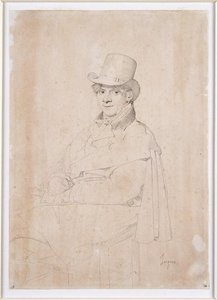
pierre athanase chauvin
1774 - 1832 , France
基本情報
- Acquapendente: View of Tivoli
- Birth Date: 1774
- Birth Place: Paris, France
- Death Date: 1832
- Influenced: None, 'influenced by': 'Pierre-Henri de Valenciennes, Jean Auguste Dominique Ingres', 'movement': ['Neoclassicism', 'Realism'], 'name': 'Pierre-Athanase Chauvin', 'nationality': 'French', 'notable works': [
関連記事

ロマン派ランドスケープ:時代を彩る巨匠の10選|アートとインテリアの世界
ロマン派絵画の時代を彩る10選。巨匠たちの風景が織りなす感動の世界へ。ターナー、ルーベンスなど、名作の裏話と高精細複製でアートをお部屋に。ArtsDot.comで至福のアート体験を。

Evocations of Place: A Historical Journey Through Landscape Art
Explore the rich history of landscape art with ArtsDot. Discover renowned artists, movements like Impressionism & Romanticism, and expert guidance for collecting timeless pieces. Find your perfect serene escape today!

ジョン・コンスタブルの傑作25選:英国風景画の巨匠が描く自然と光の詩 | ArtsDot
ジョン・コンスタブルの傑作25選。英国風景画の巨匠が描く自然と光の詩の世界へ。ロマン主義を代表する絵画、デダム・ヴェールやヘイ・ウェインなど、ArtsDotで高品質なアートプリントをお楽しみください。インテリアに深みと感動を。コレクションはこちら。
Evocations of Place: A Historical Journey Through Landscape Art
Explore the rich history of landscape art with ArtsDot. Discover renowned artists, movements like Impressionism & tonalism, and expert guidance for collecting timeless pieces. Find your perfect serene escape today!
Evoking Atmosphere & Identity: A Journey Through Landscape Painting's History
Explore the rich history of landscape painting! Discover renowned artists, movements like Romanticism, & techniques such as atmospheric perspective. Find inspiration and quality reproductions at ArtsDot.

