

 プレビュー
プレビュー
 プリントを購入
 シェアする
シェアする シェアする
シェアする
 詳細を見る
詳細を見る

 ダウンロード
 似ている作品
 X線調査
X線調査 スライドショー
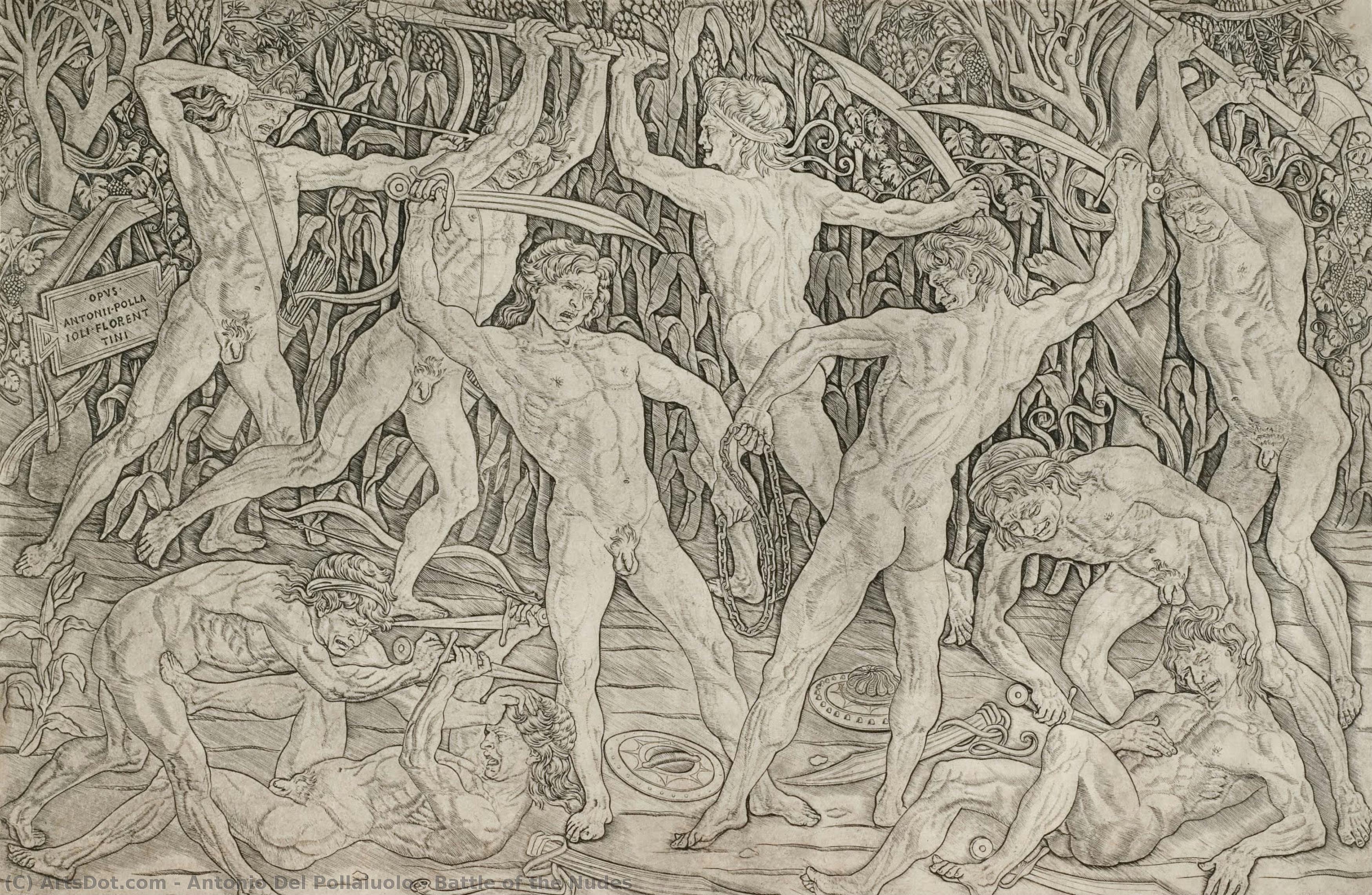
Battle of the Nudes


 詳細を見る
詳細を見る




P118B $10

P118H $10

P118W $10

P438Z $10

P508JH $12

P508YH $12

P805H $10

P805Z $10

P919BZ $10

P919G $10

P919XJ $10

P959ZH $10

P968JZ $12

W106C $8

W218G $10

W218JH $8

W218Y $10

W307PJ $10

W316G $10

W316PJ $8

W316Y $10

W398PJ $8

W4111J $10

W500HY $15

W500JH $15

W692G $12

W849H $8

W940BG $15

W953PJ $8




作品のオリジナル比率に合わせた、当店の規定サイズからお選びください。

特定のフレームやスペースに合わせて、ご希望のサイズをご入力いただけます。選択されたサイズが元の画像の比率と異なる場合、アートワークをトリミングするか、手描きで要素を追加して絵画を拡張いたします。デジタルモックアップ を制作し、制作開始前にご確認(承認)をいただきます。
画面上のプレビューは、実際のトリミングや拡張を正確に反映しているものではありません。最終的な構図は、モックアップによってのみ正確にご確認いただけます。
カスタムサイズもご利用いただけますが、元の比率を維持するためには、あらかじめ用意されたリストからサイズを選択することをお勧めいたします。
ご注文後、ArtsDot.com チームより詳細な指示をお送りするとともに、仕上がりイメージ(モックアップ)をご提供いたします。


 ガラスオプションは、110cm未満のサイズでのみご利用いただけます。

Battle of the Nudes
複製技法
複製画のサイズ
-


合計金額
$ 263
The Raw Intensity of Human Conflict
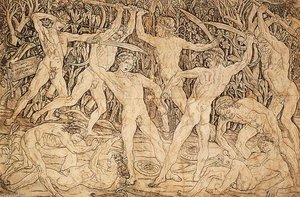
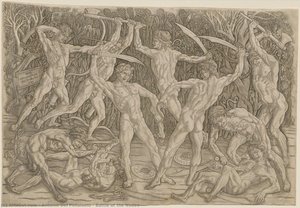
In the heart of the Italian Renaissance, few works capture the visceral energy of human struggle as profoundly as Antonio del Pollaiuolo’s Battle of the Nudes. Created around 1475, this masterpiece serves as a breathtaking study of motion, tension, and the raw physicality of the human form. The scene is an explosion of kinetic energy, where a group of naked warriors are locked in a desperate, swirling combat. There is no tranquil landscape to offer respite; instead, the viewer is thrust into a chaotic vortex of limbs, blades, and straining muscles. Each figure is caught in a moment of extreme exertion, their bodies contorted by the violence of the encounter, creating a composition that feels as though it might burst from the very confines of its frame.
To gaze upon this work is to witness the intersection of anatomical precision and dramatic storytelling. The artist does not merely depict a fight; he orchestrates a symphony of anatomical struggle. Every sinew, every tensed muscle, and every twisting torso serves to communicate the sheer effort of survival. For the collector or the lover of classical art, the piece offers an unparalleled look into the Renaissance obsession with the heroic nude—a subject that celebrates both the vulnerability of the flesh and the indomitable strength of the human spirit.
A Masterclass in Anatomical Mastery
The true genius of Antonio del Pollaiuolo lies in his ability to marry the meticulous precision of a goldsmith with the sweeping vision of a master painter. Having been trained in the intricate craft of metalworking, Pollaiuolo brought an almost scientific rigor to his depiction of the human body. In Battle of the Emphasized Nudes, this technical mastery is on full display. The way light and shadow play across the undulating surfaces of the combatants' skin creates a sense of three-dimensional weight and presence that is nothing short of extraordinary.
The technique employed here pushes the boundaries of what was possible in the late 15th century. By focusing on the mechanics of movement, Pollaiuolo achieved a level of dynamism that predates many of the more famous works of the High Renaissance. The composition utilizes a complex arrangement of overlapping figures to create depth, leading the eye through a labyrinth of conflict. For interior designers seeking a focal point for a sophisticated space, a reproduction of this work provides a profound sense of movement and intellectual depth, acting as a conversation piece that commands attention through its sheer technical complexity.
Symbolism and the Renaissance Spirit
Beyond the surface-level violence, the Battle of the Nudes carries deep symbolic weight. In the context of Florentine art, the naked figure often represented more than just physical beauty; it was a vessel for exploring the limits of human endurance and the primal nature of existence. The absence of clothing strips away social status, armor, and identity, leaving only the essential, unadorned truth of the human condition. This work reflects the era's burgeoning interest in classical antiquity, where the nude was used to evoke the heroism of ancient myths and the raw power of nature.
The emotional impact of the piece is both unsettling and awe-inspiring. It evokes a sense of the sublime—that particular mixture of terror and beauty that arises when witnessing something much larger and more powerful than oneself. For those looking to adorn a gallery or a private study, this artwork offers an atmosphere of profound historical significance and emotional gravity. It is not merely a depiction of war, but a timeless meditation on the struggle, the passion, and the enduring strength found within the human soul.
関連作品
アーティストの略歴
動きとフォルムのフィレンツェの巨匠
イタリア・ルネサンスの躍動感を体現する名前、アントニオ・デル・ポッライウオーロ。彼は1429年頃にフィレンツェで登場し、芸術表現そのものを再定義した画期的な人物でした。鶏小屋を意味する「ポッライウオーロ」という家業は、彼の芸術が到達するであろう高みに全く結びついていませんでしたが、アントニオの道のりは筆とキャンバスから始まったのではありません。それは、金細工や金属加工という緻密な職人技の世界から幕を開けたのです。この初期の経験を通じて培われた精巧なディテールへの没入と正確な実行力は、彼の後の活動に深く影響を与え、そのスタイルを特徴づける解剖学的な正確さと技術的な熟練度への献身を植え付けました。彼は単なる芸術家ではありませんでした。それは、技術と革新を見事に融合させ、フィレンツェ美術に消しがたい足跡を残した職人だったのです。彼の父の工房は、おそらくバルトルッチョ・ディ・ミケーレの指導を受け、ロレンツォ・ジベルティの影響も受けながら、彼を芸術的な偉大さへと押し上げる基礎訓練を提供しました。共同作業と解剖学的探求
ポッライウオーロのキャリアの初期段階は、彼の兄弟ピエロ・デル・ポッライウオーロと切り離すことはできませんでした。二人の協働する精神は、古典古代への魅了と、人体を理解するという揺るぎないコミットメントに特徴づけられる共通の美学を育みました。彼らの共同作品の中での個々の貢献を区別するのはしばしば困難ですが、両兄弟が解剖学に対して飽くなき好奇心を持っていたことは明らかです。伝説によれば、彼らは筋骨や骨格構造への理解を深めるため、当時としては大胆な行為であった解剖まで行ったとされています。このリアリズムへの献身は単なる学問的なものではなく、比類のない躍動感と表現力をもって人物を描き出す原動力となりました。二人の共同の工房は、古典的な理想が新たに鍛え上げられ、明確にルネサンス的な感受性が吹き込まれたるるる坩堝となったのです。アンドレア・デル・カスタニョのような初期の巨匠の影響も彼らの作品には見られ、過去の伝統とこの時代の勃興する革新との架け橋となっていました。彫刻、絵画、そしてエングレーヴィングの誕生
アントニオ・デル・ポッライウオーロの芸術的成果は多様な媒体に及び、それぞれが彼の独自の視点を示していました。画家として称賛される一方で、彼は特にその彫刻とエングレーヴィングで名声を博しました。彼の作品はしばしば英雄的な物語を描いており、ヘラクレスのような古典神話の人物を中心に据え、強さ、闘争、そして勝利を体現しています。既存の青銅の雌狼の彫刻に幼いロムルスとレムスを加えたことは、技術的な熟練さと芸術的な感性の両方を示す金属工芸の証左です。しかし、ポッライウオーロが真にイタリア美術に革命を起こしたのはエングレーヴィングの領域でした。彼の裸体の戦い(紀元1465年頃~1475年頃)は単なるイメージではありませんでした。それはフォルム、構図、そして表現の可能性を探求した画期的な試みだったのです。この版画は、その躍動的なエネルギー、解剖学的な正確さ、光と影の劇的な相互作用で称賛され、エングレーヴィング技術を大きく進歩させ、アルブレヒト・デューラーのような芸術家に深い影響を与えました。彼の絵画、例えば印象的な聖セバスティアヌス(1473年~1475年)はその生々しいリアリズムで知られ、一方の女性の肖像画からは、ファッションにおける静けさと細部への緻密な配慮が漂っています。ローマでの依頼と永続的な遺産
1484年、ポッライウオーロは名誉ある依頼を受け、ローマへと向かいます。そこで彼は教皇シクストゥス4世の墓という記念碑的な課題に取り組み、それは1493年に完成しました。この事業は、芸術的ビジョンを大規模な彫刻形態に翻訳する彼の能力を示し、彼をイタリアを代表する芸術家の一人として確固たる地位を築きました。その後、彼はフィレンツェに戻り、サント・スピリトの聖具室の作業を監督した後、最終的に1498年にローマで息を引き取りました。彼の死は一つの時代の終わりを告げましたが、その影響力は何世代にもわたって響き続けたのです。彼の弟子の一人であったサンドロ・ボッティチェリは、ポッライウオーロの解剖学的な正確さと躍動的な構図への重点を吸収しました。シクストゥス4世とインノケンティウス8世の墓は、彼の技術の不朽の記念碑として立っており、彼の革新的なエングレーヴィングは今なお畏敬と賞賛を呼び起こしています。アントニオ・デル・ポッライウオーロの貢献は計り知れないものでした。彼は単なる画家や彫刻家ではなく、芸術表現の可能性そのものを再定義した真のルネサンスの万能人だったのです。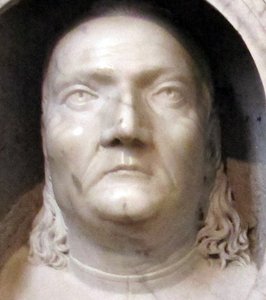
アントニオ・デル・ポッライウオーロ
1429 - 1498 , イタリア
基本情報
- Artistic Movement Or Style: ルネサンス
- Artists Or Movements Influenced By This Artist:
- サンドロ・ボッティチェリ
- アルブレヒト・デューラー
- Artists Who Influenced This Artist:
- バルトルッチョ・ディ・ミケーレ
- ロレンツォ・ギベルティ
- Date Of Birth: 1429年
- Date Of Death: 1498年
- Full Name: アントニオ・デル・ポッライウオーロ
- Nationality: イタリア人
- Notable Artworks:
- 聖セバスティアヌス
- シクストゥス4世の記念碑
- 勝利のダビデ像
- 裸の戦い
- Place Of Birth: フィレンツェ、イタリア
関連記事
Engraving's Golden Age: 10 Masterpieces That Redefined Art | ArtsDot
Journey through art history with our Top 10 Legendary Engravings! Explore masterpieces by Dürer, Rembrandt & Goya. Discover the stories behind these iconic prints and find museum-quality reproductions for your home at ArtsDot.com.
Engraving: A Historical Survey of Technique, Artistic Expression & Enduring Legacy
Explore the rich history of engraving with ArtsDot. Discover techniques, iconic artists like Dürer & Callot, collecting tips, and expert guidance for preserving your art investment. Learn about intaglio printing & more!
The Intricate World of Engraving: A Historical Survey of Technique, Artistic Expression & Enduring Legacy
Explore the rich history of engraving with ArtsDot. Discover techniques, iconic artists like Dürer & Callot, collecting tips, and expert guidance for preserving your art investment. Learn about intaglio printing & more!
The Enduring Allure of the Nude: A Historical & Artistic Exploration of the Human Form
Explore the captivating history of nude art! Discover iconic paintings & artists from classical to modern eras. Uncover symbolism, techniques & find museum-quality reproductions at ArtsDot.
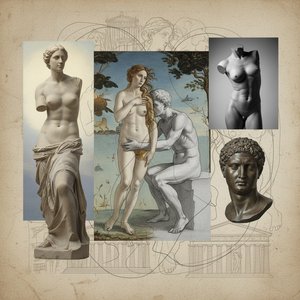
The Eloquent Form: A Historical & Aesthetic Exploration of the Nude in Art
Explore the captivating history of the nude in art! From ancient Greece to modern masters, discover its evolving symbolism, techniques & enduring beauty. Expert insights for collectors and enthusiasts.

