

 プレビュー
プレビュー
 プリントを購入
 シェアする
シェアする シェアする
シェアする
 詳細を見る
詳細を見る

 ダウンロード
 似ている作品
 X線調査
X線調査 スライドショー
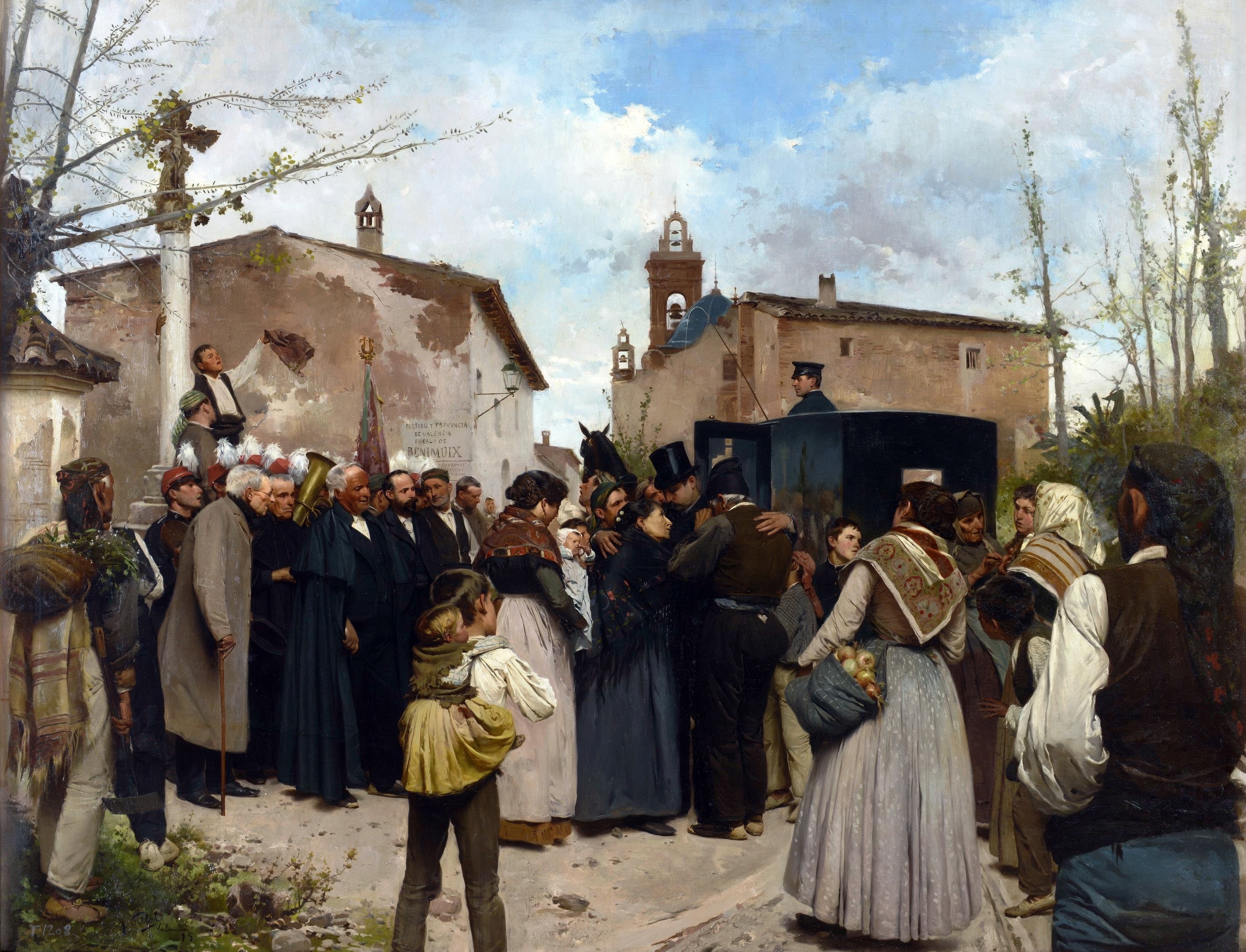
La gloria del pueblo


 詳細を見る
詳細を見る
オンラインプレビューをはるかに凌ぐ、高解像度で鮮明なデジタル画像をご購入いただけます。
各ファイルは、社内の専門家が高度なツールと熟練した手作業によるレタッチを用いて、細心の注意を払って準備されています。すべての画像において、卓越した鮮明度、正確な色彩再現性、そして繊細なディテールを保証いたします。
最終ファイルは、プロフェッショナルな編集・印刷環境ですぐにご利用いただけるよう最適化された状態で、72時間以内にメールにてお届けいたします。これは、一流のデザインスタジオ、出版社、ギャラリーから信頼されているものと同等の品質です。
デジタル画像のご注文に付随する特典
高品質なデジタル画像配信を、確かな品質で。
ArtsDot.com を選ぶことは、単に画像を手に入れることではありません。それは、プロの手によって精密に仕上げられ、満足保証が付いた高品質なデジタルアートワークを受け取ることを意味します。ご注文いただいた際に自動的に付随する内容は、以下の通りです:

メールですぐにお届け
ご注文から72時間以内に、高解像度のデジタル画像ファイルがメールでお手元に届きます。すぐにそのままご利用いただけます。

AI技術で最適化されたデジタルファイル
お客様の作品は、高度なAIツールと専門家による手作業の編集を組み合わせてプロフェッショナルに最適化されており、細部のディテール、鮮明さ、そして正確な色再現性を最大限に引き出しています。

一生涯無料の再送サービス
ファイルを誤って削除したり、紛失してしまったりしましたか?ご安心ください。いつでも無料で再送いたします。

輸入手数料は一切かかりません
関税や手数料、配送料を気にすることなく、お気に入りのアートワークをすぐにお楽しみいただけます。デジタルダウンロードは常に免税です。

色彩再現の保証
プロ仕様のツールとカラーマネジメント技術を用いることで、デジタル画像が元の色を最大限に忠実に再現することを保証いたします。

60日間満足保証
ご購入いただいたデジタル画像にご満足いただけない場合は、60日以内であれば、修正または100%の返金(理由を問う必要はありません)をさせていただきます。

100% 返金保証
ご満足いただけない場合は、デジタルファイルを受け取ってから60日以内であれば、理由を問わず全額返金いたします。

まとめ買い割引
3枚購入で10%OFF - 5枚購入で15%OFF - 10枚以上購入で20%OFF。クリエイティブなプロジェクト、ギャラリー、エージェンシーに最適です。
関連作品
作家の略歴
A Valencian Voice Amidst Controversy
Antonio Fillol Granell emerged from the vibrant streets of Valencia, Spain, as a painter whose brush was deeply rooted in the social realist movement—a stylistic choice that would define his artistic output and propel him into the spotlight of Spanish art history. His formative years were marked by humble beginnings; born into a family owning a small shoe shop, Fillol’s early life instilled within him a dedication to craftsmanship and observation, qualities he would later translate onto canvas with remarkable sensitivity. Recognizing his innate talent, his parents eventually supported his ambition to pursue formal artistic training at the Escuela de Bellas Artes de San Carlos in Valencia, where he honed his skills under the tutelage of masters such as Ignacio Camarlench and Vicente March.
A fortuitous encounter with Ignacio Camarlench proved pivotal, securing him a prestigious prize at the Barcelona Universal Exposition of 1888—a recognition that symbolically validated his artistic path and eased the apprehension of his family regarding his chosen vocation. This initial success fueled his creative spirit, leading to continued exploration and experimentation. By 1895, Fillol’s painting The Glory of the People, depicting scenes from Valencian life with poignant realism, garnered a gold medal at the National Exhibition of Fine Arts, serving as a testament to his ability to capture the essence of his surroundings and convey profound social commentary through the lens of naturalism.
The Courage to Confront Uncomfortable Truths
As his reputation grew, Fillol became known for a fearless approach to subject matter that often challenged the moral fabric of his era. His artistic reputation reached a fever pitch during the decade of 1896-1897, culminating in The Human Beast, a controversial depiction of prostitution presented at the exhibition of 1897. The artwork sparked considerable debate within intellectual circles; while conservative critics branded him "immoral," the piece attracted fervent defenses from prominent cultural figures like Benito Pérez Galdós and Vicente Blasco Ibáñez. This tension between social critique and public outcry became a hallmark of his career, as he used his skill to objectively portray the realities of society’s periphery, much like the naturalist writers of his time.
This provocative spirit was not a singular occurrence but a recurring theme in his oeuvre. The controversy continued with the presentation of The Satyr in 1906, a work that once again tested the boundaries of acceptable public art. Yet, beneath the surface of these scandalous headlines lay a profound commitment to the naturalist movement. Fillol sought to use his artistic skill to critically and objectively portray the struggles and customs of the Valencian people, ensuring that the marginalized voices of his community were given a permanent, albeit debated, place in the annals of Spanish art.
Legacy of a Reformer and Educator
Beyond the canvas, Fillol Granell was a pillar of the Valencian artistic community, contributing significantly to the institutional development of art in his homeland. His travels, supported by a grant from the Provincial Council in 1903, allowed him to study the great masters of France and Italy, enriching his technical palette with international influences. Upon his return, he dedicated himself to the next generation of artists, serving as a Professor at San Carlos, where he championed numerous educational reforms that modernized the curriculum.
His leadership extended to the administrative heart of the local art scene, serving as President of the Círculo de Bellas Artes de Valencia. In this capacity, he worked alongside luminaries such as Joaquín Sorolla and helped establish the Regional Exposition of Fine Arts in 1908, providing vital assistance to local artists and fostering a structured environment for creative growth. Even as an art critic for Blasco Ibáñez's journal, El Radical Diario Republicano, he remained a vocal advocate for artistic integrity and social relevance. When he passed away in Castellnovo at the age of sixty, he left behind a legacy that was as much about his bravery in the face of censorship as it was about his mastery of the social realist style.
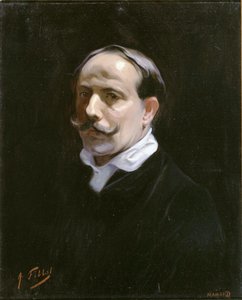
Antonio Fillol Granell
1870 - 1930 , Spain
プロフィール概要
- Artistic Movement Or Style: Social realism
- Artists Or Movements Influenced By This Artist:
- Benito Pérez Galdós
- Vicente Blasco Ibáñez
- Artists Who Influenced This Artist:
- Ignacio Camarlench
- Vicente March
- Date Of Birth: Valencia, Spain (1870)
- Date Of Death: 1930
- Full Name: Antonio Fillol Granell
- Nationality: Spanish
- Notable Artworks:
- La gloria del pueblo
- Los amigos de Jesús
- La bestia humana
- Place Of Birth: Valencia

